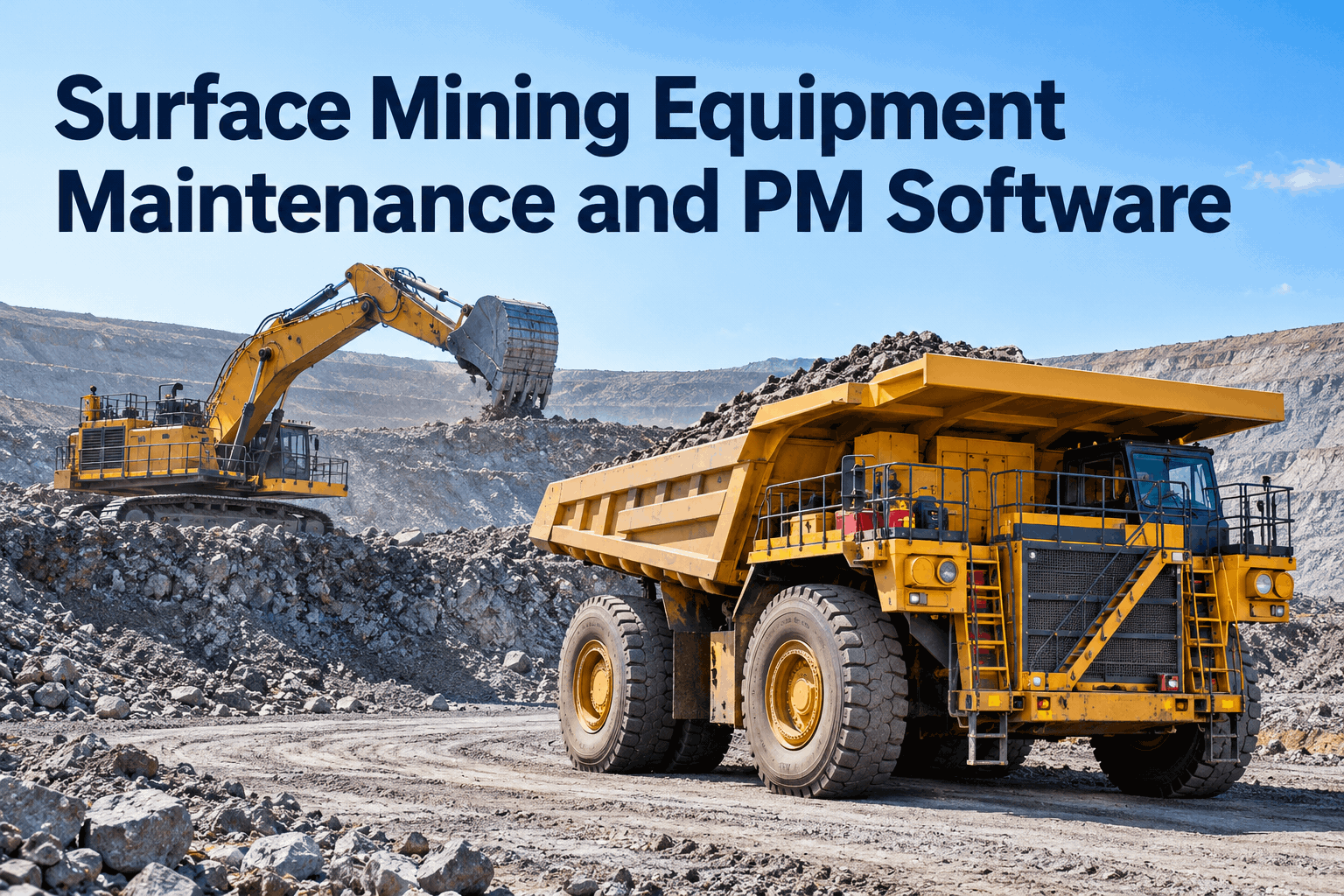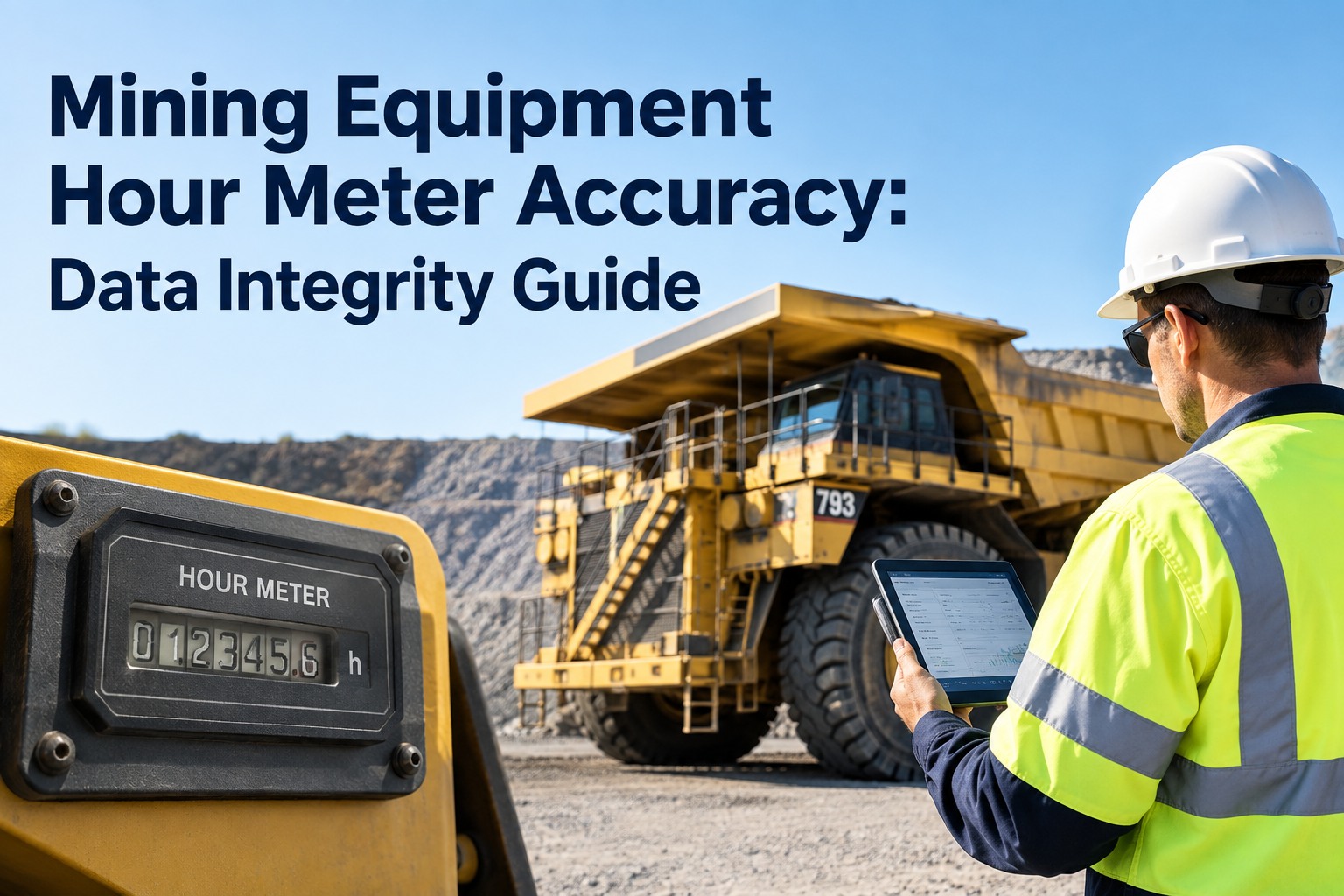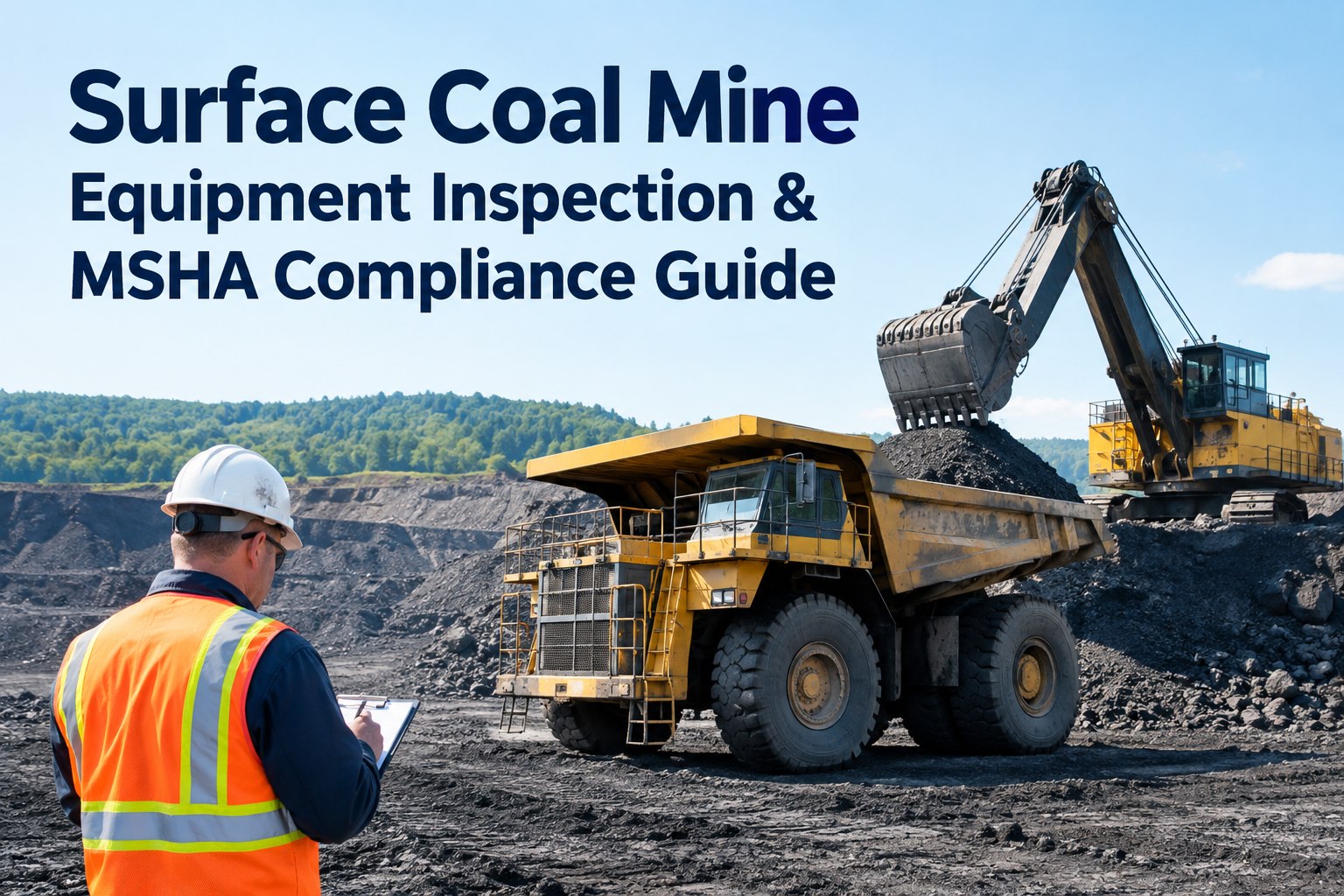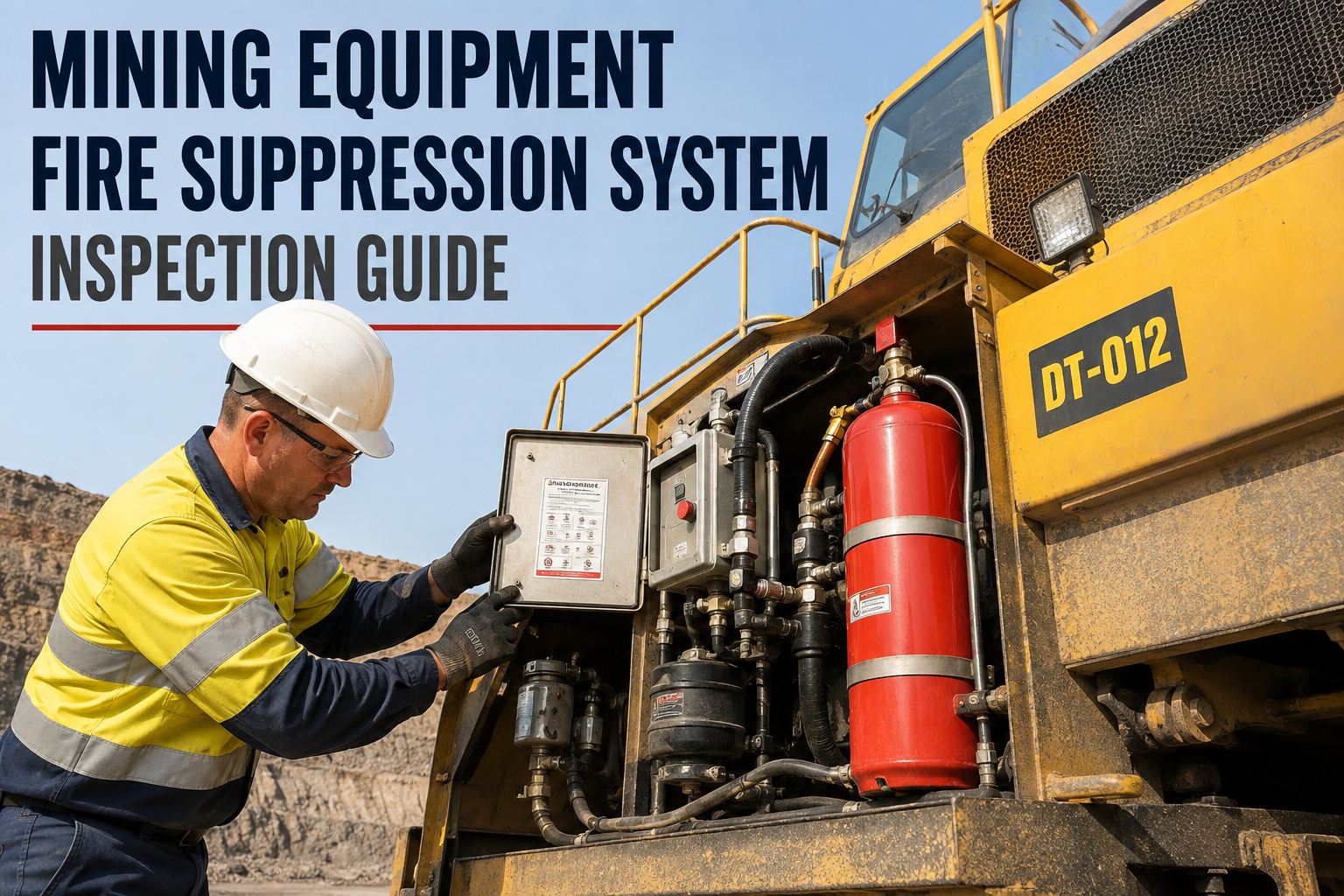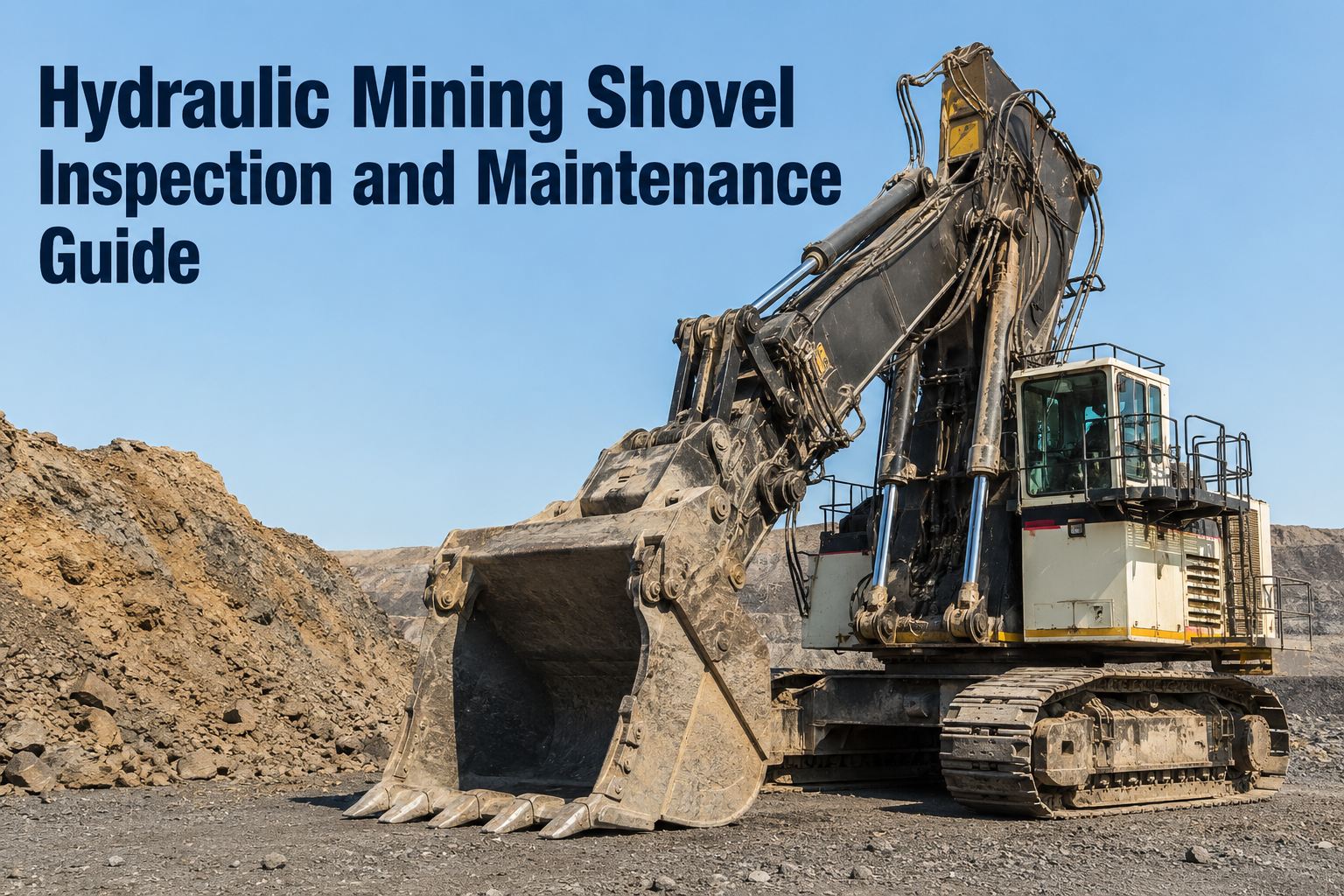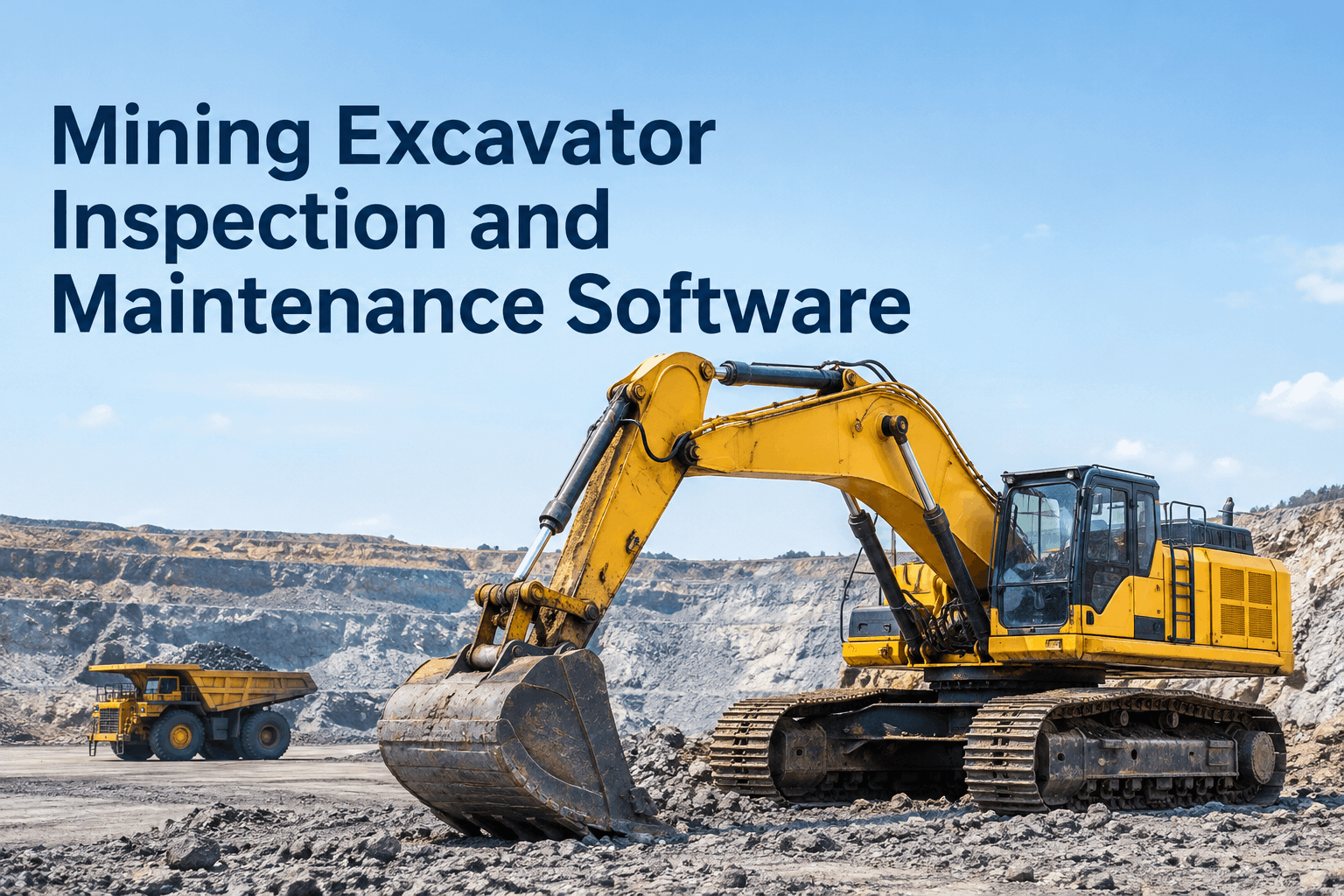
On a mining excavator, the teeth touching the rock do more damage to your budget than almost anything else on the machine — ground-engaging tools alone can run up to half of total operating cost in mining digging applications. Mining excavator inspection and maintenance software catches GET wear, boom, and pin fatigue, and hydraulic contamination before they turn into lost production. Book a demo to see it on your mining fleet .
Half Your Operating Cost Is Riding on the Teeth
Mining excavator inspection software tracks GET wear, structural stress, and hydraulic health per machine — and turns every flagged defect into a work order before it costs a shift.
A mining excavator earns its keep one bucket pass at a time — and every one of those passes is tearing at the teeth, the pins, and the hydraulics underneath. In mining-grade digging — hard rock, ore, overburden — ground-engaging tools alone can account for up to half of total operating cost, and unplanned downtime tied to GET failure is estimated at 30–40% of total operational losses at mid-to-large mining operations. That's not a maintenance footnote; it's one of the biggest controllable line items on the machine. Mining excavator maintenance software exists to put a number and a schedule on that wear before it becomes a shift lost to a cracked tooth or a seized pin.
Where mining duty hits a hydraulic excavator hardestfive systems that carry the load of digging ore and rock all shift
A mining excavator isn't a construction machine running harder — it's a different duty cycle entirely. Constant impact loading, abrasive material, and 24-hour operation concentrate wear in a handful of places.
GET — teeth, adapters & lip
The single largest cost driver on the machine. A dull or cracked tooth doesn't just need replacing — it forces higher hydraulic pressure to cut, burning more fuel and stressing the bucket and boom.
Boom, stick & pins
Impact loading from hard digging flexes every pin and bushing in the linkage; play here shows up as lost digging precision long before a weld crack does.
Hydraulic pump & cylinders
Dust ingress and heat accelerate contamination; a pump failure on a large mining excavator is one of the most expensive single repairs a fleet manager budgets for.
Undercarriage & tracks
Rock and ore underfoot accelerate roller, idler, and sprocket wear; loose tension on uneven pit floor compounds the damage fast.
Swing gear & counterweight
Constant load-and-swing cycles stress the swing bearing and gear; grease discipline here is the difference between a smooth slew and a five-figure bearing job.
A generic excavator checklist treats all five the same. HVI's mining excavator inspection puts GET condition, pin play, and hydraulic leaks on the operator's checklist with photo capture, so wear is a tracked flag instead of a surprise. For the hydraulic side specifically, our excavator hydraulic maintenance guide goes deeper on pump and valve intervals. Book a demo to see a mining-excavator template built for your fleet
The GET economics every mining fleet is living withwhat tracked teeth vs. run-to-failure teeth actually costs
Nothing on a mining excavator rewards daily attention like the bucket teeth — and nothing punishes neglect faster. Industry data on mining GET programs shows the gap between tracking wear and reacting to failure is large, measurable, and entirely controllable.
Mining operations that actively optimize GET selection and replacement timing see GET-related costs drop 15–25% — without changing anything else about the machine.
A worn tooth doesn't fail gracefully — a quarter of GET damage cases are sudden breaks that can also crack the lip plate and adapter underneath, turning a $50–$200 part into a structural repair.
The pattern repeats across every mining fleet that's measured it: a tooth replaced on schedule is a parts cost; a tooth run to failure is a parts cost plus a structural weld job plus the shift the excavator spent not digging. HVI logs tooth and adapter condition on every inspection and flags it before it reaches that second category. Start a free trial and track GET wear against your own fleet this week
The mining excavator daily examination checklistwhat every pre-shift inspection has to cover before the bucket touches rock
MSHA requires a daily examination of self-propelled mobile equipment for safety defects (30 CFR §56.14100 for surface mines, §57.14100 for underground). On a mining excavator, that examination earns its time back fastest when it's built around where this machine actually fails.
In HVI this is a guided mobile template — tick, flag, photo — with every defect timestamped to the right excavator, so the daily examination is both compliance-ready and actually useful to the maintenance team. Book a demo and see this checklist live on one screen
Meter-hour PM, adjusted for mining-severe dutywhy a construction interval isn't the right interval on a pit floor
An OEM's base PM schedule assumes moderate duty. Continuous digging in abrasive, high-impact material shortens the real life of filters, hydraulic fluid, and GET well below that baseline — so the interval needs to track actual condition, not a fixed calendar.
-
250 hr
Basic service
Engine oil and filter, fuel filter and water separator, pin and bucket greasing, GET condition check.
-
500 hr
Intermediate service
Hydraulic filter replacement, hydraulic fluid sample, undercarriage wear measurement, full pin and bushing inspection.
-
1,000 hr
Major service
Swing-gear service, structural inspection of boom and stick, final-drive oil change, full diagnostic scan.
HVI's meter-hour PM scheduling auto-generates the work order when a machine's hours cross an interval, and lets you shorten any interval for severe-duty sites. For the full 500-hour task list by component, see our excavator maintenance checklist guide. Book a demo to see tiered PM set against your mining excavator models
From flagged tooth to closed work orderhow one excavator's inspection connects to the rest of the pit
A mine rarely runs one excavator in isolation — it's a fleet across pits and benches, and a defect flagged on one machine is only useful if it reaches the shop before the next shift starts digging.
-
1
Operator runs the daily examination
GET, pins, hydraulics, undercarriage, swing — the mining-specific checklist, on a phone, before the bucket touches rock.
-
2
A defect is flagged with photo & severity
A cracked tooth or a weeping cylinder gets logged with a photo, tied to that exact machine, and timestamped the moment it's found.
-
3
It becomes a work order in one tap
The flag converts to a work order and lands with the shop or field tech — visible before the excavator finishes its shift.
-
4
Repair closes against that machine's history
Parts, labor, and sign-off record against the excavator's own file, feeding cost-per-hour analytics across the whole fleet.
From a mine-site maintenance planner
Everyone budgets for the excavator's big repairs — the pump, the swing bearing — and almost nobody budgets properly for the teeth, even though they're the thing we replace most and the thing that does the most hidden damage when we let it go too long.
Once we started logging GET condition on every shift instead of "whenever someone notices," our structural weld repairs on the bucket lip dropped off almost entirely. The teeth were always going to wear out. What we stopped doing was finding out by breakage.
Frequently asked questions
What is mining excavator inspection software?
A mobile digital checklist built around a mining excavator's wear points — GET, pins, hydraulics, undercarriage, swing — that flags defects with photos and routes them straight to a work order.
How much do bucket teeth really cost a mining fleet?
In mining-grade digging, GET can run up to 50% of total operating cost, and GET failures are linked to roughly 30–40% of total downtime losses at mid-to-large mining operations.
How often should a mining excavator be serviced?
Typically 250-hour basic, 500-hour intermediate, and 1,000-hour major service tiers, shortened for abrasive or high-impact digging conditions. HVI auto-fires the work order at each interval.
Does this help with MSHA daily examination requirements?
Yes. MSHA requires a daily equipment examination for safety defects (30 CFR §56.14100 surface, §57.14100 underground); a digital, photo-backed inspection gives you a usable, timestamped record.
Can HVI track multiple excavators across different pits?
Yes. Each excavator gets its own inspection history, PM schedule, and cost record, with defects and work orders visible fleet-wide the moment they're flagged.
Stop losing shifts to the teeth you knew were worn
HVI gives every excavator operator a mining-specific daily examination, routes flagged GET, pin, or hydraulic defects to a work order in one tap, fires PM on real meter hours, and keeps a cost-tracked history per machine — so a cracked tooth gets caught before it costs a lip plate, and a mining excavator stays digging instead of waiting on the shop. Live on site in under two weeks.
- GET & structural wear tracking
- Defect → work order in one tap
- Meter-hour PM, shortened for severe duty
- Cost-per-hour per machine, fleet-wide