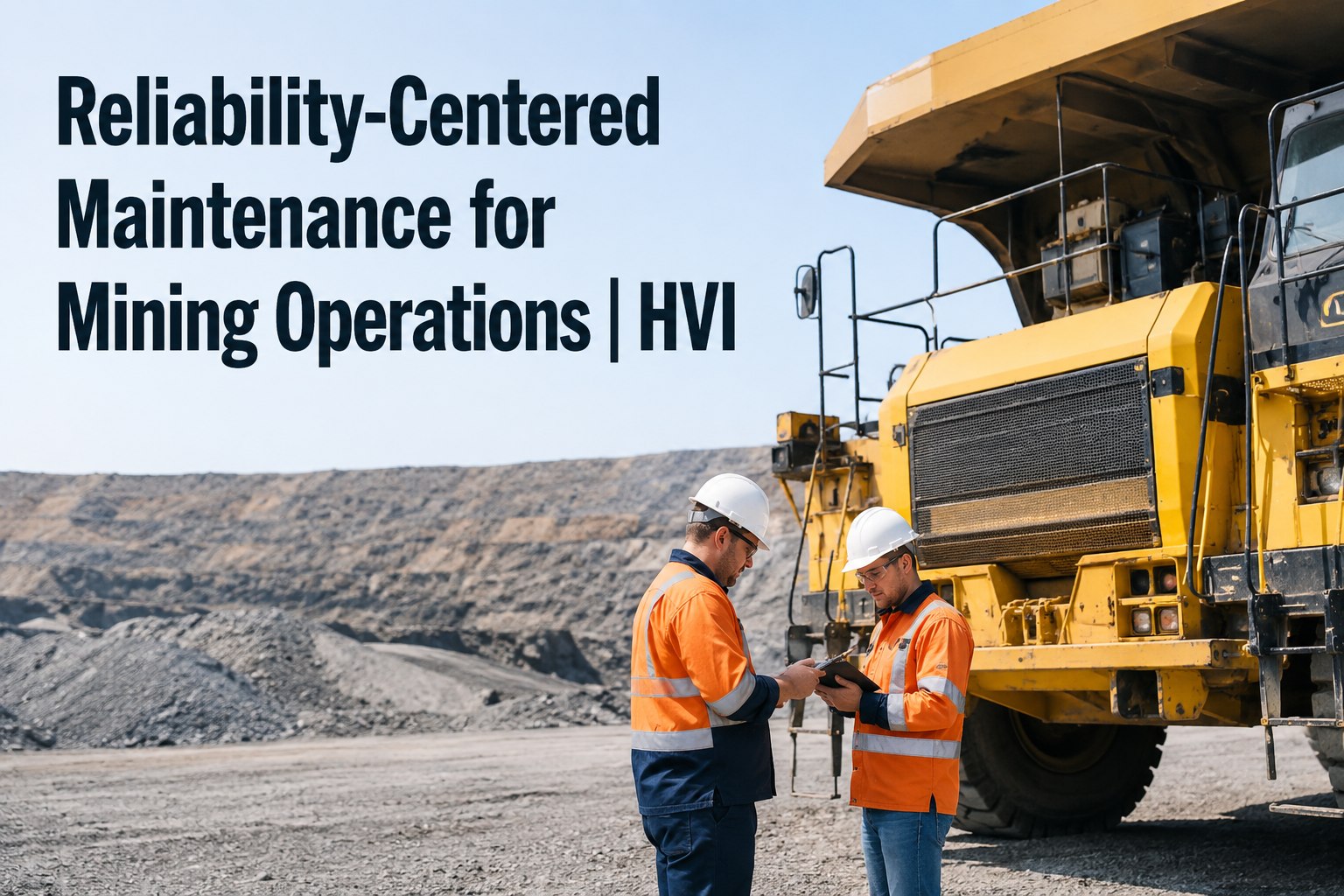
Your haul truck goes down at 2 a.m. on a Tuesday, and by sunrise you have a parked excavator, an idle crew, and a maintenance backlog that just got a day longer. That is the moment reliability-centered maintenance for mining operations either saves you or exposes you. RCM is not a binder on a shelf. It is a way of deciding, asset by asset, what each machine must do, how it can fail to do it, what that failure costs you, and which task is actually worth doing about it. Most mines reference RCM and almost none run it properly, because the analysis gets done once and then disconnected from the daily work orders. This page walks through how to make it stick, from criticality ranking to task selection to the discipline of follow-through, and how a working demo on your own fleet shows what that looks like in practice.
Stop Maintaining Everything the Same Way
RCM starts with one uncomfortable question: what does this asset actually need to do, and what happens when it does not? Answer that honestly and your maintenance budget stops spreading thin across machines that do not matter and starts concentrating on the ones that do.
Without RCM
- Same PM interval on a critical crusher and a spare light plant
- Failures found by breakdown, not by inspection
- Maintenance history scattered across paper and memory
- Budget justified by gut feel, not consequence
With RCM Done Right
- Criticality ranking drives where every hour goes
- Condition checks catch failures before they stop production
- Defect and failure history feeds real analysis
- Run-to-failure is a decision, not a default
How to Run Asset Criticality Ranking Before You Touch a Single Task
Criticality analysis is the step everyone skips and the step that makes everything else work. Before you decide what maintenance to do, you rank every asset by what happens when it stops. Not what it cost to buy. Not how old it is. What happens when it stops.
Score each machine on three axes: safety consequence, production consequence, and repair cost. A haul truck that loses braking on a ramp scores maximum on safety regardless of its age. A primary crusher that feeds the whole plant scores maximum on production. A water cart that can be rented in a day scores low on everything. Add the scores and you have a ranked list that tells you exactly where your maintenance hours belong.
Class A - Stop the Site
Failure stops production or creates a safety event. Primary crushers, haul trucks on active ramps, draglines, shovels. These get full RCM analysis, condition monitoring, and scheduled tasks with real teeth.
Class B - Hurt the Day
Failure costs hours or forces a workaround. Support loaders, water trucks, fuel bowsers, secondary screens. These get scheduled PM and condition checks but lighter analysis than Class A.
Class C - Fix It Later
Failure is an inconvenience, not an event. Spare light plants, workshop tools, standby vehicles. Run-to-failure is the right strategy here, and RCM gives you the evidence to defend it.
Once you have this ranking, every maintenance decision gets easier. You stop arguing about whether the water cart needs the same PM interval as the haul truck. The ranking answers it. If you want to see how this maps onto real work orders and PM schedules, book a walkthrough with your own asset list and we will show you.
Four Questions That Drive Every Maintenance Strategy Decision
RCM is not complicated. It is four questions asked in order, for every function of every critical asset. The discipline is in actually asking them, writing down the answers, and letting those answers change what your crew does on Monday morning.
What must it do?
Define the function in operational terms. Not "the crusher crushes rock" but "the crusher must process 800 tonnes per hour at a closed-side setting of 150mm." Specific functions expose specific failure modes.
How can it fail to do it?
List the functional failures. Worn liners reduce throughput. A cracked mantle stops production entirely. A blocked lubrication line destroys the bearing. Each failure mode has a different consequence and a different task that might prevent it.
What happens when it does?
Consequence drives everything. A failure that stops the plant is different from one that reduces output by 10%. A failure that puts a person at risk is different from both. This is where safety, production, and cost consequences get separated and scored.
What task is worth doing?
Only now do you pick a task. Condition-based monitoring if the failure gives warning. Scheduled restoration if wear is predictable. Scheduled discard if the component has a known life. Run-to-failure if the consequence is genuinely low. No task at all if none of those apply.
Choosing the Right Maintenance Task for Each Failure Mode
The task selection hierarchy is where RCM either saves you money or becomes a paperwork exercise. Each failure mode gets matched to the cheapest task that actually works. Not the most thorough task. The cheapest one that works.
| Task Type | When It Applies | Mining Example | What It Costs You |
|---|---|---|---|
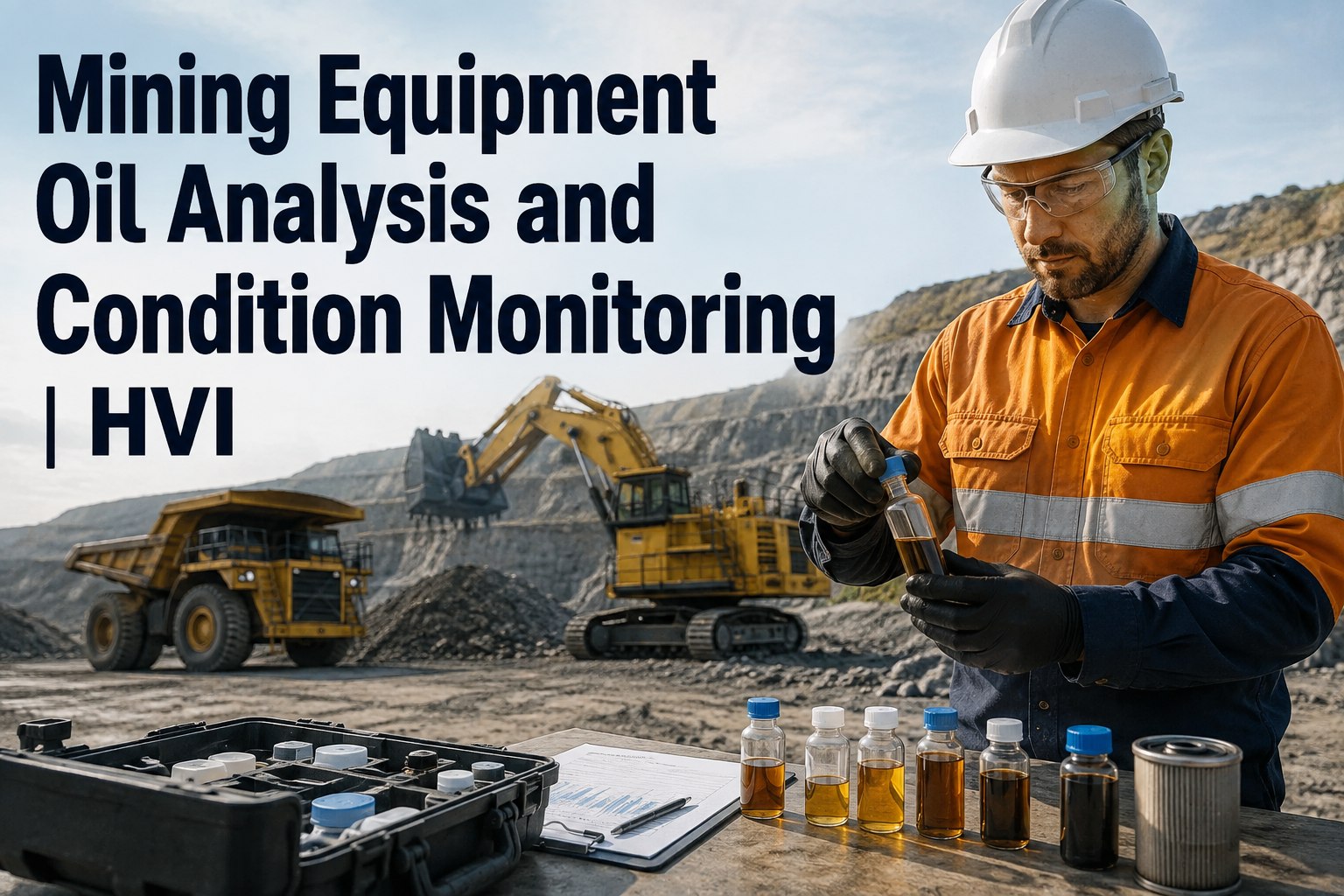
| Condition-Based | Failure gives detectable warning before it stops the machine | Oil analysis on haul truck wheel motors catching bearing wear 200 hours before failure | Cost of the sample and the lab, versus a $40,000 wheel motor and a parked truck |
| Scheduled Restoration | Component wears predictably and can be rebuilt before it fails | Crusher liner changeout at measured wear limit, not at breakdown | Planned shutdown hours versus unplanned days waiting for parts and a crew |
| Scheduled Discard | Component has a known safe life and no useful warning before failure | Hydraulic hose replacement at 3,000 hours regardless of appearance | Cost of the hose versus the cleanup, the downtime, and the safety incident |
| Run-to-Failure | Consequence is genuinely low and no preventive task is worth doing | Workshop air compressor, spare light plant, site pickup | Repair cost when it breaks, which is less than the PM you would have done |
Run-to-failure is not laziness. It is a legitimate RCM outcome for assets where the consequence of failure is lower than the cost of preventing it. The mistake is applying it by default to everything because you never did the analysis. When you start tracking failures and PM tasks in HVI, the data tells you which strategy each asset actually needs.
See What RCM Looks Like When It Actually Runs
Book a 30-minute demo and we will walk your own asset list through criticality ranking, task selection, and the work orders that follow. No slides. Your machines, your failure modes, your schedule.
The Documentation Trap That Kills Most Mining RCM Programs
Here is the pattern. A consultant runs an RCM workshop. The team fills in worksheets. A report gets written. The report goes into a folder. The PM schedule stays exactly the same. Six months later, the only thing that changed is the invoice you paid.
RCM fails when the analysis never connects to the daily work order system. The workshop identifies that your haul truck wheel motors need oil analysis every 500 hours, but the PM schedule still says "grease and inspect" every 250. The analysis says the water cart can run to failure, but the crew keeps doing monthly services because that is what the spreadsheet says. The gap between the analysis and the work order is where RCM dies.
What the Workshop Produces
- Criticality rankings in a spreadsheet
- Failure mode tables in a report
- Task recommendations in a PDF
- Good intentions in a meeting
What the Shop Actually Does
- Same PM intervals as last year
- Same checklist as the OEM manual
- Same reactive breakdown response
- Same argument about budget
The fix is not more analysis. It is connecting the analysis to the system that generates the work orders. When your criticality ranking lives in the same platform as your PM schedule, your inspection checklists, and your failure history, the analysis becomes the schedule. If you want to see how that connection works, walk through it on a live demo with your own equipment list.
Start With Your Five Worst Bad Actors, Not Your Whole Fleet
The biggest mistake in RCM implementation is trying to analyse everything at once. You have 200 assets. A full RCM analysis on all of them takes months and produces a report nobody reads. Start with the five machines that cause you the most pain.
Pull your downtime records for the last 12 months. Sort by total hours lost. The top five are your bad actors. These are the machines that break down the most, cost the most to fix, and hurt production the hardest. Run the four RCM questions on just these five. Change their PM tasks based on the answers. Measure what happens over the next quarter.
Worked Example: One Haul Truck
CAT 785 haul truck, 4 unplanned failures in 6 months, 38 hours total downtime, $52,000 in repair costs. PM schedule says 250-hour service, same as every other truck.
Failure history shows wheel motor bearing wear as the repeat failure mode. Oil analysis every 250 hours catches it 200 hours early. Cost: $85 per sample. Saving: one avoided failure pays for a year of sampling.
Next bearing caught at 180 hours before failure. Planned replacement on a scheduled shift. Zero unplanned downtime. The PM schedule changed because the analysis said so, and the work order system enforced it.
That is RCM working. Not a report. A changed task on a changed work order that prevented a real failure. When you sign up and start logging your failure history, you build the dataset that makes this analysis possible.
The System That Connects Analysis to Work Orders
RCM only works when the analysis changes what your crew does every day. HVI closes that gap by putting criticality, tasks, and failure history in the same platform that generates the work.
Configurable PM Per Asset
Set different tasks, intervals, and checklists for every machine based on its criticality class and failure modes. Class A haul trucks get oil analysis and condition checks. Class C light plants get run-to-failure. The schedule reflects the analysis, not a template.
Condition Monitoring Records
Log oil samples, vibration readings, thermal images, and inspection findings against each asset. Trend the data over time. Catch the failure mode before it catches you, with timestamped evidence that the task was done.
Defect and Failure History
Every breakdown, every defect, every repair logged against the asset with photos and timestamps. When you sit down to do failure mode analysis, the data is already there. No digging through paper work orders or asking the crew what they remember.
Analytics and Reporting
Downtime by asset, cost per hour, PM compliance rate, failure frequency. The numbers that tell you whether your RCM program is working or whether you need to go back and re-analyse. Audit-ready reports for management and clients.
HVI works on any phone or tablet in the pit, the shop, or the laydown yard. Your crew logs defects and completes PMs on the same device they already carry. If you want to see it running on your own fleet, book a 30-minute demo and bring your worst five assets.
What Reliability-Centered Maintenance Actually Requires
RCM is not a project. It is a way of thinking about maintenance that starts with what each asset must do and ends with a task that is worth doing. The steps are simple. The discipline is hard.
Criticality First
Rank every asset by consequence before you touch a task. The ranking tells you where your hours belong and gives you the evidence to defend run-to-failure where it applies.
Four Questions
Function, failure mode, consequence, task. Ask them in order for every critical asset. Write down the answers. Let the answers change the schedule.
Connect to Work Orders
The analysis only matters if it changes what your crew does on Monday. Put the criticality ranking and the task selection in the same system that generates the work.
Start Small
Five bad actors, one quarter, measurable results. Then expand. Trying to analyse everything at once is how RCM becomes a report nobody reads.
Reliability-centered maintenance for mining works when it stops being a document and starts being a schedule. The mines that get this right spend less on PM, catch more failures early, and defend every maintenance dollar with consequence data instead of habit. If you are ready to make that shift, book a demo and bring your asset list.
"We spent $40,000 on an RCM study three years ago. Beautiful report. Sat on a shelf. What changed things was when we put the criticality rankings into the same system that writes the work orders. Now the schedule actually reflects the analysis. I track one number: unplanned downtime hours per month. It dropped 40% in the first year, not because we did more maintenance, but because we stopped doing maintenance that did not matter and started doing the tasks that did."
Reliability-Centered Maintenance for Mining: Your Questions Answered
What is reliability-centered maintenance in mining?
How do I start RCM without analysing my entire fleet?
Is run-to-failure ever the right strategy in mining?
Why do most mining RCM programs fail?
What data do I need to run failure mode analysis?
Make RCM More Than a Report
See how HVI connects criticality analysis to the work orders your crew actually runs. Book a 30-minute demo and bring your worst five assets. We will show you what changes.
Free to start - Works on any phone - No card needed