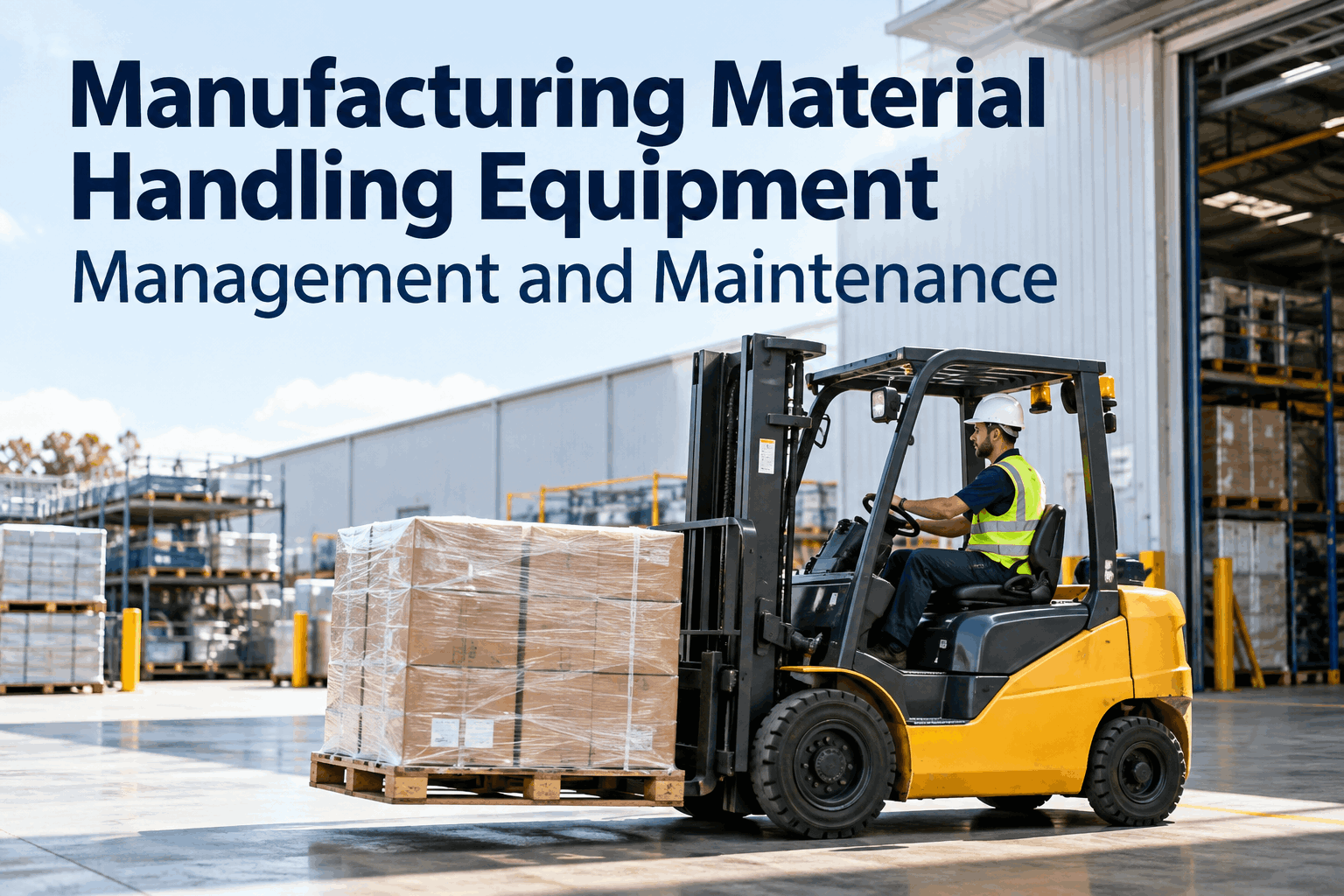
The assembly cell went quiet for eleven minutes on Tuesday, and nobody could find a fault on the machine. The robot was fine, the fixtures were fine — the parts were not there. A tow tractor on the line-feed loop had lost drive power two bays away. That is the truth about manufacturing material handling equipment: when it goes down, the cost lands somewhere else, as a line that starves instead of a forklift that breaks. If that sounds familiar, book a demo to see HVI catch it first.
Manufacturing Material Handling Equipment Is What Keeps the Line Fed
Forklifts, reach trucks, tuggers and conveyors do not make the product. They make sure the product never has to wait. Lose one, and a cell downstream goes hungry.
In a warehouse, a slow forklift means a slow pick. In a plant, the same slow forklift can idle a whole production line, and a stopped line is the most expensive thing on the floor. That is the difference nobody prices in when they buy a cheap used reach truck or skip a tugger's service interval to keep it running through the shift.
So the question for manufacturing MHE is not "is the truck working." It is "what stops if this truck stops." A machine fault gets investigated. A starved station often gets written off as a bad day. You can book a demo to see how every asset ties back to the line it feeds, which is exactly the visibility most plants are missing.
The fastest way to take material handling equipment maintenance seriously is to stop treating these as "just forklifts" and start treating each one as a link in the flow. Here is what that looks like across a typical plant.
A tugger loop is the one people underestimate. One tow tractor pulling three to five carts replaces a dozen separate forklift trips, which is efficient right up until that single machine drops out and takes several cells' worth of parts with it. It is worth a demo to see how HVI flags a critical asset before it strands a loop.
This is why manufacturing warehouse equipment downtime is so easy to miss on the P&L. The failure and the symptom show up in two different places, logged by two different teams and nobody connects them. You can book a demo to see those two logs joined on one timeline.
The asset falters
A tugger's drive motor overheats, a reach-truck mast hydraulic leaks, a pallet-jack battery will not hold charge. Small, cheap, fixable.
A station starves
The next delivery loop is missed. Line-side bins run dry. A cell stops, waiting on parts that are sitting fine in stores.
OEE drops, blame scatters
Availability falls with no fault code on the machine. The shift gets logged as a slow day, and the real cause never gets fixed.
Fix the root cause once and you stop paying for it every week. That means catching the drive fault, the leak and the weak battery before the loop is missed, which is what MHE preventive maintenance is actually for.
Stop losing production to problems that never hit a fault log
See how HVI ties every forklift, tugger and reach truck to the line it feeds, so a quiet breakdown gets caught before a cell goes hungry.
Most plant material handling breakdowns trace back to the same short list of systems. None of them are mysterious, and all of them give warning if someone is checking. Build your service plan around these and you remove most unplanned stops.
Battery & charging
Weak cells, bad connectors and skipped equalisation charges leave electric trucks and jacks dying halfway through the shift. Track charge cycles and water levels, not just "it turned on this morning."
Hydraulics & mast
Leaking cylinders, worn lift chains and chafed hoses on reach trucks and forklifts drift from a drip to a drop in load capacity. Inspect chain stretch, hose routing and cylinder seep on a schedule.
Tyres, wheels & drive
Flat-spotted press-on tyres, worn load wheels and failing drive motors on tuggers cause the vibration and power loss that ends a delivery loop early. Measure wear, do not eyeball it.
Brakes & steering
Spongy brakes and loose steering are both a safety defect and a downtime risk. On shared plant aisles these are the first things an operator should flag and the last thing a plan should skip.
Forks, carts & couplings
Cracked fork heels, bent cart frames and worn tugger couplings drop loads and strand trains. On a tow tractor the coupling is the single point that connects the whole cart string.
Hour-meter intervals
MHE wears by run-hours, not calendar weeks. A two-shift tugger ages twice as fast as a one-shift forklift, so service it on meter readings and your intervals finally match reality.
If you want these to stop living in a binder, you can book a demo to watch meter-based service trigger itself, or sign up free and schedule your first few assets this afternoon.
Reliable material handling equipment maintenance runs on three overlapping clocks. Miss any one and the other two cannot cover for it.
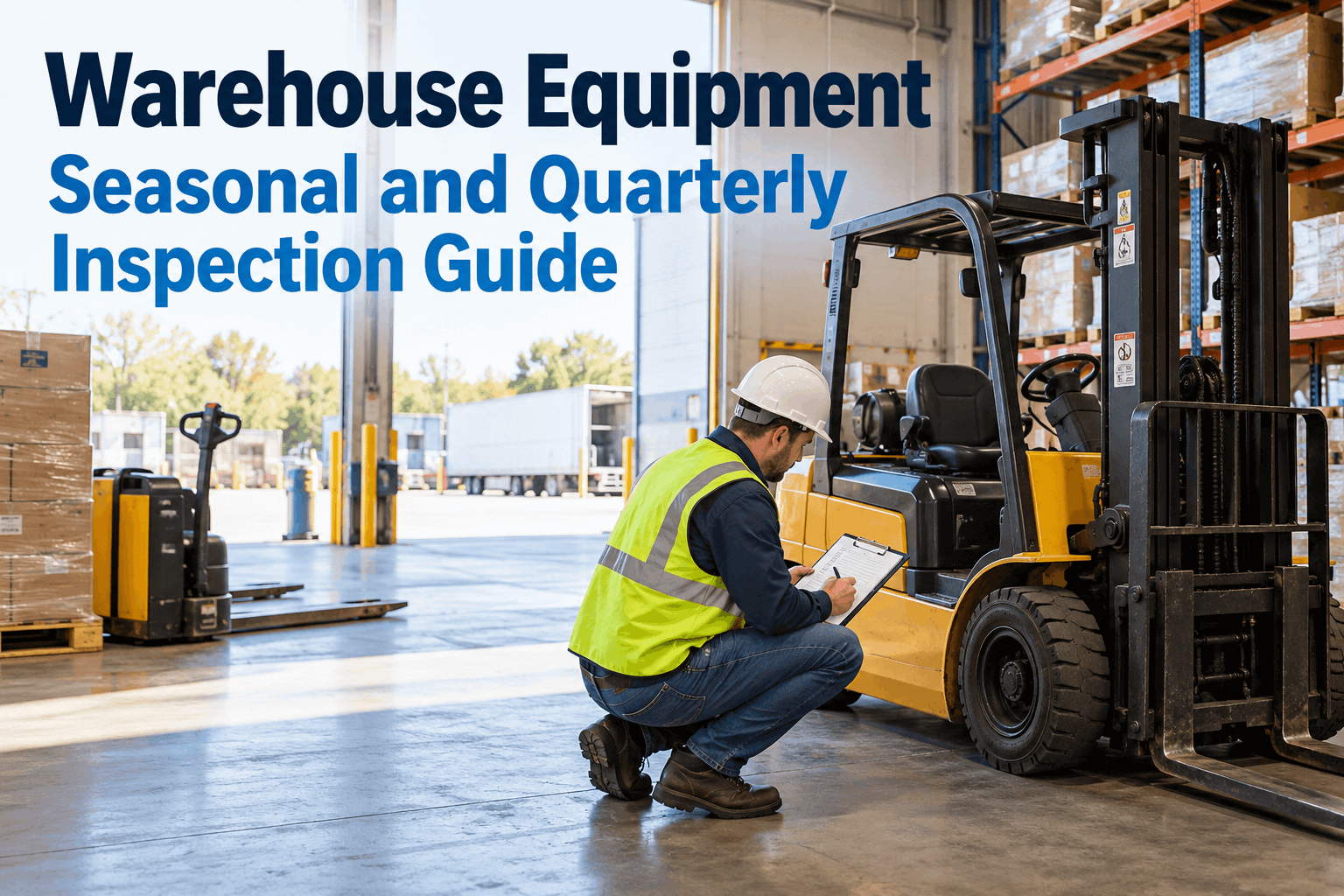
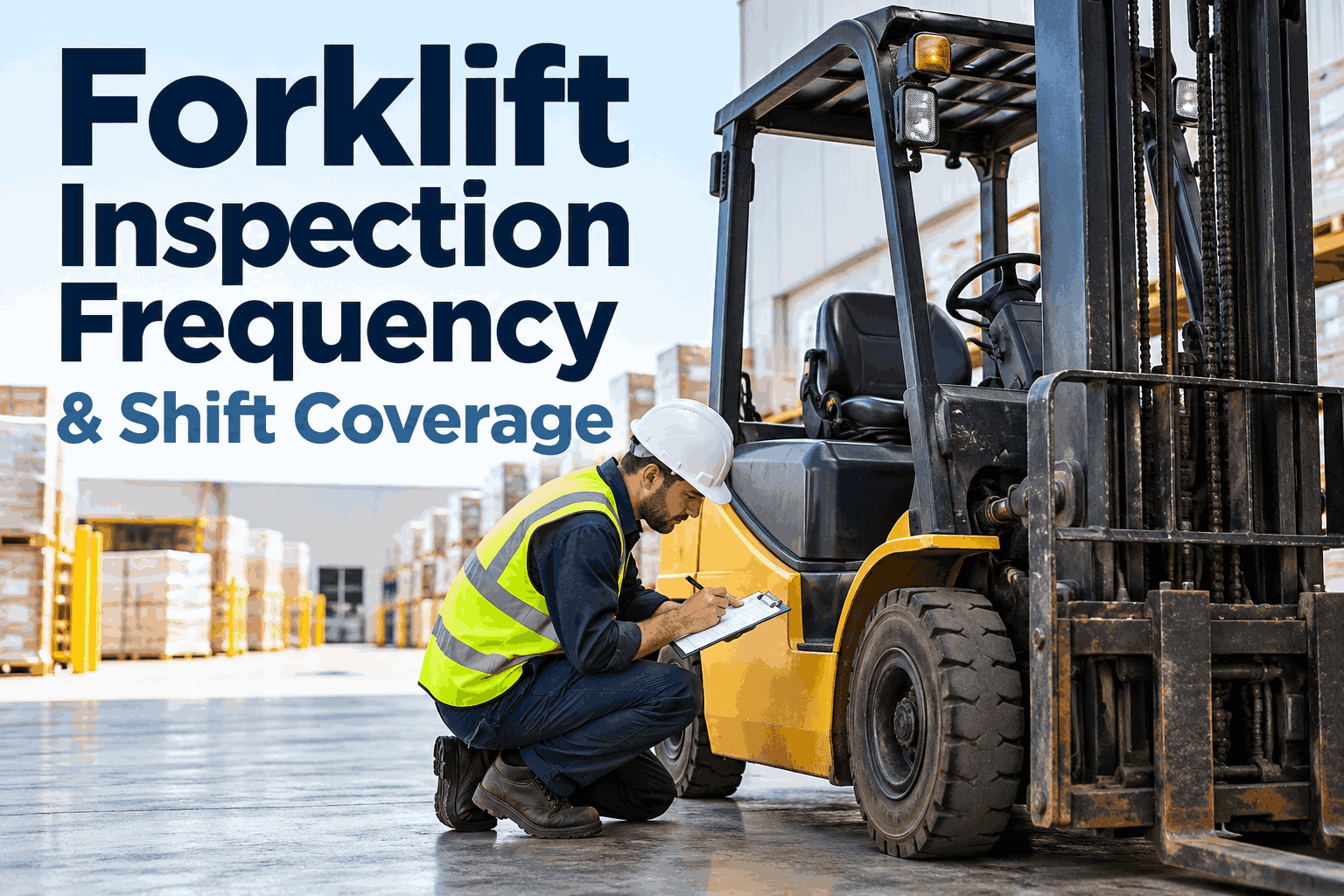
A quick operator check before the first load. In the US, OSHA requires powered industrial trucks to be examined before they are put in service each shift, so this is not optional and it is the cheapest safety net you have.
A deeper look at the wear items that creep: chain stretch, tyre wear, hydraulic seep, battery condition. The stuff that passes a 60-second glance but fails by Friday.
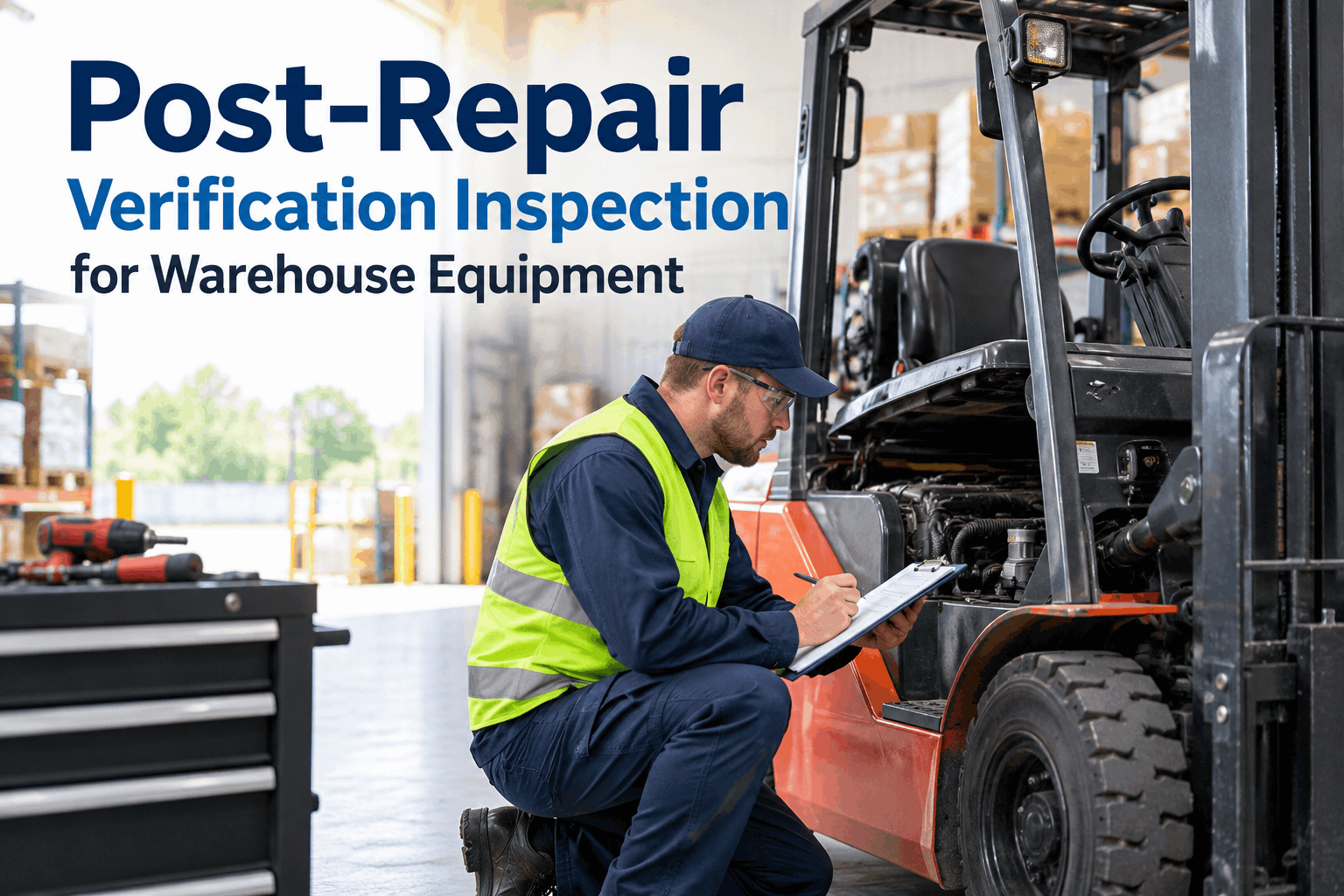
Full preventive service tied to run-hours from the meter. This is where the heavy parts get changed on time instead of after they strand a loop.
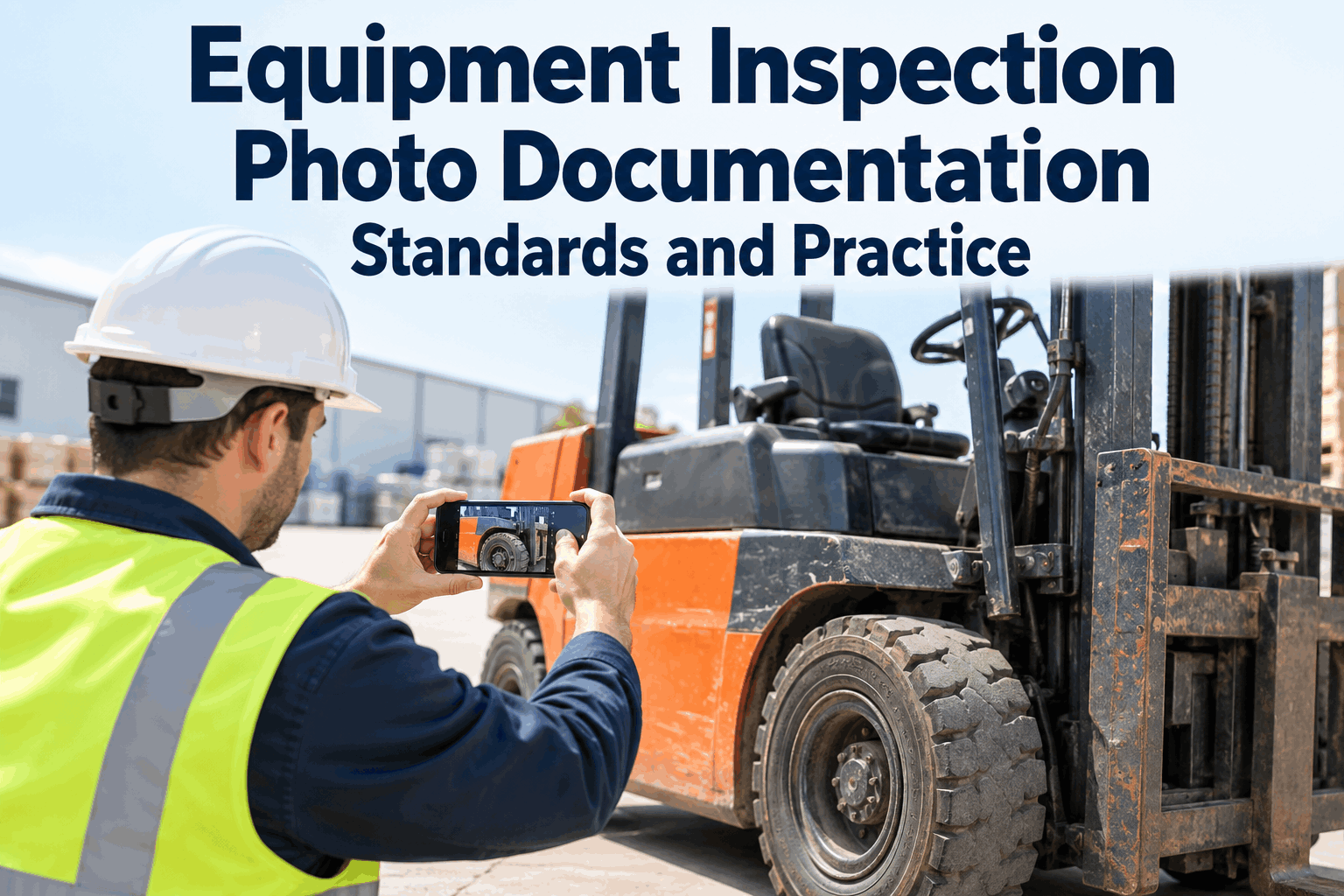
The pre-shift check is also your first warning system. When an operator logs a soft brake or a slow lift on a digital inspection instead of shrugging it off, that defect can become a work order before the truck ever strands a cell.
You cannot improve material handling equipment reliability you do not measure. Three numbers separate a fleet that is genuinely under control from one that just has not broken down yet this week.
Hours available versus hours scheduled. Track it by machine and your worst tugger stops hiding inside a healthy fleet average.
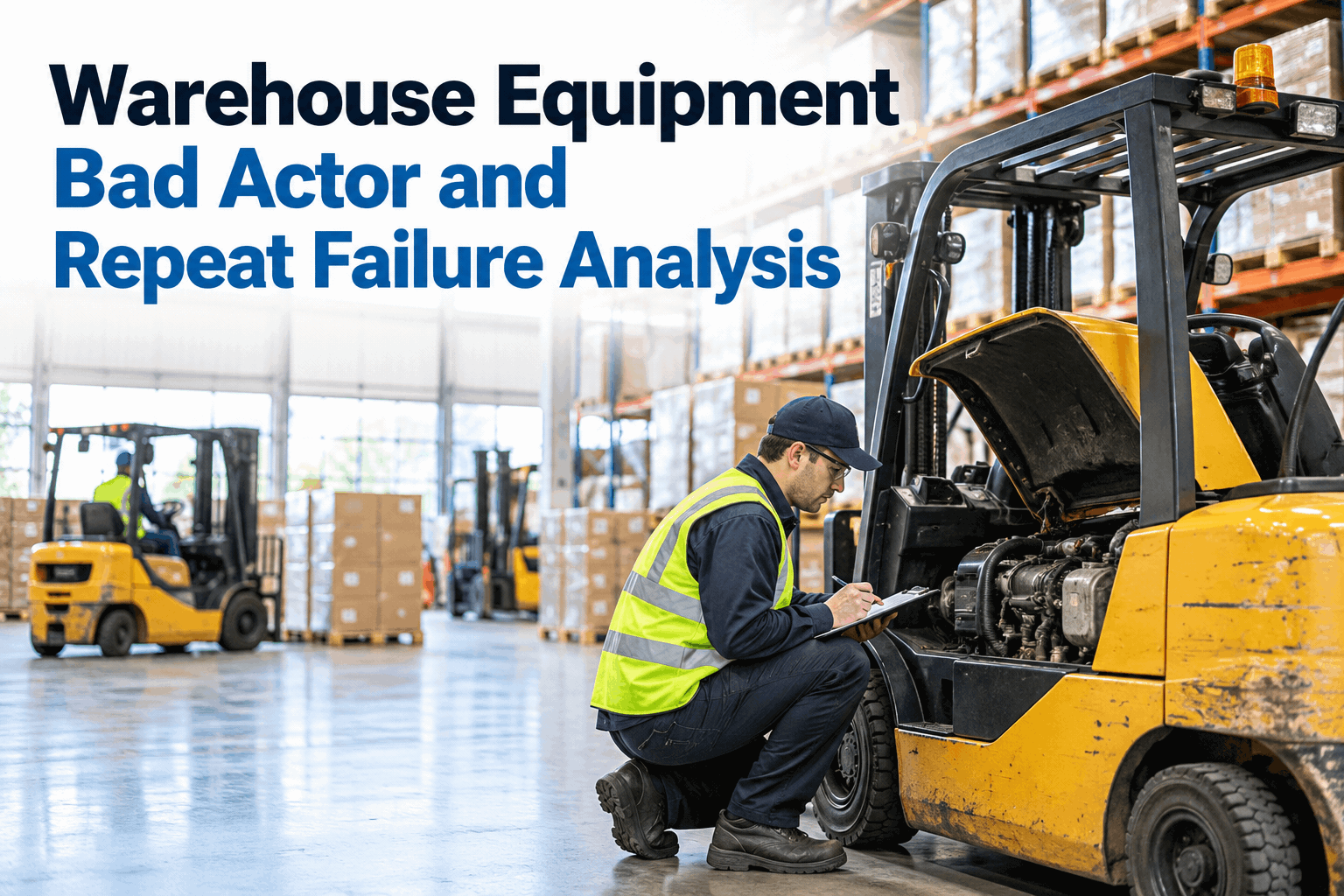
The share of preventive services completed before they came overdue. Falling compliance is the earliest warning that breakdowns are coming.
How long an asset runs between unplanned stops. When this climbs, your MHE uptime is improving for real, not by luck.
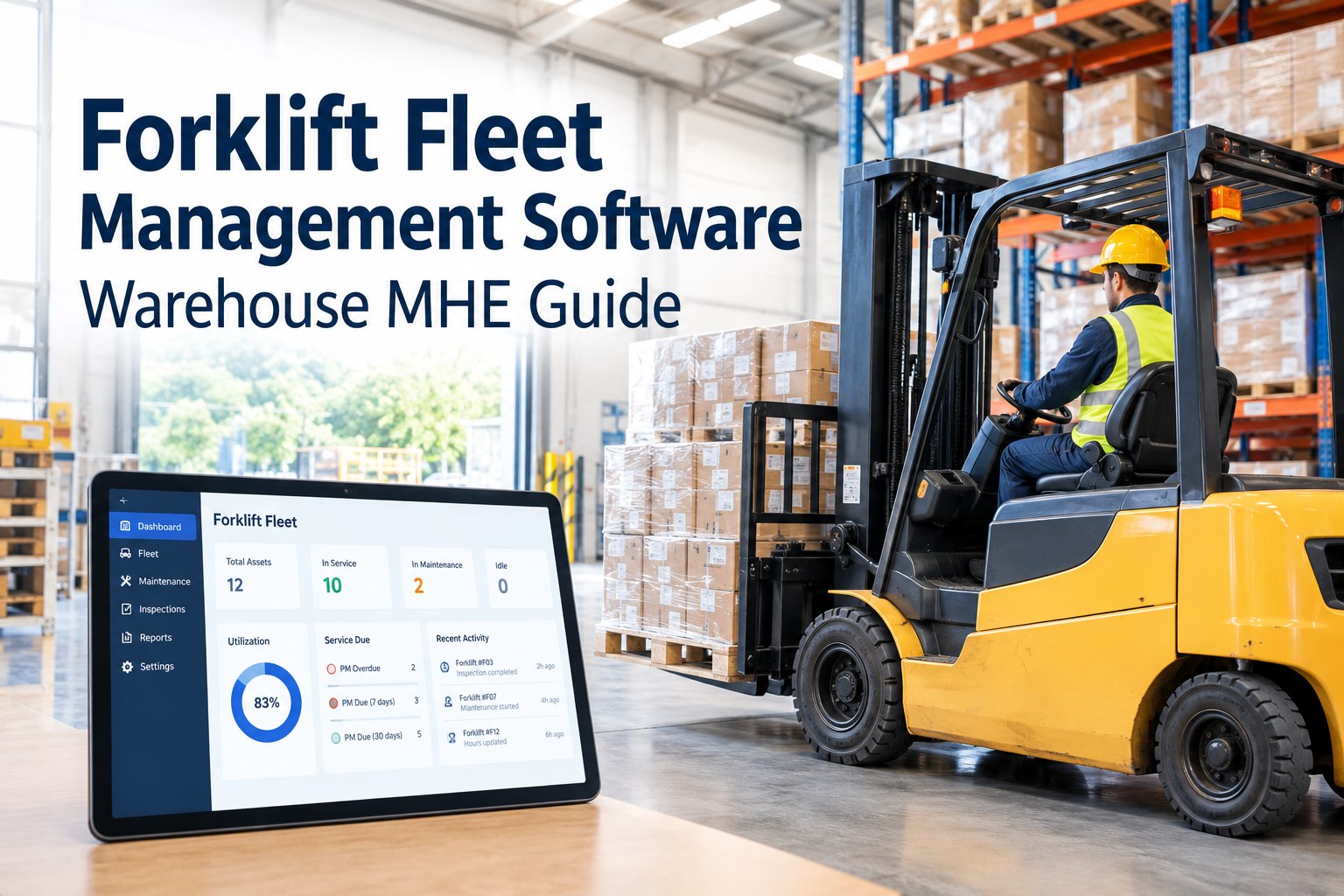
These are exactly the numbers a connected system builds on its own from inspections, work orders and preventive maintenance history, instead of someone rebuilding them in a spreadsheet at month end.
For years I treated the forklifts as a side issue. The expensive stuff was the CNC and the robots, so that is where attention went. What finally changed my mind was tracking why cells stopped. Half our "no-fault" availability losses traced straight back to a tugger or a jack that was limping and nobody had logged it. Now every truck has an hour-meter schedule and a pre-shift check, and when an operator flags something it becomes a work order the same hour. Our line stops from missing parts are down to a fraction of what they were, and I finally stopped getting blamed for problems that were never on my machines.
Managing manufacturing material handling equipment well is not complicated, but it does ask for a change of view. Stop seeing a yard of forklifts and start seeing a delivery system that keeps every cell fed. Map each asset to what it feeds, check it before every shift, service it on run-hours, and measure uptime so the weak machine cannot hide.
Do that and the quiet breakdowns, the ones that show up as a starved station with no fault code, mostly stop happening. The cells stay fed, the line keeps moving, and the equipment that was always treated as an afterthought finally gets credit for the production it protects.
Give your manufacturing material handling equipment the attention the line depends on
Digital inspections, meter-based PM and live asset status in one place, so a limping tugger becomes a work order instead of a starved cell.
What counts as manufacturing material handling equipment?
It is the mobile and fixed equipment that moves material through a plant rather than processing it: counterbalance forklifts, reach trucks, order pickers, electric and manual pallet jacks, tow tractors and tugger trains, conveyors and transfer cars, plus the carts and dock equipment that tie them together. In a plant their job is to keep raw material, work-in-process and finished goods flowing so production never waits.
Why is MHE downtime so expensive in manufacturing specifically?
Because the cost lands downstream. A down forklift in a warehouse slows a pick; a down tugger in a plant can starve a production cell, and a stopped line is far more expensive than the truck itself. The failure and the symptom also get logged separately, so the loss often hides as unexplained OEE availability drop with no machine fault, and never gets traced back to the equipment that caused it.
How often should plant forklifts and tuggers be inspected?
Run three rhythms. A pre-shift operator check before the equipment is used each shift, which for powered industrial trucks is an OSHA requirement in the US. A weekly deeper check of wear items like chains, tyres, hydraulics and batteries. And full preventive service tied to run-hours from the hour meter, since a two-shift tugger ages far faster than a one-shift forklift. Calendar-only schedules miss this.
What are the most common MHE breakdowns to plan for?
The recurring ones are battery and charging faults on electric trucks, hydraulic leaks and worn lift chains on masts, flat-spotted tyres and failing drive motors, spongy brakes and loose steering, and worn forks, cart frames or tugger couplings. Almost all of them give warning signs first, which is why a pre-shift check and meter-based preventive maintenance catch them before they strand a delivery loop.
How does HVI help manage material handling equipment?
HVI gives each asset a mobile pre-shift inspection, turns flagged defects into work orders automatically, schedules preventive maintenance by hour-meter or calendar, and tracks parts, costs and reliability metrics like uptime and PM compliance in one place. It is a maintenance and inspection platform, not a line-control or OEE system, but it closes the loop between a limping truck and a fixed one so fewer quiet breakdowns reach the line.