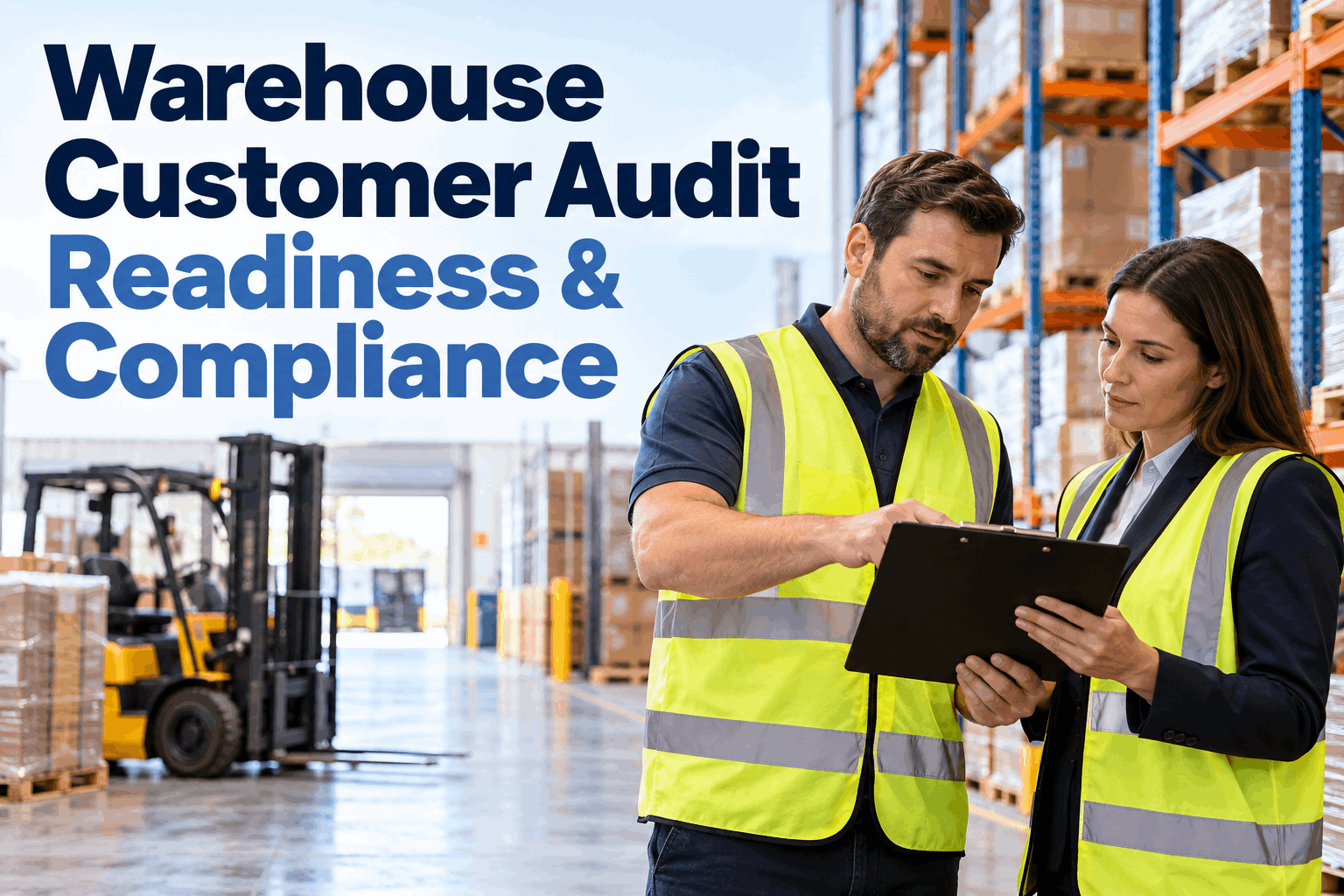
A warehouse customer audit often tests more than whether procedures exist. Customers, clients and third-party reviewers may ask for current evidence showing that equipment inspections, maintenance, operator qualifications and corrective actions are actually being managed. Strong warehouse customer audit readiness means that evidence can be retrieved from normal operations instead of rebuilt shortly before every audit.
When the Auditor Asks for Proof, How Fast Can Your Warehouse Produce It?
Build an audit-ready evidence trail across equipment inspections, maintenance history, operator qualifications and corrective actions—without turning every customer visit into a document-recovery project.
streams
InspectionsCompletion & findings
ReadyMaintenanceService & repair history
ReadyQualificationsOperator records
ReadyCorrective ActionsOpen & closed items
ReviewThe exact scope of a warehouse client audit varies by customer, contract, industry and audit protocol. One customer may focus heavily on equipment safety while another may emphasize maintenance, workforce qualifications, corrective actions or contractual controls. The common challenge is evidence: a warehouse must be able to connect documented procedures with records showing how those procedures are being executed. See how HVI can support an audit-ready operational record.
Customer Audits Often Look Beyond the Written Procedure
A documented policy explains what should happen. Audit evidence helps demonstrate what actually happened, when it happened and how exceptions were handled.
“Equipment is inspected according to the site's established inspection process.”
DEMONSTRATE
EXECUTION?
For warehouse audit readiness, the important connection is between the control described in a procedure and the records created through daily work. If those records are scattered across paper forms, spreadsheets, inboxes and separate systems, demonstrating consistent execution can become a manual reconstruction exercise.
“Show Me the Evidence” Can Mean Several Different Record Sets
Customer auditors may request different combinations of records depending on their scope. Organizing evidence by operational control makes the request easier to route.
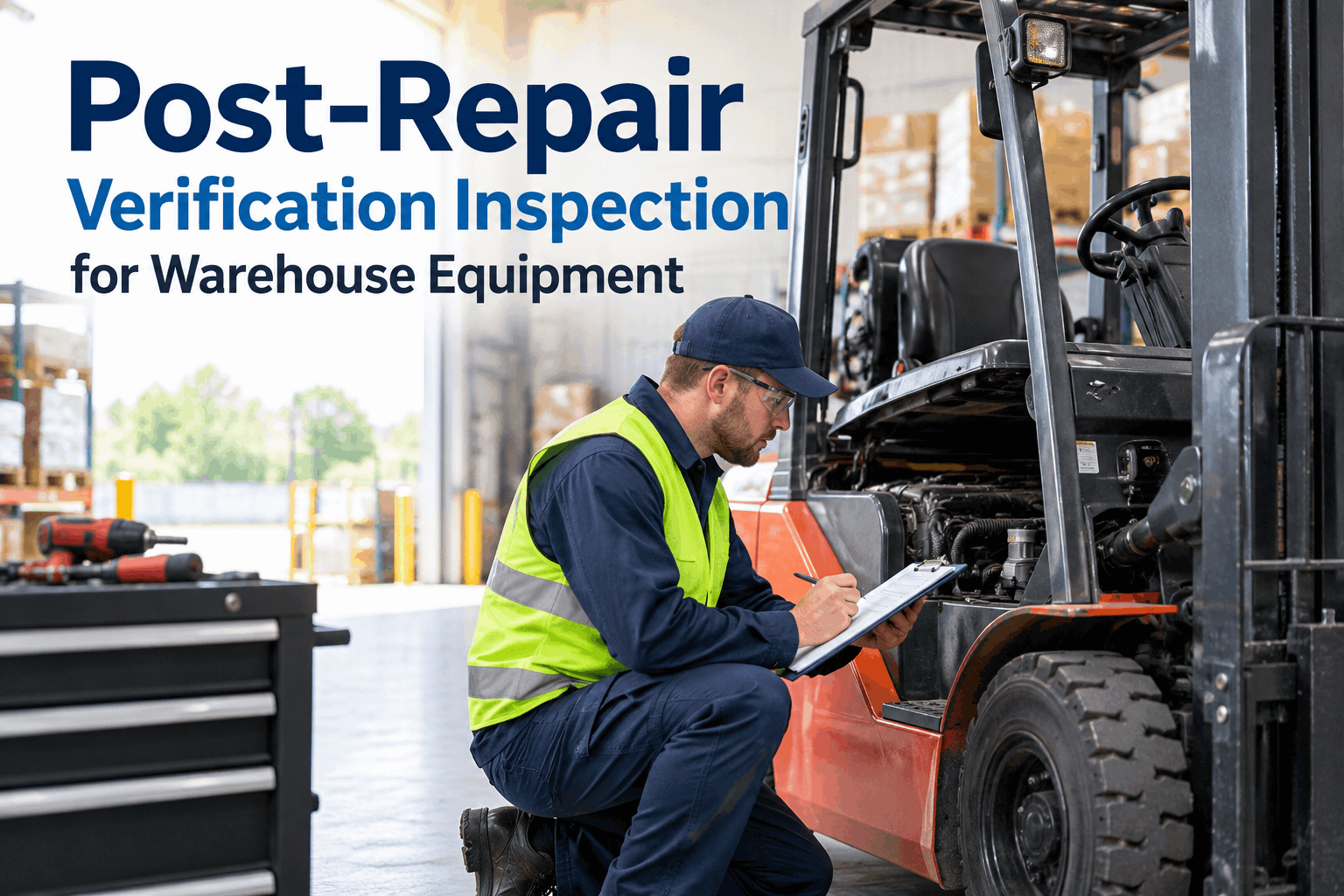
Equipment Inspection Records Should Tell More Than “Pass” or “Fail”
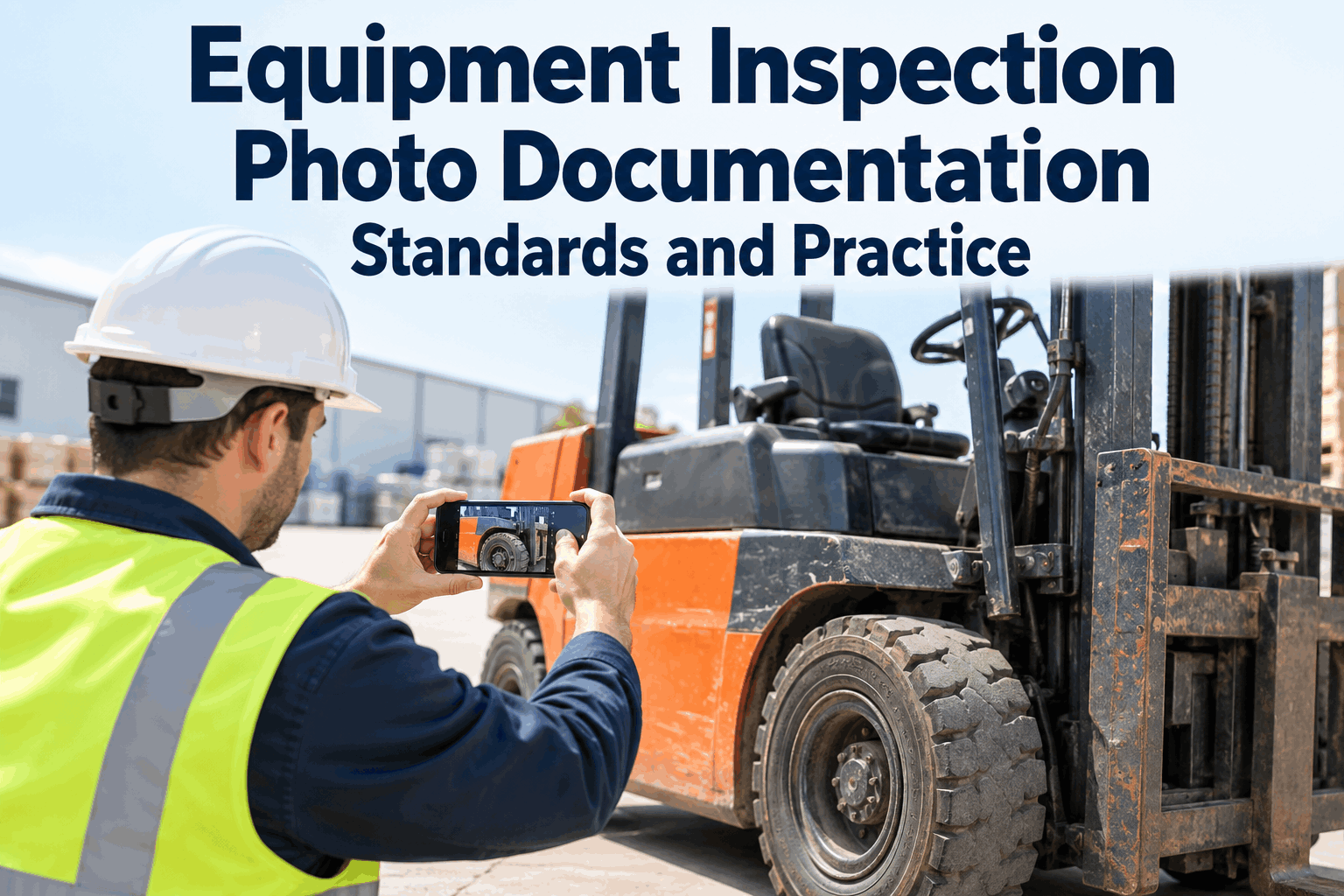
Inspection evidence becomes more useful when the record identifies the asset, inspection event, timing, result and any finding that required follow-up.
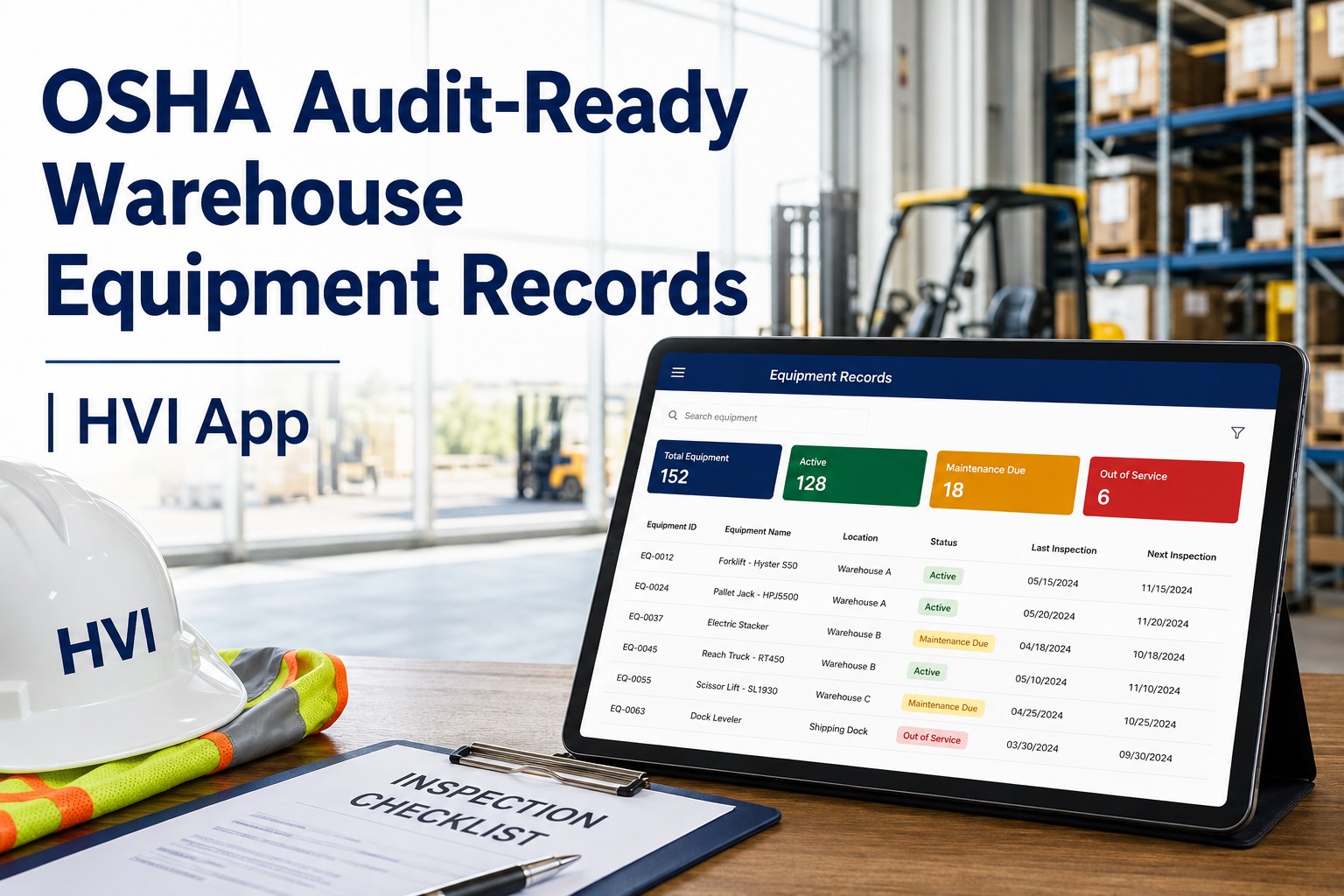
A customer warehouse inspection may involve sampling records rather than reviewing every inspection. Consistent asset IDs, dates, results and defect follow-up can make sampled records easier to understand. HVI's safety management workflows can help keep operational inspection information connected to follow-up activity.
Maintenance, Qualifications and Corrective Actions Complete the Audit Picture
Inspection records are only one part of warehouse compliance evidence. Customer requirements may extend into equipment condition, workforce authorization and issue closure.
Maintenance Records
Service histories can help demonstrate how preventive work, reported defects and repairs were handled over time.
Qualification Records
Where the customer audit scope includes workforce qualifications, teams need a clear view of relevant operator status and supporting records.
Corrective Actions
Auditors may want to know not only that an issue was identified, but also who owned it, what was done and whether it was closed.
Build the Evidence During Normal Operations — Not the Week Before the Audit
Connect inspection, maintenance, qualification and corrective-action records so teams can retrieve the compliance picture without rebuilding it from scattered files.
Audit Readiness Is Also a Retrieval Problem
Having the evidence somewhere in the organization is different from being able to retrieve the right record when a customer asks for it.
Standardized digital records can reduce the time spent locating evidence across separate filing systems. They can also help teams respond consistently when an auditor asks for a particular asset, site, date range or type of record. Book a demo to see HVI's record workflows.
An Audit Finding Is Not Finished When It Is Added to a List
For corrective-action tracking, the stronger evidence trail connects the original finding with responsibility, action, supporting evidence and closure status.
Audit perspective: the exact closure evidence depends on the issue and audit protocol. The objective is to preserve enough context to show what was identified, how it was handled and its current status.
One Customer Audit Can Expose Different Recordkeeping Practices Across Sites
For 3PL and multi-location warehouse operations, standardized evidence categories can make site-to-site differences easier to identify before a customer asks for records.
A multi-site view should be used as an operational prompt, not as a substitute for reviewing the underlying evidence. A flagged category can direct managers to records that need attention before the customer audit. Start organizing warehouse records with HVI.
Run a Readiness Review Around Evidence Gaps, Not Just Checklist Questions
A warehouse audit preparation review should test whether supporting records are current, traceable and retrievable for the scope likely to be examined.
Confirm the audit scope
Review customer, contractual, operational and site-specific requirements so the team knows which evidence categories may be requested.
Sample current records
Pull recent inspection, maintenance and qualification records the same way an auditor might request them.
Review open exceptions
Identify unresolved defects, overdue internal actions or incomplete records that need investigation.
Test corrective-action traceability
Select closed issues and confirm that the finding, ownership, response and closure evidence can be followed.
Verify retrieval
Ask the team to locate specific evidence by asset, site, operator or date range instead of relying only on summary totals.
Keep the process continuous
Use normal operational workflows to maintain records after the audit rather than allowing readiness to disappear until the next visit.
Replace the Pre-Audit Scramble With a Repeatable Evidence Cycle
Customer audit readiness works best when evidence capture, exception review and record retrieval continue between audits.
Make Warehouse Customer Audit Readiness Part of Everyday Operations
A warehouse customer audit can cover different requirements depending on the customer, contract, industry and audit protocol. The practical preparation challenge is therefore not simply creating one universal audit checklist. It is maintaining organized evidence for the operational controls that apply to the warehouse.
Inspection completion, equipment maintenance, operator qualification and corrective-action records can collectively show how documented procedures are being carried out. When those records are captured consistently and can be retrieved by site, asset, date or status, customer audit preparation becomes less dependent on last-minute document collection.
HVI helps warehouse teams keep inspections, equipment records, qualification information and corrective actions connected to normal operations so supporting evidence is easier to review when customers request it. Book a demo to explore HVI for warehouse audit readiness.
Warehouse Customer Audit FAQs
What records may be requested during a warehouse customer audit?
The exact request depends on the customer, contract, industry and audit protocol. Depending on scope, a warehouse may be asked for equipment inspection records, maintenance histories, operator training or qualification information, incident documentation, corrective-action records and other evidence related to agreed operational controls.
How should a warehouse prepare for a customer or client audit?
Start by confirming the audit scope and applicable customer requirements. Then sample the records likely to support those requirements, review open exceptions and corrective actions, and test whether evidence can be retrieved by relevant dimensions such as site, asset, operator or date.
What is the difference between an audit procedure and audit evidence?
A procedure describes the expected process or control. Audit evidence is the supporting information that helps demonstrate how the process was carried out, such as completed inspections, maintenance history, qualification records or corrective-action documentation.
How can 3PL operators improve multi-site audit readiness?
3PL operators can standardize core evidence categories and record structures across locations while still accounting for site-specific and customer-specific requirements. Central visibility can help managers identify locations or evidence categories that need additional review.
How can HVI support warehouse audit readiness?
HVI can help teams capture digital inspections, maintain equipment service histories, organize qualification information, track corrective actions and review operational records. These capabilities can make supporting evidence easier to manage and retrieve, while the warehouse remains responsible for determining the requirements that apply to each customer audit.
Keep the Evidence Ready Before the Audit Request Arrives
Connect inspections, maintenance records, qualification information and corrective actions so your team can spend less time reconstructing the compliance picture.