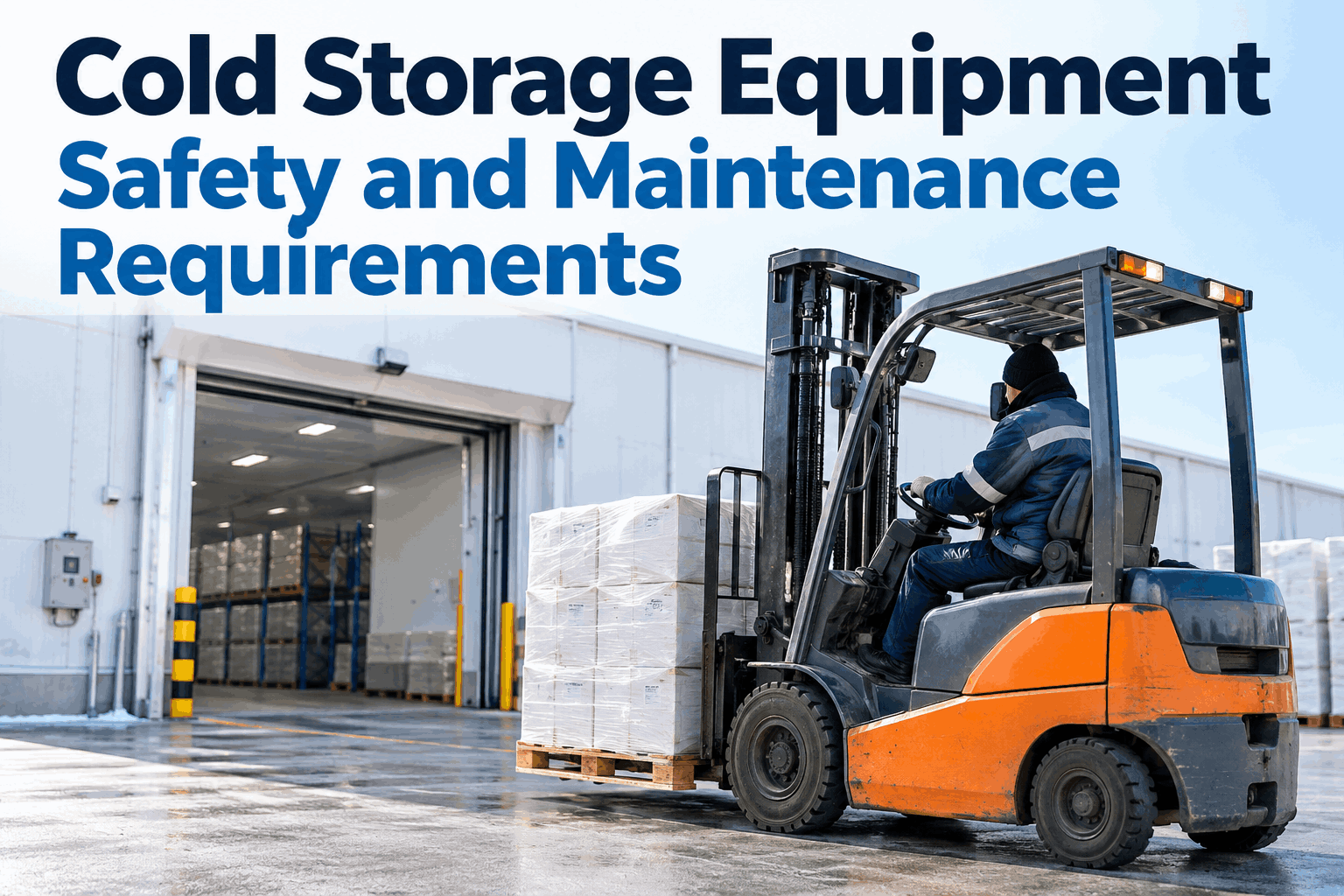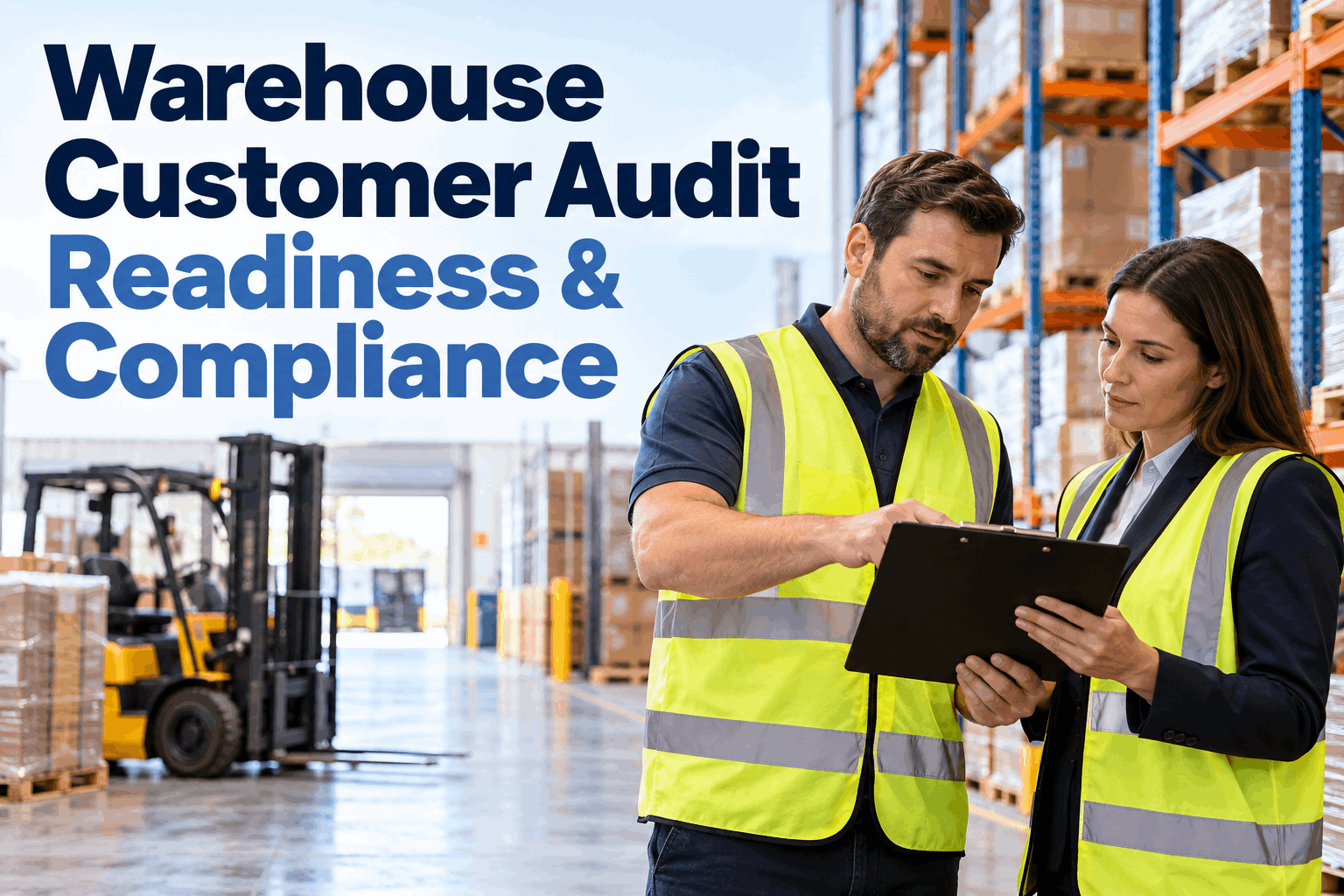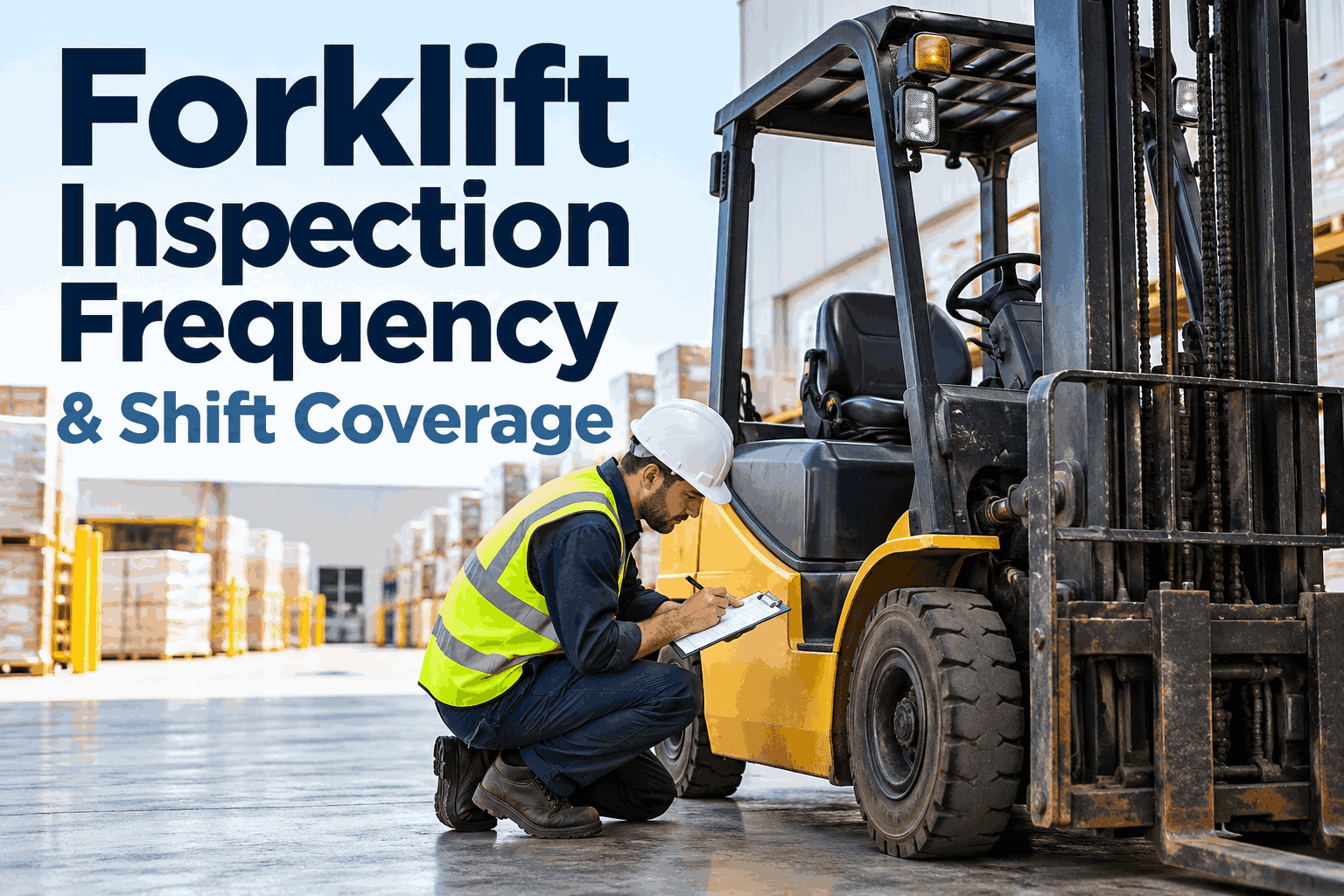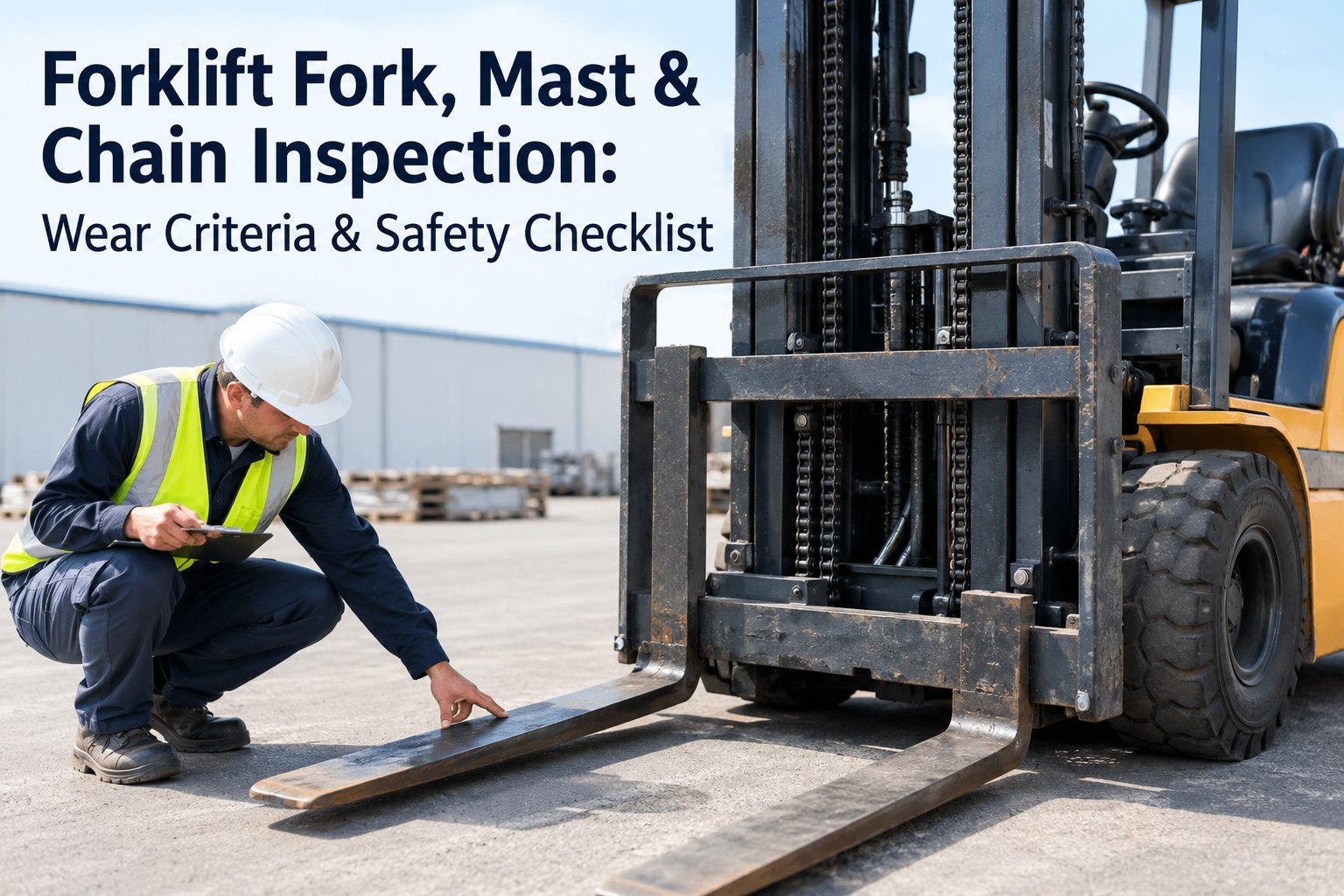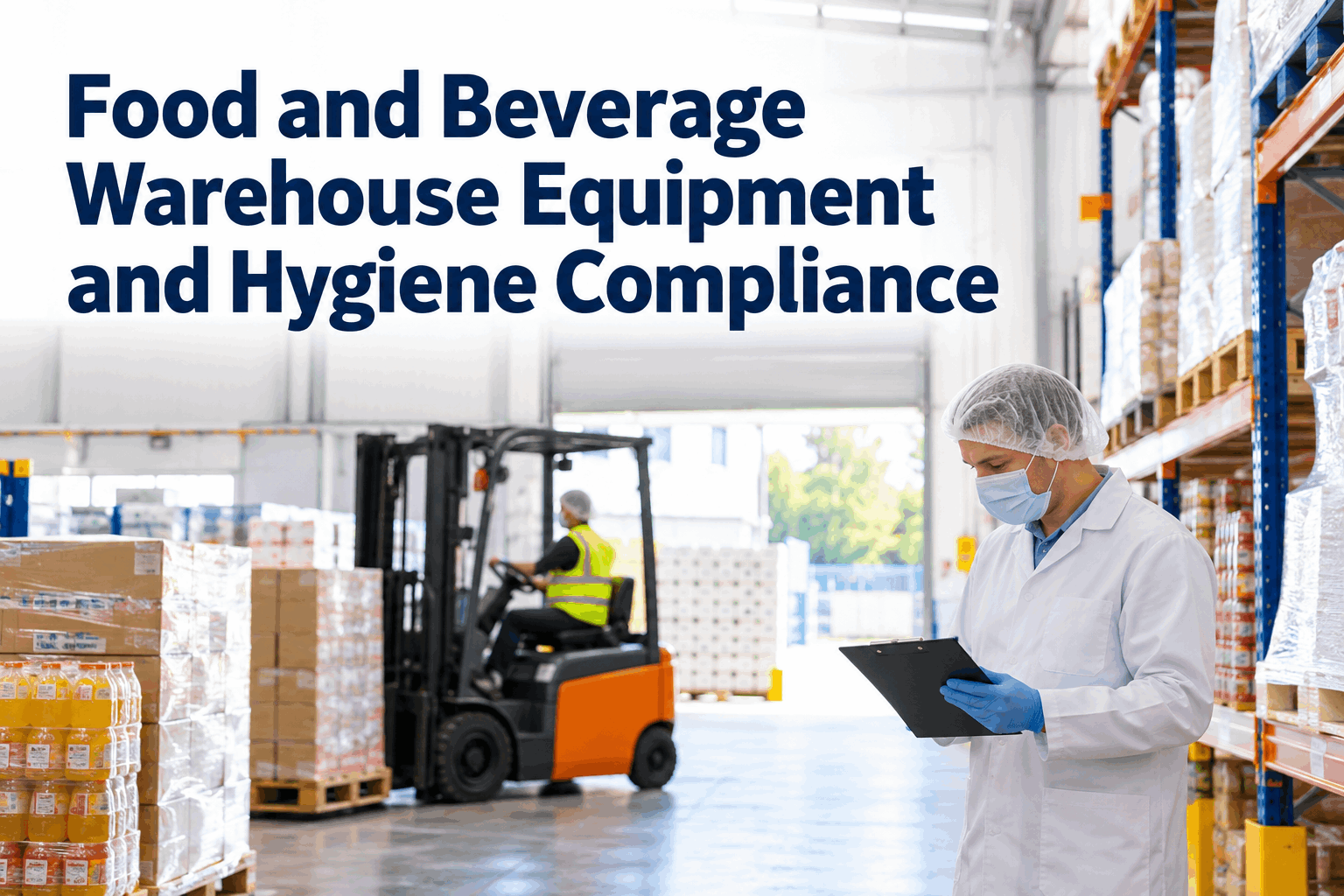
Food warehouse compliance has a hard truth behind it: in a food facility, the equipment is a food-contact surface. A forklift fork that touches a punctured sack, a conveyor that ran an allergen product this morning, a pallet with a cracked board holding wood splinters — each can contaminate product as surely as a dirty utensil. So equipment maintenance and hygiene aren't two programs, they're one — and on audit day you pass or fail on the records that prove it. Book a demo to see food-grade equipment and hygiene checks tracked in HVI.
Food Warehouse Compliance Is Won on the Record, Not the Intention
An auditor doesn't grade how clean you meant to be — they grade what you can prove. Hygiene, allergen control, pest management, temperature and equipment all come down to the same thing: a check that was done, dated and recorded. Build the record and the audit takes care of itself.
Standards like BRCGS Storage and Distribution, SQF, ISO 22000 and the FDA's FSMA all ask the same underlying question: can you show, with records, that your prerequisite programs are actually running? Good intentions and a clean-looking floor aren't evidence. Food warehouse compliance is the discipline of turning every hygiene, allergen, pest, temperature and equipment check into a dated, retrievable record.
5prerequisite programs an auditor checks — and each one lives or dies on records
Food warehouse compliance isn't one thing you pass — it's five prerequisite programs running at once, and an audit samples all of them. Each answers a different contamination risk, and each is only as strong as the records behind it.
Written SSOPs define what to clean, how, how often and with which chemicals — daily for high-contact surfaces, between product families for shared equipment, with verification by swab or visual check.
Allergen SKUs segregated by zone, dedicated or fully cleanable equipment, and cleaning validated before switching between allergen families — no co-mingling, with the cleaning proven.
An integrated program — exterior bait stations, interior monitors, documented inspections and trend analysis — with corrective actions logged when activity shows up.
Targets and tolerances by SKU category, continuous monitoring with alarms for deviations, and a documented response every time a reading drifts out of range.
The thread tying it together — calibration logs, cleaning verifications, pest reports, temperature charts and lot traceability, all retrievable for an audit or a recall.
Each of these is a set of checks that can be scheduled, done and recorded — which is exactly how a program becomes audit evidence. Book a demo to see all five programs tracked in one place.
In a food warehouse, the forklift is a food-contact riskthe equipment that moves product can also contaminate it — so hygiene is a maintenance item
The equipment that handles food isn't neutral. A fork, a clamp, a conveyor, a pallet — each contacts product or its packaging, so each is a contamination path if it's dirty, leaking the wrong lubricant, or damaged. That makes food-grade equipment care part hygiene and part maintenance, done together.
Smooth, cleanable surfaces and non-toxic, food-grade lubricants where equipment can contact product — so a leak or a wipe-down doesn't become a hazard.
Shared equipment cleaned between product families, high-contact points daily, to the SSOP standard — and the cleaning recorded, not just done.
No broken stringers, splinters or contamination on pallets and load-contact surfaces — a damaged pallet is a hygiene defect, not just a stability one.
Hydraulic weeps, oil drips and grease flung from a worn joint are contamination the moment they land — the maintenance defect is also a food-safety one.
Because the maintenance defect and the hygiene defect are the same event, catching one catches the other — if it's on the same inspection. Book a demo to see equipment hygiene checked alongside maintenance.
Sanitation runs on frequency, not feelthe SSOP decides how often — and the record proves it happened
"We keep it clean" doesn't survive an audit. Sanitation is defined by frequency tied to risk, and every clean is verified and logged. Here's how the cadence stacks for food-handling equipment and surfaces.
Anything touching product or packaging cleaned every shift to the SSOP standard, with a visual or swab check to verify.
Shared equipment cleaned and validated before changing allergen families or product types — the clean that prevents cross-contact.
Cold rooms, drains, floors and hard-to-reach areas on a scheduled deep clean, with moisture and floor integrity checked.
Every one of these needs a verification record — the swab result, the sign-off, the date — or in an audit it didn't happen. Sign up free and put sanitation on a verified schedule.
Allergen control is segregation plus proofcross-contact is invisible — the only defence is zones, cleaning and a validated record
An allergen doesn't announce itself. A trace of peanut from a shared fork or an uncleaned conveyor can injure a consumer and trigger a recall — with nothing visible to warn you. Allergen control is physical separation backed by cleaning you can prove worked.
Allergen SKUs stored and handled in clearly marked, separated zones so there's no accidental co-mingling on a rack or a pallet.
Equipment either dedicated to an allergen family or fully cleanable to a validated standard — no "good enough" between runs.
Cleaning between allergen families verified — a swab or test confirming the surface is clear before the next product runs.
The zone, the changeover clean and the validation recorded on every switch — the evidence that stands up in an allergen audit.
This sits alongside the cold-chain side of food logistics — see cold storage equipment maintenance, part of the wider warehouse equipment inspection picture that keeps every food-safety check on one record.
How a food warehouse runs compliance in HVIscheduled checks to corrective actions to an audit record that's always current
The point isn't more paperwork — it's less of it, done once. Each hygiene, allergen, pest and temperature check is scheduled and logged with a photo, any gap becomes a corrective action, and the whole compliance picture is something you hand an auditor instead of assembling the night before.
Equipment hygiene, sanitation, allergen, pest and temperature on their own intervals — done, verified and time-stamped with a photo.
A missed clean, a failed swab or a temperature excursion becomes a tracked corrective action — closed out, not just noted.
Every check and correction retrievable by date, area or asset — proof for BRCGS, SQF, FSMA or a mock recall, on demand.
That's the difference between hoping you'll pass and knowing you can show it. Book a demo to see the full food warehouse compliance record on your site.
From a food warehouse quality manager
We'd always passed audits, but every one was a week of panic — chasing sign-offs, rebuilding temperature charts, hunting for the pest reports. We were compliant; we just couldn't prove it quickly. The stress was all in the assembly.
Once the checks lived in one system with dates and photos, the audit changed character. The auditor asks for the allergen changeover records for a date and I pull them up in ten seconds. Same work, but now it's evidence as it happens instead of a scramble at the end. Compliance stopped being an event.
MH Marcus H.Quality Manager · Food & beverage distribution
Food warehouse compliance FAQs
What does food warehouse compliance involve?
Five prerequisite programs running together: equipment hygiene and sanitation, allergen control, pest management, temperature control, and records and traceability. Audit standards like BRCGS, SQF and the FDA's FSMA all judge whether you can prove these are running — so compliance is really the discipline of turning every check into a dated, retrievable record.
Why is equipment part of food warehouse hygiene?
Because the equipment contacts product. A fork, conveyor or pallet that's dirty, damaged or leaking non-food-grade lubricant is a contamination path just like a dirty utensil. That means food-grade materials, cleanable surfaces, sound pallets and no leaks over product are hygiene requirements and maintenance items at once — best checked on the same inspection.
How often should food-handling equipment be cleaned?
Frequency is set by risk in your SSOP: high-contact surfaces daily, shared equipment cleaned and validated between product or allergen families, and periodic deep cleans for cold rooms, drains and floors. Every clean is verified — by visual check or ATP swab — and recorded, because in an audit an unrecorded clean is treated as one that didn't happen.
How do you control allergens in a food warehouse?
Segregate allergen SKUs into clearly marked zones, use dedicated or fully cleanable equipment, and validate cleaning before switching between allergen families so there's no cross-contact. Crucially, log the zone, the changeover clean and its validation every time — allergen cross-contact is invisible, so the record is the only proof the control worked.
How does HVI help with food warehouse compliance?
HVI lets you schedule and log equipment hygiene, sanitation, allergen, pest and temperature checks with photos and timestamps, turn any gap into a tracked corrective action, and keep audit-ready records retrievable by date, area or asset. It supports the inspection and record-keeping workflow — it doesn't replace your HACCP plan, food safety program or the requirements of your audit scheme.
Make Food Warehouse Compliance Something You Can Prove Any Day
Put equipment hygiene, sanitation, allergen, pest and temperature checks on verified schedules, log every result and corrective action, and keep an audit-ready record — so food warehouse compliance is evidence you build as you go, not a scramble before the audit.