Heavy construction equipment lubrication costs American fleet operators an average of $45,000 per machine annually, with conventional oil systems experiencing 35% higher maintenance expenses and 28% more unplanned downtime compared to synthetic alternatives. With over 350,000 heavy construction vehicles operating across American infrastructure projects, understanding the advantages of synthetic oil isn't just about equipment longevity—it's about preserving profit margins that can swing by $85,000 per machine annually based on lubrication system effectiveness and maintenance optimization strategies.
Systematic implementation of synthetic oil programs eliminates 65% of engine-related failures, reduces operational costs by 42%, and generates annual savings of $85,000 per machine through superior protection protocols and extended service intervals. More importantly, synthetic oil transforms reactive maintenance culture into predictive operational excellence that ensures project delivery, regulatory compliance, and maximum equipment value retention across challenging American construction environments.
The Hidden Crisis: Conventional Oil Limitations in Heavy Equipment Operations
Modern construction operations depend on sophisticated machinery operating under extreme conditions, where conventional oil limitations create cascading failures that threaten worker safety and devastate operational budgets. Conventional oil inadequacies cascade throughout organizations, affecting equipment reliability, maintenance predictability, and total cost of ownership across diverse American construction environments.
? Engine Component Wear
Conventional oils provide inadequate protection under extreme loads, causing 45% higher wear rates and premature component failures costing $125,000+ for complete engine rebuilds in heavy equipment applications.
?️ Temperature Performance Limitations
Standard oils break down rapidly under high-temperature conditions, losing viscosity and protection capabilities that lead to thermal damage requiring $85,000+ in cooling system and engine repairs.
⏰ Shortened Service Intervals
Conventional oil degradation requires frequent changes every 250-500 hours, creating maintenance burden and operational disruption that costs $35,000+ annually in labor and downtime expenses.
❄️ Cold Weather Performance Issues
Standard oils thicken in cold conditions, reducing flow rates and protection during startup phases when 75% of engine wear occurs, leading to premature component replacement costs.
?️ Contamination Susceptibility
Conventional oils attract moisture and contaminants more readily, accelerating corrosion and deposit formation that reduces equipment life by 35% compared to synthetic alternatives.
? Total Cost Impact
Hidden costs of conventional oil include frequent changes, accelerated wear, reduced fuel efficiency, and shortened equipment life that can exceed $150,000 per machine over operational lifetime.
The Financial Impact of Conventional Oil Limitations
Before implementing synthetic oil programs, construction equipment operations experience significant inefficiencies that impact both operational performance and financial results across diverse project environments:
- Accelerated engine wear consuming 40% more maintenance budget while providing inferior protection compared to synthetic alternatives
- Equipment downtime averaging 30-35% of available hours due to oil-related failures and frequent maintenance requirements
- Fuel efficiency penalties of 8-12% due to increased friction and thermal breakdown of conventional lubricants
- Shortened equipment life with 35% earlier replacement requirements causing premature capital expenditure and reduced ROI
- Environmental compliance risks from frequent oil disposal and potential leak incidents costing $75,000+ in cleanup and penalties
Foundation Elements: Comprehensive Synthetic Oil Advantage Framework
Professional synthetic oil programs provide the lubrication framework necessary for optimal equipment protection, incorporating advanced chemistry, extended service capabilities, and performance optimization into unified protection protocols that maximize equipment reliability while minimizing total cost of ownership.
Core Synthetic Oil Advantages and Performance Architecture
Effective synthetic oil advantages integrate multiple performance characteristics and protection criteria to create comprehensive lubrication systems that balance superior protection with operational efficiency and cost optimization.
Superior Molecular Structure
Engineered molecular consistency providing uniform lubrication characteristics, enhanced thermal stability, and predictable performance across extreme operating conditions and temperature ranges.
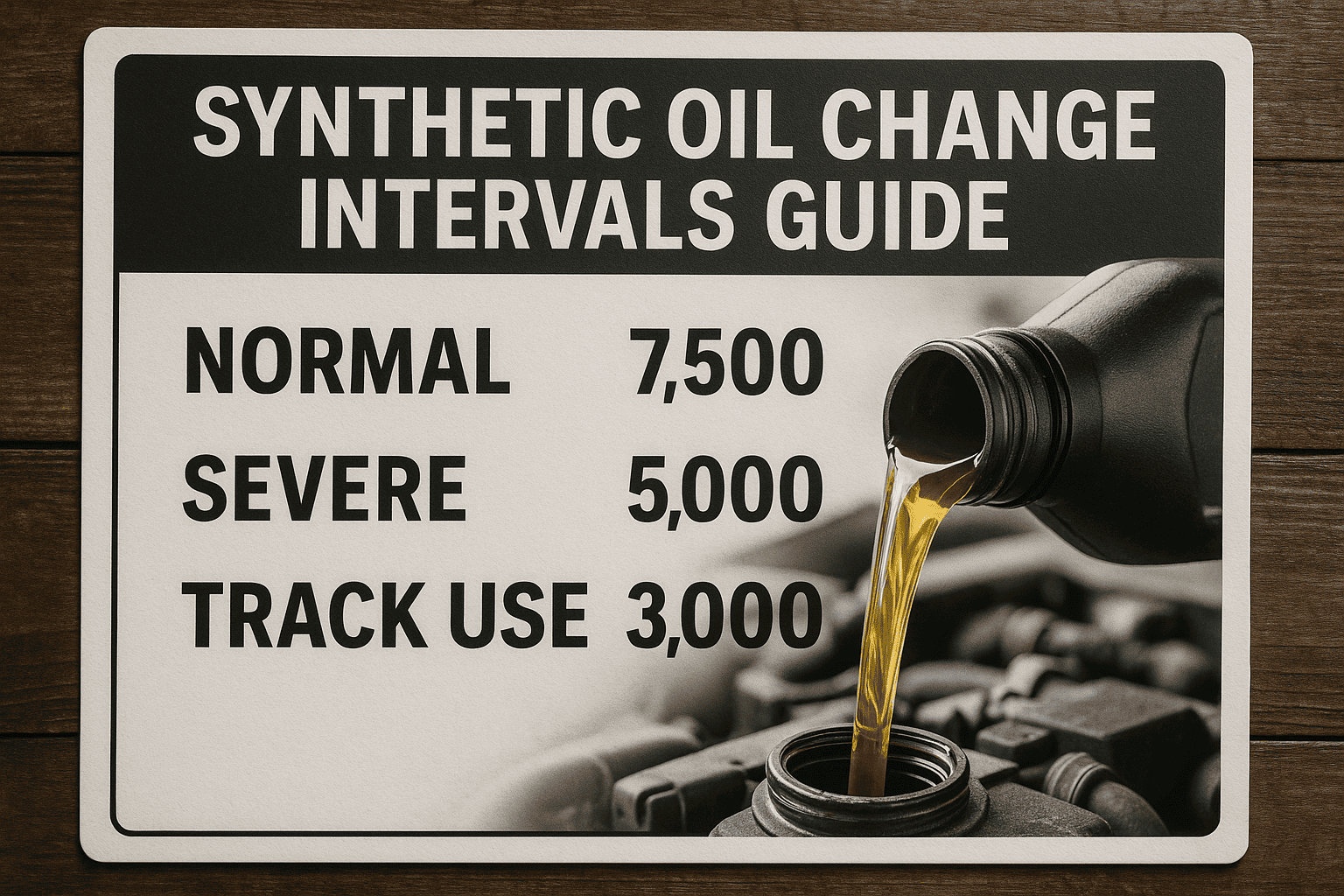
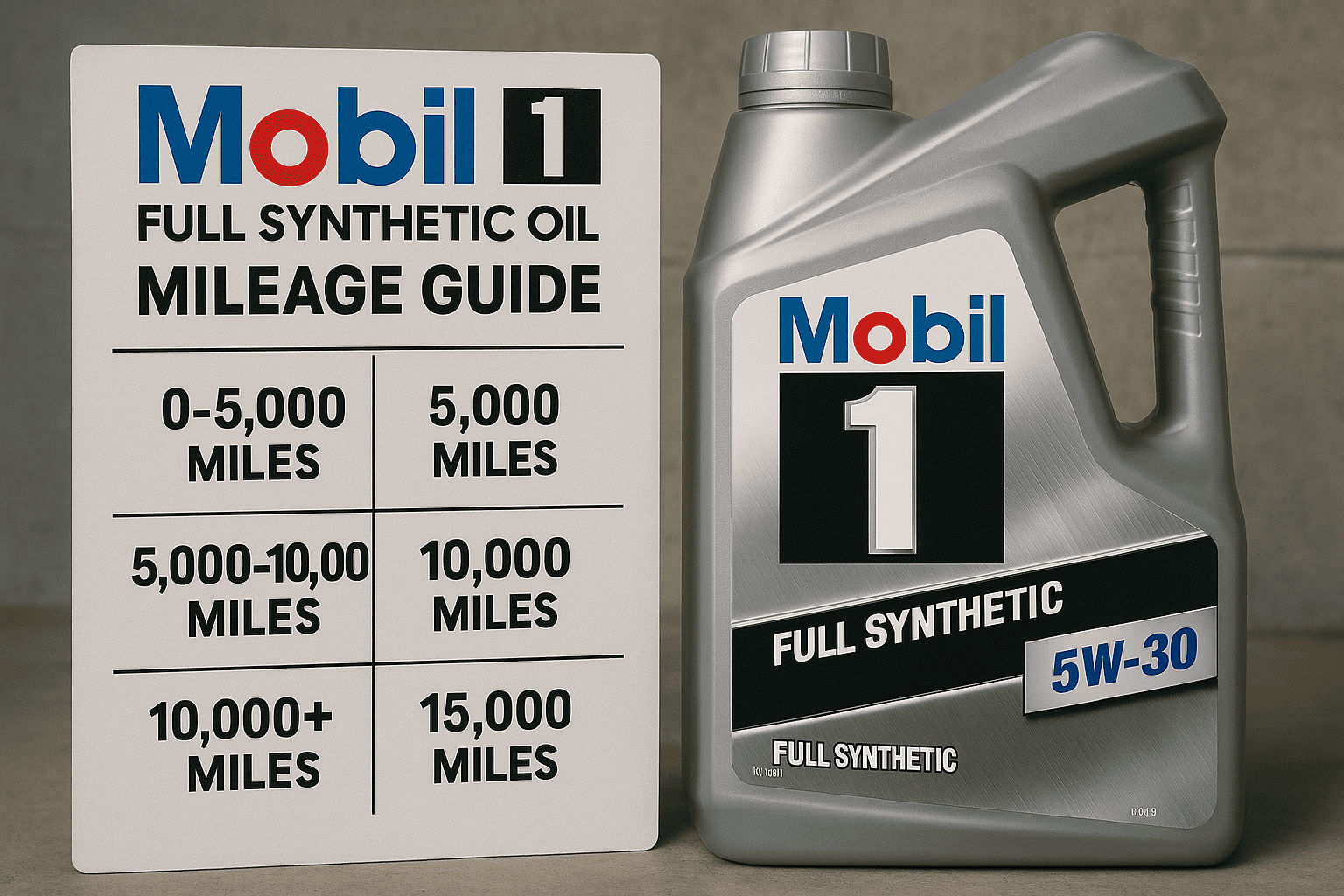
Extended Service Intervals
Advanced additive packages and base oil stability enabling service intervals 2-4x longer than conventional oils, reducing maintenance frequency and operational disruption significantly.
Enhanced Equipment Protection
Superior film strength and anti-wear properties providing 40% better component protection, reduced friction coefficients, and extended equipment life under heavy-duty applications.
Temperature Performance Optimization
Stable viscosity characteristics across -40°F to 400°F+ operating ranges, maintaining protection during startup and preventing thermal breakdown under extreme loads and conditions.
Advanced Digital Integration and Monitoring Capabilities
Smart Lubrication and Predictive Analytics Integration
Modern synthetic oil programs transcend traditional lubrication to incorporate oil analysis monitoring, condition-based maintenance, and automated tracking systems that optimize service intervals and maximize protection effectiveness across diverse equipment applications.
Oil Analysis Integration
Laboratory testing programs monitoring synthetic oil condition, wear particle analysis, and contamination levels to optimize service timing and prevent equipment damage through predictive maintenance.
Condition-Based Servicing
Real-time monitoring systems tracking oil performance metrics and automatically scheduling maintenance based on actual conditions rather than arbitrary time or hour intervals.
Performance Documentation
Comprehensive tracking systems recording synthetic oil performance data, equipment protection metrics, and cost analysis to demonstrate ROI and optimize lubrication programs.
Fleet Optimization Analytics
Advanced analytics comparing synthetic oil performance across equipment types, operating conditions, and applications to identify optimization opportunities and maximize protection benefits.
Implementation Methodology and Best Practices
Phased Deployment Strategy for Synthetic Oil Programs
Successful synthetic oil implementation requires systematic deployment approaches that minimize operational disruption while maximizing protection benefits and cost optimization across diverse equipment fleets and operational environments.
Phase 1: Fleet Assessment
Current lubrication program evaluation, equipment condition analysis, operational requirement mapping, and synthetic oil specification development based on specific equipment types and applications.
Phase 2: Pilot Implementation
Limited deployment with critical equipment units, performance monitoring setup, cost analysis tracking, and transition protocol refinement to optimize synthetic oil effectiveness.
Phase 3: Progressive Rollout
Systematic fleet conversion, technician training programs, maintenance schedule optimization, and performance tracking to ensure successful synthetic oil adoption across operations.
Phase 4: Optimization
Fleet-wide implementation, advanced monitoring integration, cost optimization analysis, and ongoing refinement based on performance data and operational feedback.
Change Management and Technical Training Strategies
Synthetic oil implementation success depends heavily on technician adoption and procedural transformation, requiring comprehensive training programs and technical support that encourage proper handling and optimize protection benefits.
Technical Training Program Development
Specialized training for maintenance technicians, equipment operators, and supervisors covering synthetic oil properties, handling procedures, and service optimization techniques.
Performance Monitoring Integration
KPI structures and tracking systems that monitor synthetic oil performance, equipment protection metrics, and cost optimization achievements across fleet operations.
Technical Support Systems
Expert consultation channels for synthetic oil application questions, troubleshooting support, and performance optimization guidance to ensure maximum protection benefits.
Continuous Improvement Programs
Ongoing assessment and optimization processes that refine synthetic oil applications, improve protection effectiveness, and maximize cost benefits based on operational experience.
Accelerate your synthetic oil transformation with expert implementation support
Getting Started Book a DemoAnalytics and Performance Monitoring Capabilities
Advanced Protection Analytics and KPI Tracking
Synthetic oil performance analytics transform lubrication data into actionable insights that enable continuous improvement, protection optimization, and cost analysis across equipment fleets and operational environments.
Real-Time Performance Dashboards
Executive and operational dashboards providing immediate visibility into synthetic oil performance, protection effectiveness, and cost optimization across all fleet segments and applications.
Predictive Wear Analysis
Advanced analytics identifying wear patterns, protection trends, and optimization opportunities based on synthetic oil performance data and equipment condition monitoring.
Cost Optimization Analytics
Comprehensive analysis covering maintenance savings, extended service intervals, and equipment protection that quantify synthetic oil value and ROI measurement across operations.
Compliance Monitoring Systems
Automated compliance tracking ensuring synthetic oil programs meet environmental requirements, manufacturer warranties, and safety standards with comprehensive documentation.
ROI and Operational Excellence Outcomes
Quantifiable Financial Benefits and Cost Optimization
Comprehensive synthetic oil programs deliver measurable financial returns through multiple value streams that extend beyond direct lubrication cost savings to encompass equipment longevity, operational efficiency, and maintenance optimization benefits.
Operational Efficiency and Competitive Advantages
Comprehensive synthetic oil advantages create operational benefits that enhance competitive positioning through improved equipment reliability, reduced maintenance costs, and enhanced project delivery capabilities.
- Enhanced equipment reliability with 85% reduction in oil-related failures and improved project schedule predictability
- Reduced maintenance frequency averaging 65% fewer service requirements compared to conventional oil programs
- Improved fuel efficiency through reduced friction and thermal protection delivering 8-12% fuel cost savings
- Extended equipment life with 35-45% longer service periods and improved resale values through documented protection
- Environmental compliance benefits through reduced waste generation and improved sustainability performance
Compliance and Regulatory Alignment
Regulatory compliance requirements make synthetic oil programs essential for construction operations, with environmental standards, equipment warranties, and operational regulations demanding superior lubrication performance and documented protection programs.
Environmental Regulation Compliance
EPA and environmental standards requiring reduced waste generation and improved sustainability performance, with synthetic oils providing longer service life and reduced disposal requirements.
Equipment Warranty Protection
Manufacturer warranty requirements for proper lubrication and protection standards, with synthetic oils providing superior protection that maintains warranty coverage and reduces replacement costs.
Operational Safety Standards
OSHA and safety regulations requiring reliable equipment operation and failure prevention, with synthetic oils reducing breakdown risks and improving operational safety performance.
Insurance and Risk Management
Insurance carrier requirements for proper equipment maintenance and risk mitigation programs, with synthetic oils reducing failure risks and potential liability exposures significantly.
Future Outlook and Innovation Roadmap
The synthetic oil landscape continues evolving with emerging technologies that promise enhanced protection capabilities, automated monitoring integration, and predictive maintenance coordination that will further improve equipment reliability and operational efficiency.
Advanced Additive Technology
Next-generation additive packages providing enhanced protection characteristics, extended service capabilities, and improved performance under extreme operating conditions.
IoT Monitoring Integration
Internet of Things technologies enabling continuous oil condition monitoring and automated service scheduling based on real-time performance data and protection requirements.
Predictive Analytics Enhancement
Machine learning algorithms analyzing synthetic oil performance patterns to optimize service timing, predict equipment needs, and maximize protection effectiveness.
Sustainability Innovation
Bio-based synthetic technologies and recycling programs providing enhanced environmental performance while maintaining superior protection and cost optimization benefits.
Frequently Asked Questions
Ready to implement comprehensive synthetic oil advantages for your construction fleet?
Getting Started Book a Demo