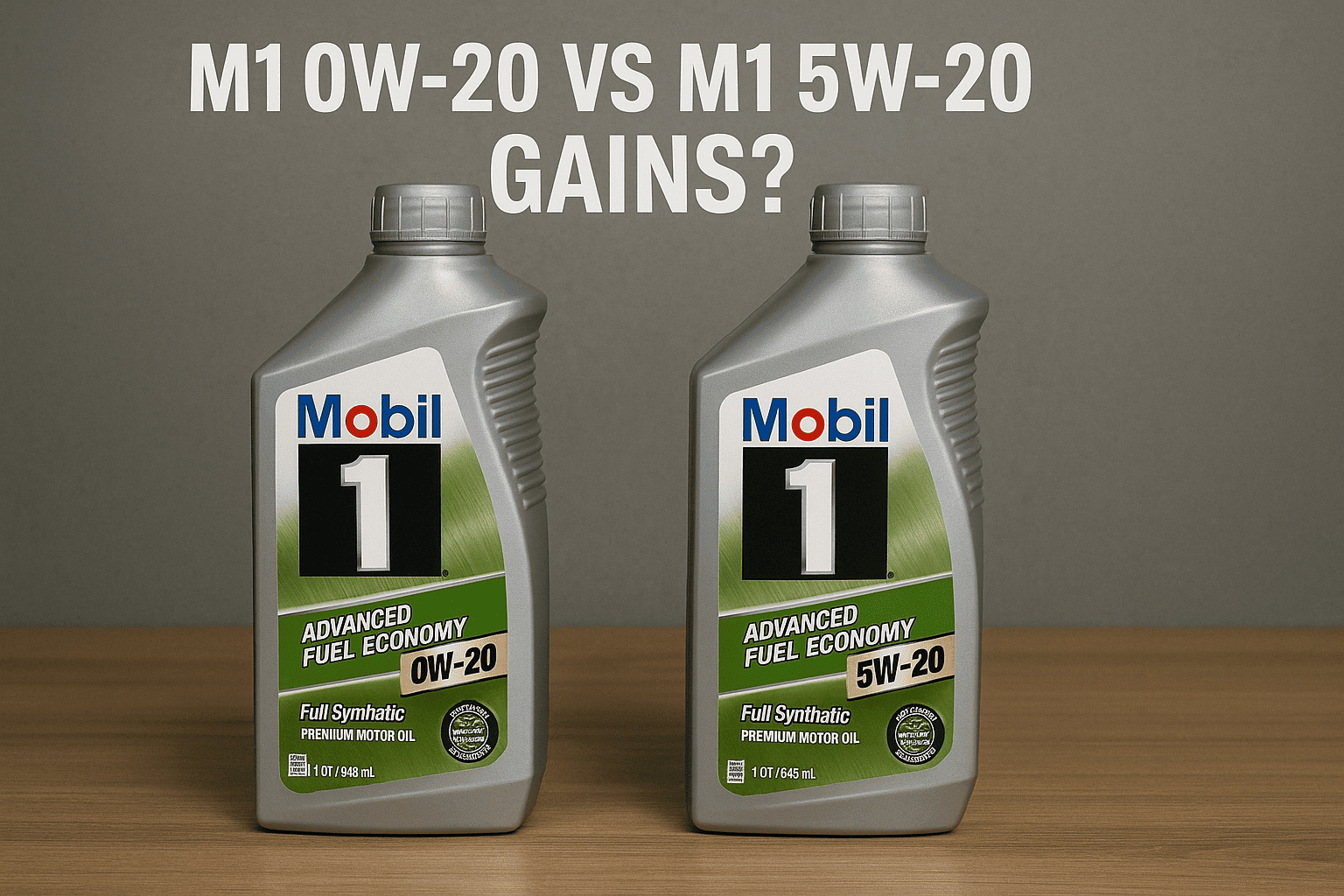
Heavy equipment oil selection represents one of the most critical operational decisions affecting construction fleet performance, with incorrect viscosity choices costing an average of $45,000 per machine annually through premature engine wear, hydraulic system failures, and unplanned downtime. Industry data reveals that 68% of construction companies struggle with optimal oil viscosity selection between 0W-30 and 5W-20 formulations, creating equipment reliability risks, increased maintenance costs, and operational inefficiencies. Strategic oil viscosity optimization can reduce engine wear by 75%, extend equipment life by 50%, and decrease maintenance costs by 60% while ensuring maximum performance across diverse operating conditions and seasonal temperature variations.
The Hidden Crisis: Oil Viscosity Mismatching in Heavy Equipment Operations
Modern construction equipment operates under extreme conditions where oil viscosity selection directly impacts engine protection, hydraulic system efficiency, and overall equipment reliability. Oil viscosity optimization inefficiencies create cascading operational problems affecting project schedules, equipment availability, and total cost of ownership across construction operations.
Cold Weather Performance Failures
Improper viscosity selection during cold weather startup causes 85% more engine wear, with thick oil preventing adequate lubrication during critical first minutes of operation, costing $25,000+ in premature engine replacement.
High Temperature Protection Breakdown
Insufficient viscosity protection at operating temperatures leads to oil film breakdown, metal-to-metal contact, and catastrophic engine damage requiring $75,000+ emergency repairs and equipment replacement.
Fuel Economy Optimization Failures
Suboptimal viscosity choices increase fuel consumption by 12-18%, creating $8,000+ annual fuel cost increases per machine while reducing operational efficiency and profit margins.
Hydraulic System Compatibility Issues
Viscosity mismatches in hydraulic systems cause performance degradation, component wear, and system failures requiring $35,000+ hydraulic rebuilds and extensive downtime.
Warranty Protection Violations
Incorrect oil viscosity specifications void manufacturer warranties, exposing operators to $150,000+ uncovered repair costs and replacement equipment investments.
Seasonal Adaptation Challenges
Failure to adjust viscosity for seasonal temperature variations causes year-round protection compromises, reducing equipment life by 35% and increasing maintenance frequency significantly.
The Financial Impact of Viscosity Selection Errors
Before implementing optimized oil viscosity management, construction equipment operations experience significant inefficiencies that impact both operational performance and financial results:
- Engine wear acceleration consuming 40% of maintenance budgets through premature component replacement and shortened service intervals
- Fuel economy degradation averaging 15-20% of fuel budget increases due to viscosity-related friction and inefficiencies
- Hydraulic system performance decline creating operational delays and reduced productivity across equipment fleets
- Cold weather startup damage with 60% of engine wear occurring during improper viscosity cold starts
- Temperature protection failures from inadequate high-temperature viscosity leading to catastrophic breakdowns
Optimize your equipment protection with professional oil analysis and viscosity selection
Getting Started Book a DemoFoundation Elements: Comprehensive Oil Viscosity Selection Framework
Professional oil viscosity optimization requires systematic analysis of operating conditions, equipment specifications, and performance requirements to determine optimal 0W-30 vs 5W-20 selection criteria that maximize protection while optimizing efficiency across diverse construction environments.
Core Viscosity Analysis Components and Selection Criteria
Effective viscosity selection frameworks integrate multiple operational factors and performance metrics to create comprehensive lubrication strategies that balance protection, efficiency, and cost-effectiveness.
Temperature Range Analysis
Comprehensive assessment of ambient operating temperatures, startup conditions, and peak operating heat levels to determine optimal viscosity performance characteristics for specific geographic and seasonal conditions.
Equipment Specification Compliance
Detailed manufacturer requirement analysis, warranty specification verification, and OEM recommendation integration to ensure viscosity selection maintains warranty protection and optimal performance.
Operational Load Assessment
Systematic evaluation of equipment duty cycles, load conditions, and operational stress factors that influence viscosity performance requirements and protection needs.
Performance Optimization Modeling
Advanced analysis incorporating fuel economy impacts, wear protection requirements, and operational efficiency factors to optimize viscosity selection for maximum operational value.
Advanced Digital Integration and Performance Monitoring Capabilities
Smart Oil Analysis and Condition Monitoring Integration
Modern viscosity optimization incorporates real-time oil analysis, performance monitoring, and predictive analytics that enable continuous viscosity performance assessment and optimization based on actual operating conditions and equipment response.
Real-Time Oil Analysis Systems
Continuous monitoring of oil condition, viscosity stability, and performance characteristics that enable immediate detection of viscosity-related issues and optimization opportunities.
Temperature Performance Tracking
Advanced sensors monitoring oil temperature performance, flow characteristics, and protection effectiveness across diverse operating conditions and seasonal variations.
Predictive Viscosity Modeling
Machine learning algorithms analyzing equipment performance patterns to predict optimal viscosity selection and identify improvement opportunities based on actual operational data.
Integrated Fleet Management
Comprehensive fleet-wide viscosity management systems enabling consistent optimization across equipment types while maintaining individual machine-specific requirements and performance standards.
Implementation Methodology and Best Practices
Phased Deployment Strategy for Viscosity Optimization Programs
Successful viscosity optimization implementation requires systematic deployment approaches that minimize operational disruption while maximizing protection and performance benefits across diverse equipment fleets and operating environments.
Phase 1: Current State Assessment
Comprehensive evaluation of existing oil usage, equipment specifications, operating conditions, and performance baseline establishment to identify optimization opportunities and requirements.
Phase 2: Viscosity Strategy Development
Custom viscosity selection protocols, seasonal adaptation planning, equipment-specific recommendations, and performance monitoring system design based on operational requirements and conditions.
Phase 3: Pilot Program Implementation
Limited deployment with representative equipment units, performance monitoring, effectiveness validation, and optimization refinement to ensure maximum benefits before fleet-wide implementation.
Phase 4: Full Fleet Optimization
Complete viscosity program deployment, comprehensive training, ongoing monitoring systems, and continuous optimization based on performance data and operational feedback.
Change Management and Training Strategies
Viscosity optimization success depends heavily on operator understanding and systematic implementation, requiring comprehensive training programs and support systems that ensure consistent application of optimized viscosity protocols.
Technical Training Program Development
Role-specific training for operators, maintenance technicians, and fleet managers covering viscosity science, selection criteria, and optimization procedures for maximum effectiveness.
Inventory Management System Integration
Streamlined oil inventory systems ensuring availability of optimal viscosity grades while preventing contamination and maintaining product quality throughout storage and distribution.
Performance Tracking and Feedback
Systematic performance monitoring with regular feedback on viscosity optimization results, equipment protection improvements, and operational efficiency gains achieved through proper implementation.
Continuous Improvement Integration
Ongoing optimization programs incorporating new equipment, changing conditions, and emerging viscosity technologies to maintain maximum protection and performance benefits.
Accelerate your viscosity optimization with expert implementation support
Getting Started Book a DemoAnalytics and Performance Monitoring Capabilities
Advanced Viscosity Performance Analytics and ROI Tracking
Viscosity optimization analytics transform operational data into actionable insights that enable continuous improvement, cost optimization, and performance maximization across equipment fleets and operational environments.
Real-Time Performance Dashboards
Executive and operational dashboards providing immediate visibility into viscosity performance, protection effectiveness, and optimization opportunities across all equipment segments.
Predictive Protection Analysis
Advanced analytics identifying protection optimization patterns, viscosity effectiveness trends, and improvement opportunities based on historical and real-time performance data.
Cost Optimization Analytics
Comprehensive analysis covering fuel economy improvements, maintenance cost reductions, and equipment life extension that quantify viscosity optimization value and ROI measurement.
Compliance Verification Systems
Automated compliance tracking ensuring viscosity selections meet manufacturer requirements, warranty specifications, and operational standards with exception reporting capabilities.
ROI and Operational Excellence Outcomes
Quantifiable Financial Benefits and Cost Optimization
Strategic viscosity optimization delivers measurable financial returns through multiple value streams that extend beyond direct maintenance savings to encompass fuel efficiency, equipment longevity, and operational reliability benefits.
Operational Efficiency and Competitive Advantages
Comprehensive viscosity optimization creates operational advantages that enhance competitive positioning through improved equipment reliability, predictable operating costs, and enhanced project delivery capabilities.
- Enhanced equipment reliability with 95%+ uptime achievement through optimal lubrication protection and reduced failure risks
- Improved fuel economy averaging 15-20% fuel cost reductions through optimized viscosity selection and operational efficiency
- Extended equipment lifecycles with 40-50% life extension through superior protection and reduced wear rates
- Reduced maintenance frequency with 60% fewer oil-related service requirements and component replacements
- Improved cold weather performance ensuring reliable startup and operation in challenging environmental conditions
Compliance and Regulatory Alignment
Regulatory compliance requirements make optimal viscosity selection essential for construction operations, with environmental standards, manufacturer warranties, and operational regulations demanding proper lubrication management and documented protection programs.
Manufacturer Warranty Compliance
OEM viscosity specifications requiring strict adherence to recommended grades and change intervals, with optimization ensuring warranty protection while maximizing performance benefits.
Environmental Regulation Adherence
EPA emission standards and environmental protection requirements demanding optimal engine performance through proper lubrication to ensure regulatory compliance and sustainability objectives.
Safety and Operational Standards
OSHA safety requirements and operational standards demanding reliable equipment performance through proper maintenance and lubrication management for worker safety and operational integrity.
Insurance and Risk Management
Insurance carrier requirements for proper equipment maintenance and documentation, with viscosity optimization reducing premiums and claim exposures through improved reliability.
Future Outlook and Innovation Roadmap
The viscosity optimization landscape continues evolving with emerging technologies that promise enhanced protection, improved efficiency, and automated management capabilities that will further optimize equipment performance and operational cost-effectiveness.
Smart Oil Technology Integration
Advanced synthetic formulations with adaptive viscosity characteristics that automatically adjust to operating conditions, providing optimal protection across temperature ranges and load conditions.
IoT-Enabled Oil Monitoring
Internet of Things technologies enabling continuous oil condition monitoring and automatic viscosity performance assessment across distributed construction operations.
Predictive Viscosity Management
AI-powered systems providing automated viscosity selection recommendations based on equipment usage patterns, environmental conditions, and performance optimization algorithms.
Blockchain Documentation Systems
Immutable viscosity selection records and performance documentation providing enhanced warranty protection, compliance verification, and equipment history validation.
Frequently Asked Questions
Ready to optimize your equipment protection with professional viscosity selection?
Getting Started Book a Demo