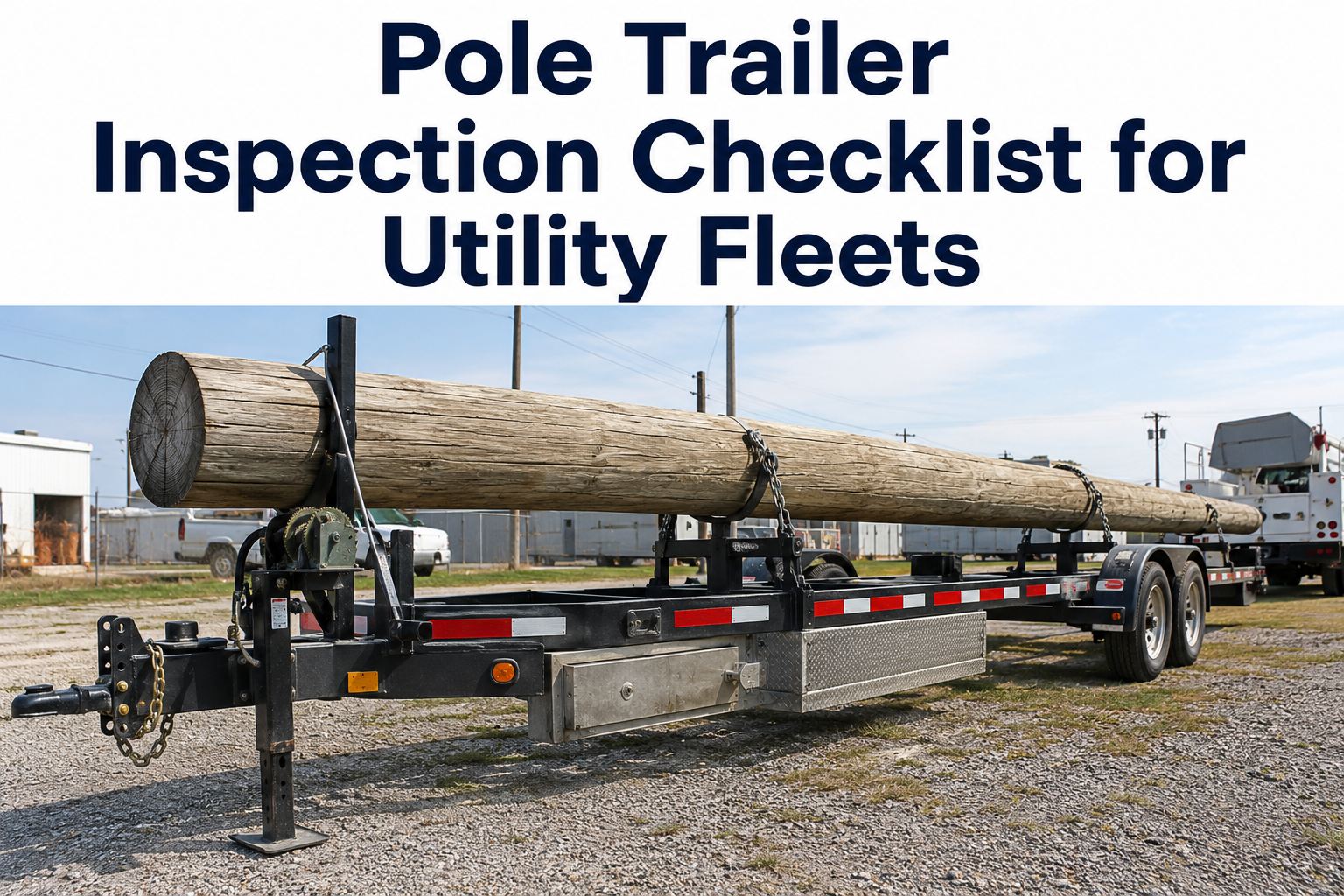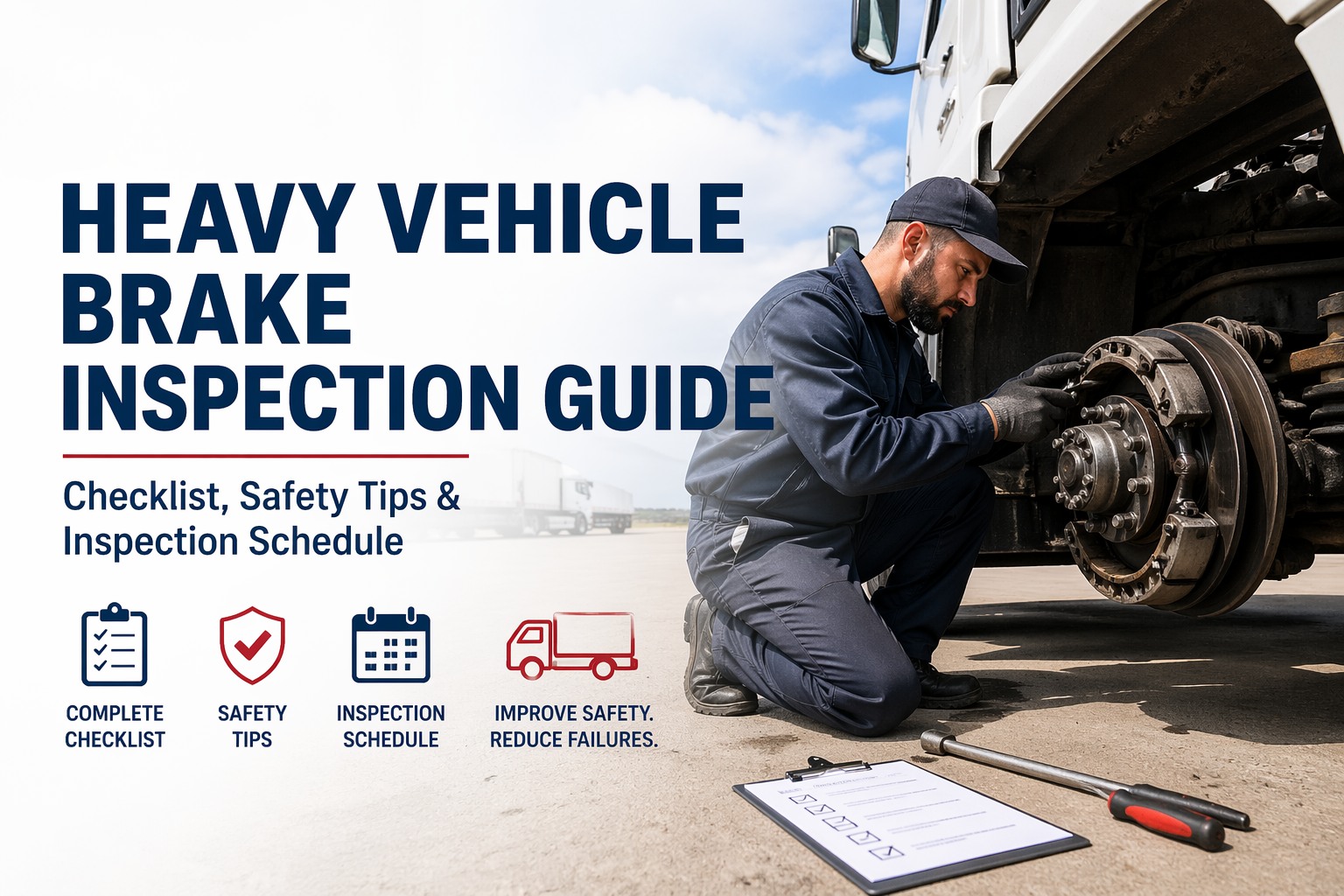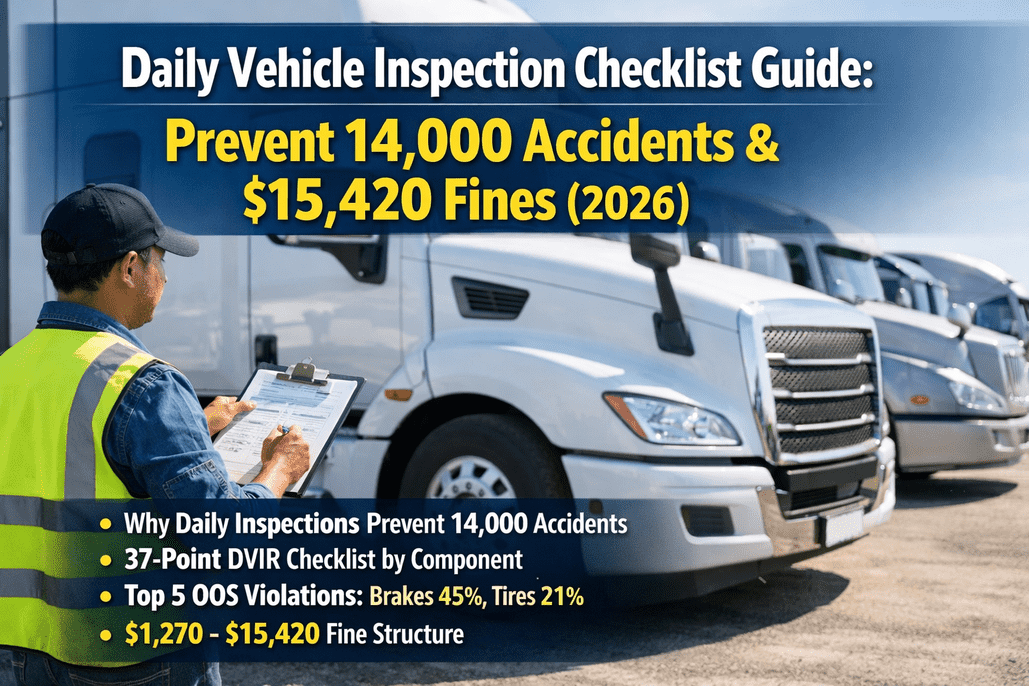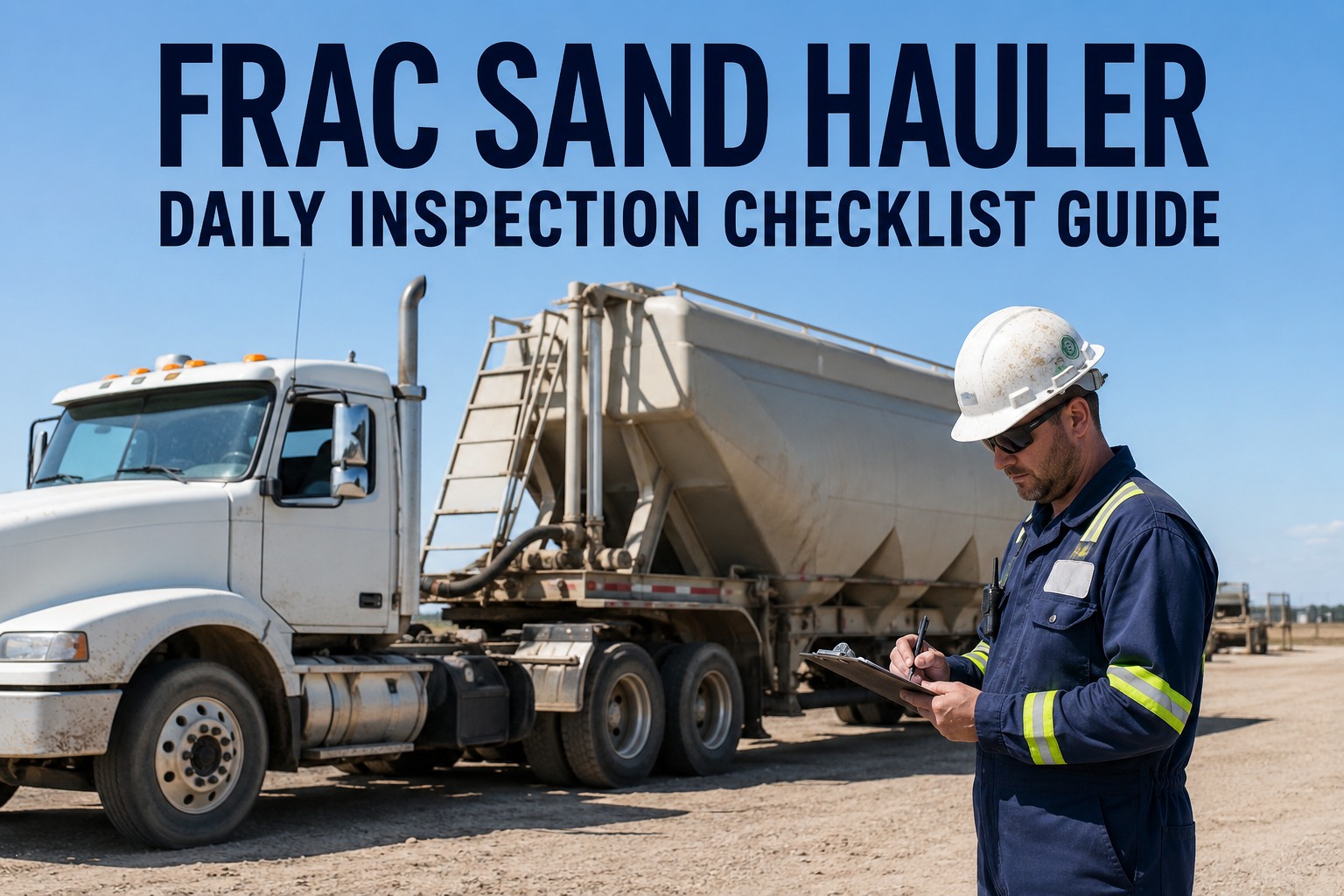
A frac sand hauler is two machines in one: a DOT-regulated tractor-trailer that has to survive long oilfield runs, and a pneumatic delivery system that moves abrasive proppant under pressure. Both have to pass the daily inspection, because a failure in either one is costly. A brake or tire defect is a roadside out-of-service order and a wreck risk; a worn discharge hose, a leaking valve, or a failed seal is a blown offload, lost product, and — most seriously — a release of respirable crystalline silica, which OSHA classifies as a carcinogen that causes debilitating, irreversible respiratory disease. That dual nature is exactly why a generic truck checklist isn't enough for a sand hauler. The pneumatic side — the hoppers, the blower, the valves, the conveying hoses, the pressure-relief system, and the seals that keep silica contained — needs its own inspection points alongside the standard roadworthiness checks. This guide is your frac sand hauler daily inspection checklist: the pneumatic system anatomy, the system-by-system pre-trip, the dust-containment seal points, the load securement and DOT items, and how to document every inspection for API RP 75 and DOT compliance. book a 30-minute walkthrough to see it set up for your fleet.
A sand hauler is a DOT truck and a pressurized silica system. The daily check has to cover both.
HVI runs the frac sand hauler daily inspection from a phone — pneumatic hoppers, blower, valves, conveying hoses, pressure relief, and dust seals, plus brakes, tires, and load securement — flags any defect, tags an unsafe unit out of service, and keeps the DOT and API RP 75 record.
Two hazards, one inspection
The sand hauler's daily check guards against two very different failures at once. Skipping either side carries its own consequence.
The roadworthiness hazard
A heavy, frequently-loaded trailer on rough lease roads punishes brakes, tires, and suspension. A defect here is a roadside out-of-service order, a CSA hit, and a crash risk on a fully-loaded run.
The silica-dust hazard
Crystalline silica is the major constituent of frac sand and an OSHA-classified carcinogen. A worn seal, cracked hose, or leaking valve releases respirable dust that causes irreversible respiratory disease.
A generic truck checklist covers the chassis and misses the pneumatic system entirely — which is exactly where a sand hauler's unique failures live. The hoppers, blower, valves, conveying hoses, and dust seals don't appear on a standard pre-trip, yet they're the components that blow an offload or release silica. The sand hauler needs a checklist built for both halves of the machine.
How a pneumatic sand trailer works
You can't inspect what you don't understand. The pneumatic system has a simple flow path — and every point on it is an inspection point.
Storage hoppers & vents
A series of pressure-rated hoppers holds the sand, each with a top vent hatch that releases pressurized air during loading. Inspect hatch seals, gaskets, and structure for leaks and damage.
Blower & air system
The blower generates the air pressure that forces sand from the hoppers through the conveying line. Check oil level, belts, intake filter, and air lines for leaks or wear before every offload.
Discharge & relief valves
Butterfly or discharge valves at each hopper outlet meter sand into the conveying line, and the pressure-relief valve protects the system. Verify they seat, seal, and operate freely.
Conveying hoses & couplings
The material-conveying hoses and quick-couplings carry abrasive sand under pressure and wear from the inside. Inspect for thinning, cracks, soft spots, and worn coupling gaskets.
Every junction on that path — hatch, valve seat, hose, coupling — is both a pressure point and a potential silica leak. sign up free and inspect the full pneumatic system on every trip, or book a demo to see sand-hauler-specific templates.
The daily inspection checklist
This is the full pre-trip, covering both halves of the machine. Each item is a pass-or-pull decision before the unit loads or rolls.
The pneumatic and dust items are what set this apart from a standard trailer pre-trip — a generic checklist would pass a hauler with a worn discharge-hose lining or a failed hatch seal, the exact faults that blow an offload or release silica. HVI builds the pneumatic and chassis items into one sand-hauler template.
The silica seal points: where dust escapes
Respirable crystalline silica escapes at predictable points, and the daily inspection is the first line of containment. These are the seals to watch hardest.
Vent hatches
Pressurized air vents through top hatches during loading, carrying dust with it if the seal or filter is compromised. Confirm hatch seals and any dust-containment filter are intact.
Valves & hopper outlets
A discharge valve that doesn't seat lets sand and dust weep at the outlet. Verify each valve seals fully closed so containment holds between offloads.
Hose connections
Couplings and conveying-hose joints are where dust escapes under pressure during transfer. Worn coupling gaskets and cracked hoses are direct release points to fix.
and preventable. Prolonged exposure to even low levels of respirable crystalline silica causes silicosis and other debilitating, irreversible respiratory disease — there is no cure, only prevention. The seals, hatches, valves, and hoses on a sand hauler are the engineering controls that keep that dust contained, and the daily inspection is what verifies they're working. Catching a failed seal on a pre-trip protects every worker around the offload. HVI documents each seal point on every inspection.
Load securement & DOT compliance
The chassis side still has to meet federal standards, and a sand hauler's weight makes the roadworthiness items unforgiving. These are the DOT checkpoints that keep a loaded unit legal and safe.
Brakes & air
A fully-loaded sand trailer demands flawless brakes. Check adjustment, lining, chambers, and air lines — brakes are the leading roadside out-of-service category.
Tires under load
Heavy proppant loads punish tires. Verify tread depth, pressure, sidewall condition, and lug nuts — tire defects are a fast path to an out-of-service order.
Coupling & documentation
Fifth wheel locked and tugged, glad hands sealed, and the inspection itself documented — the record that satisfies DOT and the API RP 75 SEMS framework.
The same documented pre-trip that keeps the unit DOT-legal is the evidence an API RP 75 SEMS audit and the operator's contractor-oversight program both require. sign up free and document every sand-hauler inspection for DOT and SEMS.
Paper checklists vs. HVI
Both technically record a pre-trip. Only one covers the pneumatic system and dust seals, tags an unsafe unit out of service, and produces the DOT and API RP 75 record an oilfield operator needs.
Paper / generic
- Generic checklist skips the pneumatic system entirely
- Worn discharge hoses & failed seals missed
- Silica release points never inspected
- Defects noted on paper, repairs unverified
- No record for a DOT or API RP 75 SEMS audit
- Contractor sand-hauler condition invisible to the operator
With HVI software
- Sand-hauler template covers chassis & pneumatic system
- Hoppers, blower, valves & hoses all inspected
- Dust seal points checked and documented every trip
- Every defect auto-creates a tracked work order
- DOT & SEMS-ready records export in minutes
- Owned & contractor haulers in one program
covered, every trip. A frac sand hauler fails in two directions — a roadside out-of-service order from the chassis, or a blown offload and silica release from the pneumatic system. A checklist built for both, run every trip and documented, is what keeps the unit legal, the offload clean, and the workers protected. HVI makes that one inspection, with the DOT and API RP 75 record produced automatically.
Frequently asked questions
What should a frac sand hauler daily inspection include?
A sand hauler inspection covers two systems. On the pneumatic delivery side: the storage hoppers and their vent hatches for seal, gasket, and structural integrity; the blower and air system for oil level, belts, intake filter, and air-line leaks; the discharge and pressure-relief valves to confirm they seat, seal, and operate freely; and the material-conveying hoses and couplings for thinning, cracks, soft spots, and worn gaskets. On the road-chassis side: brakes and the air system, tires and wheels under the heavy proppant load, the fifth-wheel coupling and glad hands, and all lights. Layered over both is the dust-containment check — every seal, hatch, and coupling that keeps respirable crystalline silica contained. A generic truck checklist covers only the chassis and misses the pneumatic system entirely, which is exactly where a sand hauler's unique failures live. HVI's inspection and maintenance software provides a sand-hauler template covering both halves. sign up free and run the full sand-hauler check.
Why is silica dust such a serious hazard on sand haulers?
Because crystalline silica is the major constituent of most frac sand, and OSHA classifies respirable crystalline silica as a carcinogen. Prolonged exposure to even low levels can cause silicosis and other debilitating respiratory diseases, which are irreversible — there's no cure, only prevention. On a pneumatic sand trailer, dust escapes at predictable points: the vent hatches that release pressurized air during loading, the discharge valves and hopper outlets if a valve doesn't seat fully, and the hose couplings and conveying-hose joints where dust escapes under pressure during transfer. The seals, gaskets, filters, and valves at these points are the engineering controls that keep the dust contained, so a worn seal or cracked hose isn't just a maintenance issue — it's a direct release of a carcinogen into the air around the offload. The daily inspection is the first line of containment, verifying those controls work before the unit transfers sand. HVI's inspection and maintenance software documents each seal point on every inspection. book a demo to see dust-containment checks.
How is a pneumatic sand trailer different from a standard trailer to inspect?
A standard dry-van or flatbed trailer has no pressurized delivery system, so its inspection is essentially the road chassis — brakes, tires, lights, coupling, and frame. A pneumatic frac sand trailer adds an entire second system on top of that: a series of pressure-rated hoppers, a blower that generates the air pressure to force sand out, discharge and pressure-relief valves at the hopper outlets, material-conveying hoses and quick-couplings that carry abrasive sand under pressure, and vent hatches that release air during loading. Every one of those is an inspection point that simply doesn't exist on a normal trailer, and several of them — the abrasive-worn hoses, the valve seats, the hatch seals — are the components that blow an offload or release silica dust. That's why a generic truck checklist is inadequate for a sand hauler: it would pass a unit with a failed pneumatic component because it never looks at that system. HVI's inspection and maintenance software builds the pneumatic items into the sand-hauler template alongside the chassis checks. sign up free and inspect the whole machine.
How does sand hauler inspection support DOT and API RP 75 compliance?
It serves both at once. On the DOT side, a sand hauler is a commercial motor vehicle subject to federal pre-trip and roadworthiness requirements, so the brakes, tires, coupling, and lights must be inspected and any out-of-service condition kept off the road — and the documented inspection is the record that proves it. On the API RP 75 side, oilfield transportation falls under the SEMS framework, where the operating company bears primary responsibility for vehicle safety on the lease, including contractor and subcontractor haulers, and program elements must be documented and available for a SEMS audit. A single documented daily inspection feeds both: it satisfies DOT roadworthiness, it provides the mechanical-integrity and hazard-control evidence SEMS expects, and when it's digital it can extend to contractor haulers and export an audit package on demand. HVI's inspection and maintenance software produces DOT and SEMS-ready records and brings owned and contractor haulers into one program. book a demo to see compliance reporting.
How does HVI help with frac sand hauler inspections?
HVI is an inspection and maintenance software platform built for oilfield fleets, including pneumatic frac sand haulers. Drivers run the daily inspection from a phone or tablet using a sand-hauler-specific template that covers both the pneumatic delivery system — hoppers and vent hatches, blower and air system, discharge and pressure-relief valves, and conveying hoses and couplings — and the road chassis — brakes, tires, coupling, and lights — plus the dust-containment seal points that keep respirable silica contained, all with mandatory photo capture on defects. An unsafe unit can be tagged out of service until repaired, and every defect auto-creates a tracked work order so a worn hose or failed seal actually gets fixed rather than just noted. It works offline on remote leases and syncs automatically, keeps a timestamped record per unit, and exports DOT and API RP 75 SEMS-ready documentation in minutes — and it brings owned and contractor haulers into one program so the operator has visibility across every asset on site. book a demo and we'll map the software onto your fleet on the call.
Inspect the truck and the pressurized silica system — both halves, every trip.
HVI runs the frac sand hauler daily inspection from a phone — hoppers, blower, valves, conveying hoses, pressure relief, and dust seals, plus brakes, tires, and coupling — flags any defect, tags an unsafe unit out of service, and exports DOT and API RP 75 SEMS-ready records in minutes. Keep the unit legal, the offload clean, and every worker protected from silica.
No credit card required · Live in under two weeks · Pneumatic + chassis inspection + dust-seal checks + DOT & SEMS records in one platform