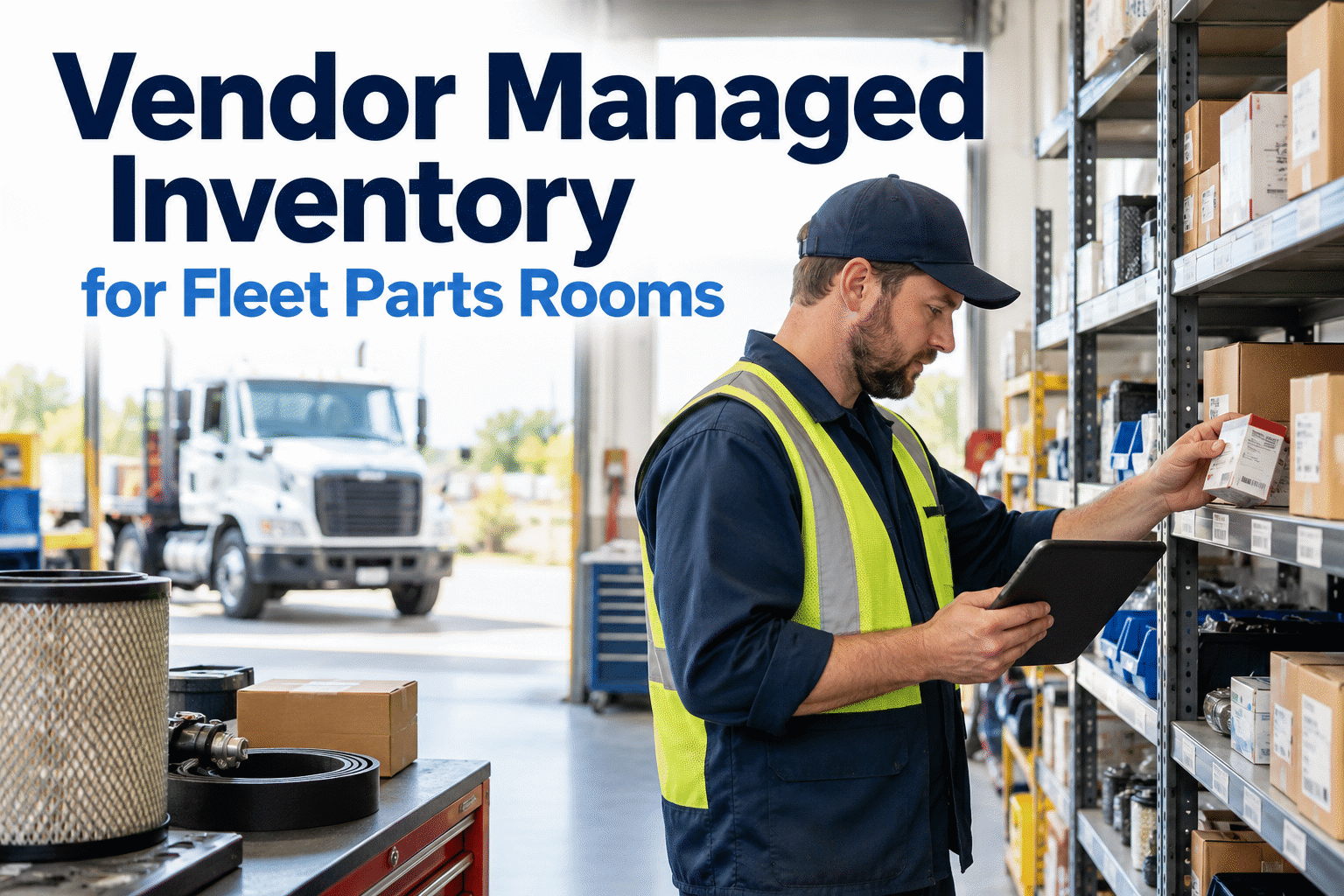
Vendor managed inventory (VMI) can help fleet parts rooms keep frequently used maintenance parts available without requiring shop staff to handle every replenishment decision. But supplier-managed stock only works when usage data, ownership terms, service levels and billing responsibilities are clear. This guide explains how fleet managers can assess VMI, compare it with consignment and traditional purchasing, and build a practical supplier agreement supported by reliable inventory records.
Vendor Managed Inventory: Keep Critical Fleet Parts Ready
Make replenishment more predictable without losing control of parts costs, stock accuracy or supplier accountability.
What is vendor managed inventory for fleet parts?
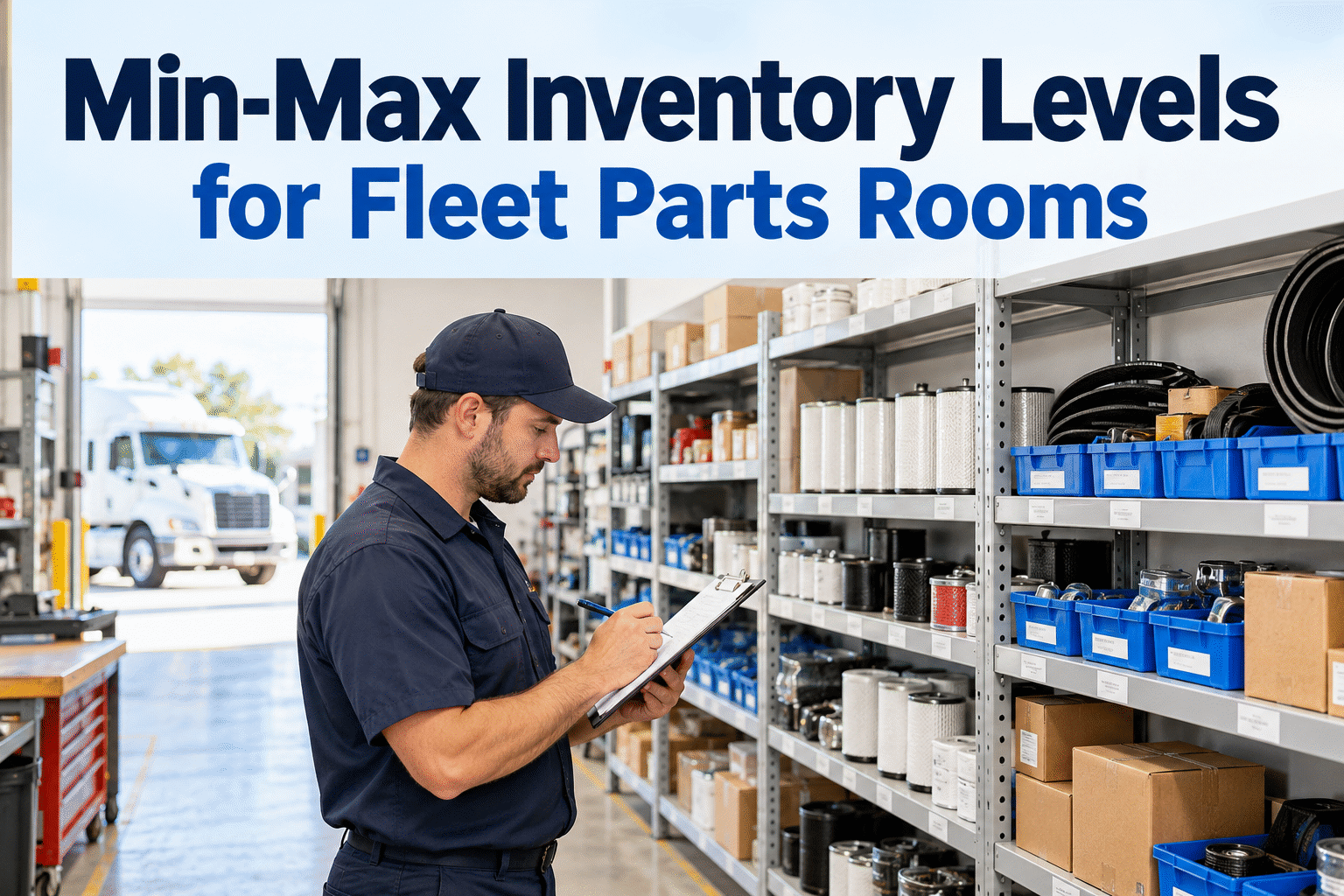
Vendor managed inventory is a supply arrangement in which a supplier takes an agreed role in monitoring stock and determining when to replenish selected parts. In a fleet workshop, those parts might include filters, belts, fittings, lubricants, fasteners and other repeat-use service items. The supplier may visit the parts room, review shared consumption reports or use a mutually agreed inventory feed. The exact approach depends on the contract and the data each party can provide.
VMI changes who manages replenishment decisions; it does not automatically determine who owns the inventory. A fleet may purchase parts when delivered, when consumed, or under another negotiated schedule. This distinction matters because inventory ownership, damage risk and payment timing influence the real economics of the arrangement.
For maintenance leaders, the goal is not simply to fill shelves. It is to have the right approved part available for the right vehicle at the right time, with a clear record of the cost. Book a demo to see how HVI organizes fleet parts and maintenance records.
How a supplier-managed parts room works
Six connected steps turn a supplier agreement into a repeatable stockroom process.
Choose eligible parts
Start with repeat-use, standardized items and confirm approved specifications.
Set stock rules
Agree minimums, target quantities, lead times and review frequency.
Record consumption
Capture which parts were issued for each repair or scheduled service.
Review availability
Supplier checks counts and replenishment needs through the agreed method.
Restock and verify
Parts staff verify quantities, condition, labels and any substitutions.
Reconcile and improve
Compare usage, receipts, invoices, shortages and service performance.
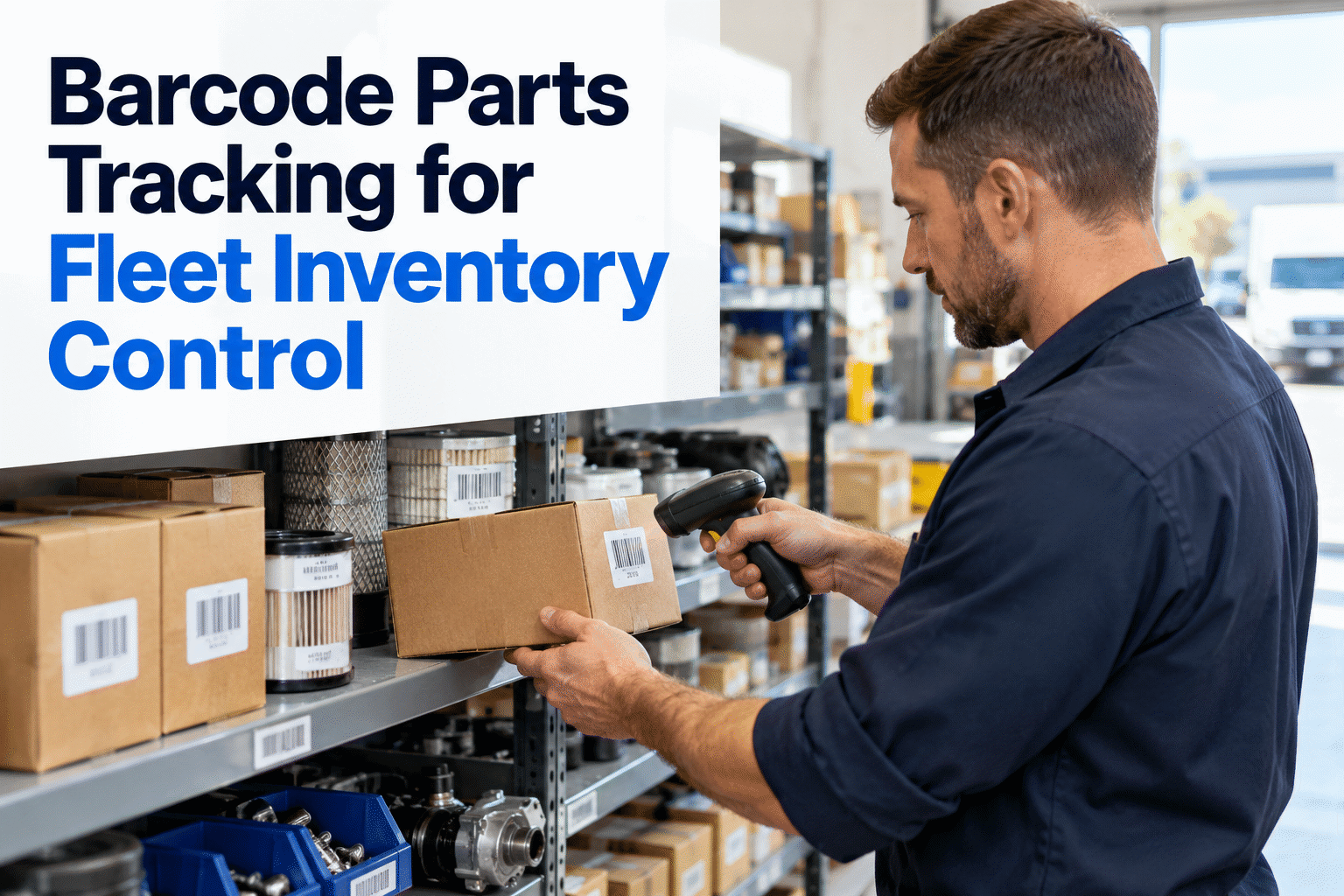
The cycle depends on trustworthy transaction records. If a mechanic removes a filter without recording the issue, the supplier may see stock that does not exist. If a delivered box is entered twice, replenishment can be delayed unnecessarily. The practical foundation is a disciplined receiving-and-issuing process—not an assumption that every supplier can see inventory in real time.
VMI vs. consignment vs. traditional purchasing
These terms are often confused, but they describe different commercial and operating responsibilities.
| Question | Traditional purchasing | Vendor managed inventory | Consignment inventory |
|---|---|---|---|
| Who plans replenishment? | Usually fleet buyer or parts manager | Supplier under agreed rules | Either party, as contracted |
| Who owns stock on shelf? | Usually fleet after purchase | Depends on agreement | Typically supplier until defined sale or consumption event |
| When does billing occur? | Per purchase terms | Per negotiated purchase or consumption terms | Often on withdrawal or use, subject to contract |
| Who checks counts? | Fleet staff | Supplier and fleet share defined checks | Defined jointly in agreement |
| Main management concern | Buyer workload and reorder timing | Supplier service, data quality and transparency | Ownership, reconciliation and shrinkage |
Traditional purchasing may remain preferable for rare, high-value or specialized components where the fleet needs close control over specification and approval. VMI is often easier to evaluate for predictable, high-frequency items. Consignment may help with working-capital timing, but it introduces additional reconciliation and ownership questions. The right arrangement may combine all three methods across different parts categories.
What to put in a fleet VMI supplier agreement
Stock scope and specifications
List approved part numbers, vehicle applications, substitutes, shelf-life constraints and items excluded from VMI. Establish who can authorize changes to the catalog.
Service levels and lead times
Define visit frequency, replenishment turnaround, emergency sourcing, backorder communications and how supplier performance will be measured.
Ownership and risk
Document when title transfers, who covers theft or damage, how obsolete parts are treated, and who handles recalls, returns or expired stock.
Pricing and invoicing
Specify unit prices, adjustments, freight, handling charges, payment triggers, invoice detail, credits and the process for disputed charges.
Count and data access
Set counting schedules, transaction data formats, adjustment approvals and audit rights. Identify the authoritative record when two systems disagree.
Exit and transition
Agree how remaining stock, supplier-owned items, data exports, open orders and pricing disputes will be handled if the arrangement ends.
Before signing, have procurement, finance and maintenance review the agreement together. A supplier may offer attractive unit pricing while charging handling fees, imposing minimum volumes or limiting returns. Evaluate the total cost of the arrangement, not the catalog price alone.
See your fleet inventory and service records together
Explore how HVI supports parts information, maintenance work orders and the records needed to review supplier performance.
Set reorder points without creating excess inventory
A fleet parts room needs enough stock to cover expected demand during replenishment lead time, plus a buffer for variability. The simplest planning model is a starting point—not a substitute for analyzing actual consumption and supply reliability.
Example: 4 filters used per day × 5-day replenishment lead time + 8 filters of safety stock = 28-filter reorder point.
This is an illustrative calculation, not a universal fleet benchmark. For seasonal fleets, a static reorder point can be misleading. Snow response, harvest cycles, road construction and annual inspection periods may change service demand. Review thresholds when asset counts, PM intervals, utilization, lead times or supplier reliability change.
Good initial VMI candidates
- Common oil, fuel and air filters with verified applications
- Frequently used hoses, fittings and standard fasteners
- Routine preventive maintenance consumables
- Items with reliable usage history and repeatable replenishment
Items needing closer control
- Safety-critical parts requiring strict approval or traceability
- High-value assemblies with irregular demand
- Components with short shelf life or special storage needs
- Vehicle-specific or obsolete parts with limited alternatives
For each SKU, agree a minimum, target or maximum quantity, an escalation rule for unusual consumption and an exception process for unapproved substitutions. Keep the supplier's proposed thresholds visible to the fleet parts manager.
Measure whether vendor managed inventory is working
Count instances when a needed approved part is unavailable.
Share of requested units supplied within the agreed service window.
Difference between physical quantities and recorded balances.
How quickly stock is consumed relative to average on-hand value.
Track unit cost, handling fees, substitutions and total category spend.
Identify work orders delayed specifically because required parts were missing.
Review metrics monthly during a pilot, then move to a cadence appropriate to volume and risk. A lower on-hand inventory value is not necessarily an improvement if technicians are waiting longer for parts. Likewise, a strong fill rate can conceal excessive stock if targets are inflated. Read measures together and investigate exceptions at the SKU and work-order level.
Where HVI fits into a vendor managed inventory program
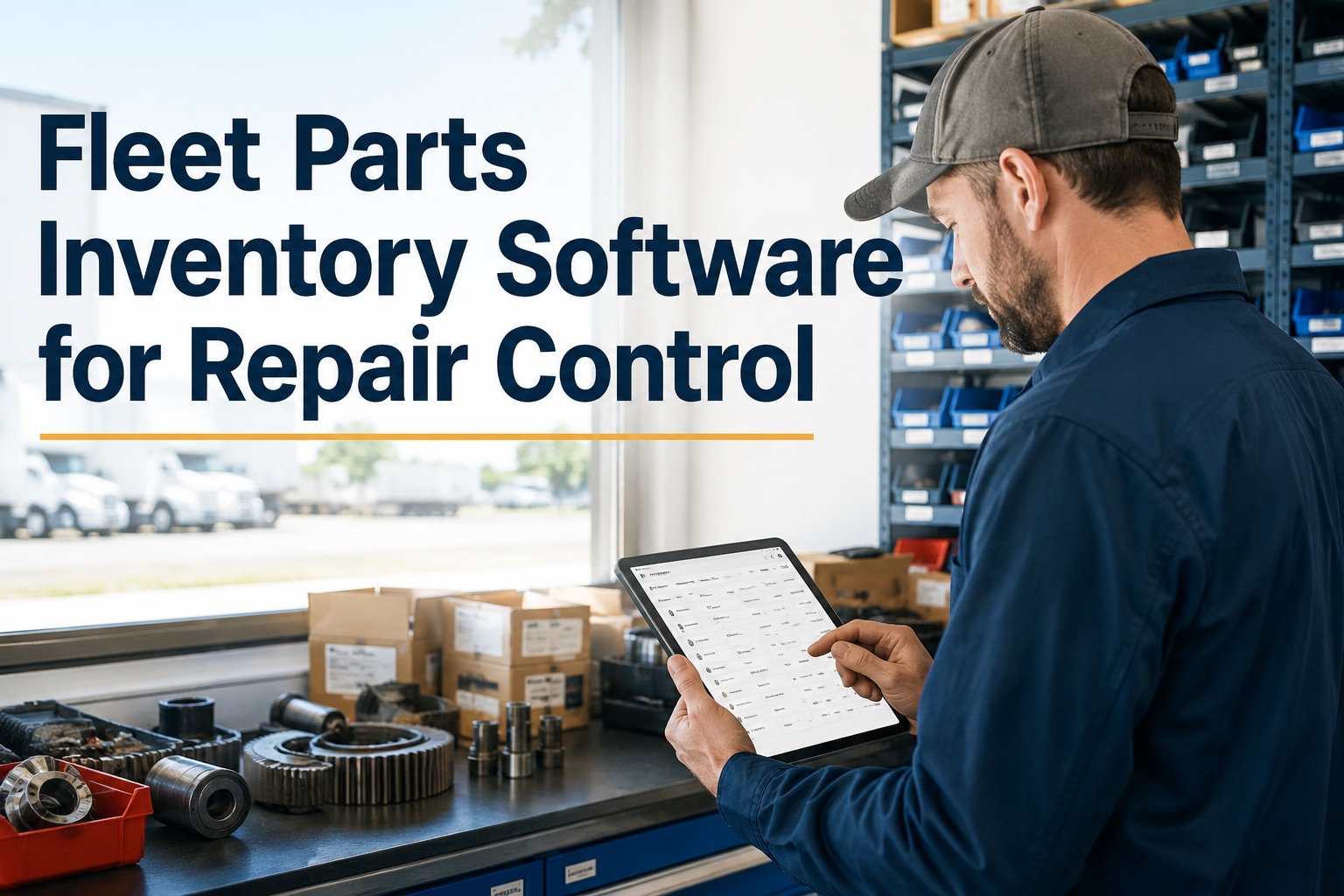
HVI is a complementary fleet maintenance and inventory management platform. It can support the internal records a parts manager uses to evaluate supplier performance, while the supplier relationship, ordering method and contract rules remain separately defined.
Parts & Inventory Management
Maintain organized parts information and stock records that help staff review what is available and what needs attention.
Parts Usage Records
Connect parts consumption information to maintenance activity so supplier discussions can rely on actual service demand.
Maintenance Work Orders
Keep repair and service tasks documented, including parts-related context useful when investigating delays.
Maintenance Cost Tracking
Review parts-related maintenance spending alongside service records and identify areas for closer cost analysis.
Good records make a supplier arrangement easier to supervise. They do not replace cycle counts, contract oversight or a clear receiving process. If your fleet is improving parts room discipline before launching VMI, start free to explore HVI's fleet inventory and maintenance tools.
A practical 60-day VMI rollout plan
Baseline and shortlist
Identify high-frequency parts, verify stock counts, review 6–12 months of available consumption records and flag chronic stockouts. Select a limited SKU group and confirm approved equivalents.
Agree controls
Document replenishment thresholds, supplier visit or data cadence, ownership terms, invoice rules, substitutions, receiving checks and escalation contacts. Assign one internal owner.
Run the pilot
Begin supplier replenishment for the chosen items. Record each receipt and issue, count exceptions promptly, and log any maintenance work delayed by shortages.
Review and decide
Compare stockouts, accuracy, spend, urgent purchases and staff effort against the baseline. Expand, adjust or stop the pilot based on measured results and contract flexibility.
Keep the pilot narrow enough that your parts team can investigate every exception. Establish a rollback plan in case replenishment fails, including alternate suppliers for essential components. If multiple workshops share stock, decide whether each location needs separate targets and accountability.
Fleet parts room VMI readiness checklist
Use this list before a supplier takes responsibility for replenishment. A VMI agreement is easier to maintain when stock records and responsibilities are already consistent. For additional control over the fleet's maintenance side, book an HVI demo focused on parts visibility and work orders.
Build a stronger record behind every replenishment decision
Organize parts, maintenance activity and cost information in HVI while keeping supplier agreements and VMI responsibilities clear.
Vendor managed inventory FAQs
What is vendor managed inventory in a fleet parts room?
It is an arrangement where a supplier monitors agreed stock items and manages replenishment decisions according to shared rules. The fleet still needs accurate receiving, usage, cost and performance records. Inventory ownership depends on the agreement.
Is vendor managed inventory the same as consignment?
No. VMI describes responsibility for replenishment, while consignment generally concerns supplier ownership until a defined sale or consumption event. An agreement may use one model, both, or neither.
Which fleet parts are best suited to VMI?
Predictable, frequently used, standardized items are often suitable starting candidates, such as common filters and service consumables. Critical, high-value, rare or highly specialized parts may require additional approval and sourcing controls.
How can fleet managers control VMI costs?
Negotiate transparent unit pricing, service fees, invoice triggers and return terms. Compare total spend, stockouts, carrying costs, urgent purchases and repair delays against a baseline, and reconcile physical counts with records.
Does HVI automatically manage supplier replenishment?
Do not assume so. HVI supports fleet parts records, inventory visibility and maintenance workflows. Automated supplier purchase orders, vendor portals, consignment accounting and automated VMI replenishment should not be assumed without product verification.