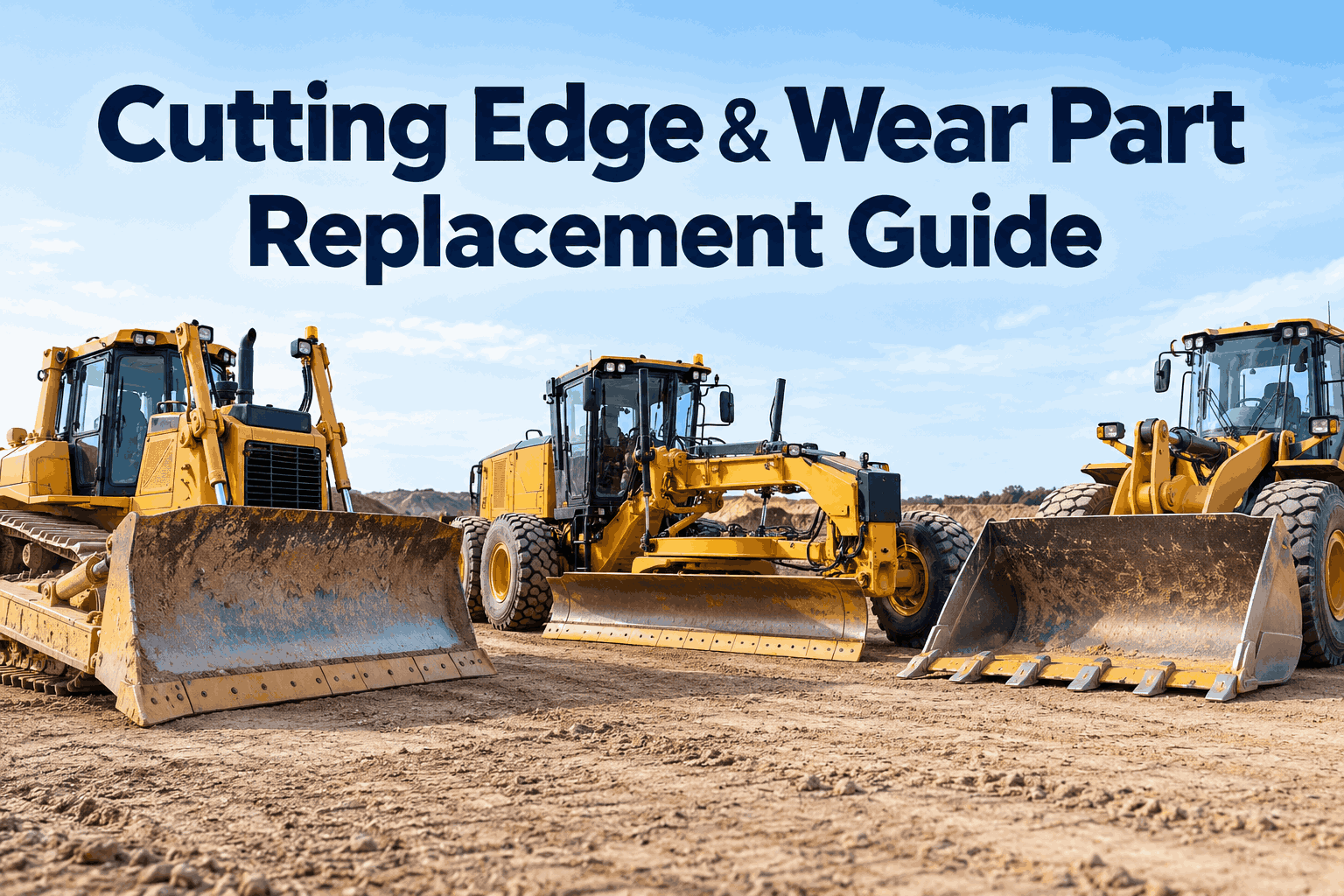
A cutting edge is supposed to wear so the blade, moldboard or bucket behind it does not. A reliable cutting edge replacement program turns that wear into a measurable maintenance trigger—inspect it, compare it with the correct limit, plan the replacement and have the parts ready before productive time is lost. See how HVI can turn wear inspections into planned maintenance.
Replace the Wear Part
Before It Stops Protecting the Machine
Build a repeatable inspection and replacement program for grader cutting edges, dozer edges, loader bucket edges, end bits and other ground engaging tools.
Cutting edge wear is expected. Structural wear is what you want to avoid.
Ground engaging tools are sacrificial components. The maintenance challenge is using their available wear life without allowing wear to progress into the more expensive component they protect.
Cutting edge / end bit
Inspect, measure and replace according to the component and machine manufacturer's limits.
Blade / moldboard / bucket
The structural component behind the wear part is typically the component you are trying to keep out of the wear zone.
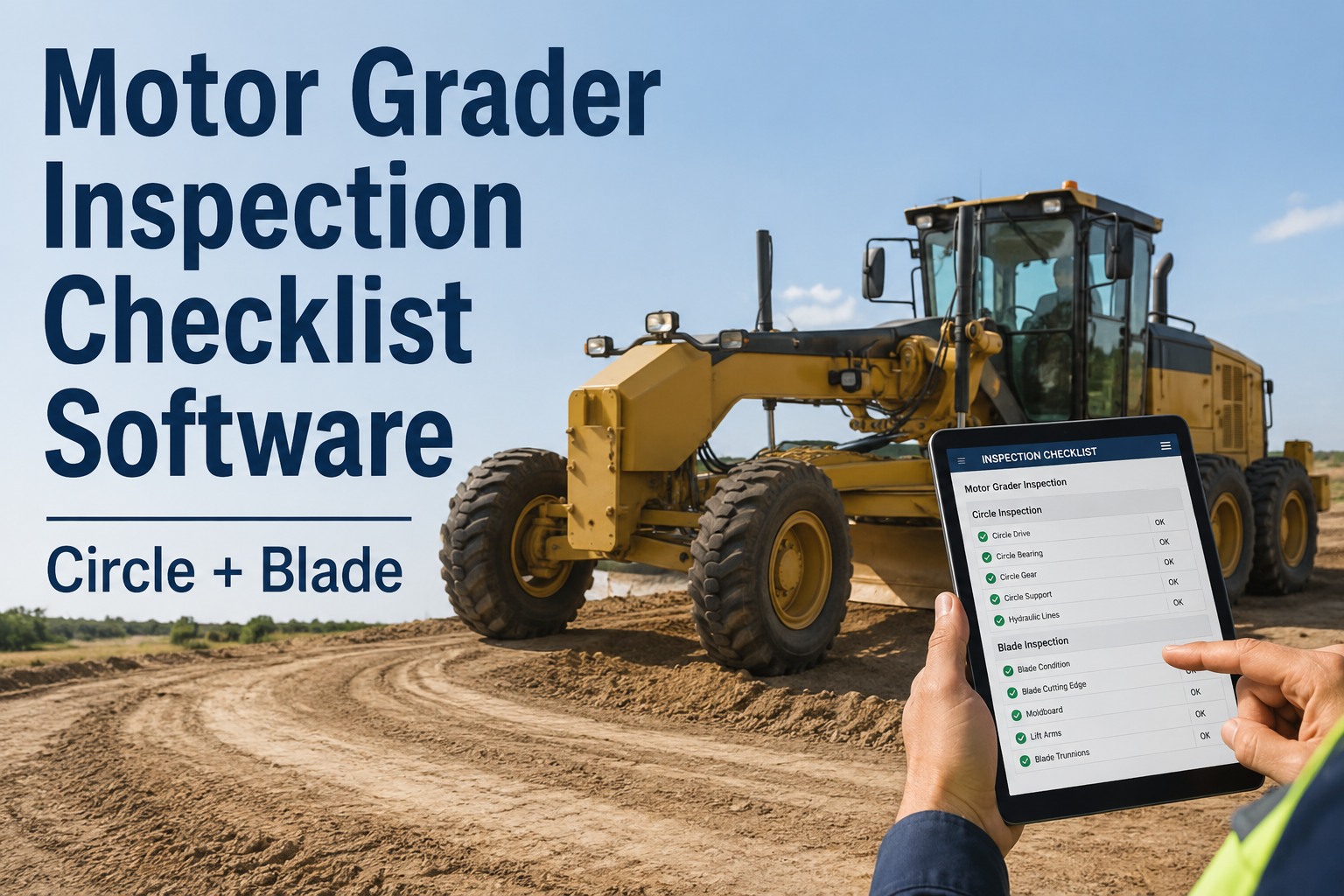
Caterpillar describes motor-grader cutting edges as components that cut and shape material while protecting the moldboard from wear. The exact replacement point varies by edge design and machine, which is why a maintenance program needs both a repeatable inspection process and the correct OEM specification for that component.
It asks: What does the OEM define as the usable limit, how quickly is this edge approaching it in this application, and can we schedule the change before the next production-critical shift?
Build cutting edge replacement around condition, not guesswork
Calendar dates and operating hours can help determine when to inspect. The replacement decision should follow the applicable wear criteria for the actual edge.
Look at the edge, end bits, fasteners and surrounding structure.
Capture the measurement required by the applicable OEM procedure.
Compare measured condition with the correct manufacturer wear limit.
Continue monitoring, plan the change or replace the component.
Record the measurement and inspect again at the planned interval.
Confirm stock, schedule labor and choose a suitable maintenance window.
Follow the manufacturer's service and safety procedure before returning the machine to work.
Need the inspection result to reach maintenance instead of disappearing on paper? Start using HVI to create a repeatable wear-inspection record.
A cutting edge inspection should capture more than remaining material
Remaining wear material is central to a cutting edge inspection, but it is not the only condition worth documenting. Uneven wear, damaged hardware or changes in the protected structure can tell the maintenance team that the problem is larger than a normal wear cycle.
Use the measurement location and method specified for that edge.
Document uneven, localized or abnormal wear for investigation.
Check hardware condition and attachment according to the manufacturer's procedure.
Look for evidence that wear is progressing beyond the replaceable component.
On Cat motor graders, for example, Caterpillar instructs technicians to measure from the center of the bolt to the edge and compare that measurement with the values in the machine's Operation and Maintenance Manual. That is a useful example of why your digital checklist should capture the OEM-defined measurement rather than inventing one fleet-wide number for every machine.
Grader, dozer and loader cutting edge replacement should not use identical checklists
The control process can be standardized across the fleet while the actual inspection points remain specific to the machine and wear-part design.
Grader cutting edges & end bits
Monitor edge wear across the moldboard, end-bit condition, hardware and any wear pattern that can affect grading quality or blade protection.
Dozer cutting edges & end bits
Track the wear components protecting the blade while accounting for the abrasion, impact and application conditions the machine encounters.
Loader bucket edges & GET
Include the bucket cutting edge and applicable ground engaging tools in the inspection so wear-part condition stays visible before structural wear develops.
Do not treat every worn edge as a normal replacement
Wear rate changes with material, application, machine setup, operator technique and the wear-part system itself. A replacement record becomes much more useful when it preserves what the old part looked like instead of recording only that a new part was fitted.
Relatively even wear
Record the measured condition and use replacement history to understand the normal service pattern for that machine and application.
Uneven side wear
Document where wear is concentrated rather than recording only the minimum remaining measurement.
Localized wear
Repeated localized wear deserves investigation instead of being hidden by another routine replacement.
Damage or abnormal condition
Escalate cracks, broken sections, loose hardware or other abnormal findings under your maintenance procedure.
A useful wear-part record should answer two questions: how much usable material remained, and was the wear pattern normal for that machine and application?
Practical maintenance-program perspectivePlan reversible cutting edges as a maintenance event
Some cutting-edge designs can be reversed to use additional wear material. That does not make reversal an informal field decision. Your maintenance record should distinguish between installation, reversal and final replacement so the service history shows what actually happened.
Confirm the edge is designed to be reversed.
Inspect the edge and mounting surfaces before reuse.
Follow the applicable hardware and torque requirements.
Record the reversal date and resulting condition.
Connect cutting edge inspections to parts inventory
Finding an edge near its replacement point is useful only if the maintenance team can act on that information.
Inspection shows the edge approaching its replacement trigger.
Verify the correct cutting edge, end bit and required hardware.
Make the required inventory available for the planned service event.
Complete the work using the applicable manufacturer procedure.
Record consumption and replenish stock according to fleet demand.
If your inspection process and parts room still operate separately, book a demo to see HVI's inspection, maintenance and inventory workflow together.
What a cutting edge replacement program should record
Record the asset, component position or location and the applicable part information.
Capture the measurement required by the manufacturer and retain photos when they add useful context.
Document uneven wear, damage, hardware condition and any concern involving the protected structure.
Use the applicable OEM criterion instead of a generic threshold copied across unrelated machines.
Confirm availability and schedule the work before the component reaches the end of its usable range.
Record what was replaced or reversed, when it happened and the parts consumed.
Use service history to understand wear instead of guessing at a universal interval
Two machines with similar cutting edges may experience very different wear because their material, operating environment, duty cycle and application differ. That makes a single fleet-wide “replace every X hours” rule difficult to justify unless the manufacturer specifically calls for it.
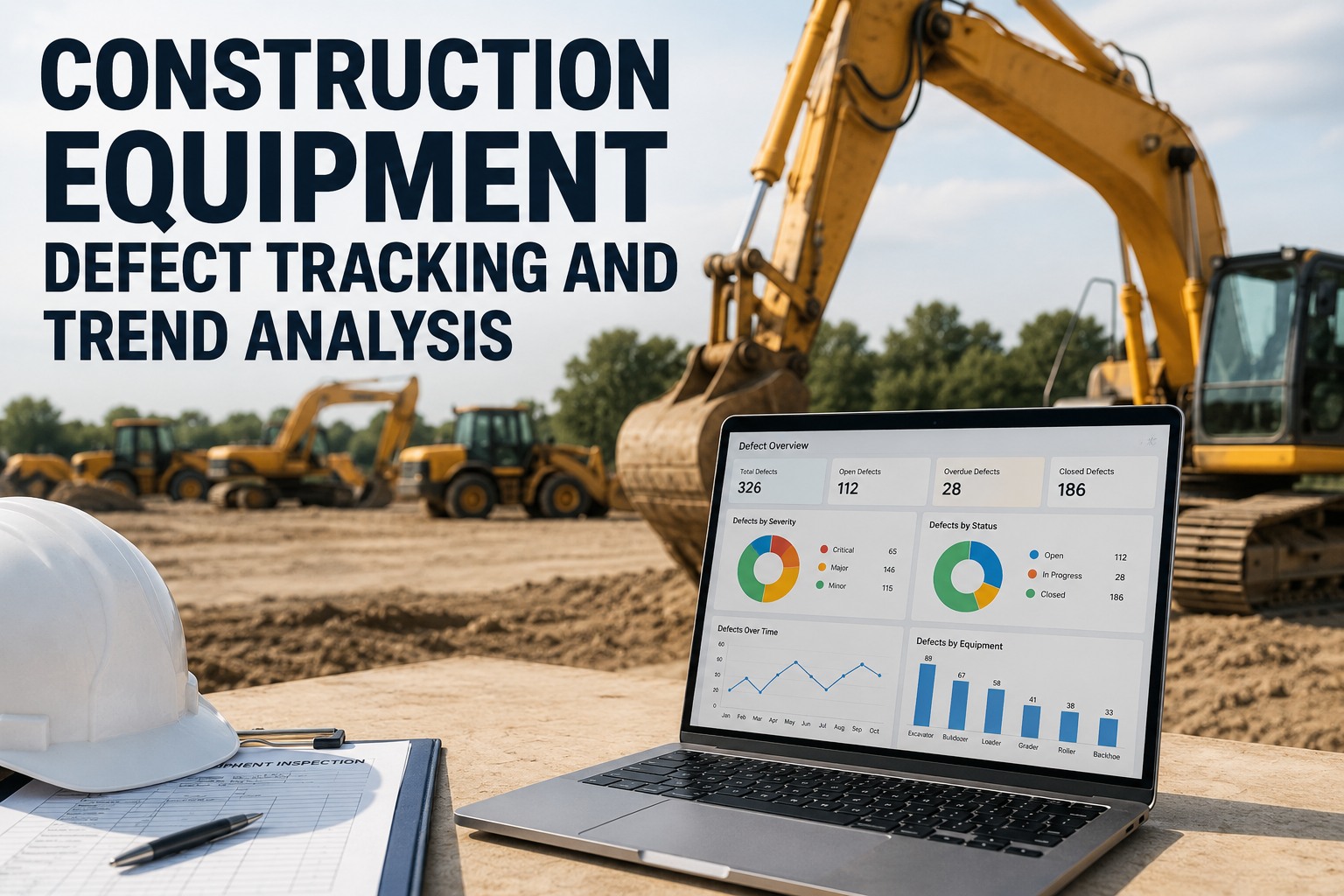
Instead, keep the inspection and replacement history by machine. Over time, that history can help maintenance managers see whether a particular machine is consuming edges unusually quickly, whether inspections need to happen more frequently in a certain application, and how much stock is normally consumed.
This is where digital records become more valuable than a completed paper checklist. Start building searchable wear-part service history with HVI.
Condition remains within applicable range.
Replacement planning initiated.
Parts and maintenance activity recorded.
The next decision starts with previous history.
The replacement trigger and the replacement procedure are two different controls
A digital inspection can tell the maintenance team that an edge needs attention. It should not replace the manufacturer's removal, installation, support, hardware or torque procedure. Cutting edges and end bits can also be heavy components, so the job needs the correct lifting, support and personal-protective-equipment controls for the equipment being serviced.
Follow the machine and component manufacturer's service instructions.
Use the specified method to secure or support the blade, bucket or component during service.
Check the surfaces and related hardware as required before installation.
Follow the correct fastener, tightening and torque requirements for the system.
Make every inspection capable of triggering the next maintenance action
Capture wear condition and measurements digitally.
Schedule replacement before the maintenance window disappears.
Check cutting-edge, end-bit and related inventory before service.
Complete the maintenance work under the approved procedure.
Retain the replacement record for future planning and analysis.
Cutting Edge Replacement FAQs
When should a cutting edge be replaced?
Replace a cutting edge according to the wear limit and service criteria specified for that machine and component. Do not apply one generic measurement to all graders, dozers or loaders. Inspect and measure the edge using the manufacturer's method, then compare the result with the applicable service information. Abnormal damage or other unserviceable conditions may also require action before the normal wear limit is reached.
How do you inspect cutting edge wear?
Use the inspection and measurement procedure specified by the equipment or wear-part manufacturer. Record the remaining usable condition along with wear pattern, fastener condition and any visible damage. For example, Caterpillar's motor-grader guidance uses a measurement from the center of the bolt to the edge and directs technicians to compare it with the machine's Operation and Maintenance Manual.
Can grader cutting edges be reversed?
Some cutting-edge designs are reversible, but the capability and correct procedure depend on the specific component. Confirm the design and manufacturer instructions before reversing an edge. Record reversal as a maintenance event so the fleet history distinguishes it from initial installation and final replacement.
Why should wear-part replacement be connected to parts inventory?
An inspection can identify an approaching replacement need before the component reaches its limit. Connecting that information to inventory gives the maintenance team time to verify the correct part, confirm availability and plan replenishment instead of discovering a stock shortage when the machine is already waiting for service.
How does HVI help manage cutting edge and wear-part replacement?
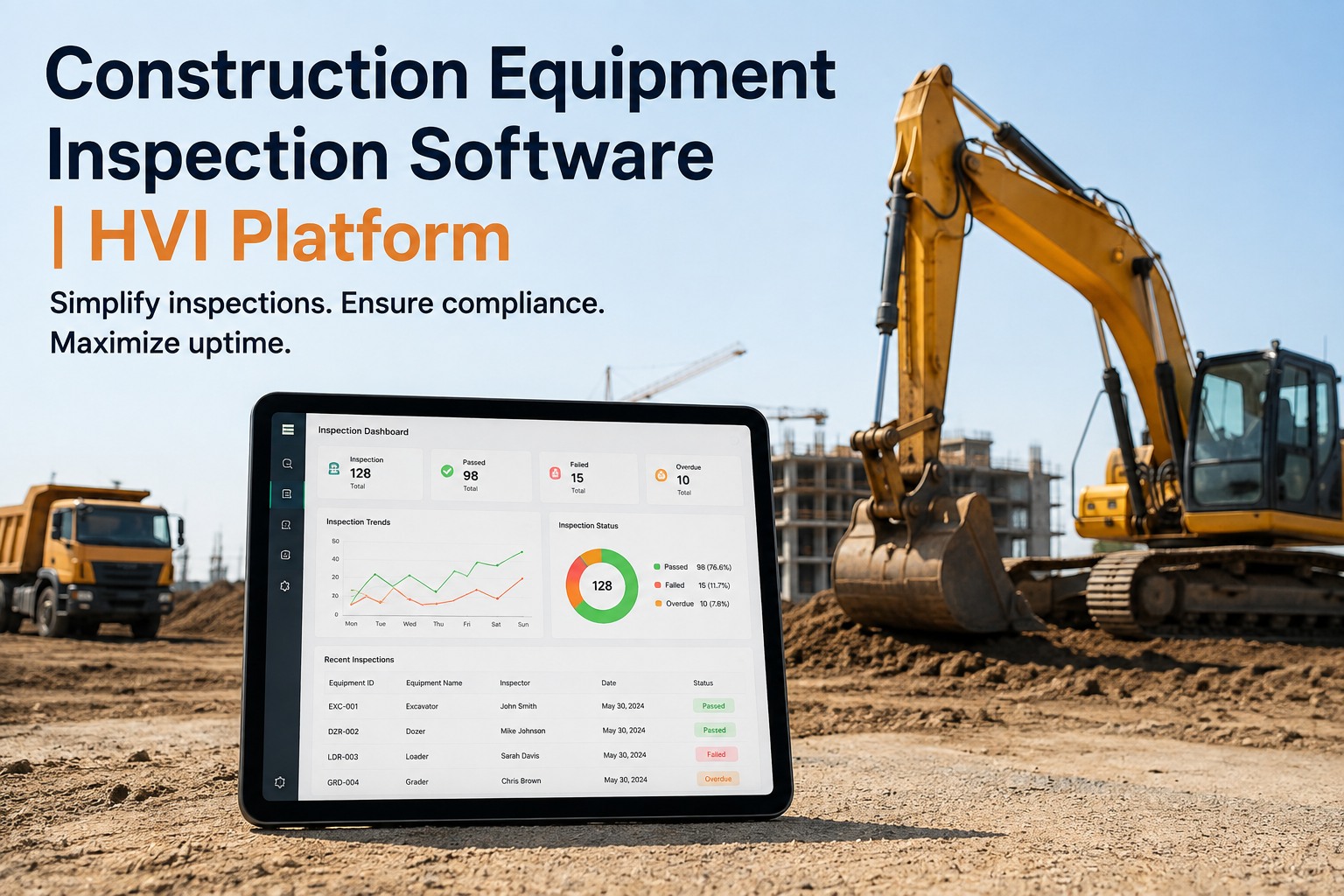
HVI can support a repeatable process in which equipment inspections document wear condition, maintenance is planned around identified needs, parts inventory supports the replacement and completed service becomes part of the machine's history. This helps construction teams move from isolated inspection findings toward a connected wear-part maintenance program.
Inspect it. Measure it. Plan it. Replace it.
HVI helps construction maintenance teams connect cutting edge inspections, preventive maintenance, replacement history and parts inventory so wear parts can be managed before they become production problems.