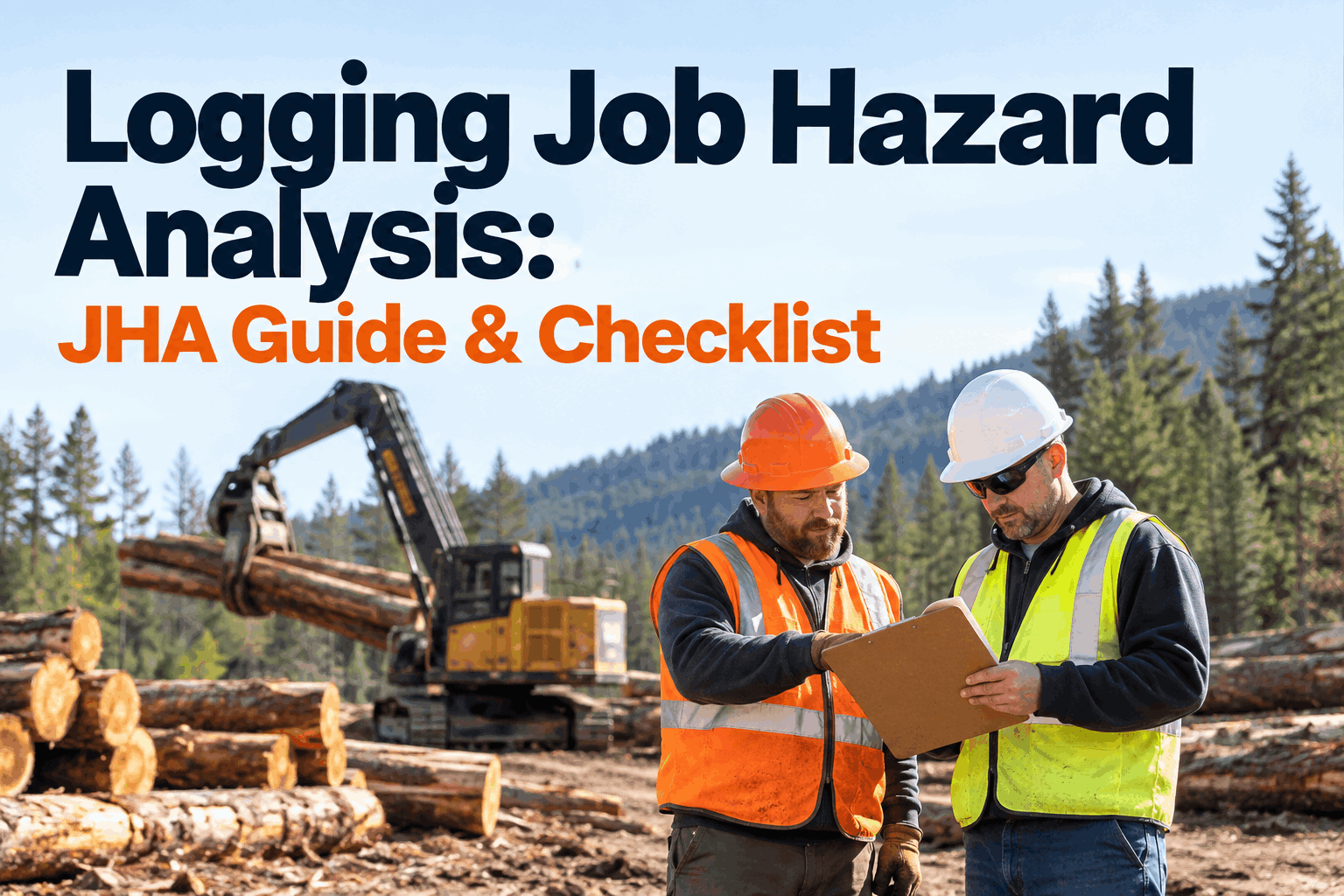
A logging job hazard analysis turns a broad safety plan into a task-level review of how work will actually be performed in the field. For felling, skidding, loading and processing work, crews can break the job into steps, identify hazards at each step, select practical controls and review the analysis when site conditions, equipment or work methods change.
Build the JHA Around the Logging Task — Not a Generic Form
Map the work step, identify what can go wrong, choose the control and keep changing field conditions visible to the crew.
A useful logging JHA is completed close enough to the work to reflect real terrain, timber, equipment, weather and crew interaction. OSHA's logging rules already require attention to many of these conditions, while OSHA's broader job hazard analysis guidance provides a practical framework for breaking work into steps, identifying hazards and selecting controls.
Build a Logging Job Hazard Analysis in Five Field Stepsmove from the work being performed to the controls the crew can actually use
Start with a defined job rather than trying to analyze an entire logging operation on one form. A task such as manual felling, skidding or loading can then be divided into meaningful work steps so the crew can examine what may go wrong at each point.
Choose a specific activity such as felling, skidding or loading.
Separate the task into practical work steps.
Ask what can expose the worker or crew to harm.
Record the work practice or other measure used to control exposure.
Revisit the JHA when the job or conditions change.
Digital checklists can make that structure easier to repeat across crews while still allowing each task to carry its own hazards and controls. See how HVI can turn logging JHAs into repeatable field safety checklists.
Use the Logging JHA to Find Hazards Where the Work Changesterrain, trees, equipment and crew interaction can change the exposure from one task to the next
Logging hazards are rarely limited to one category. A crew may be dealing with unstable trees, moving machines, rolling logs, poor footing, limited visibility and changing weather within the same operation. The analysis should connect each hazard to the particular work step where exposure occurs.
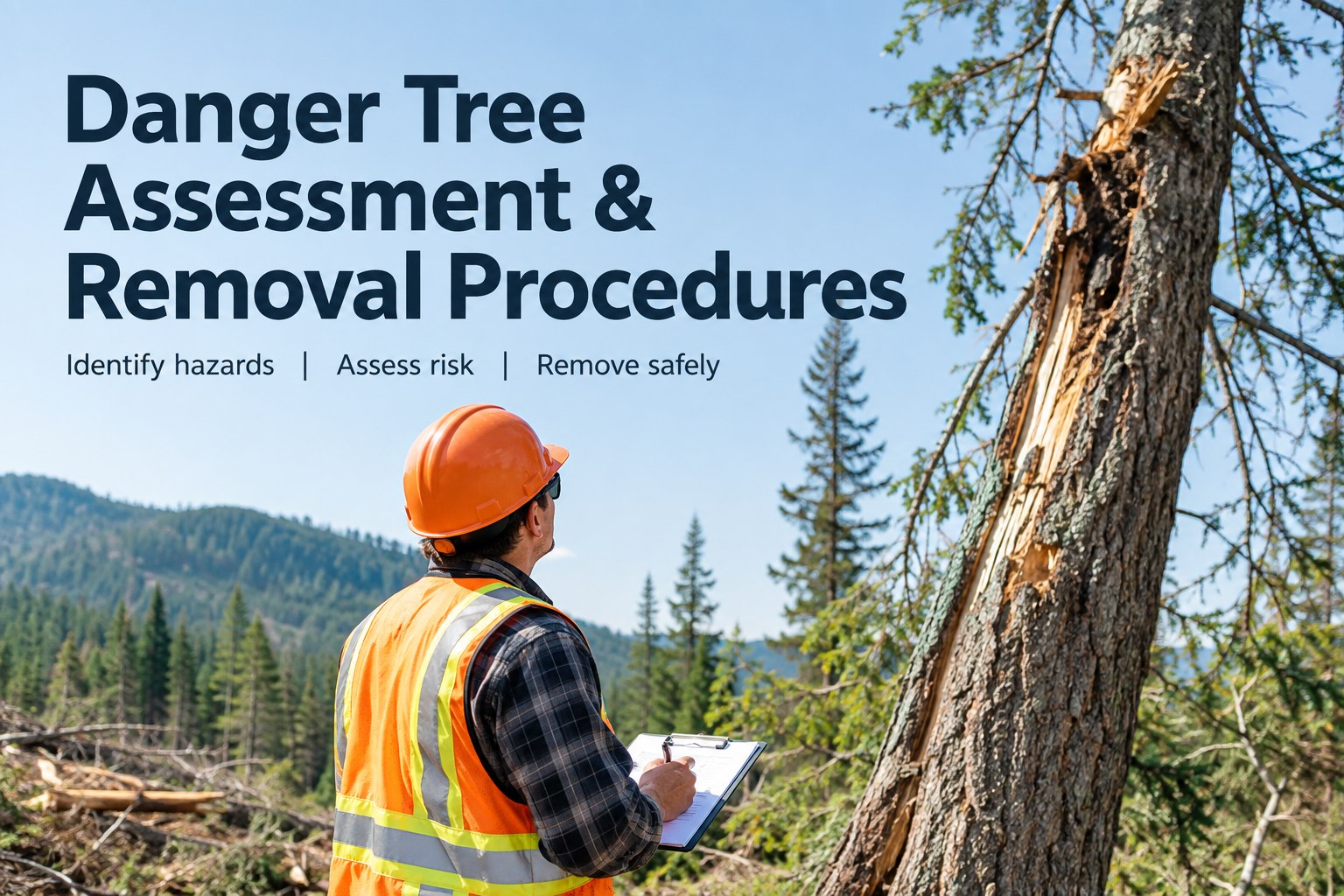
Lean, dead limbs, lodged trees, damage and surrounding timber.
Slope, footing and the potential for trees or logs to move.
Travel paths, operating areas, visibility and worker separation.
Wind, storms, fog, rain, snow, cold, darkness and other conditions.
Positioning, communication and overlapping work areas.
Condition, guarding, safe operation and task suitability.
OSHA's logging standard addresses issues such as environmental conditions, employee spacing, danger trees, machine condition and task-specific tree-harvesting practices. Those requirements can inform the hazard review where they apply. Using HVI safety management can help keep field hazard records and follow-up information organized alongside the rest of the operation.
Logging JHA Checklist: Change the Analysis With the Taskfelling, skidding and loading should not be forced into one identical hazard checklist
The underlying method stays consistent, but the questions should follow the job. A feller needs a different field review from a skidder operator or a worker around a landing and loader.
- ✓Tree lean and condition evaluated
- ✓Danger trees and overhead hazards identified
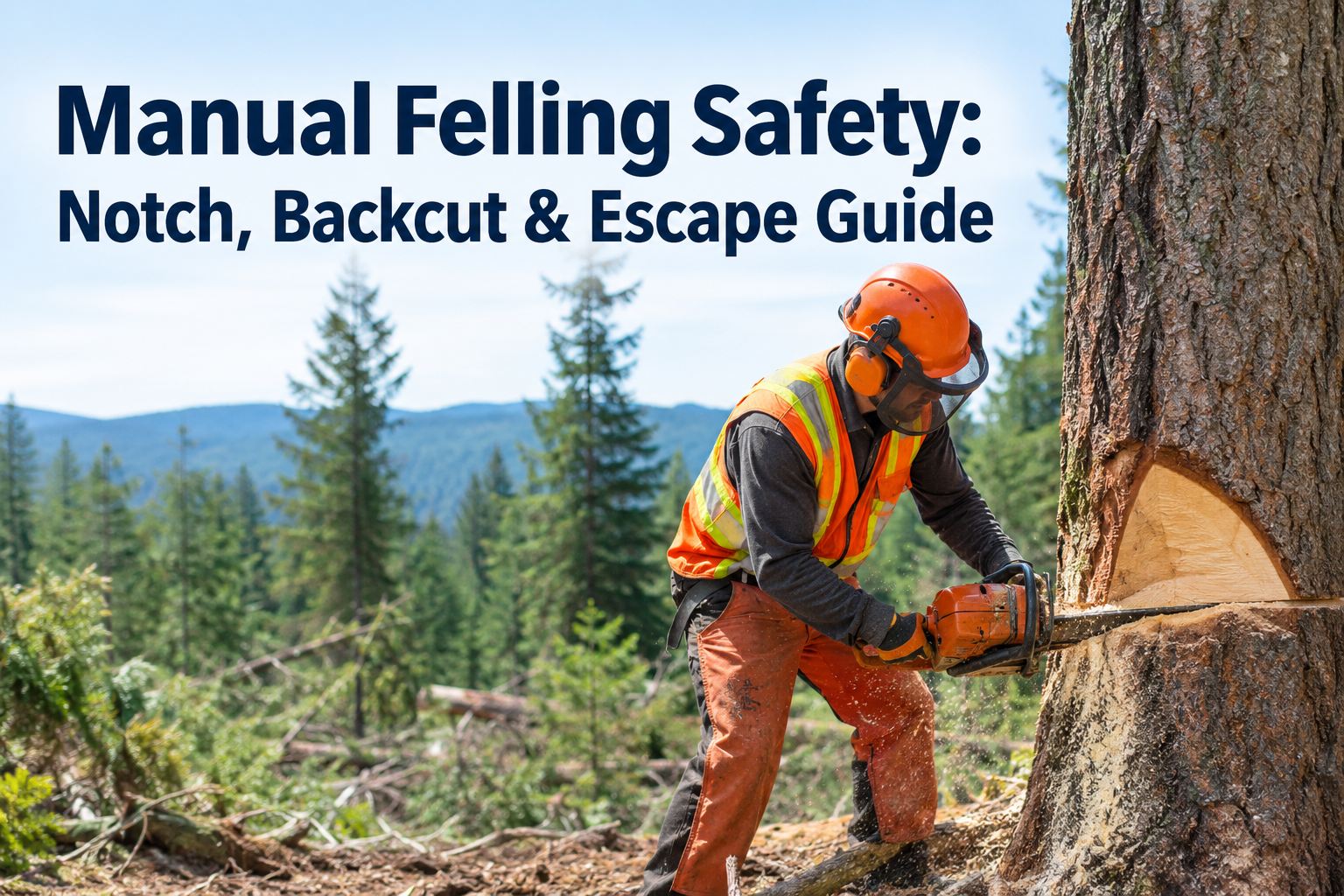
- ✓Expected fall direction considered
- ✓Retreat path planned and cleared
- ✓Nearby work areas considered
- ✓Machine condition reviewed
- ✓Travel route and slope considered
- ✓Worker separation established
- ✓Log movement hazards identified
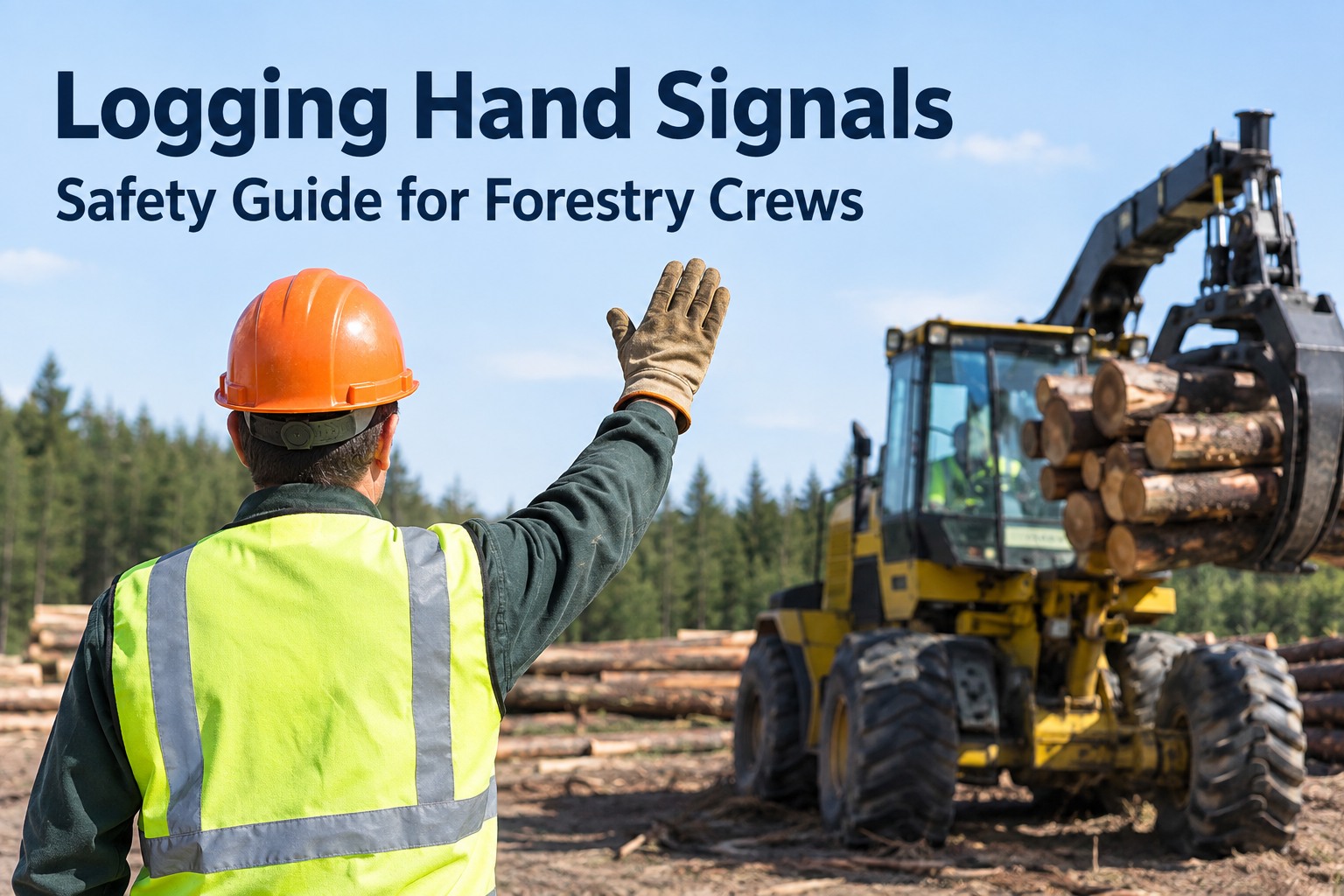
- ✓Communication method understood
- ✓Landing condition assessed
- ✓Loader operating area defined
- ✓People kept clear of moving logs
- ✓Load stability considered
- ✓Truck and equipment movement coordinated
That task-specific structure is especially useful when several supervisors or crews perform similar work at different sites. See how HVI can standardize logging JHA checklists without making every harvest site look identical.
A Logging Job Hazard Analysis Must Follow Changing Conditionswhen the work changes, yesterday's hazard assessment may no longer describe today's exposure
Logging is dynamic. Wind can increase, visibility can deteriorate, access can change, another machine can enter the area or the crew can move into different terrain. The JHA should give workers a clear reason to stop and review the plan when a meaningful change affects the work.
Wind, storms, fog, rain, snow or visibility affects the task.
The crew moves into different terrain or timber conditions.
A different machine, tool or work method enters the task.
A condition not covered by the original analysis is identified.
OSHA's logging standard specifically requires work to terminate and employees to move to safety when certain environmental conditions create a hazard. It also requires evaluation of conditions before each tree is felled. A JHA can support that field decision-making, but it should not be treated as a substitute for the underlying requirements.
Turn Logging Hazard Identification Into Follow-Throughthe analysis is incomplete when a finding is recorded but the required action disappears after the form is submitted
Some hazards can be controlled before work begins. Others reveal a defect, site issue or operational problem that requires separate follow-up. Those findings need a clear path from the JHA into the wider safety process.
Using HVI safety management can help keep the JHA, hazard record and resulting follow-up organized in the same safety process. For recurring field analyses, see how HVI can connect logging JHA findings with assigned safety actions and closeout records.
Logging Job Hazard Analysis: Frequently Asked Questions
What is a logging job hazard analysis?
A logging job hazard analysis is a structured review of a logging task that breaks the work into steps, identifies hazards associated with those steps and records measures used to eliminate or control the hazards. It can be applied to activities such as felling, skidding, loading and processing.
Does OSHA require a specific JHA form for logging?
OSHA provides job hazard analysis guidance and worksheets, while 29 CFR 1910.266 establishes specific safety requirements for logging operations. Employers should evaluate the requirements that apply to their work rather than assuming that completing a particular JHA form by itself establishes compliance.
What should a logging JHA checklist include?
A practical logging JHA checklist can identify the task, individual work steps, hazards, controls, site conditions, equipment involved and workers participating in the review. It should also provide a way to record significant changes and unresolved findings that require follow-up.
When should a logging JHA be reviewed or updated?
Review the analysis when the task, process, equipment or significant work conditions change, when a new hazard is identified, or when experience shows that existing controls need reconsideration. Dynamic logging conditions make field review particularly important.
Can HVI be used for logging JHA documentation?
HVI can help logging teams organize digital checklists, hazard observations, supporting records and follow-up actions. HVI does not itself determine whether a JHA or logging operation satisfies OSHA requirements; the employer remains responsible for identifying and meeting applicable requirements.
Take the Logging Job Hazard Analysis Into the Field
Build task-specific digital JHAs, capture changing hazards and keep follow-up actions connected to the worksite record instead of leaving safety analysis buried in paperwork.