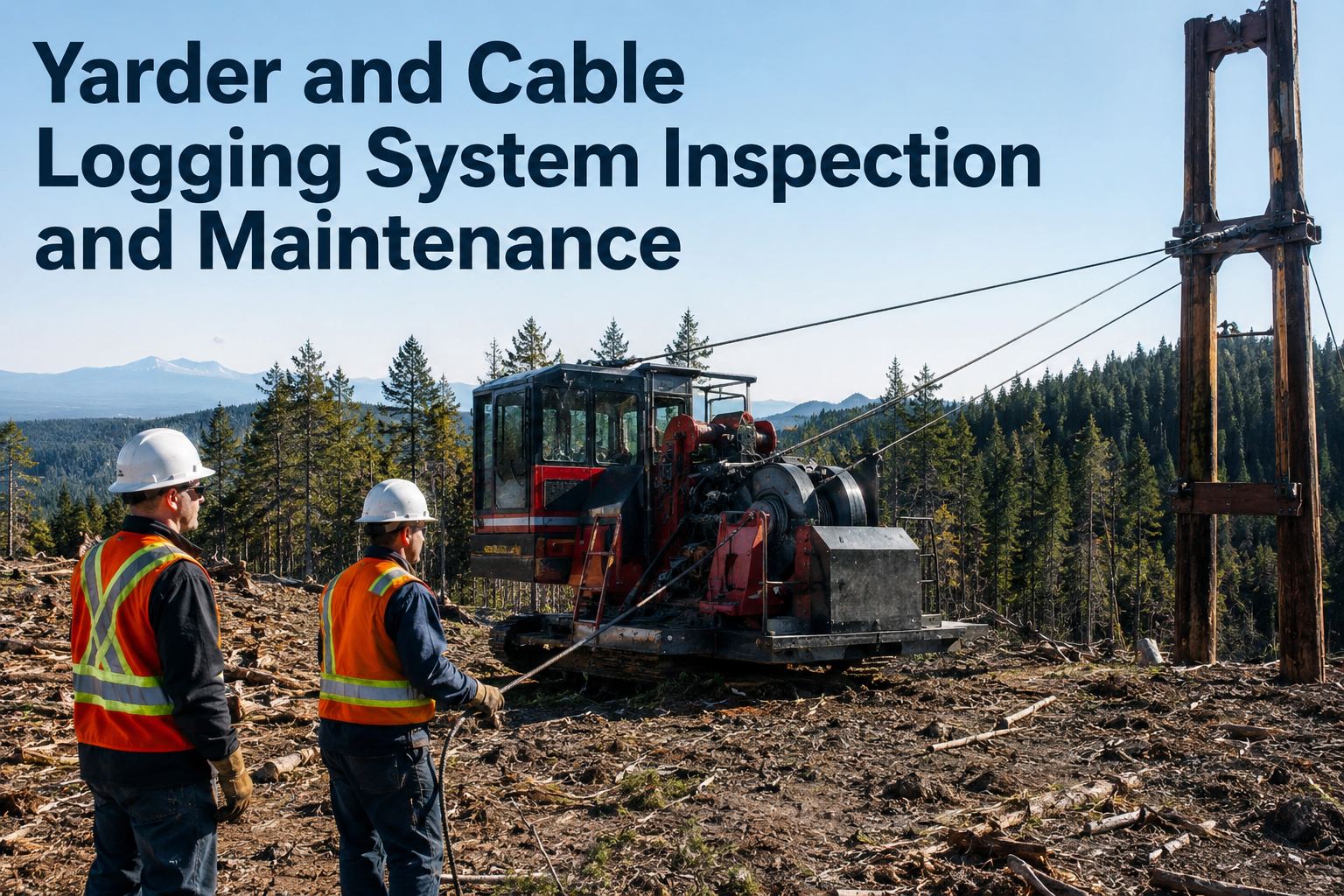
A skyline snaps under load and the energy release doesn't give anyone time to move. That's the reality of cable logging: more stored energy in the rigging than any other harvesting method, and failure modes that are struck-by events with no realistic escape. A proper yarder inspection program is the only thing standing between a normal shift and a fatality investigation. This page covers the full inspection and maintenance scope for towers, guylines, running lines, blocks, drums, brakes, anchors and comms — and how to keep every record audit-ready without paper binders. If you want to see how digital rigging inspection works on your own units, book a 30-minute walkthrough and we'll show you.
Cable Logging Safety
Rigging failure in cable logging is a fatality mechanism with no margin
Towers, guylines, running lines, blocks, drums and brakes — every component under load, every inspection a life-safety check. Here's how to run a yarder inspection program that holds up on steep ground and in front of an auditor.
Inspection Scope
What a complete yarder inspection covers — and what happens when you skip one
A yarder is not one machine. It's a system of loaded components, each with its own failure mode, inspection interval and retirement threshold. Miss one and the whole system is compromised.
Tower and boom structure
Inspect welds, pins, bolts and guyline attachment points for cracks, elongation and corrosion. A cracked guy lug at 60 feet is invisible from the ground — you need a climb or a drone, and a record of what you found. Failure here is catastrophic and total.
Guylines and tension
Check every guyline for broken wires, kinks, corrosion and proper tension. A slack guyline shifts load to the others and overloads them in sequence. Tension verification is not optional — it's the difference between a stable tower and a collapse.
Running lines
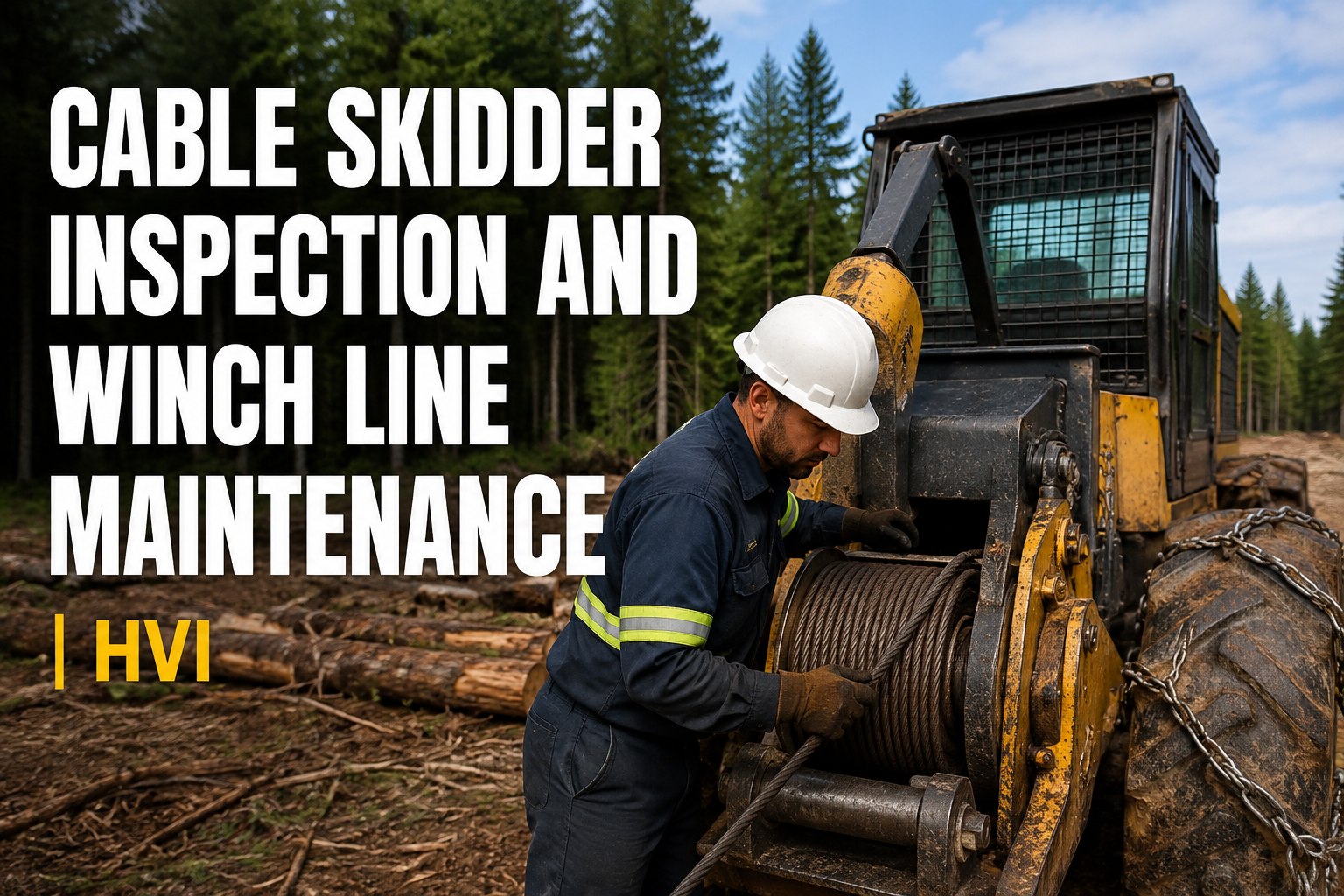
Skyline, mainline, haulback and strawline each have wire rope removal criteria based on broken wire count, diameter loss and core condition. A skyline with 10% diameter loss is past retirement — but you won't know without measurement records.
Blocks, shackles and rigging hardware
Sheave wear, pin elongation, side-plate cracks and shackle deformation all have retirement thresholds. A block that seizes under load becomes a friction point that cuts the line. Every block needs its own inspection history and retirement date.
Drum, brake and clutch systems
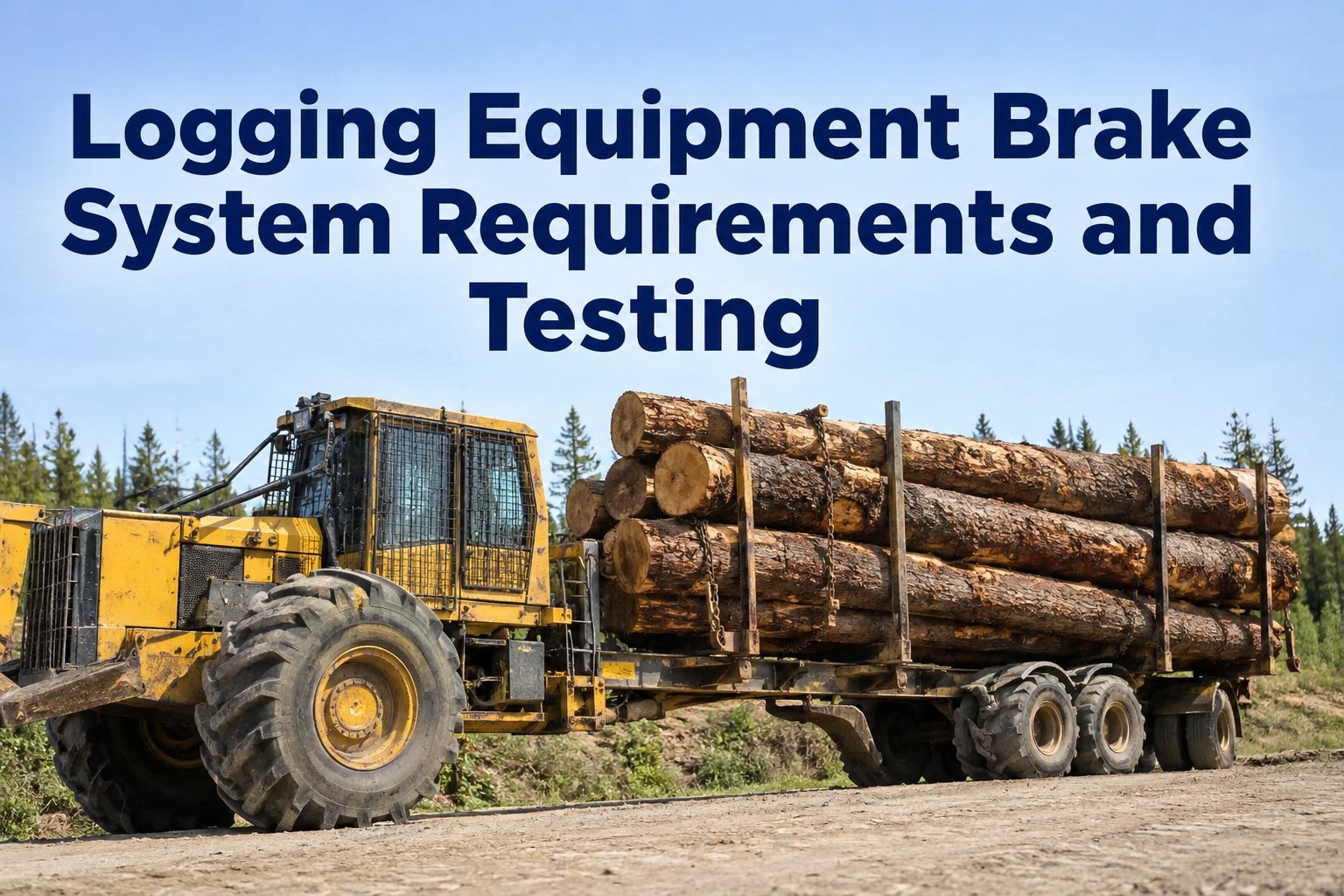
Holding capability is life-safety. Test brake fade, clutch engagement and drum groove wear. A brake that holds at startup but fades after 20 cycles is a fatality waiting for a heavy turn. Document every brake test with date, load and result.
Tailhold and anchor arrangements
Stumps, deadmen and rock anchors all degrade. Check for movement, rot, soil disturbance and hardware condition. A tailhold that pulls out releases the skyline with enough energy to kill anyone in the bight.
Wire Rope Removal Criteria
When to pull a running line — the numbers that matter
Wire rope doesn't fail without warning. It fails when you ignore the warnings. These are the removal criteria that keep crews alive.
| Line Type | Inspection Frequency | Removal Criteria | Common Failure Mode |
|---|---|---|---|
| Skyline | Daily visual, weekly measurement | 6 broken wires in one lay, 3 in one strand, or 7.5% diameter loss | Fatigue breaks at sheave contact points |
| Mainline | Daily visual, weekly measurement | 6 broken wires in one lay, visible core, or kinking | Abrasion and crushing at drum crossover |
| Haulback | Daily visual, weekly measurement | 6 broken wires in one lay, 3 in one strand, or corrosion pitting | Fatigue at block contact and drum winding |
| Strawline | Before each use | Any visible core, kinks, or 10% diameter loss | Shock loading during line changes |
These numbers come from wire rope manufacturers and forestry safety codes. They're not suggestions. A skyline running past its removal criteria is a loaded weapon. If you're tracking this on paper or in a spreadsheet, you're relying on memory and good intentions. See how digital line tracking works and stop guessing.
Inspection Workflow
A yarder inspection sequence that actually gets done
The best inspection program is the one your crew will follow. This sequence is built for steep ground, short weather windows and production pressure.
Pre-shift visual sweep
Operator walks the machine and checks guylines, running lines, blocks and anchors for obvious damage. Takes 10 minutes. Catches 80% of problems before they become incidents. Log it on a phone, not a clipboard.
Weekly measurement and tension check
Measure wire rope diameter at marked points. Check guyline tension with a dynamometer or tension meter. Inspect tower welds and guy lugs with a mirror or drone. Record every number — trends matter more than single readings.
Monthly brake and clutch test
Load-test the brake system under controlled conditions. Verify holding capacity at rated load. Check clutch engagement and disengagement. Document the test load, duration and result. A brake that passes today might fail next month — you need the trend.
Quarterly structural inspection
Climb or drone the tower. Inspect every weld, pin, bolt and guy attachment. Check for cracks, elongation, corrosion and deformation. Photograph everything. This is the inspection that catches the crack before it becomes a collapse.
Annual teardown and NDT
Pull the tower down. Magnetic-particle or dye-penetrant test critical welds. Inspect drum grooves, brake bands and clutch plates. Replace anything past its service limit. This is where you find the hidden damage that kills people.
This sequence works if you actually do it. The problem is paper: forms get lost, measurements get skipped, and nobody knows if the brake test happened last month or last year. Start logging inspections free and every step gets timestamped, photo-backed and stored in one place.
Stop tracking rigging inspections on paper
HVI gives you digital inspection templates for wire rope, blocks, brakes and anchors — with photo evidence, measurement capture and automatic alerts when lines approach retirement. See it running on your own units.
How HVI Helps
Four ways HVI keeps your rigging inspection program alive
Paper binders and spreadsheets don't survive contact with a logging site. HVI is built for the yard, the landing and the shop — and it works on any phone.
Configurable rigging templates
Build inspection templates for wire rope, reeving, blocks, hooks, brakes and anchors. Add your own removal criteria, measurement points and photo requirements. Your crew sees exactly what to check, in the order you want, on any phone. No more generic forms that miss the critical items.
Measurement capture with photo evidence
Log wire rope diameter, guyline tension and brake test results with photos attached. Every measurement is timestamped and tied to the asset. When an auditor asks for your skyline inspection history, you pull it in seconds — not hours. Photo-backed records end the "did we check that?" argument.
Automatic retirement alerts
Set removal criteria for every line, block and shackle. HVI tracks inspection history and alerts you when a component approaches its limit. You replace the skyline before it fails, not after. Line replacement planning becomes proactive, not reactive.
Complete inspection history per asset
Every inspection, measurement, photo and repair is stored against the asset. Pull the full history for any yarder, tower or rigging component in seconds. When you need to prove compliance or investigate an incident, the record is already there. Audit-ready means audit-ready — not "give me two days to find the binder."
HVI works on any phone or tablet, online or offline. Your crew inspects in the field, the data syncs when they hit coverage, and you see everything from the office. Walk through it on your own units and see how fast rollout actually is.
Cost of Inaction
What a rigging failure actually costs — beyond the obvious
A tower collapse or line failure doesn't just kill people. It kills production, contracts and companies. Here's the math.
Direct costs
- Rigging replacement: $40K–$80K for a full skyline, mainline and haulback set
- Tower repair or replacement: $60K–$150K depending on damage
- Recovery and cleanup: $20K–$50K for heavy lift and site remediation
- Regulatory fines and legal costs: varies by jurisdiction, often six figures
Indirect costs
- Downtime: 2–8 weeks while you rebuild and re-rig
- Lost production: $15K–$40K per day depending on your operation
- Contract penalties: missed delivery windows and liquidated damages
- Insurance premium increases: 20–50% after a major incident
- Reputation damage: losing the next bid because of your safety record
A mid-size cable logging operation running two yarders can lose $500K–$1M from a single rigging failure when you add up downtime, recovery, fines and lost contracts. Compare that to the cost of a proper inspection program: a few hours per week and a software subscription. Start free and see the ROI in the first month.
Key Takeaways
Yarder inspection is not optional — it's the only thing standing between your crew and a fatality
Cable logging concentrates more stored energy in rigging than any other forestry method. The failure modes are struck-by events with no realistic escape. A proper yarder inspection program covers towers, guylines, running lines, blocks, brakes, anchors and comms — and it only works if you actually do it and document it.
Paper binders and spreadsheets don't survive contact with a logging site. Digital inspection software does. HVI gives you configurable templates, measurement capture, photo evidence, automatic alerts and complete asset history — all on any phone, online or offline. You replace lines before they fail, prove compliance in seconds, and keep your crew alive. Book a demo and see how it works on your own units.
"I used to lose sleep wondering if the brake test actually happened or if someone just signed the form. Now I get a photo and a timestamp for every inspection, and I can pull the full history for any line in about 30 seconds. We haven't had a surprise failure in two years, and our insurance auditor actually complimented our records last renewal. That's never happened before."
— Dale Kowalski, Safety Manager, Pacific Northwest stump-to-dump contractor
Common Questions
Yarder inspection and cable logging maintenance — answered
How often should I inspect a yarder tower and guylines?
Daily visual checks for obvious damage, weekly tension verification and measurement, monthly brake tests, quarterly structural inspections with a climb or drone, and annual teardowns with NDT on critical welds. The exact frequency depends on your production cycle and manufacturer specs, but anything less than weekly guyline checks is asking for trouble. See how digital scheduling works and never miss an interval again.
What are the wire rope removal criteria for a skyline?
Pull a skyline when you find 6 broken wires in one lay, 3 broken wires in one strand, or 7.5% diameter loss from the nominal size. Also retire it for visible core, kinks, bird-caging or severe corrosion. These criteria come from wire rope manufacturers and forestry safety codes — they're not negotiable. Track every measurement so you know when you're approaching the limit, not after you've passed it.
How do I prove brake holding capability during an audit?
You need a documented load test with date, load weight, duration and result — plus photos. A signature on a form doesn't prove anything. Digital inspection software lets you capture the test result, attach photos and store it against the asset with a timestamp. When the auditor asks, you pull the full brake test history in seconds. Start logging brake tests free and end the audit scramble.
What's the most commonly missed inspection item on a yarder?
Guyline attachment points on the tower. They're 50–70 feet in the air, hard to see from the ground, and easy to skip. A cracked guy lug or elongated pin hole is invisible until the guyline fails and the tower comes down. Use a drone or climb the tower quarterly, photograph every attachment point, and store the photos with the inspection record. That's the only way to catch it before it kills someone.
Can I track rigging inspections on paper or do I need software?
You can track on paper, but you'll lose forms, skip measurements and spend days compiling records for an audit. Paper doesn't alert you when a line approaches retirement, doesn't timestamp your brake tests, and doesn't survive a rainstorm in the rigging box. Software built for heavy equipment gives you templates, photo capture, automatic alerts and instant audit trails — and it works on any phone your crew already carries. Book a demo and see the difference in 30 minutes.
Your crew's lives depend on your inspection program
HVI gives you digital rigging inspection templates, measurement capture, photo evidence and automatic retirement alerts — all on any phone, online or offline. See it running on your own units in 30 minutes, or start free and build your first template today.
Free to start — Works on any phone — No card needed