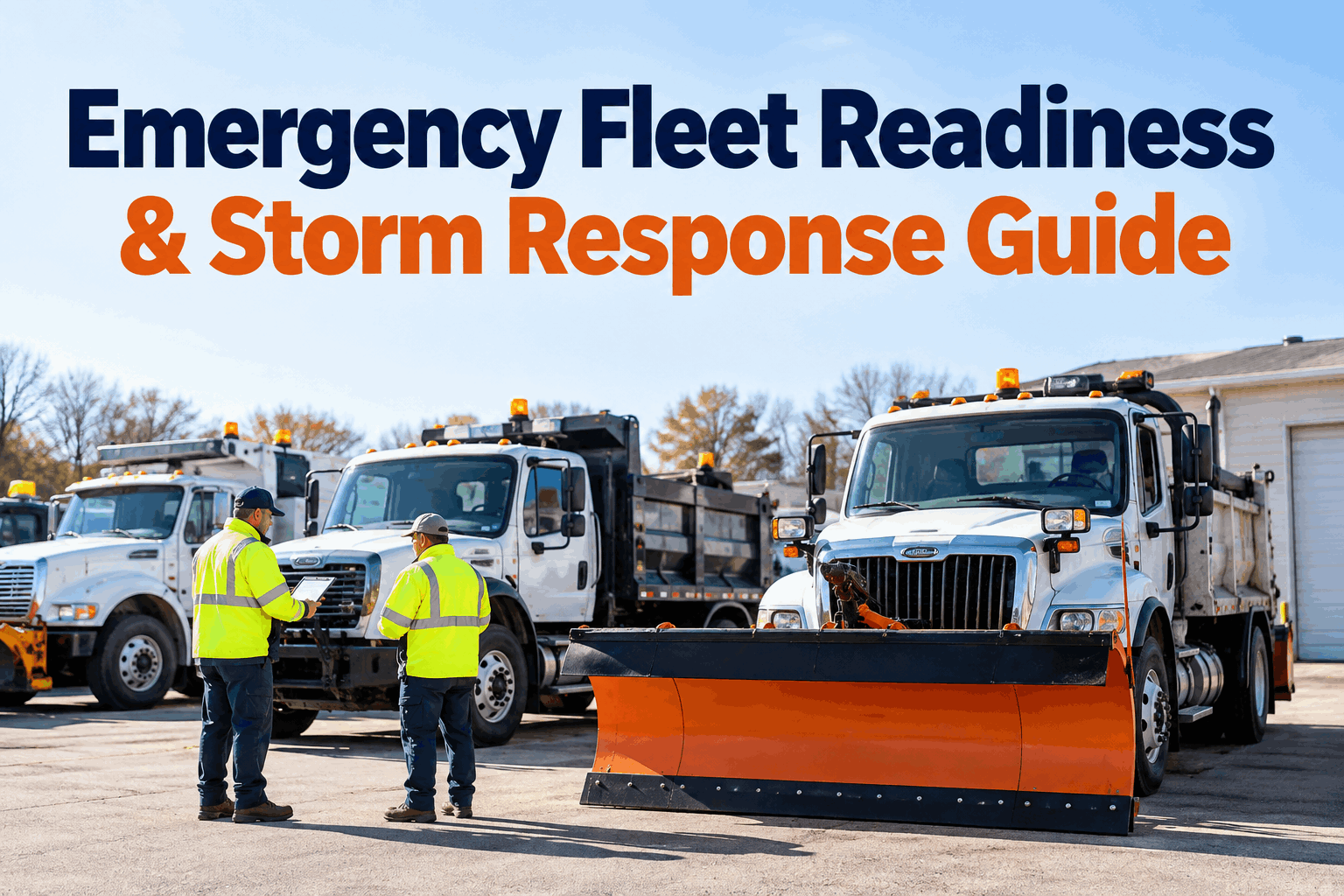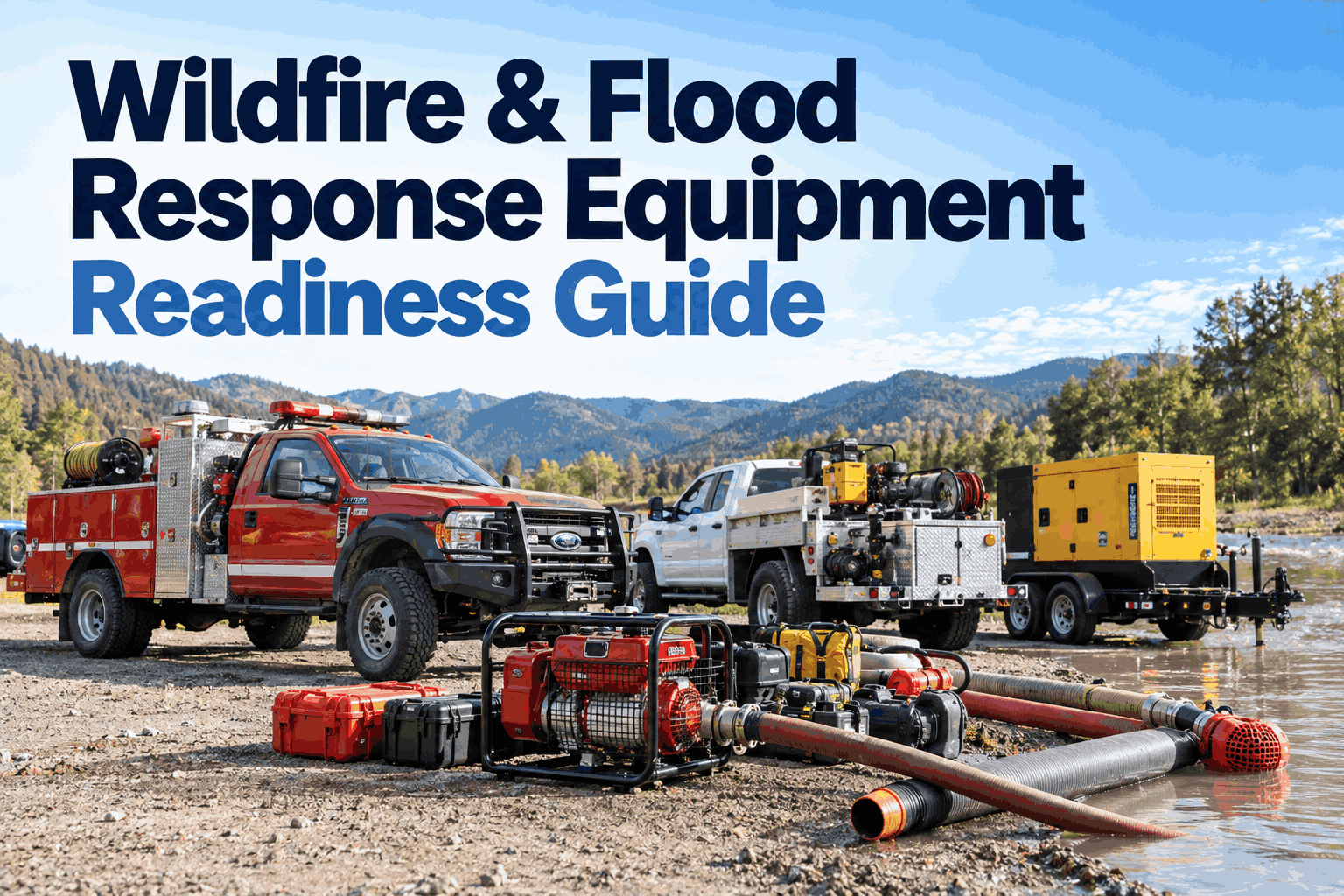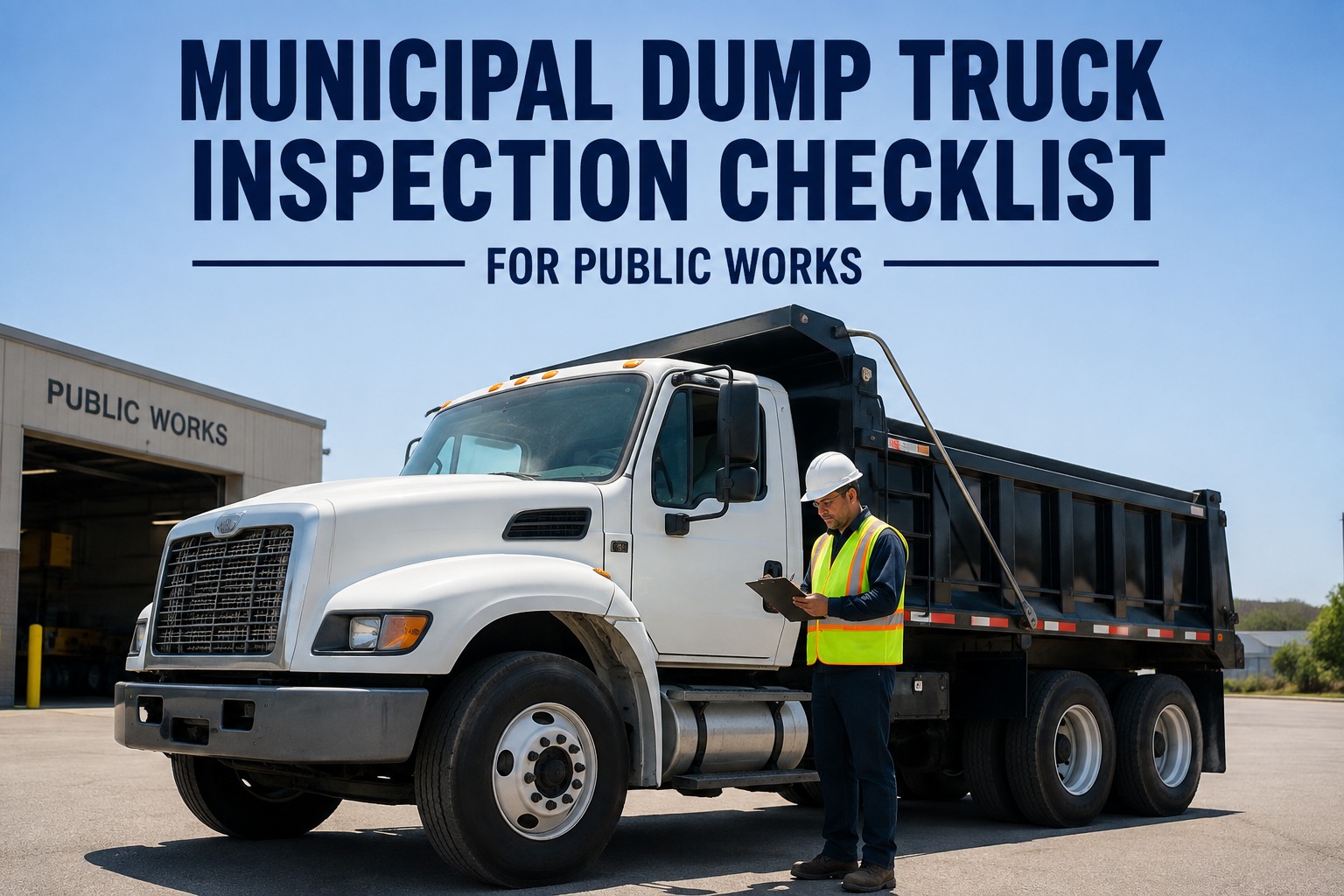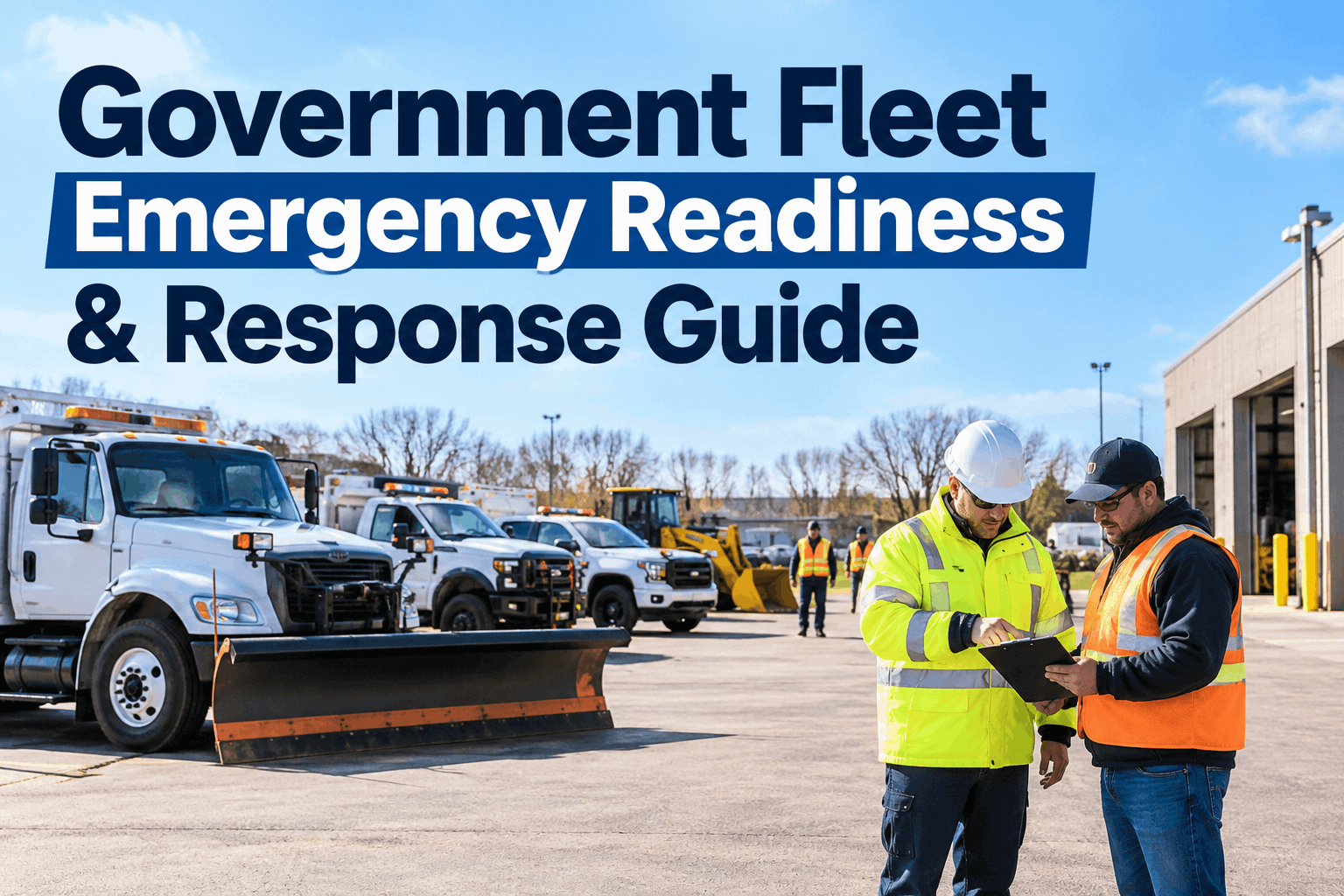
Government fleet emergency readiness is tested when a storm, wildfire, flood or major outage turns a routine municipal fleet into a response resource. A truck listed as “available” may still have an overdue inspection, a weak battery, an unresolved hydraulic defect or no confirmed operator. The practical goal is to know which assets are mechanically ready, which require attention and which can be assigned by the incident team. Book a demo to explore emergency fleet inspection and maintenance tracking with HVI.
Government Fleet Emergency Readiness: From Yard Check to Response
Turn inspections, maintenance status and equipment records into a reliable picture for fleet supervisors—before response teams need the vehicles.
What “ready” means when an emergency begins
Mechanical condition is one part of a larger go/no-go decision. Use separate checks so a healthy vehicle is not confused with a fully deployable response unit.
Mechanical readiness — fleet team
- Pre-trip inspection and open defects reviewed
- Preventive maintenance and service due dates checked
- Tires, brakes, lights, fluids and attachments verified
- Equipment service records available to the supervisor
Deployment readiness — response team
- Qualified operator and relief coverage confirmed
- Fuel, supplies, PPE and communications arranged
- Route access, staging location and task assigned
- Incident command authorizes the assignment
HVI supports the fleet-side inspection and maintenance record. Emergency command, personnel certification and dispatch authorization remain separate operational responsibilities.
A fleet readiness board that tells supervisors what to do next
Do not present a single green fleet percentage without showing the exceptions. An asset-level list makes a defect, a missing inspection and a maintenance hold actionable.
| Asset / response role | Inspection | Maintenance | Fleet decision |
|---|---|---|---|
| PW-204 · Plow truckSnow clearance | Passed today | Current | Ready for assignment review |
| PW-118 · Dump truckDebris hauling | Defect recorded | Hydraulic hose repair | Hold / repair |
| PW-077 · LoaderRoad clearance | Not yet verified | Current | Inspect first |
| PW-310 · Service truckField support | Failed | Brake defect open | Out of service |
Fleet teams can use digital inspections and linked maintenance records to make these reviews less dependent on paper. Sign up free to organize pre-deployment vehicle inspections and establish a consistent record before the next event.
From weather warning to safe mobilization
Assign a decision owner to each checkpoint. The objective is not to promise every asset will be available; it is to find blockers early and document what changed.
Forecast and prepare
Review high-priority response assets, scheduled PM, open work orders, consumables and backup equipment. Confirm where inspections will take place.
Inspect and clear
Perform documented checks, identify defects, prioritize repairable issues and place unsafe assets on hold. Communicate fleet availability to emergency management.
Monitor and support
Record emerging defects, service needs and field repairs. Coordinate safe equipment substitutions through the response command structure.
Recover and learn
Inspect returned equipment, document damage and repair work, replenish parts and review failures that reduced response capacity.
The pre-deployment inspection: check the vehicle and the mission equipment
A standard roadworthy inspection is necessary, but emergency assignments add attachments, auxiliary equipment and mission-specific loads. Adapt the checklist to each asset type and the manufacturer’s instructions.
Brakes, steering, lights, tires, mirrors and fluid leaks.
Plow blades, hydraulic lines, pumps, generators or other assigned attachments.
Fuel/charge level, required tools, PPE and approved emergency equipment.
Document defects, assign repair action and prevent unsafe equipment from being cleared.
For mixed public works fleets, inspection templates should reflect each machine's hazards rather than treating a plow truck, loader and service vehicle identically. Book a demo of HVI vehicle inspections for emergency fleet preparation to see how maintenance teams can structure their checks.
Match serviceable equipment to the mission—not just the nearest yard
Response leaders need capacity by function. Use a simple resource map to show the difference between available equipment and equipment that is actually appropriate for the job.
Plows, loaders, dump trucks
Confirm blade, hydraulic and tire conditionService trucks, generators, pumps
Confirm service records and auxiliary equipmentFuel, transport and repair units
Confirm mobility, supplies and field repair capacityFour metrics that make readiness measurable
A single fleet-ready percentage can hide a critical shortage. Track the condition of priority assets separately from the whole fleet.
Example: 9 of 12 priority assets ready = 75%. This does not mean the response mission is 75% covered.
Track the number, affected mission types and time to resolution. Zero is the desired condition before release.
Use a clearly defined inspection window and exclude no vehicle without recording the reason.
Compare similar equipment and events; separate repair delay from inspection and parts delays.
Use the same definitions across events so a readiness trend is comparable. Sign up free to keep fleet inspection and maintenance records organized before the next reporting cycle.
The emergency is over. The fleet recovery work is not.
Long shifts, debris exposure, high idle time and temporary repairs can leave equipment with defects that do not appear until the next deployment. A structured return-to-service process protects the next response.
Receive
Log operating hours, damage reports and field repairs.
Inspect
Check brakes, tires, undercarriage, fluids and mission equipment.
Repair
Create or update work orders; verify corrective work.
Restore
Replenish supplies, close records and return the asset to service.
HVI's preventive maintenance, inspections and repair records can help maintenance teams retain this history between events. Book a demo to review post-disaster fleet maintenance records and see how the information can support future readiness planning.
Government fleet emergency readiness checklist
Use this as a starting point and tailor it to local hazards, agency procedures, mutual-aid agreements and equipment manuals.
Before the season
- Identify critical assets and backup capacity
- Review PM schedules and outstanding defects
- Verify emergency attachments and equipment
- Confirm parts, fuel and service support plans
Before mobilization
- Complete required pre-deployment inspections
- Record and resolve safety-critical defects
- Share fleet availability with response leaders
- Confirm qualified operators and communications
After deployment
- Collect operator reports and equipment hours
- Inspect and document new damage
- Prioritize repairs and replenish supplies
- Review readiness gaps for the next event
Government fleet emergency readiness: FAQs
What is government fleet emergency readiness?
It is the ability of a public fleet to support emergency operations with suitable, serviceable equipment and the people, supplies and coordination required to deploy it. Fleet maintenance readiness is an essential component but not the entire response plan.
What should an emergency vehicle inspection checklist include?
Include roadworthiness items such as brakes, tires, steering, lights and leaks, plus mission-specific equipment such as plows, pumps, generators or hydraulics. Use manufacturer instructions, local policy and the vehicle's operating conditions to determine the full checklist.
How often should government fleets check emergency equipment?
Set intervals based on manufacturer requirements, regulatory obligations, use, risk and local emergency plans. Seasonal readiness reviews and checks before deployment supplement—not replace—routine preventive maintenance and required inspections.
How can municipalities measure fleet mobilization readiness?
Track serviceable priority assets against required assets, current inspections, open critical defects and recovery time after deployment. Keep mechanical readiness separate from staffing and incident-command authorization.
How can HVI support government fleet emergency preparedness?
HVI can support the maintenance side through digital inspections, preventive maintenance schedules, work orders and vehicle service history. These records help supervisors identify equipment needing attention; they do not replace emergency dispatch, incident command or operator qualification processes.