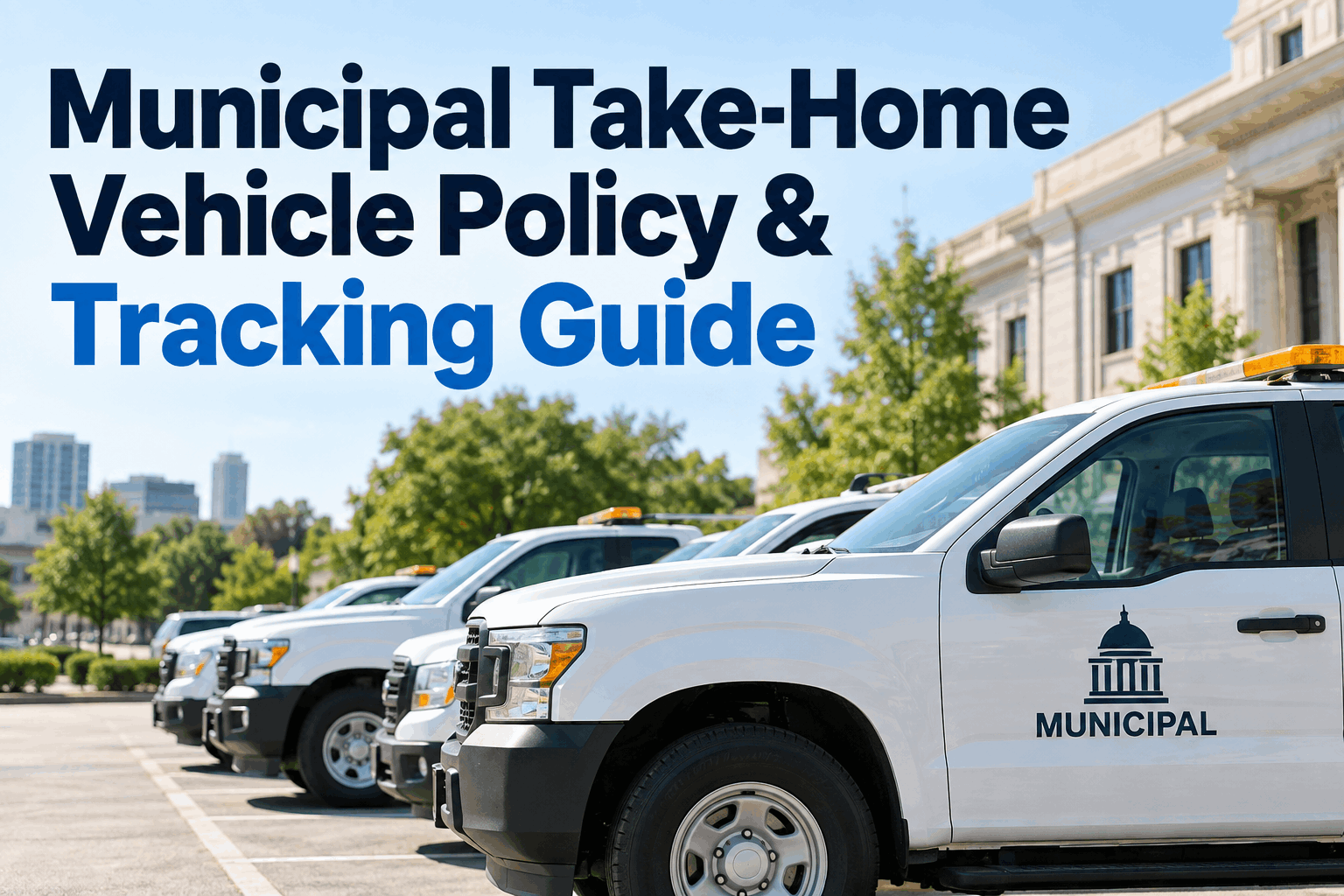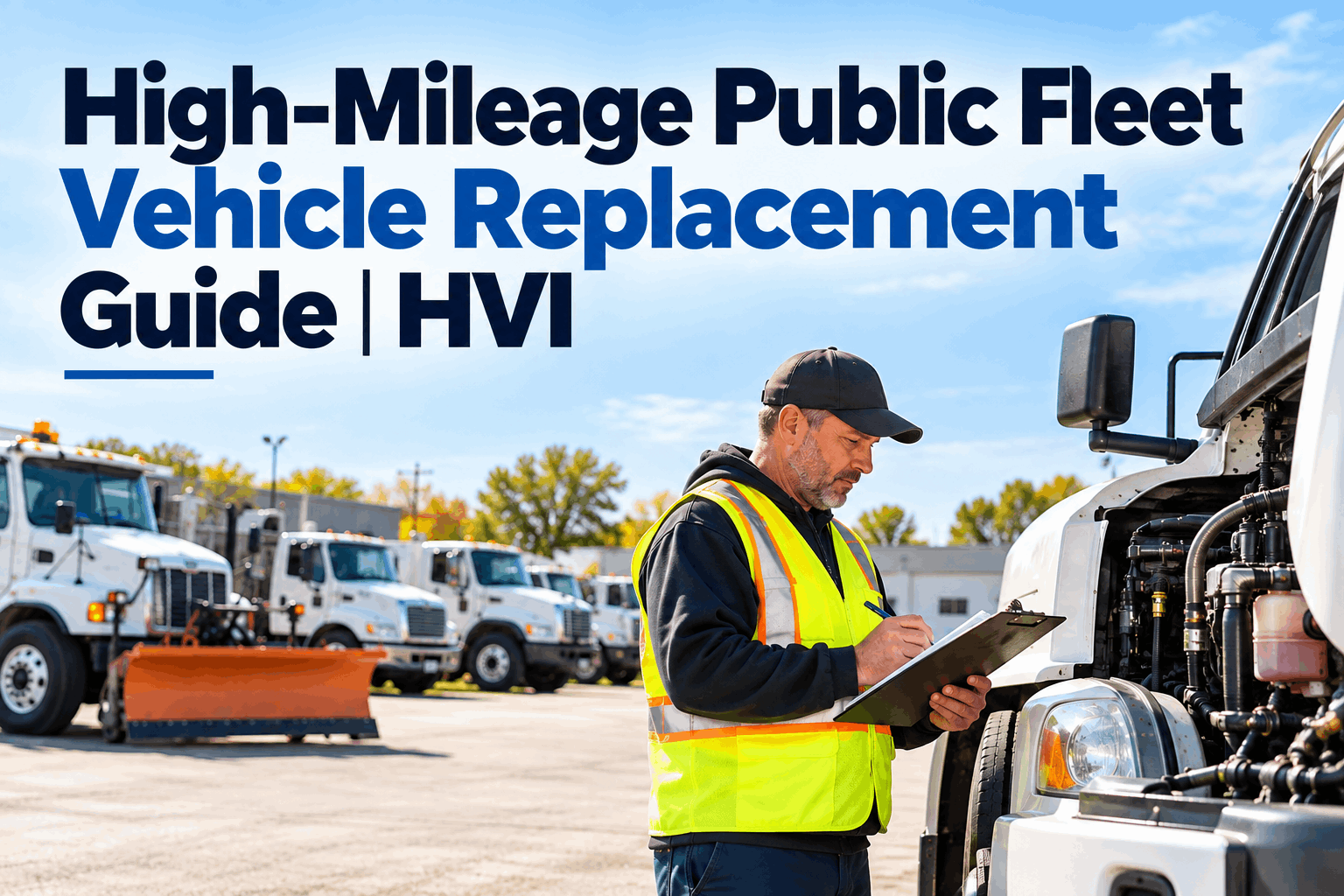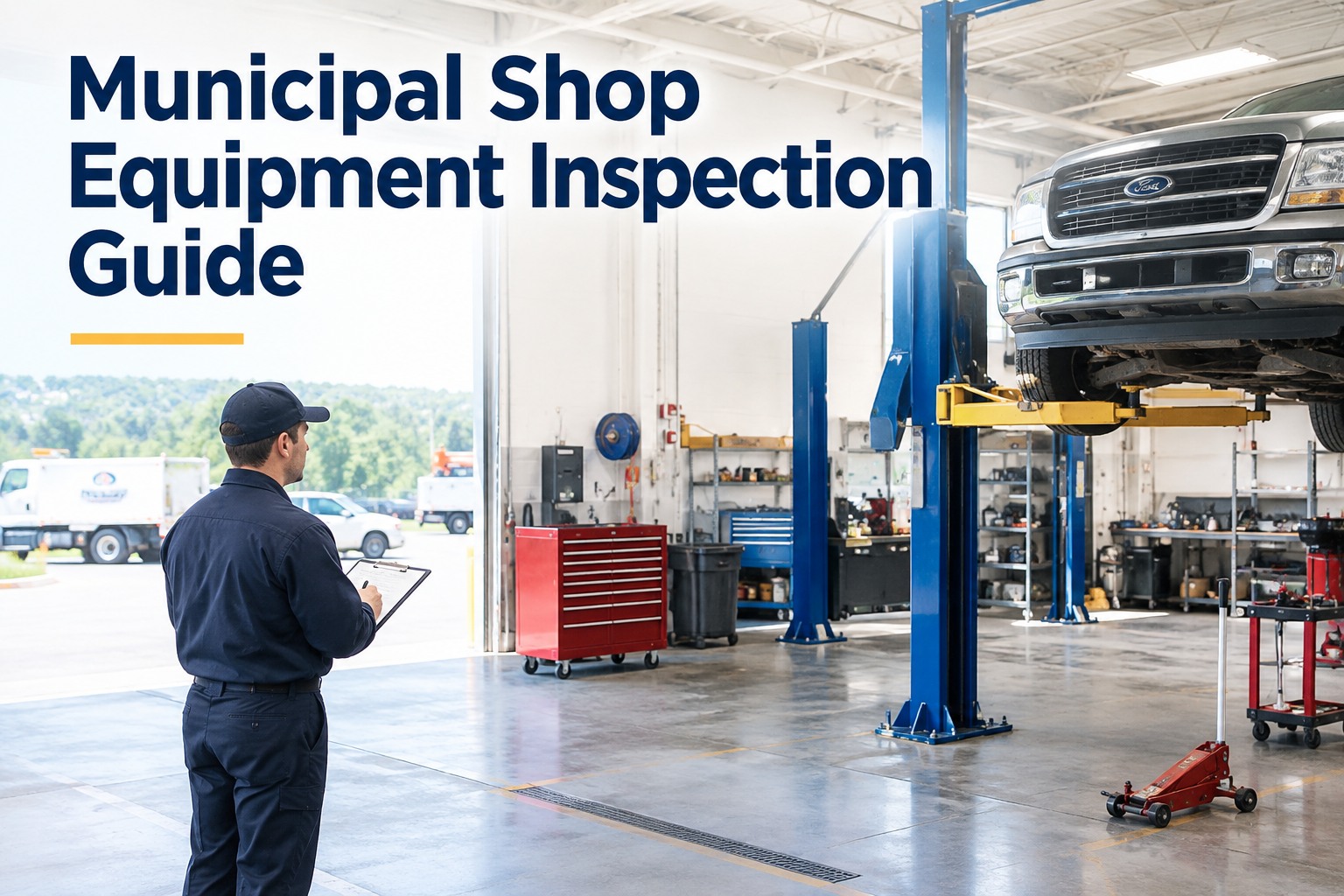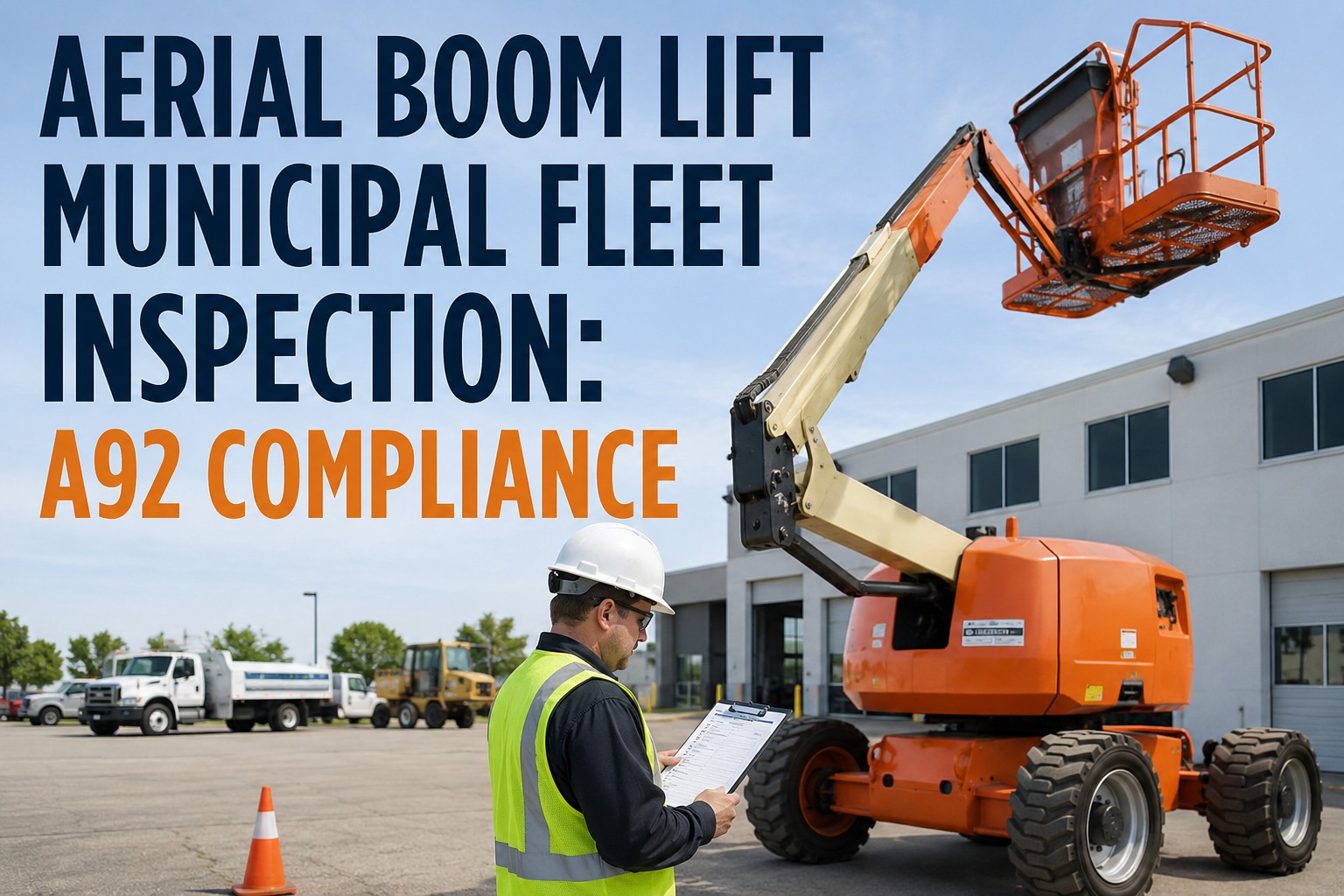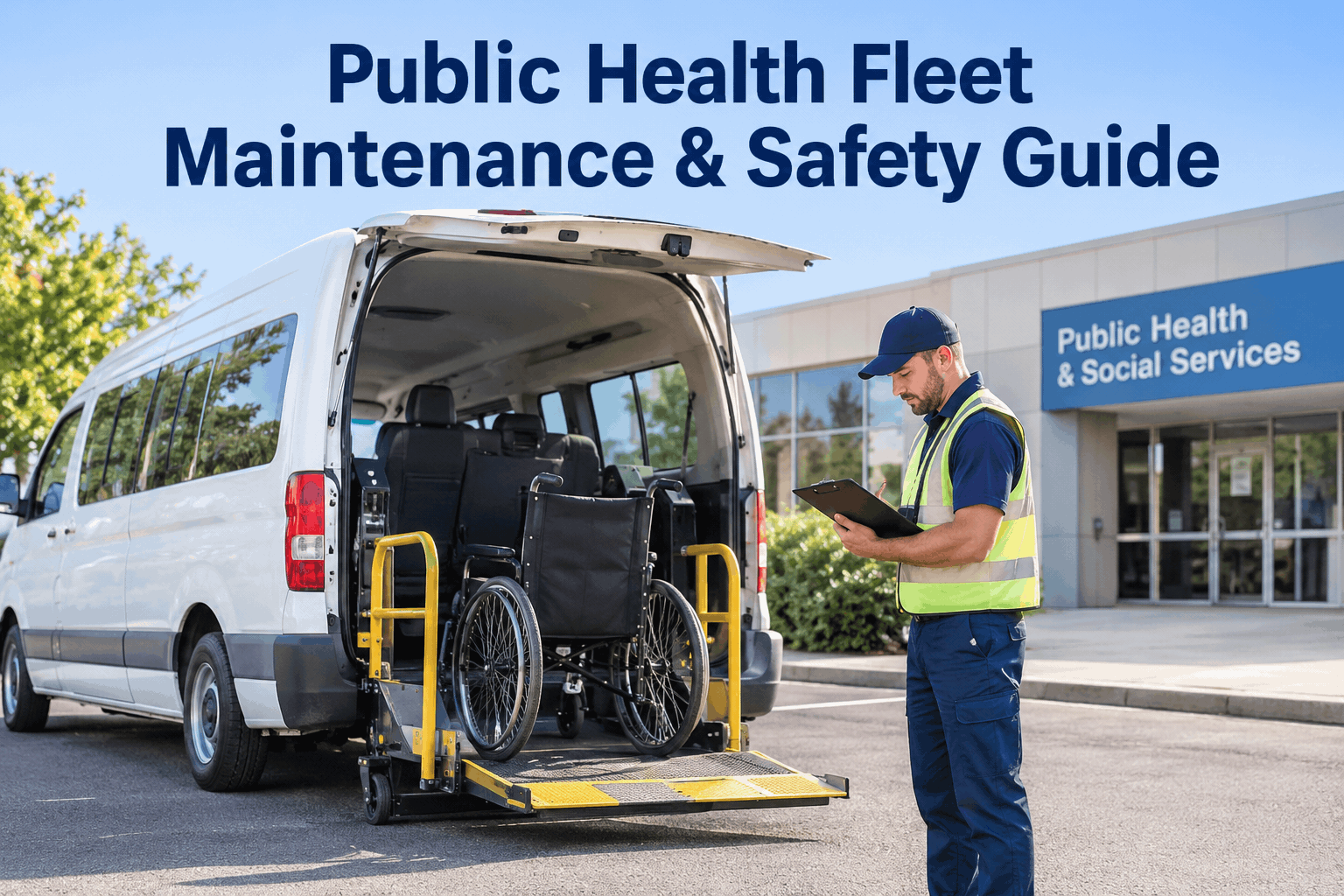
A wheelchair lift that grinds halfway out and stops isn't a maintenance footnote — it's a client left at the curb, a missed dialysis appointment, and a dispatcher scrambling for a backup vehicle that's thirty minutes out. Public health fleet maintenance has to cover the engine and the lift at the same time, because either one failing takes a client transport route off the road. Book a demo to see accessibility equipment checks built into every inspection.
Sedans, vans, minibuses and wheelchair-accessible vehicles that carry clients to appointments need two things checked every visit: the vehicle, and the lift, ramp or restraint system that makes the trip possible at all. Schedule both on one calendar.
A health or social services fleet rarely looks demanding on paper — short trips, low mileage, vehicles back at the lot most nights. What a mileage log won't show is the curb time waiting for a client, the daily cycling of a wheelchair lift under real weight, or whether yesterday's securement check actually got documented. Below is how to build a maintenance program that covers both the drivetrain and the equipment a client depends on.
When a lift fails mid-routethe sequence federal rules expect — and what it costs if a step is skipped
Agencies receiving federal transit funding operate accessible vehicles under 49 CFR Part 37, which treats a lift failure as more than a mechanical issue — it's a service failure with a required response. Knowing the sequence in advance is what keeps a bad morning from becoming a documented violation.
The gap most programs fall into isn't the repair — it's step one and step four: a defect a driver mentions in passing but never formally logs, or a work order closed without confirming the lift actually passed a retest. Book a demo to see how HVI closes that documentation gap.
Why this fleet needs its own programthe numbers behind client-transport vehicles
The accessibility equipment checklistwhat a general vehicle inspection leaves out
A lift, ramp or securement system takes its own kind of wear — hydraulic cycling, salt and debris in the tracks, cords that fatigue at the strain relief. None of that shows up on a standard oil-and-tire checklist, so it needs its own line items, every time.
Run this alongside the standard pre-trip and the vehicle doesn't leave the lot with an equipment issue nobody caught. Build this as a reusable template in HVI's checklist center.
Where lift problems slip throughtwo documentation gaps compliance reviews find most often
Both gaps are process problems, not maintenance problems — the lift might genuinely be fine, but if there's no record showing it was checked and confirmed, that's indistinguishable from it never being checked at all. A signed digital inspection report for every pre-trip and every repair closes both at once. Start free and put a signed record behind every lift check.
One department, four vehicle typeswhy a single checklist never fits all of them
Running every vehicle class off one generic checklist means the accessible vans either get checked against a list that's missing half of what matters, or the sedans carry equipment checks that don't apply to them. A separate, configurable template per class in HVI keeps each inspection relevant to the vehicle doing it.
A social services fleet coordinator on closing the gapwhat changed after a near-miss with a stranded client
We had a driver mention a lift was "acting up" at a staff meeting — not on a report, just in conversation. Three weeks later it failed with a client waiting outside in a power chair, and we had no record that anyone had ever been told. That's what pushed us to build a real checklist for the accessible vans and require a signed inspection before every shift. Now if a driver notices anything, it's documented the same morning, and a work order exists before it becomes someone's missed appointment.
Public health fleet maintenance FAQswhat fleet and operations teams ask most
What is public health fleet maintenance?
It's the maintenance program covering vehicles that public health and social services departments use to transport staff and clients — sedans, vans, minibuses and wheelchair-accessible vehicles. It combines standard preventive maintenance with equipment-specific checks for lifts, ramps and securement systems.
How often should wheelchair lifts and ramps be inspected?
Agencies operating under 49 CFR Part 37 must run regular and frequent maintenance checks sufficient to confirm a lift is operative, and most programs run a full deploy-stow-latch cycle test at every pre-trip. Follow manufacturer instructions for scheduled servicing on top of the daily check.
What happens if a wheelchair lift fails during a client transport route?
The vehicle can't continue carrying a client who needs the lift. Federal rules under § 37.163(f) require an accessible substitute vehicle to reach the stranded client promptly, so dispatch needs a backup vehicle identified before a failure happens, not after.
What should an accessibility equipment inspection checklist include?
A full lift or ramp deploy-stow-latch cycle, outer barrier latching, control pendant and cord condition, wheelchair securement points, passenger restraints, and kneeling system function where equipped. Each item should be a required line, not an optional note.
How does HVI help document accessibility equipment inspections for compliance?
HVI lets fleet teams build vehicle-specific checklists that include accessibility equipment items, and produces a signed inspection report each time a driver or technician completes one — giving a fleet office a defensible record for every lift, ramp and securement check, subject to the features available in your setup.
Keep client transport running, not grounded
Public health fleet maintenance has to protect both the drivetrain and the accessibility equipment a client depends on. Let HVI schedule calendar-based PM, run a configurable checklist for every vehicle class, and produce a signed inspection report behind every lift, ramp and securement check.
- Calendar-based PM scheduling
- Configurable checklists per vehicle class
- Signed inspection reports
- Defect-to-work-order tracking