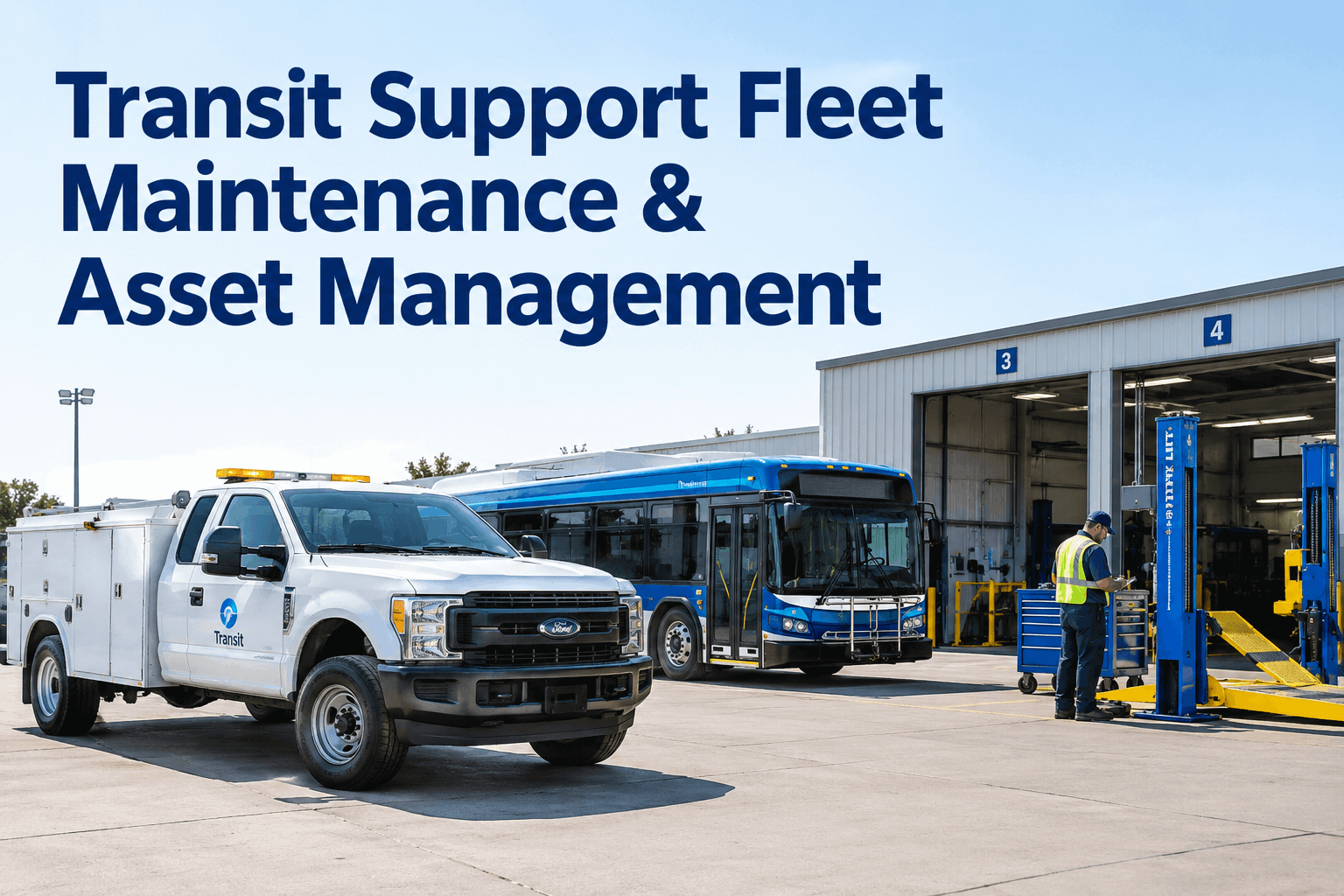
The buses get the attention, but one failed road-call truck, bus lift or wash system can stall a whole depot.Transit support fleet maintenance covers all of those non-revenue assets, and each one wears out differently. Here's a visual guide to scheduling, inspecting and costing them in one place.
Transit Support Fleet Maintenance Means Four Fleets Under One Roof
Ask an agency how many vehicles it maintains and you'll hear a bus count. Ask how many assets keep those buses rolling and the number doubles. Each group below fails in its own way, so each needs its own schedule.
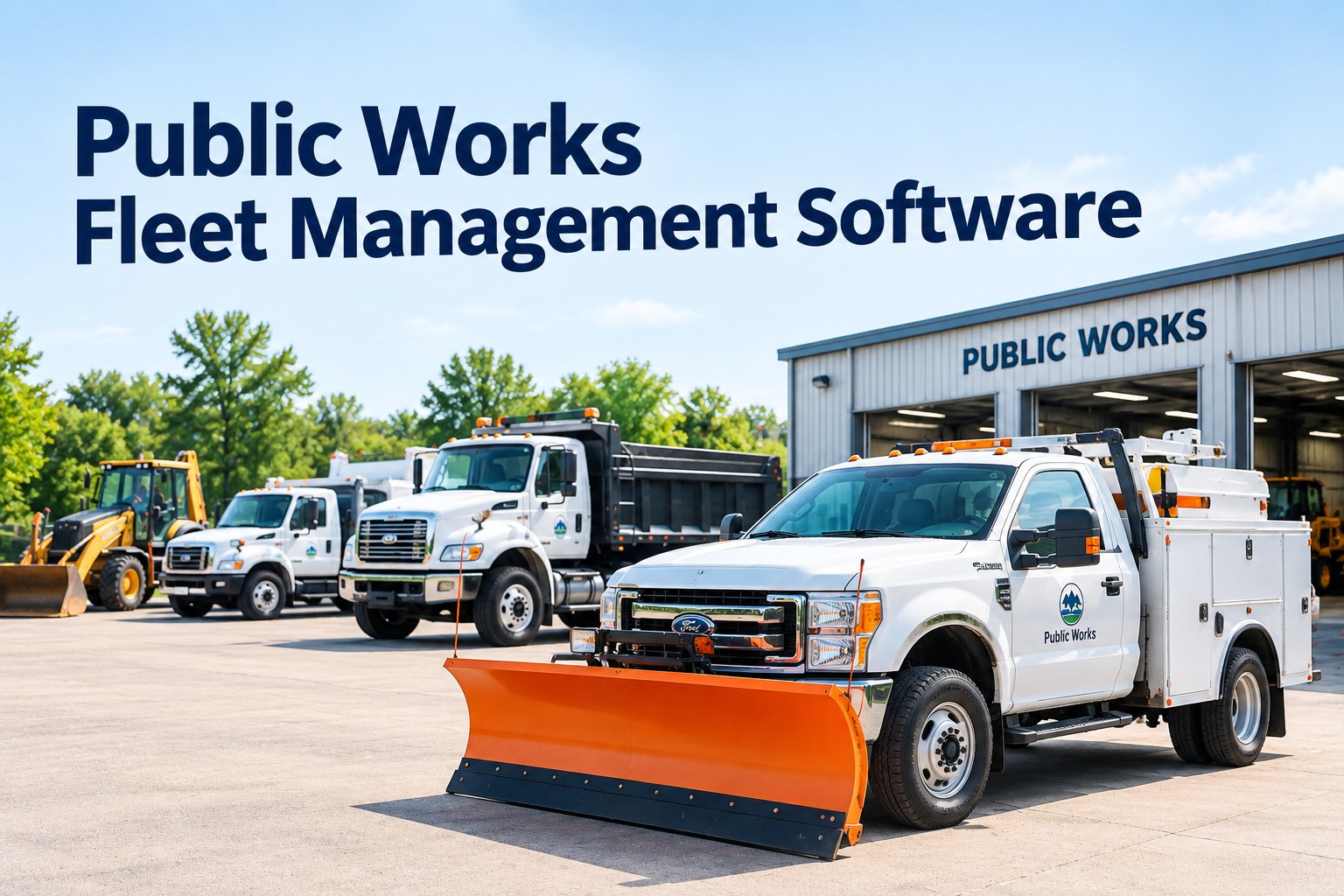
Road & Support Vehicles
Mileage + calendarSupervisor cars, road-call and tow trucks, parts vans.
Fails as: a road-call truck that breaks down on the way to a breakdown.
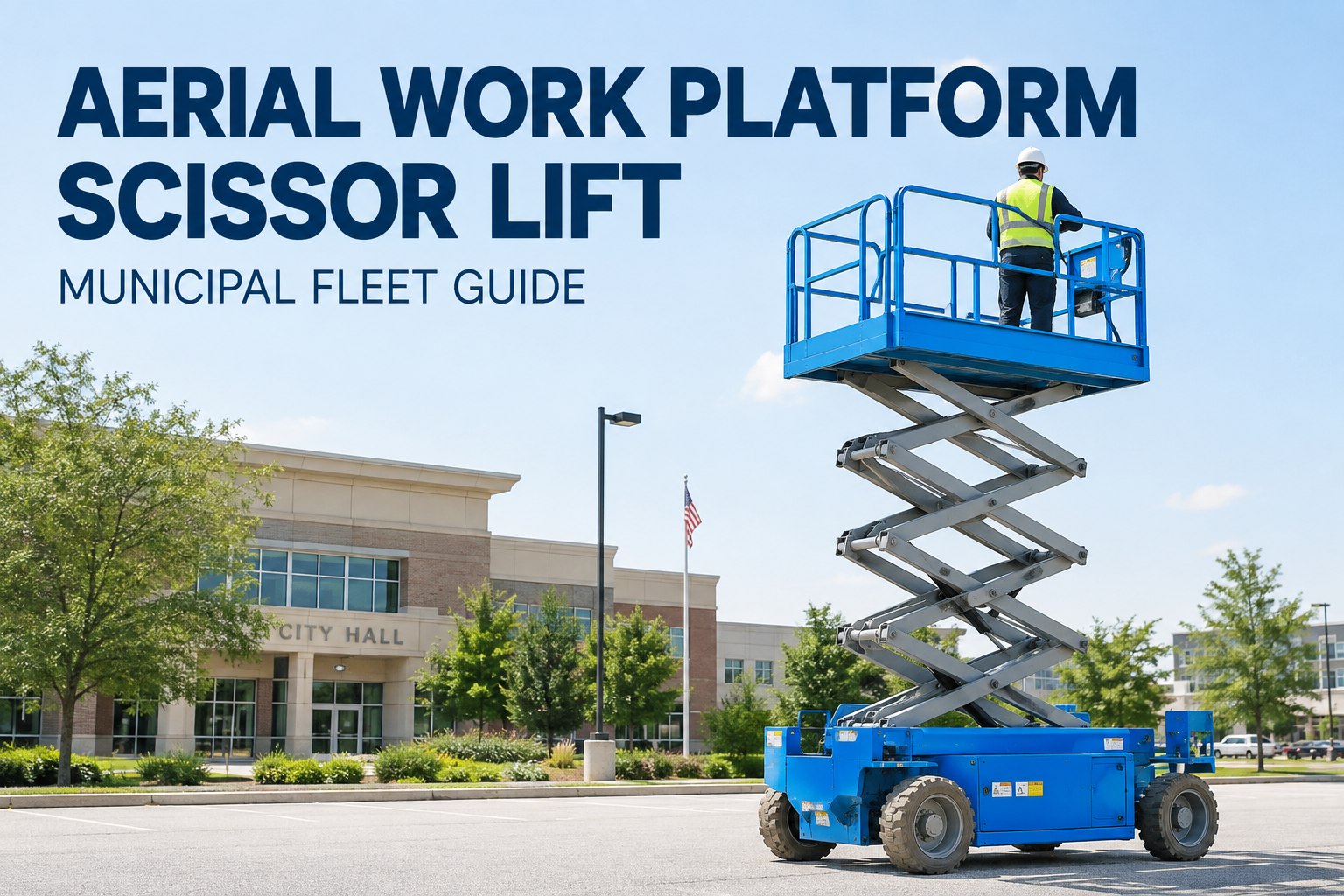
Bus Lifts & Shop Equipment
Hours / cycles + calendarIn-ground lifts, jacks, hoists, compressors.
Fails as: a load-bearing fault that becomes a safety incident, not just downtime.
Wash & Facilities Systems
Calendar-basedBus wash tunnels, fuel islands, depot building systems.
Fails as: a jammed wash bay that backs up every bus leaving the yard.
Safety & Depot Backup
Calendar + test runsGenerators, battery chargers, emergency equipment.
Fails as: a backup unit that won't start the one night you need it.
The gap rarely shows up as one big failure. It shows up as a road-call truck that missed an oil change because it never made the "real" maintenance calendar, a lift whose last certification date lives in a binder nobody has opened, or a wash repair logged as a general facilities expense instead of against the asset that broke. Across forty or fifty support assets, those small misses add up to the unplanned downtime and compliance exposure agencies work hard to avoid on the bus side.
Most spreadsheets were built around the bus and never stretched to cover the rest. Book a demo to see all four asset groups on one calendar, or read how maintenance management for mixed assets works.
Match the Trigger to the Asset in Transit Non-Revenue Fleet Maintenance
A wash system has no odometer, and a lift that sits for three weeks wears differently than one cycling all day. Flexible preventive maintenance triggers let each asset follow the clock that actually matches its wear.
Mileage
Best for: road-call trucks, supervisor vehicles
Catches: brake, tire and fluid wear from real road use
Engine Hours / Cycles
Best for: lifts, compressors, hoists
Catches: load wear that mileage can't measure
Calendar
Best for: wash systems, generators, low-use gear
Catches: corrosion, seal and battery decay while idle
The matrix below shows how most depots split it. Vehicles lean on mileage with a calendar backstop for weeks of idle time, lifts and compressors follow hours or cycles, and anything that mostly sits waiting, like a generator or a wash arm, runs on the calendar. Not sure how your own assets should be split? Book a demo and map these triggers to your asset list in one short call.
Primary trigger Optional add-on. Always set intervals from manufacturer instructions and your agency's requirements.
From Scattered Spreadsheets to One Calendar in Four Steps
- 1
List every asset
Vehicles, lifts, wash systems, generators. If it supports the depot, it gets a record.
- 2
Assign an inspection template
A road-call truck and a lift should never share the same checklist.
- 3
Set the right PM trigger
Mileage, hours or calendar. Work orders raise themselves before the failure, not after.
- 4
Track cost by department
Every repair and part lands on the asset and department that caused it.
None of these steps needs a big rollout. Start with one asset group, prove the schedule works, then add the next. Defect reports from the checklists feed straight into work orders, so a flagged hydraulic leak on a lift becomes a task for a technician instead of a note on a clipboard.
Teams usually start with whichever asset group caused the last headache, often the lift, since a missed load inspection carries safety weight. Sign up free and build your first asset group today.
Transit Service Vehicle Maintenance Checklist You Can Use Today
Most pre-trip forms are written for buses and copied onto everything else, which is how a supervisor truck ends up with a wheelchair-lift line it will never use while the wash system has no checklist at all. A good support-fleet form is short, specific to the asset and signed off every time. Here are two examples to adapt.
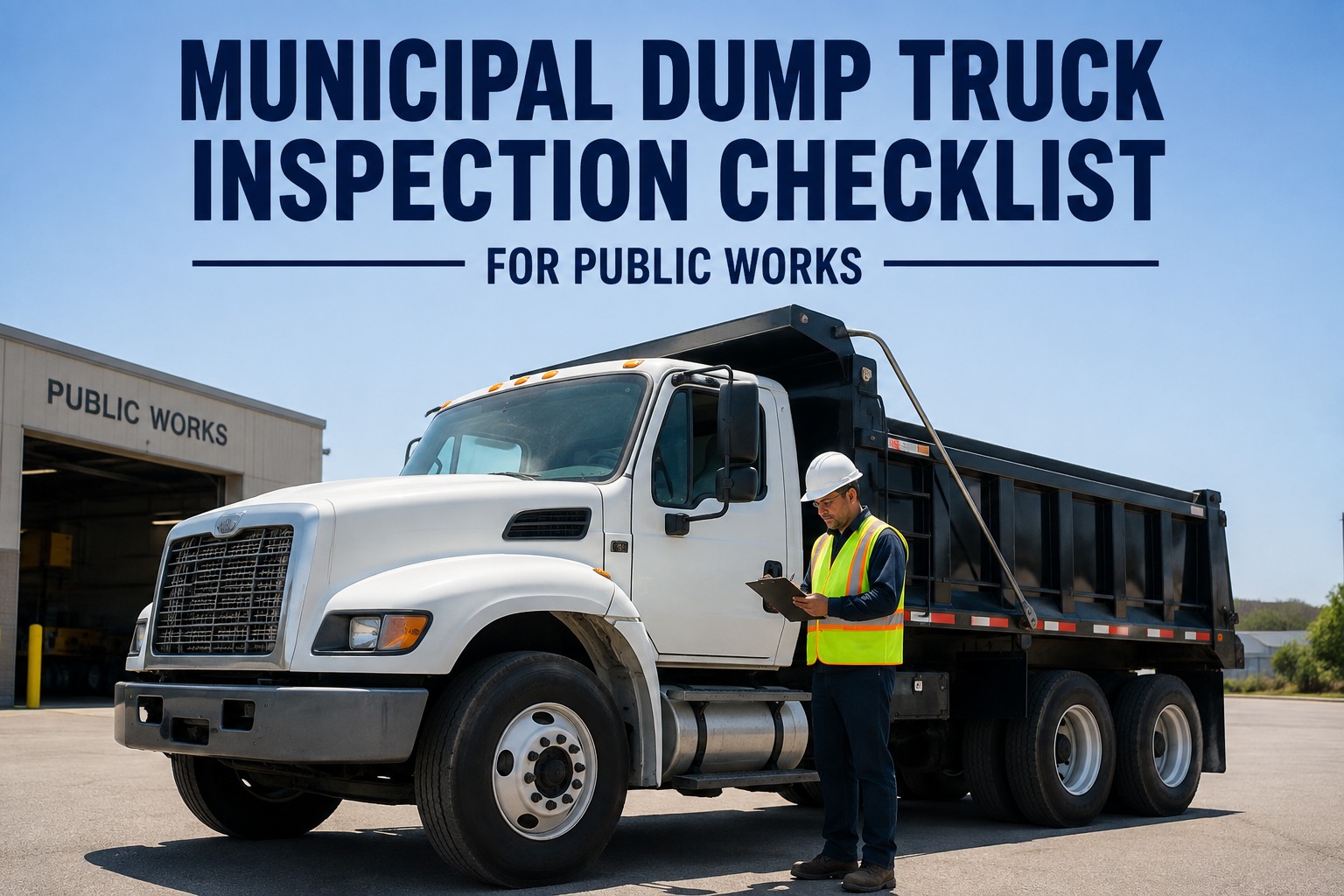
Road-Call Truck — Daily
- Tow gear, winch line and hitch secure
- Beacon and hazard lights working
- Emergency kit and spare parts complete
- Brakes, tires and fluids in range
- Radio or dispatch link confirmed
Bus Lift — Before Use
- Hydraulic lines and fittings free of leaks
- Lift arms, pads and locks undamaged
- Safety stops and locking latches engage
- Area clear and controls responding
- Last service and inspection date current
Build each one once as a digital inspection template and every defect becomes a timestamped record. Sign up free to turn these checklists into mobile templates for your crew. Adapt items to manufacturer instructions and applicable regulations.
Transit Facilities Equipment Maintenance Costs, Finally Visible
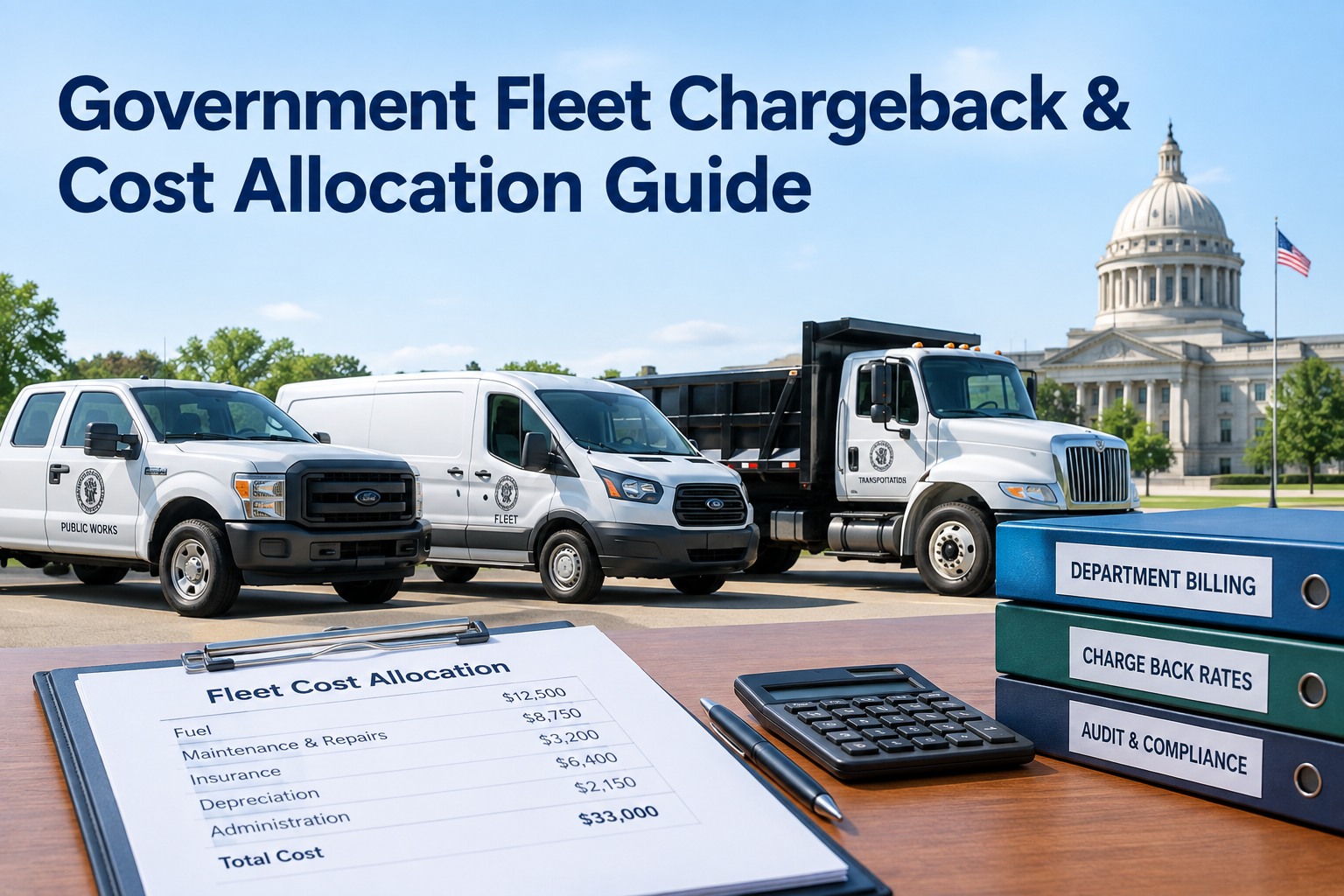
When support costs hide inside one general fleet line, a wash system that keeps eating repair budget never gets noticed. Splitting them by asset group changes the budget conversation.
One blended line
"General fleet maintenance." No answer to which asset is costing the most.
Four visible lines
Each repair and part tagged to its asset and department. Illustrative split.
That detail matters most at capital-request time. "The wash system cost us noticeably more in repairs than last year" is a far stronger case for replacement or a service-contract change than "facilities costs are up." The difference is whether the data was tagged to the asset when the work happened.
Book a demo to see department-level cost tracking on your own asset list, or explore maintenance analytics and reporting first.
What Maintenance Managers Say About Mixed Support Fleets
If this sounds familiar, book a demo to compare notes before your next budget cycle.
Our buses were tracked to the mile. The support trucks and the wash equipment were tracked by memory. A lift failed its annual load check and we had no record of when it was last serviced, just the longest-serving tech's best guess.
Once vehicles, lifts and the wash system each had their own schedule in one system, the real change was being able to tell the board exactly what the support fleet costs instead of pointing at one lump number.
Frequently Asked Questions
What counts as a transit support or non-revenue fleet?
Any asset that keeps transit running without carrying fare-paying passengers: supervisor vehicles, road-call and tow trucks, bus lifts, wash systems, fuel islands, generators and other depot equipment.
Why do non-revenue vehicles need a different maintenance approach than buses?
Buses follow predictable mileage, while support assets run on mileage, hours, cycles or sit idle. One trigger type misses too much, so each group needs the schedule that matches how it wears.
How often should bus lifts and shop equipment be inspected?
Follow the manufacturer's interval and any safety certification requirements for load-bearing equipment. Add calendar-based checks for lifts that sit unused for stretches.
Can one system track vehicles, lifts and wash systems together?
Yes, if it supports multiple PM trigger types and configurable inspection templates. HVI lets each asset category run its own mileage, hour or calendar schedule in a single maintenance calendar.
How do agencies track support fleet costs separately from the main budget?
Tag maintenance activity, parts and labor to the asset category or department when logging it, then report on each group separately instead of rolling everything into one fleet line.
Make Transit Support Fleet Maintenance Visible
The assets behind the buses don't need more attention, they need the right schedule, the right checklist and their own cost line. Set those three things up once and the surprise failures get rarer and the budget conversation gets easier.
Bring Your Whole Transit Support Fleet Into One Maintenance System
Give every asset group the inspection template and PM trigger it needs, with department-level cost visibility built in.
No credit card · Configure your first asset category today