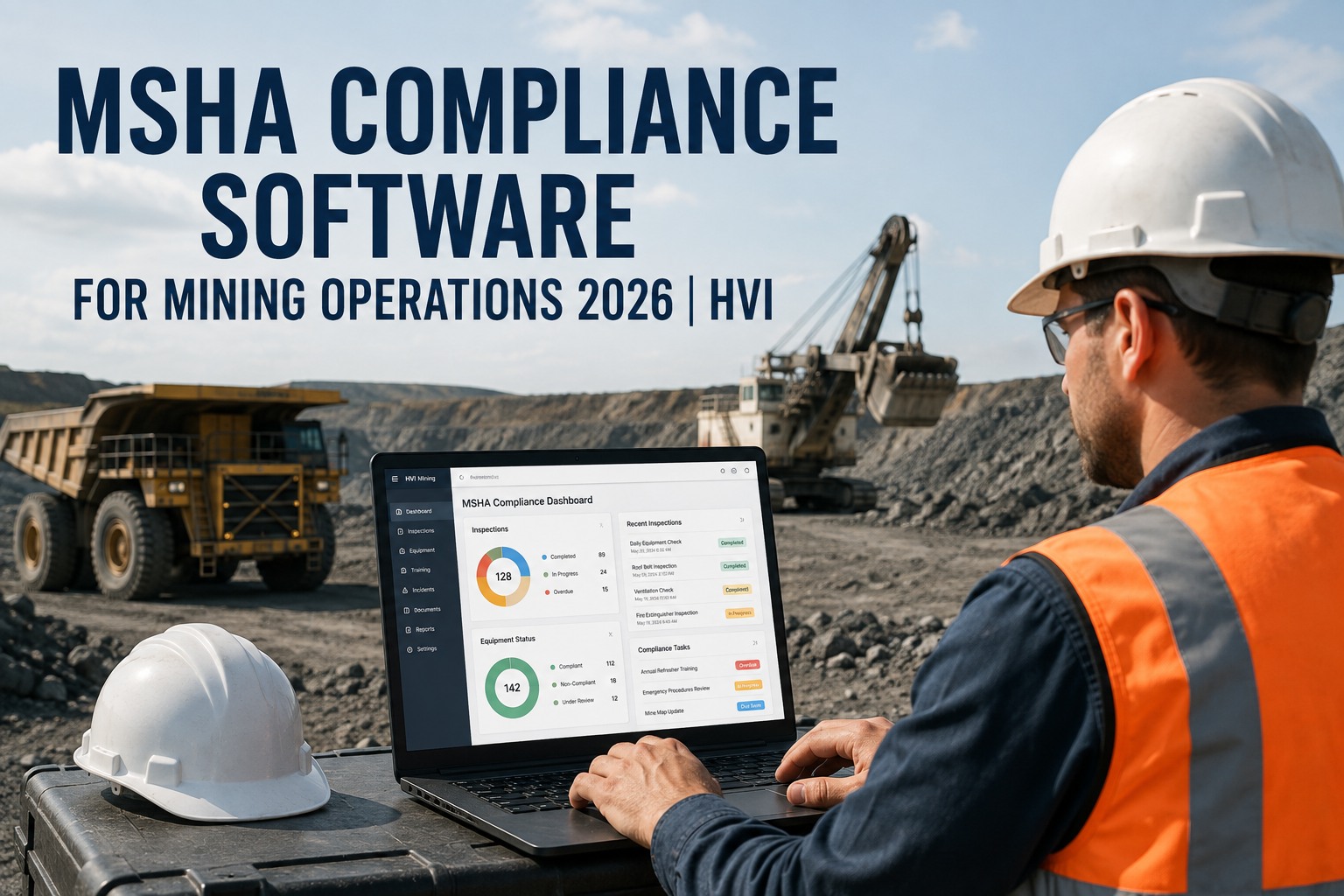
If you have been tracking the MSHA silica rule 2026 status through industry newsletters, you have probably seen at least three different versions of where things stand, and most of that published guidance is now out of date because the regulatory position has moved repeatedly over the past eighteen months. The 2024 final rule that would have introduced a new 30 CFR Part 60 with a tightened permissible exposure limit is currently caught in litigation and stayed, meaning MSHA is enforcing the pre-existing standards today, but the silica hazard in your mine has not gone anywhere while the lawyers argue. Here is what that means practically for your operation and why you should keep preparing your dust control and sampling programs regardless, and you can walk through the compliance tracking on a call if you want to see how to keep your records straight while the rules shift.
MSHA Silica Rule Status
The 2024 rule is stayed. The silica hazard is not.
The Eighth Circuit put the new 50 µg/m³ PEL on hold in April 2025. MSHA is back to enforcing the older standards in 30 CFR Parts 56, 57, 70, 71, 72, 75 and 90. Here is what actually applies to your mine today, and why delaying your preparation is the most expensive move you can make this year.
PEL in the stayed 2024 rule
Action level that would have triggered sampling
Pre-existing CFR parts still in force
Silica hazard unchanged while litigation continues
Timeline of the Rule
How the MSHA silica rule got to where it is in 2026
The regulatory position has shifted three times since the original proposal, and most general industry summaries printed before mid-2025 simply do not reflect the current enforcement reality.
2024
Final rule published
MSHA published the final rule that would have added 30 CFR Part 60, setting a new permissible exposure limit of 50 micrograms per cubic metre and an action level of 25 for respirable crystalline silica across metal, nonmetal and coal operations.
April 2025
Eighth Circuit stay issued
The Eighth Circuit issued a stay of the rule while litigation proceeded, putting the new Part 60 PEL and its conforming amendments on hold and freezing the compliance dates that mines were actively preparing to meet.
Late 2025
Conforming amendments delayed
MSHA published a subsequent final rule indefinitely delaying the conforming amendments to the existing parts pending the outcome of the litigation, leaving the new rule in legal limbo.
2026
Pre-existing standards enforced
The operative position today is that MSHA continues enforcing the pre-existing standards in 30 CFR Parts 56, 57, 70, 71, 72, 75 and 90, not the stayed Part 60 limits, though that can change fast if the court rules.
Enforcement Reality
What MSHA silica compliance looks like today
Because the Eighth Circuit stay is in effect, inspectors are not writing citations under the proposed 50 µg/m³ limit. They are applying the older dust standards that have been on the books for years.
| CFR Part | Mine Type | Current Enforcement Focus |
|---|---|---|
| 30 CFR 56 | Metal / Nonmetal (surface) | Air quality, dust control, and respiratory protection under existing exposure limits. |
| 30 CFR 57 | Metal / Nonmetal (underground) | Ventilation, dust suppression, and silica sampling under pre-existing requirements. |
| 30 CFR 70 / 71 | Coal (surface / underground) | Respirable dust standards, including the existing concentration limits for silica-bearing dust. |
| 30 CFR 72 | Coal (health standards) | Respiratory protection programs and dust sampling protocols currently in force. |
| 30 CFR 75 | Coal (underground) | Ventilation and dust control plans tied to the pre-2024 limits. |
| 30 CFR 90 | Coal (Part 90 miners) | Transfer rights and dust monitoring for miners with silica-related health conditions. |
The practical takeaway is that you cannot afford to let your dust control mining practices slip just because the stricter PEL is on hold. If an inspector arrives at your site, they will be looking at your ventilation, your water suppression systems, your respiratory protection program, and your sampling records under those older parts. A site that stopped maintaining its silica engineering controls because the new rule was stayed is a site that will fail an inspection under the old rule too. If you want to make sure your inspection and maintenance records will hold up, you can book a demo to see the tracking before your next audit window opens.
The Practical Argument
Why you should prepare for the silica PEL anyway
The stay is a legal pause, not a repeal. The respirable crystalline silica in your mine is exactly as hazardous today as it was the day before the Eighth Circuit issued its ruling.
Engineering controls still have to work
Water sprays, enclosures, local exhaust ventilation, and drill dust collection systems are your first line of defense. If you have been putting off rebuilding a clogged spray bar or replacing a torn enclosure because the new PEL is stayed, you are accumulating both a health hazard and a compliance gap under the old rule.
Sampling data is your evidence
Respirable dust monitoring and silica sampling mining records are what prove your controls are effective. If the stay is lifted and the 50 µg/m³ limit takes effect, you will want baseline data showing you were already trending in the right direction, not a blank spreadsheet and a scramble to catch up.
Medical surveillance protects your crew
Silicosis prevention does not pause for litigation. Chest X-rays, pulmonary function testing, and tracking of exposure histories for your operators and mechanics are how you catch early signs before they become irreversible, and that data is also a requirement under the existing coal mine silica rule framework.
Think about the lag time. If the Eighth Circuit lifts the stay tomorrow, the compliance clock starts again. Mines that kept their programs running will just continue what they were doing. Mines that stopped will be starting from scratch with a deadline breathing down their necks, trying to source sampling pumps, recalibrate equipment, and retrain crews on respiratory protection mining protocols they let lapse. You can start logging inspections free today to make sure your dust suppression assets stay on their PM schedule, so you never have that gap.
Keep your dust control assets inspection-ready while the rule is stayed
See how HVI tracks your water trucks, spray systems, and ventilation equipment as assets with their own PM schedules and inspection records.
Equipment and Maintenance
Treat dust suppression equipment as tracked assets
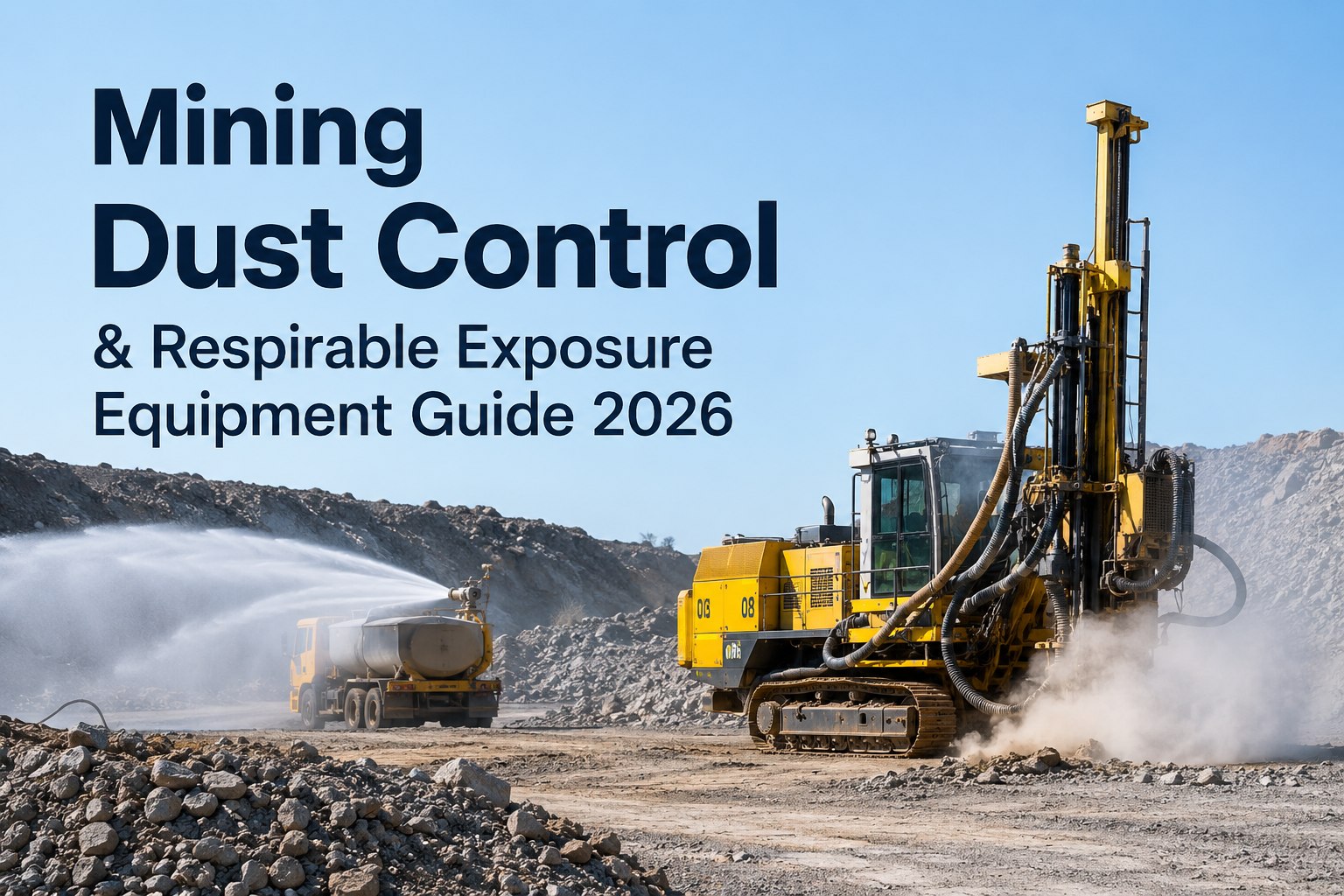
Water trucks, spray bars, baghouses, scrubbers, and drill dust collectors are not just background equipment. They are the engineering controls that keep your silica exposure below the limit, and if they fail, your exposure spikes immediately.
Water trucks and sprays
A water truck with a broken pump or a clogged nozzle is just a truck. Track pump hours, nozzle inspections, and filter changes as preventive maintenance so your road dust suppression is actually working when the haul road dries out.
Drill dust collection
The dust collector on your drill rig is the single biggest factor in operator silica exposure at the bench. Filter replacements and shroud inspections need to be on a PM schedule, not an afterthought when dust starts blowing back into the cab.
Ventilation and exhaust
Underground, your ventilation fans and local exhaust systems are what keep respirable dust from accumulating. If a fan goes down and nobody logs it, your exposure control is gone for the entire shift.
Respiratory protection
Cartridge changes, fit testing, and PAPR battery maintenance are the last line of defense. If your respiratory protection mining program relies on memory and sticky notes, you are one missed fit test away from a serious compliance finding.
The pattern is always the same: a piece of suppression equipment fails, it does not get logged or fixed because everyone is busy, and exposure creeps up over weeks until an inspector or a sampling result catches it. If you want to break that cycle, you can see the work order workflow on a quick call and understand how a defect becomes a tracked repair automatically.
How HVI Helps
Track every dust control asset and inspection in one place
HVI is cloud and mobile CMMS software for fleet-heavy operations. Whether you are running haul trucks, water trucks, drill rigs, or ancillary plant, you need one system that proves your engineering controls are maintained and your exposure records are intact.
Dust suppression assets tracked like any other vehicle
Your water trucks, spray systems, and dust collectors get their own asset profiles in HVI, complete with PM schedules by hours, mileage, or date. You will know when a pump is due for service before it fails, not after a shift runs dry.
Digital inspections with photo defect capture
When an operator spots a clogged spray nozzle or a damaged dust shroud during a pre-shift walkaround, they log it on their phone with a photo. That defect instantly becomes a work order, so the fix is tracked from the yard to the shop without a paper trail.
Work order management from defect to completion
Every flagged defect, PM task, and repair is a tracked work order. You can see what is open, what is overdue, and what was completed, with timestamped records that prove your maintenance program is active and documented for any MSHA inspector.
Audit-ready records in seconds
When an inspector asks for proof that your water truck pump was serviced or your drill dust collector filter was changed, you pull the record from HVI on your phone. No binder diving, no scrambling through group chats, no lost paper.
If you are still tracking dust control maintenance on a spreadsheet or a whiteboard, you are one missed PM away from an exposure spike and a citation. Book a demo to see HVI on your own assets and understand how fast you can move off paper.
Mini Worked Example
What a missed dust control PM actually costs you
Consider a 40-truck aggregate operation running two water trucks for road dust suppression and one drill rig with a dust collector.
The failure
A water truck pump is due for a rebuild but the PM is missed because it was on a paper log in the shop. The pump fails on a Tuesday. The truck is down for three days waiting on the rebuild kit and shop time.
The exposure gap
With one water truck down, haul road dust doubles for three shifts. Respirable silica exposure for dozer operators and truck drivers on that road increases for the entire period, unmonitored, because the control was offline.
The hard cost
Three days of lost water truck availability, roughly 6 hours of unplanned mechanic time, an emergency parts order with freight, and the unquantifiable risk of an elevated sampling result or an inspector driving past a dry haul road. A single incident like this easily runs into the thousands before you factor the compliance risk.
Now multiply that across a year. If you are running a mixed fleet with trucks, trailers, plant, and ancillary equipment, the cost of paper-based maintenance tracking is not just inefficiency, it is active exposure to compliance failures and unplanned downtime. You can start logging inspections free and see exactly where your gaps are before they turn into incidents.
Key Takeaways
MSHA silica rule 2026 status and what it means for your mine
The 2024 rule is stayed, not repealed
The Eighth Circuit stay means the 50 µg/m³ PEL and 25 µg/m³ action level in the proposed Part 60 are on hold. MSHA is enforcing the pre-existing standards in Parts 56, 57, 70, 71, 72, 75 and 90.
Verify the current status directly
Because the litigation is ongoing, the status can change. Always verify the current enforcement position directly with MSHA before making major compliance decisions.
Prepare anyway, because the hazard is unchanged
Silicosis prevention and MSHA dust standards do not pause for court rulings. Your engineering controls, sampling, and medical surveillance should be running regardless of which PEL is technically in force.
Track your dust control assets properly
Water trucks, drills, ventilation, and suppression systems are engineering controls. They need PM schedules, inspection records, and work order tracking just like your haul trucks. HVI does all of that on one platform.
We stopped waiting for the lawyers to figure it out. The dust is the same dust whether the PEL is 50 or 100. We put our water trucks and drill collectors on PM schedules in HVI so when the inspector shows up, I can pull the service history on my phone in ten seconds instead of digging through a filing cabinet in the shop.
Darren Mills — Site Supervisor, aggregate and construction materials operation
Frequently Asked Questions
MSHA silica rule 2026 questions, answered
Is the MSHA silica rule 2026 in effect right now?
No, the 2024 final rule that would have introduced 30 CFR Part 60 with a 50 µg/m³ permissible exposure limit is currently stayed by the Eighth Circuit as of April 2025, and MSHA has indefinitely delayed the conforming amendments pending litigation. MSHA is enforcing the pre-existing standards in 30 CFR Parts 56, 57, 70, 71, 72, 75 and 90. You should verify the current status directly with MSHA, as the litigation is ongoing and the position can shift.
What is the current permissible exposure limit for respirable crystalline silica in mining?
Because the 2024 rule setting a 50 µg/m³ PEL is stayed, the operative limits are those in the pre-existing standards under 30 CFR Parts 56, 57, 70, 71, 72, 75 and 90, rather than the new Part 60 limit. The exact applicable concentration depends on your mine type and commodity. You should confirm the specific limit that applies to your operation with MSHA or your compliance counsel.
Should I keep doing silica sampling and medical surveillance if the rule is stayed?
Yes. The stay pauses the new rule, not the hazard. The respirable crystalline silica in your operation is unchanged, and silicosis prevention depends on ongoing sampling, medical surveillance, and working engineering controls. Continuing your program also means you have baseline data and functioning controls if the stay is lifted. To see how to track this digitally, book a demo with our team.
What silica engineering controls should I maintain during the stay?
Water sprays, drill dust collection systems, enclosures, local exhaust ventilation, and road dust suppression are all core engineering controls for silica exposure in mining. These need to be inspected, maintained, and repaired just as aggressively now as they would be under the new rule, because they are what keep your actual exposure down regardless of the legal limit.
How does HVI help with MSHA silica compliance and dust control tracking?
HVI lets you track your dust suppression equipment, water trucks, and ventilation systems as assets with their own preventive maintenance schedules and inspection records. Defects logged during digital inspections on a phone or tablet become work orders instantly, and every record is timestamped and photo-backed so you can prove your maintenance program to an inspector in seconds instead of digging through paper binders.
See HVI running on your own fleet
Book a 30-minute demo and we will show you how to track dust control assets, log inspections digitally, and pull audit-ready records in seconds.
Free to start - Works on any phone - No card needed