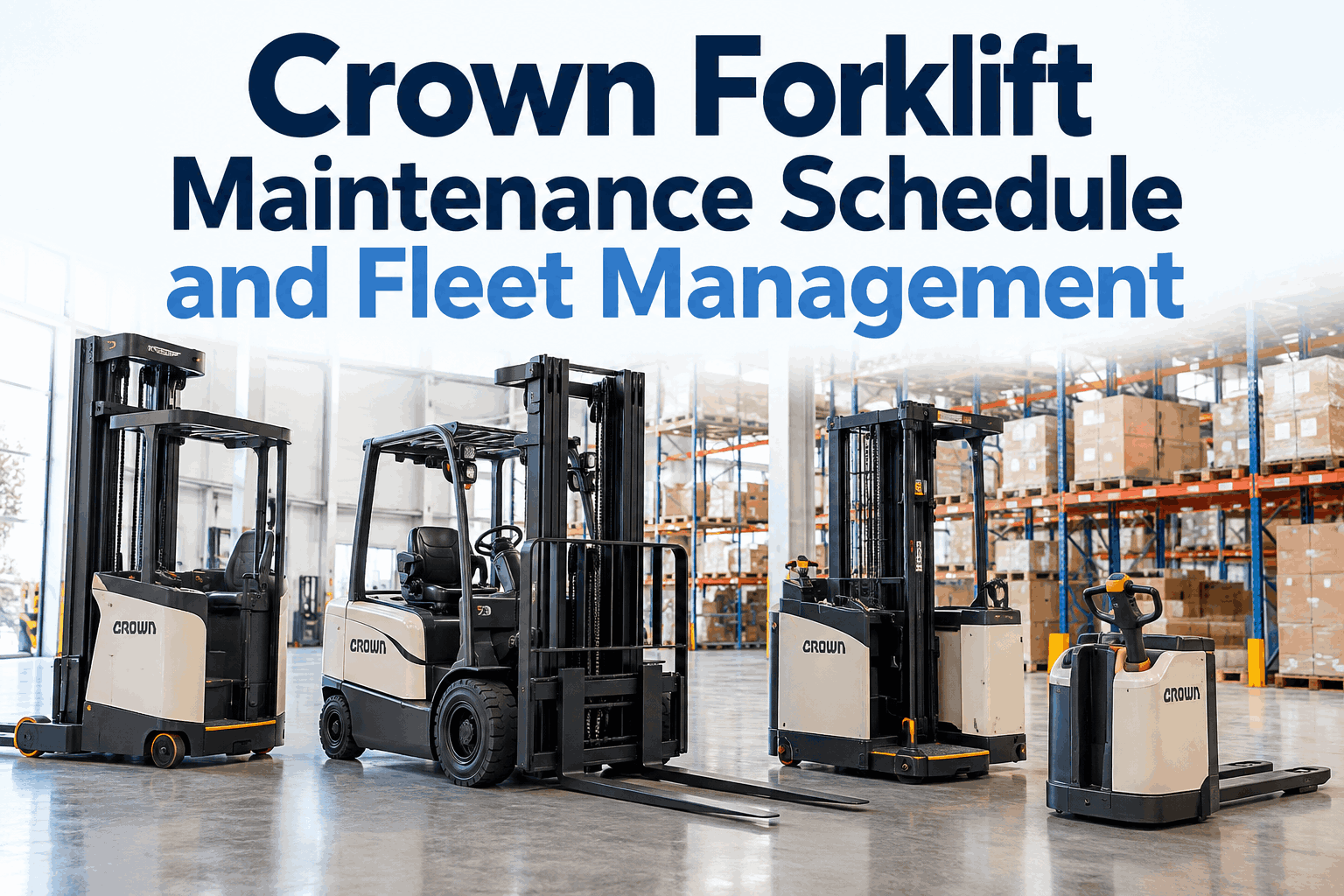
Crown forklift maintenance is rarely about one truck — it's about a mixed fleet of them. A busy warehouse runs Crown reach trucks in the racking, order pickers up in the pick faces, and pallet trucks on the dock, and each one wears differently and falls due on a different clock. Manage them all off a single monthly calendar and something is always over-serviced while something else is quietly overdue. Book a demo to run the whole Crown fleet on one schedule.
One Crown Fleet, Many Different Clocks
Reach trucks, order pickers and pallet trucks don't wear the same or fall due the same. A real Crown forklift maintenance schedule is model-specific PM, driven by actual hours and usage — not one calendar for the whole yard.
This is a practical guide to building a Crown forklift maintenance schedule across a mixed fleet — why one calendar doesn't fit every model, how reach trucks, order pickers and pallet trucks each wear differently, how telematics and hours drive the intervals, and how to see and prove the whole fleet's PM from one place.
Why one calendar doesn't fit the whole fleetthe mixed-fleet problem behind Crown forklift maintenance
The instinct is to service everything monthly and call it a program. But a reach truck putting in double shifts in the racking and a pallet truck used a couple of hours a day are not on the same clock — and an order picker that lifts an operator to height has safety systems the pallet truck simply doesn't have. Time-based blanket servicing means the hard-run trucks fall behind between visits while the light-duty ones get serviced for the sake of it.
Hours and usage tell the truth that the calendar hides. Two identical Crown reach trucks bought the same day can be hundreds of hours apart by mid-year depending on the shifts they pull. Crown forklift maintenance works when the interval follows the truck's actual work — its hour meter, its impacts, its duty — not the date on the wall.
Each Crown model type wears its own wayreach trucks, order pickers and pallet trucks
A mixed Crown fleet isn't one machine in three sizes — it's three jobs with different stress points. A model-specific Crown forklift maintenance schedule targets what actually wears on each, rather than running the same checklist across all of them.
Reach trucks
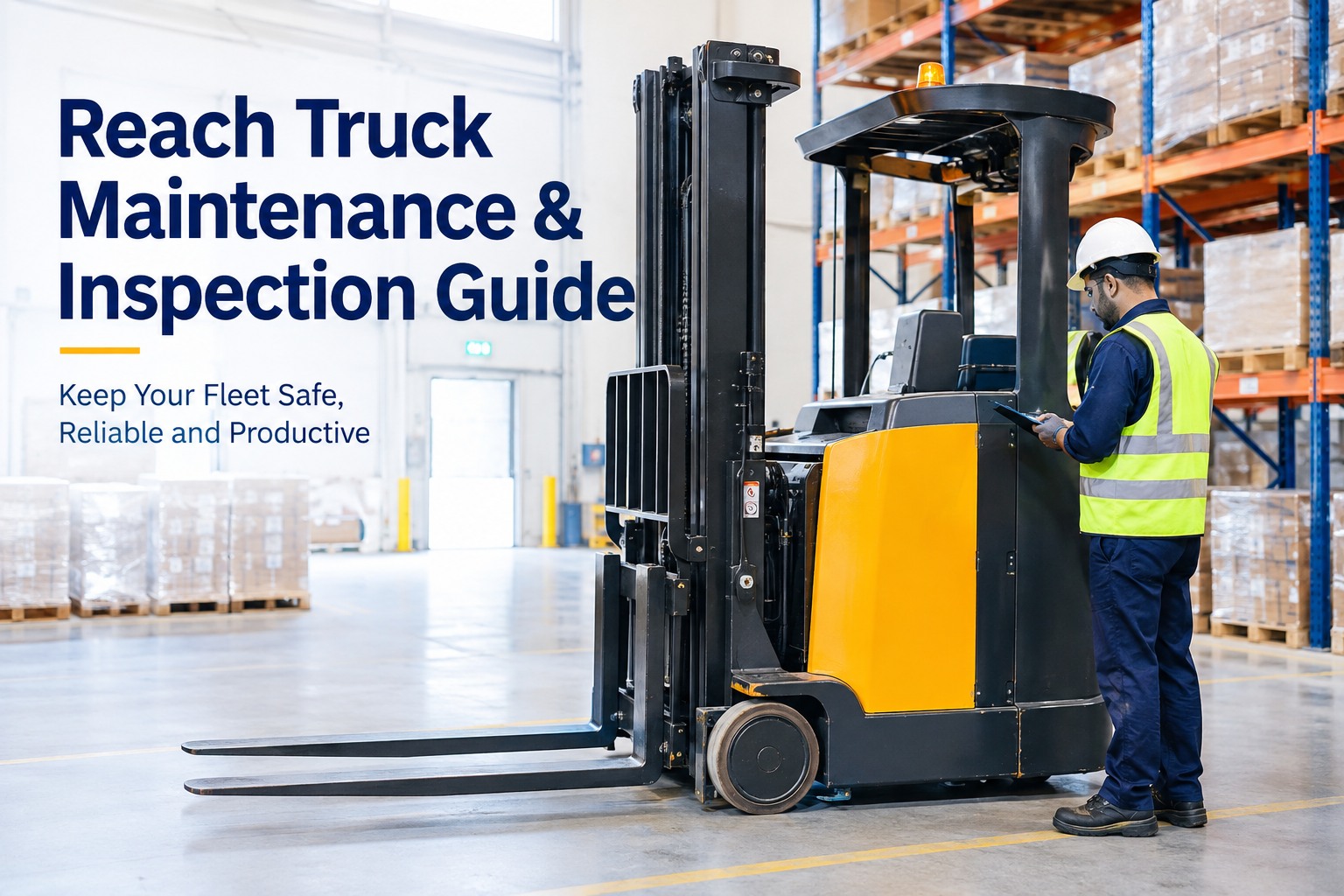
Live in the racking, reaching to height all shift. The mast, reach mechanism, hydraulics and battery take the load.
Order pickers
Lift the operator to height, so fall-protection, the platform, gates and lift chains are safety-critical, not just wear items.
Pallet trucks
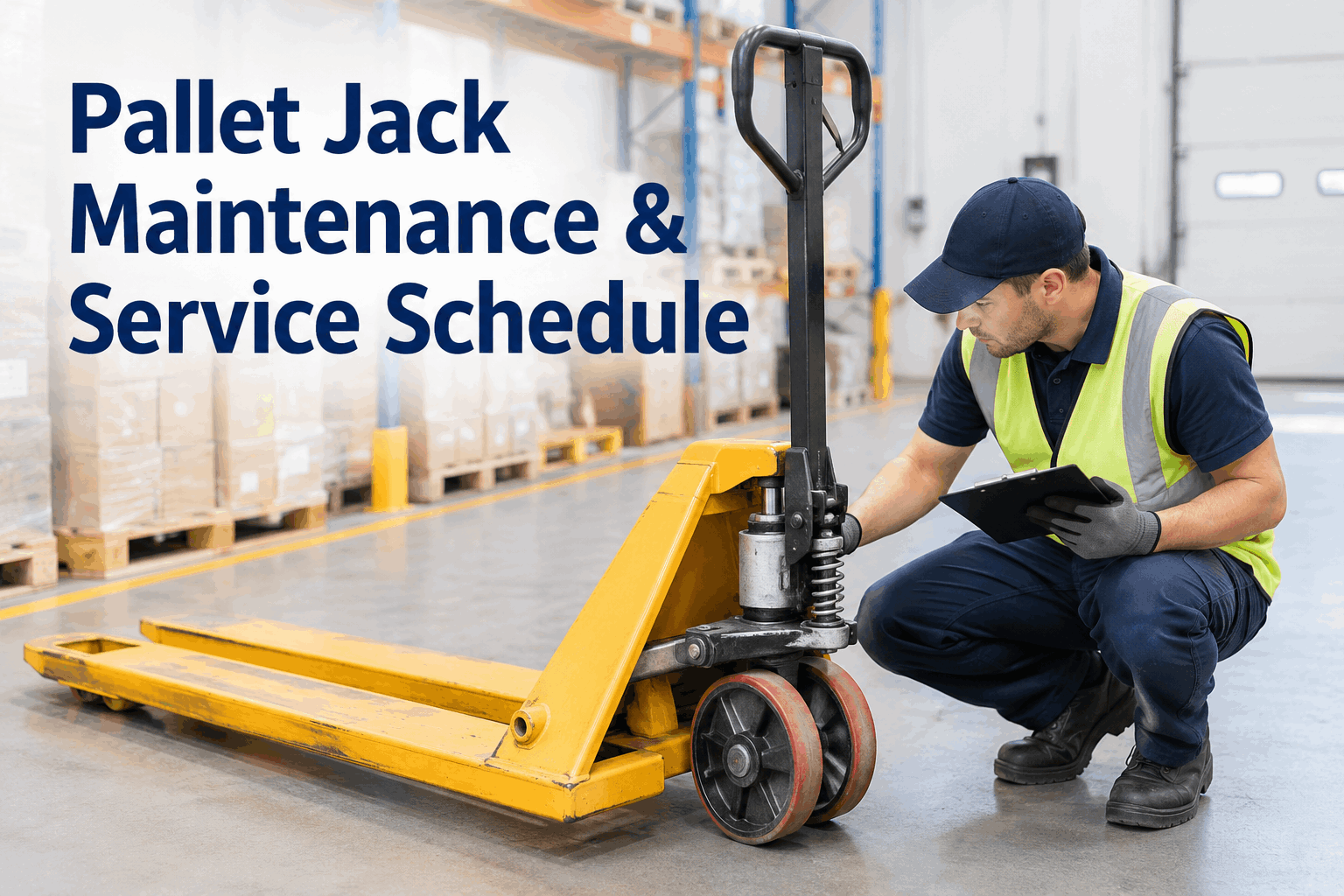
High cycle counts on the dock and floor. Forks, load wheels, the pump and drive tiller wear from constant stop-start work.
Shared across all
Brakes, steering, tires, battery care and the daily operator DVIR apply to every unit — on top of each type’s own focus.
The order picker is the one to never treat as "just another forklift": because it raises a person, its lift chains, platform, gates and fall-arrest points belong on a tighter, safety-first interval. Setting a distinct PM profile per model type is exactly what a proper forklift PM checklist is built around. Book a demo to profile each Crown model
Let hours and telematics set the intervalusage-driven Crown forklift maintenance scheduling
Crown trucks report their own work. Hour meters, impact sensors and utilization data — through Crown's InfoLink telematics and the unit's own meters — tell you which trucks are working hardest and which are barely used. The job of a maintenance schedule is to turn that signal into a PM that lands at the right moment, not too early and never too late.
Telematics on its own is a firehose of data; it tells you a truck has done 250 hours but doesn't book the service, order the parts, or prove the PM was done. That's the gap a maintenance program fills — reading the usage and turning it into scheduled work with a record behind it, the way any solid preventive maintenance scheduling should. Start free and let usage drive the schedule.
A layered schedule that fits every Crown truckdaily checks up to the major service
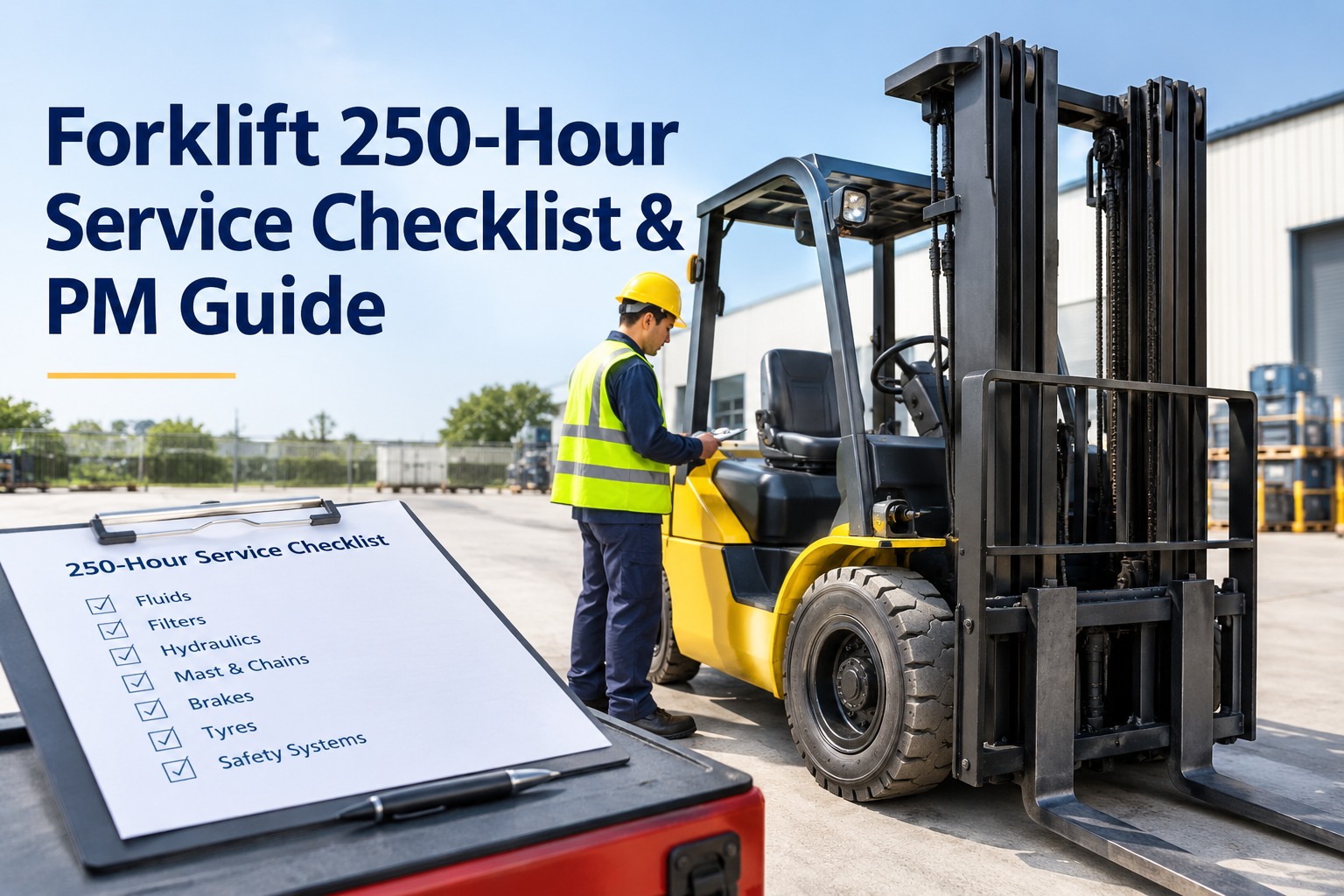
A Crown forklift maintenance schedule works in layers: the operator's daily check, the regular hours-based PM, and the deeper periodic service — each catching what the layer below can't. The daily DVIR keeps trucks safe every shift; the hours-based PM keeps them reliable.
The daily operator DVIR is the layer that catches the fast-moving problems — a leaking hose, a soft brake, a damaged fork — before they become a breakdown or an incident. Capturing it digitally means a failed item becomes a work order the same shift, not a note on a clipboard nobody reads. Book a demo to layer daily and hours-based PM
Managing a mixed fleet as one programwhere Crown forklift maintenance becomes fleet management
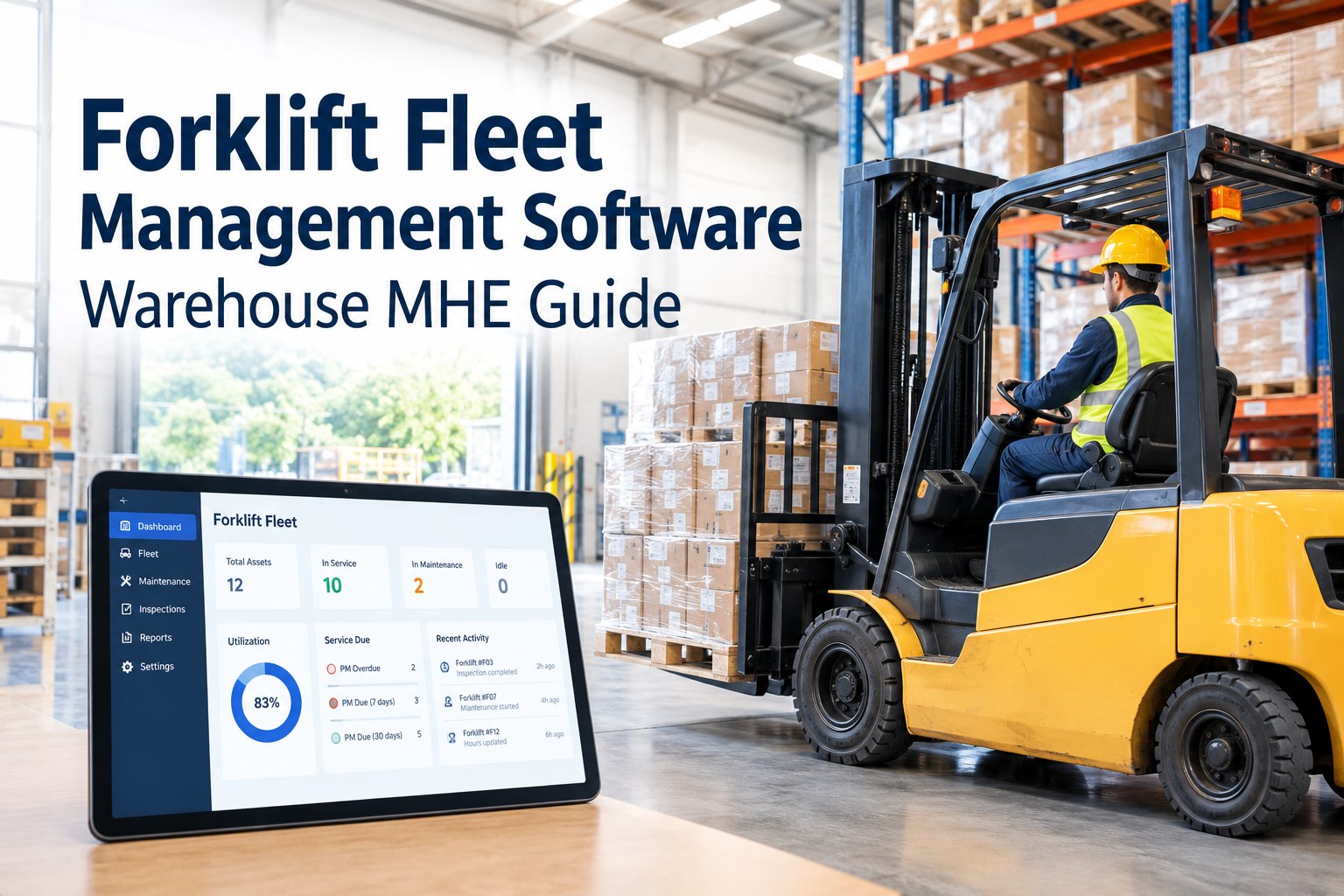
The real win isn't servicing one Crown truck well — it's seeing all of them at once. A mixed fleet becomes manageable when every unit's hours, next PM, open defects and daily-check status live on one board, so you can tell at a glance what's due, what's overdue, and what's costing you in repeat repairs.
One fleet board
Every Crown truck's hours, next PM and open defects on a single screen, across all model types.
Whole-of-brand, or all brands
Run Crown alongside any other make on the same program — one system, not a silo per manufacturer.
Cost & repeat-repair visibility
See which trucks eat the most in parts and downtime, so you know when to service harder or retire a unit.
This is where a schedule turns into genuine fleet management: not just knowing truck RT-04 is due, but seeing that two of your order pickers keep coming back for the same fault, or that a reach truck's repair bill is telling you it's near end of life. It's the same discipline the distribution centers in HVI's warehouse forklift fleet management work run on. Start free and put the whole fleet on one board.
From a warehouse fleet manager
We run about twenty Crown units — reach trucks, a few order pickers, a stack of pallet trucks — and for years everything got a "monthly" service that meant nothing. The reach trucks doing double shifts were always the ones breaking down, because a month for them was way more hours than a month for a pallet truck parked half the day. Once we put every truck on hours instead of the calendar, and gave the order pickers their own tighter check because they lift our people, the picture changed completely. The daily operator check on a phone catches the small stuff before it grounds a truck, and I can pull up the whole fleet on one screen and see exactly what's due. Fewer surprise breakdowns, and I stopped paying to service trucks that hadn't done the hours.
How HVI runs your Crown forklift maintenanceprofile each model, drive it by hours, manage the fleet
Crown forklift maintenance works when each model type has its own PM, the interval follows real usage, and the whole mixed fleet is visible in one place. HVI's preventive maintenance, inspection/DVIR, telematics-ready scheduling and mixed-fleet management do exactly that.
Profile each model
A distinct PM checklist and interval for reach trucks, order pickers and pallet trucks.
Drive it by hours
PM triggered on real run-hours and usage, with the daily DVIR captured every shift.
Manage the fleet
Every Crown truck's status, defects and cost on one board — Crown and every other make.
See it running across your own trucks — reach, pick and pallet — on the same fleet inspection platform your operators already use for the daily check. Walk through your Crown fleet in a quick demo
Crown forklift maintenance: quick answers
What should a Crown forklift maintenance schedule include?
A layered schedule with three levels: the operator's daily pre-shift check (DVIR) covering brakes, steering, forks, mast, horn, leaks, battery and safety devices; a regular hours-based PM service per model — fluids, filters, hydraulics, brakes, mast and battery — on each truck's own interval; and a deeper periodic major service. Order pickers add a safety-first inspection of fall protection, the platform, gates and lift chains because they raise an operator. Any recorded impact, failed daily-check item or fault should trigger an out-of-cycle check before the truck goes back to work. Follow Crown's recommended intervals for each model and duty, shortening them for heavy or multi-shift use.
Why service Crown trucks by hours instead of a monthly calendar?
Because run-hours, not the date, are what actually wear a forklift. Two identical Crown reach trucks bought the same day can be hundreds of hours apart by mid-year depending on the shifts they pull, so a blanket monthly service leaves the hard-run trucks falling behind between visits while lightly used ones get serviced for the sake of it. Driving PM off the hour meter and usage lands each service at the right point — not too early, wasting money, and never too late, risking a breakdown.
How do reach trucks, order pickers and pallet trucks differ in maintenance?
They do different jobs and wear at different points. Reach trucks live in the racking reaching to height, so the mast, reach mechanism, hydraulics and battery take the load. Order pickers lift the operator to height, which makes fall protection, the platform, gates and lift chains safety-critical items on a tighter interval, not just wear parts. Pallet trucks run high cycle counts on the dock and floor, so forks, load wheels, the pump and drive tiller wear from constant stop-start work. Brakes, steering, tires, battery care and the daily DVIR apply to all of them, on top of each type's own focus.
Can I use Crown InfoLink telematics data to schedule maintenance?
Yes — telematics like Crown InfoLink reports hour meters, impacts and utilization, which are exactly the signals a maintenance schedule should run on. But telematics on its own only reports data; it doesn't book the service, stage the parts or prove the PM was done. A maintenance program reads that usage signal and turns it into scheduled work with a record behind it. HVI is built to use hours and usage to drive PM intervals and hold the completed-service history, so the data becomes managed work rather than a dashboard nobody acts on.
Can one system manage a mixed Crown and multi-brand fleet?
Yes, and that's the main reason to use dedicated maintenance software rather than a manufacturer's own tool. HVI runs every Crown model type — reach trucks, order pickers, pallet trucks — on its own PM profile, and runs Crown alongside any other make on the same program, so you manage one fleet instead of a silo per manufacturer. Every truck's hours, next PM, open defects, daily-check status and repair cost sit on one board, so you see what's due, what's overdue and which units are costing the most in repeat repairs.
Stop running your Crown fleet off one calendar
HVI turns Crown forklift maintenance into a real fleet program — each model type on its own PM profile, intervals driven by actual hours and usage, the daily operator DVIR captured every shift, and the whole mixed fleet on one board so nothing runs overdue and nothing gets serviced for nothing.
No credit card · Built for mixed warehouse MHE fleets
- Separate PM profile per model type
- Intervals driven by hours & usage
- Daily operator DVIR every shift
- Order pickers on a tighter safety check
- Whole fleet & costs on one board