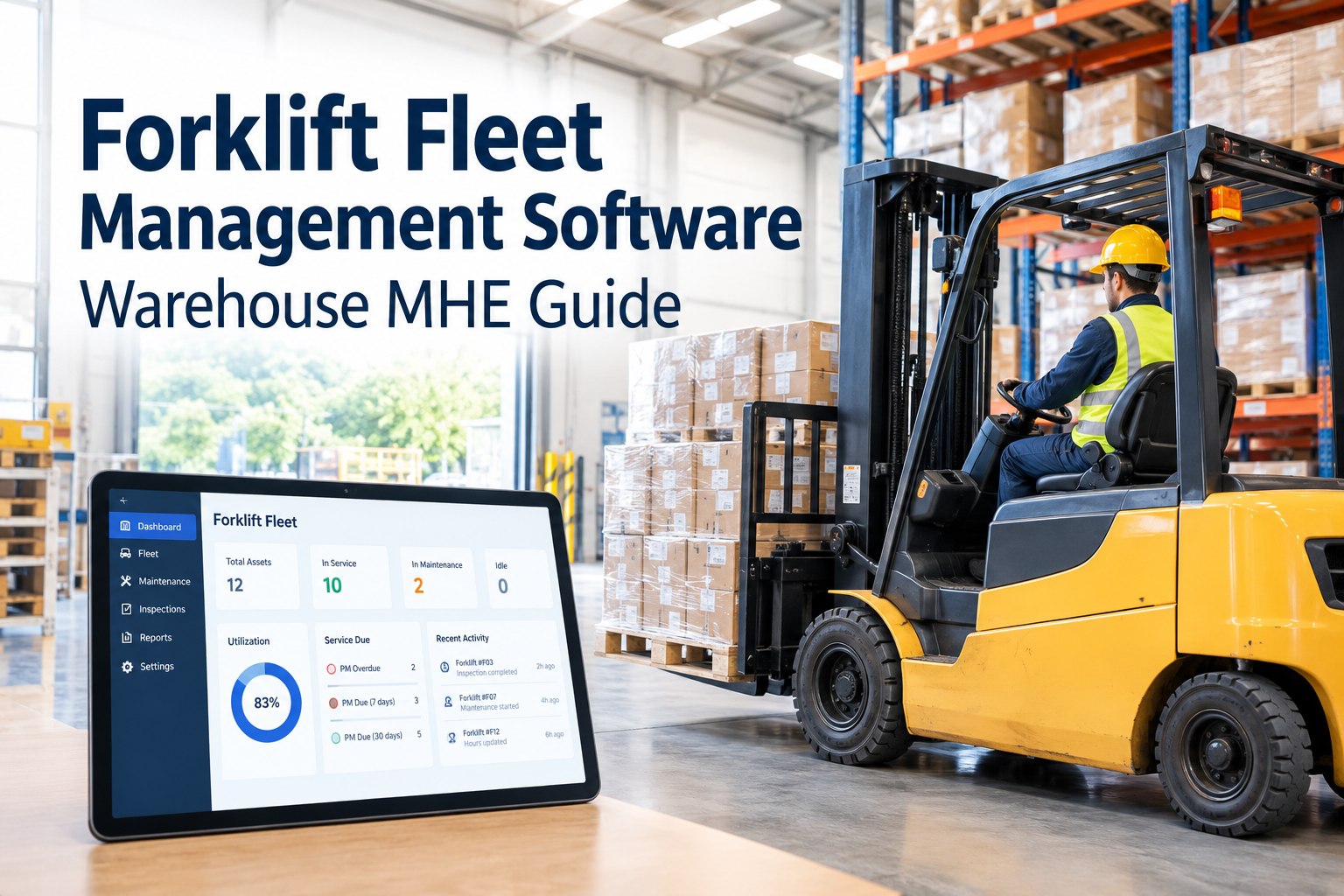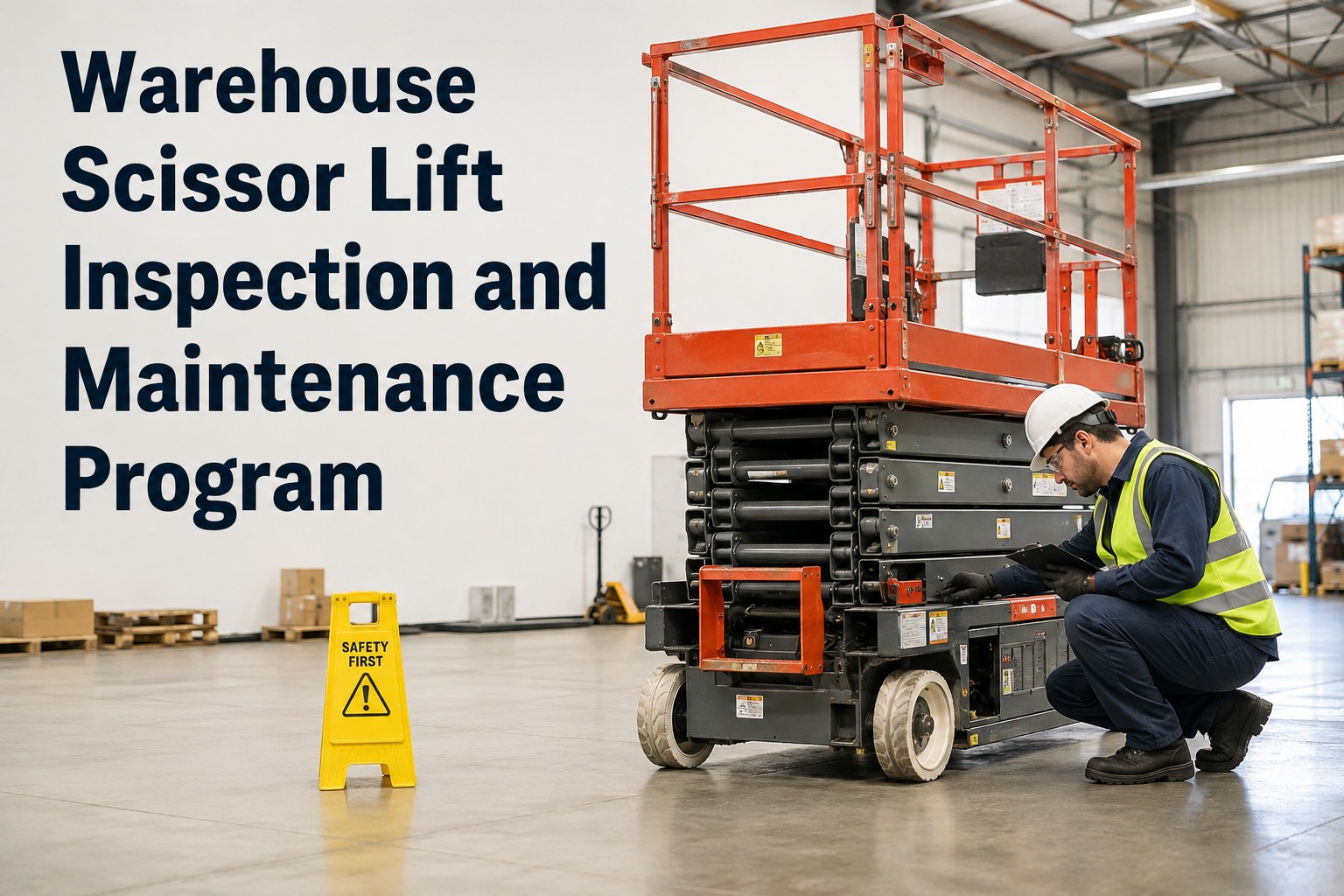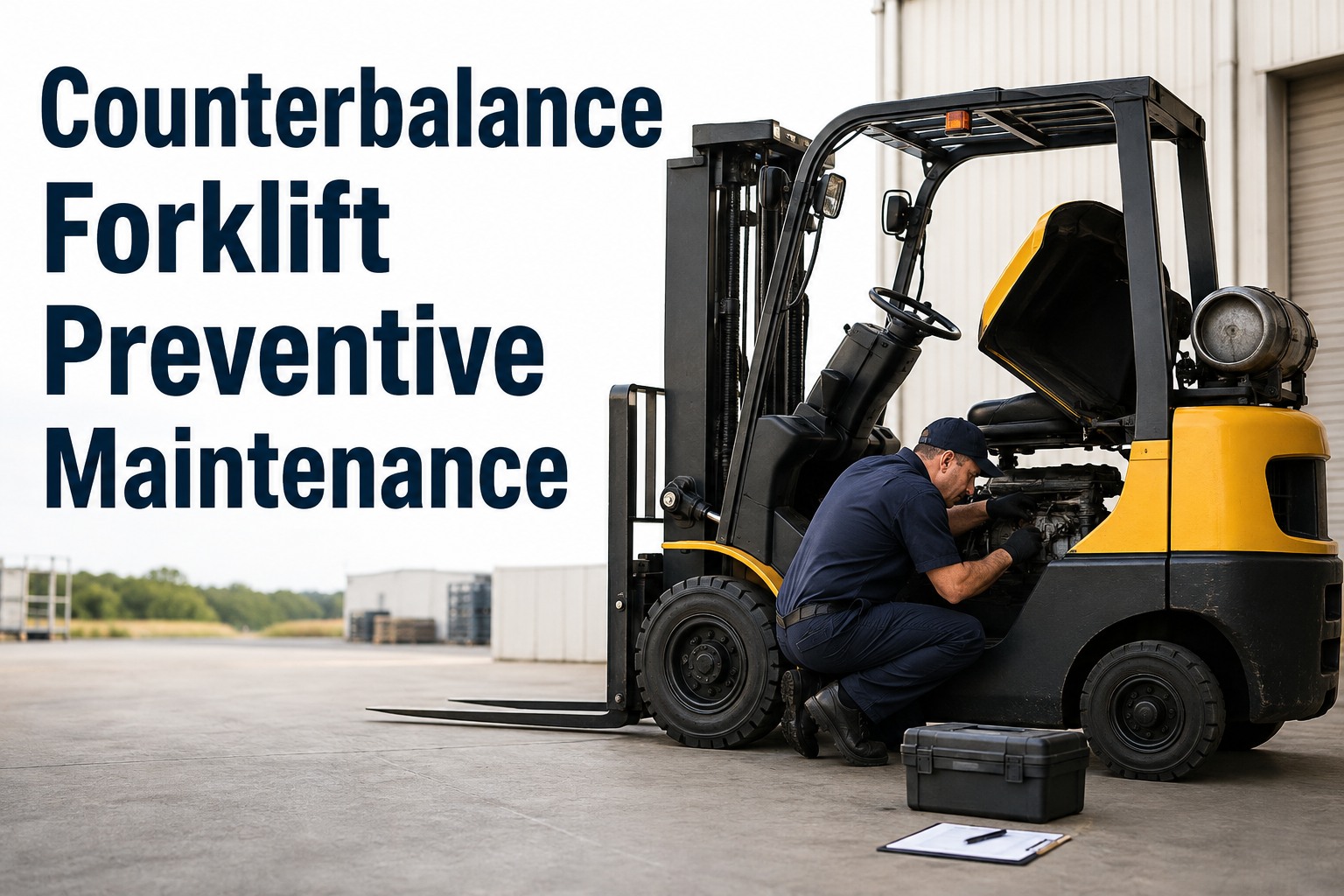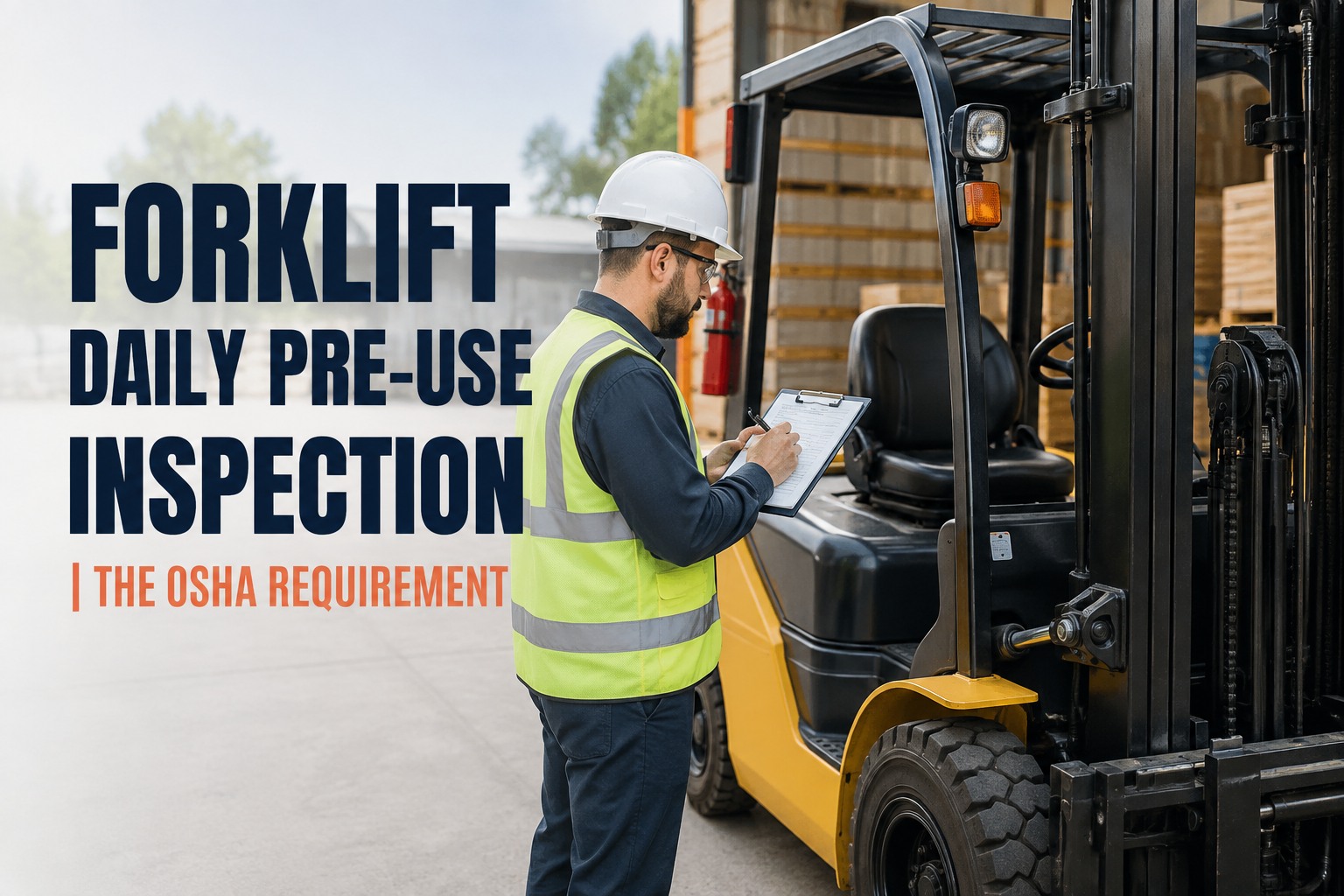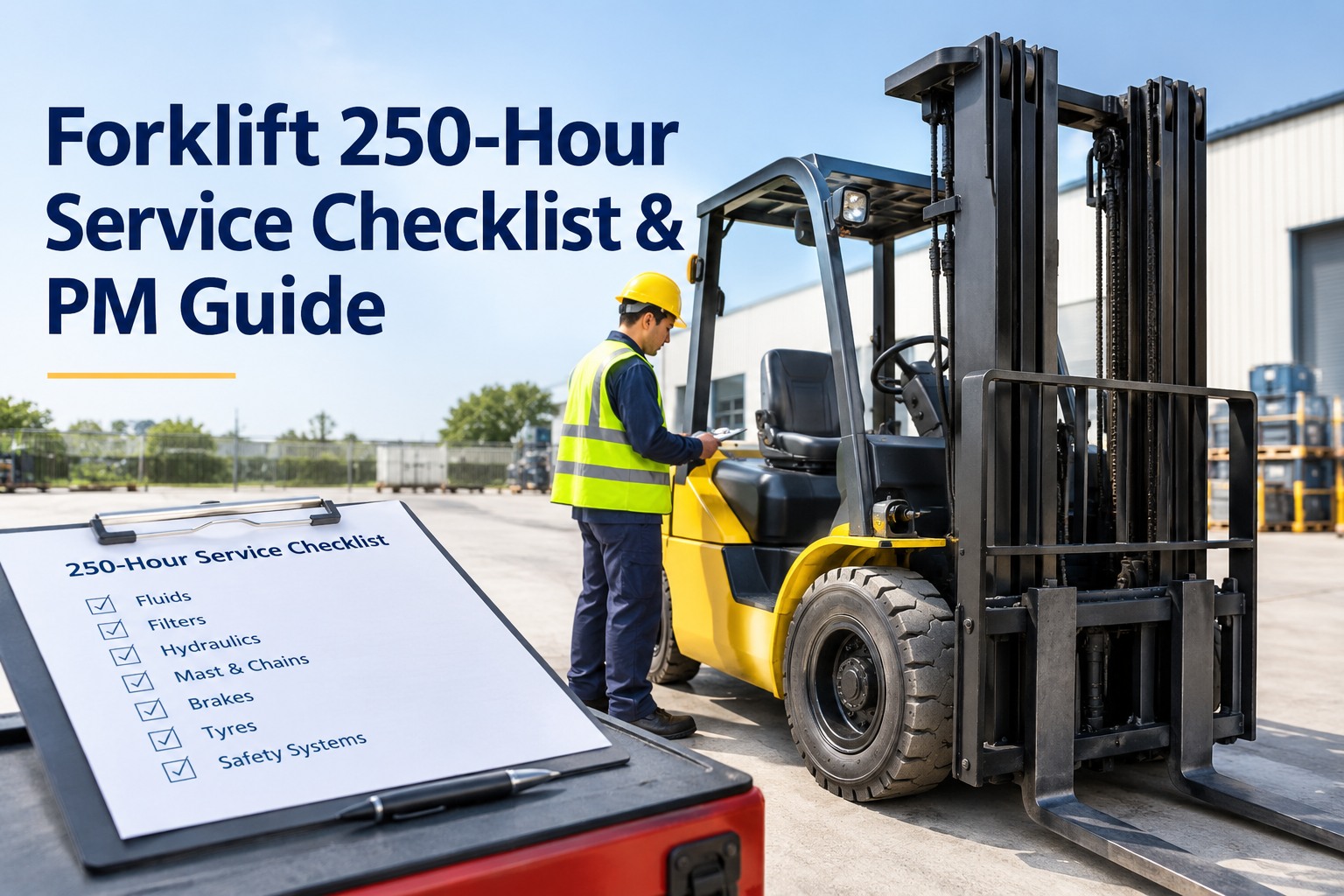
The 250-hour service is where most forklift maintenance actually happens. The 1,000 and 2,000-hour majors get the attention, but a lift truck's day-to-day reliability is decided at this smaller, frequent interval — the one that keeps oil clean, chains greased, and brakes honest before anything becomes an emergency. A disciplined forklift 250-hour service checklist is the backbone of a PM program — provided you treat 250 as a common milestone, not a universal rule. The real interval is the one your OEM specifies for your truck and duty. See a 250-hour PM triggered by each truck's hours
The 250 Is the Interval That Keeps the Majors From Becoming Emergencies
Every service interval builds on the one before it. Get the 250 disciplined and the big services become planned work — miss it and they become breakdowns.
Here's what a 250-hour service actually covers, system by system — what changes between IC and electric trucks, and why the whole thing only works if the interval is triggered by real operating hours. Always confirm the exact tasks and interval against your manufacturer's schedule.
What the 250-hour service covers, system by system
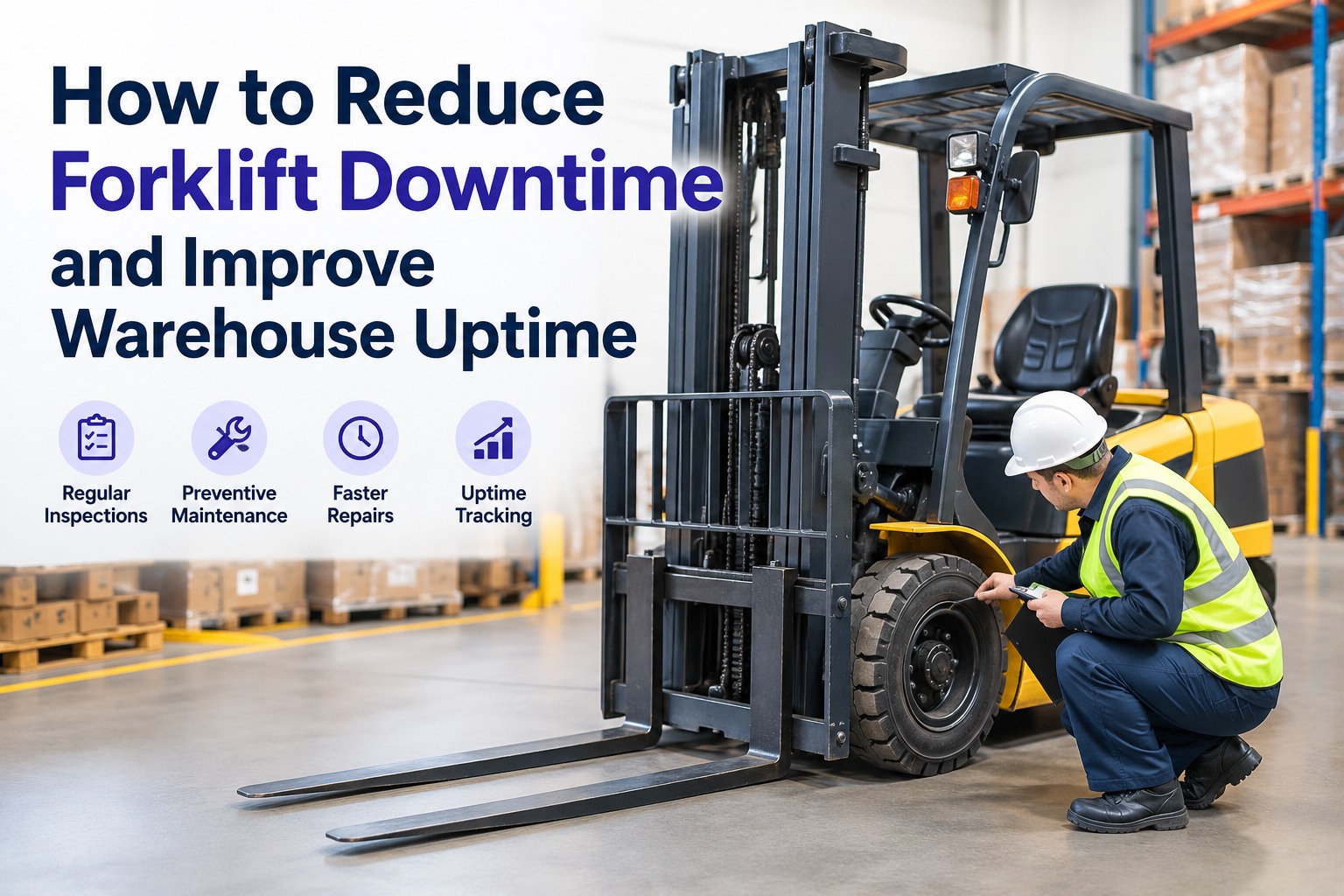
A 250-hour PM is a systematic pass through the truck's core systems — fluids and filters, the hydraulics that do the lifting, the mast and chains, and the systems that stop and steer it. It's not a deep teardown; it's the disciplined routine that catches wear and leaks while they're cheap.
Engine oil and filter where fitted, hydraulic fluid and filters, coolant, plus condition checks — the heart of the service on any truck.
Cylinders, hoses, and fittings checked for leaks and drift; lift and lower tested for smooth, precise response under load.
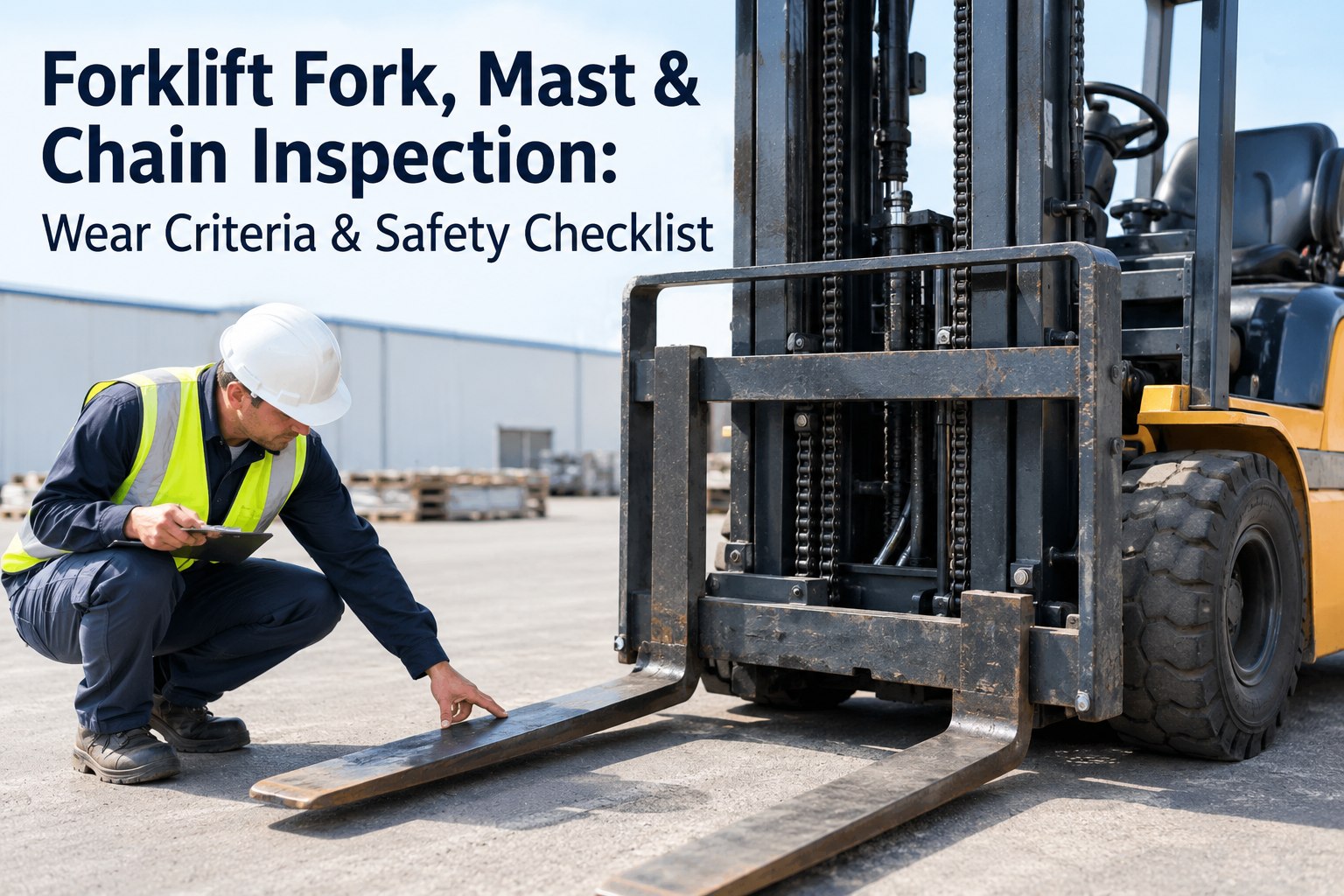
Mast channels and rollers inspected, lift chains checked for tension and wear, and both lubricated — the load path has to be sound.
Brake condition and response, tyre wear and pressure, wheels and load wheels for flat spots — the contact with the floor.
Steering linkage and response, pedal and control linkages, and all operating controls checked for correct, predictable function.
Horn, lights, alarms, overhead guard, seatbelt, and interlocks — the systems OSHA and every operator depend on, tested every service.
Across all of it, the technician is watching for the same three things: leaks, abnormal wear, and developing defects — the early signals that turn a $40 fix now into a rebuild later. Book a demo to see the 250-hour tasks as an equipment-specific template.
IC vs electric: where the 250 changes
A big chunk of the checklist is identical across trucks — hydraulics, mast, chains, brakes, tyres, steering, and safety systems don't care what powers the truck. But the powertrain half is completely different, and using one generic checklist for both means either checking things that don't exist or skipping things that matter.
- Engine oil & filter change
- Fuel and air filters
- Coolant, belts & hoses
- Exhaust & emissions checks
- Battery condition & watering (lead-acid)
- Charger, cables & connectors
- Motor, controller & wiring
- No engine oil, fuel, or exhaust
The shared systems get the same service; the powertrain doesn't. That's exactly why battery, electrical, and charging systems need their own maintenance procedures rather than being forced into an IC template — and why the checklist should match the truck. Book a demo to see IC and electric 250-hour templates side by side.
Why the trigger is hours, not the calendar
Here's the part that decides whether a 250-hour program actually works: what makes the service fire. When the OEM specifies an hour-based interval, the service should be triggered by real operating hours — because a forklift on double shifts reaches 250 hours in a few weeks, while a light-duty unit takes months. The most common failure isn't a tech missing a step; it's the service slipping 50 or 100 hours because nobody was watching the meter.
"Monthly" fits the light truck and badly under-services the busy one. The service drifts late, and that gap is exactly where oil breaks down, filters overload, and small wear turns into damage.
The busy truck gets its 250 in weeks, the light one in months — each on time for what it actually did. Add calendar and severe-duty rules on top where the OEM requires them.
And the interval itself is the OEM's, not a universal 250 — severe-duty conditions (dust, cold, heavy loads, multi-shift) often shorten it. The discipline is triggering off the meter and honouring the manufacturer's number, whatever it is. Book a demo to see PM fire off each truck's real hours.
The forklift 250-hour service checklist
Here's the 250-hour pass at a glance — the systems to service and inspect on a standard interval, watching throughout for leaks, abnormal wear, and developing defects. Use this 250-hour PM checklist online free, so it fires on each truck's hours, links its parts, and logs to the truck's history. Always confirm tasks against your OEM schedule.
From a fleet maintenance planner who stopped chasing the meter
Our 250-hour services were "monthly" — which meant our two-shift trucks were getting serviced at 400-plus hours and the spare that barely moved was getting the same service four times a year for nothing. The busy ones started coming in with hydraulic issues and worn chains, and we couldn't work out why until someone actually compared the meter to the service dates.
We switched to firing the 250 off each truck's hours, with the parts pre-linked so the tech isn't hunting for a filter mid-service. The busy trucks get serviced when they've earned it, the quiet one gets left alone, and the surprise hydraulic failures basically stopped. Same checklist — we just stopped guessing when to run it.
Frequently asked questions
What does a forklift 250-hour service include?
A systematic pass through the core systems: engine oil and filter where fitted, hydraulic fluid and filters, mast and chain inspection and lubrication, brakes, tyres and wheels, steering, controls, and all safety systems — while watching for leaks, abnormal wear, and developing defects. On electric trucks the engine items are replaced by battery, charger, and electrical checks. It's the frequent, foundational service, not a teardown. Always confirm the exact tasks against your manufacturer's schedule.
Is 250 hours the right service interval for every forklift?
No — 250 hours is a common milestone, but the correct interval is always the one your OEM specifies for that truck and its operating conditions. Severe duty — dust, cold, heavy loads, multi-shift running — often shortens it. Treat 250 as a widely used default to plan around, then adjust to the manufacturer's number and your environment. The discipline that matters is triggering the service consistently, whatever the interval turns out to be.
How is the 250-hour service different for electric forklifts?
The shared systems — hydraulics, mast, chains, brakes, tyres, steering, safety — are serviced the same way. The powertrain is completely different: an electric truck has no engine oil, fuel filters, or exhaust to service. Instead it needs battery condition and watering (on lead-acid), charger and connector checks, and motor, controller, and wiring inspection. That's why battery and electrical systems need their own procedures rather than being forced through an internal-combustion checklist.
Should forklift PM be scheduled by hours or by calendar?
By hours when the manufacturer specifies an hour-based interval, because usage varies enormously — a two-shift truck reaches 250 hours in weeks while a light-duty unit takes months. Calendar-only scheduling under-services the busy truck and over-services the idle one. Trigger off actual meter hours, and layer calendar-based and severe-duty requirements on top where the OEM calls for them. The most common failure is the service slipping because nobody was tracking the meter.
How does the 250-hour service relate to the 500, 1000, and 2000?
They compound rather than replace each other. The 500-hour service does all the 250 items plus deeper inspections and adjustments; the 1000 adds component and system tests; the 2000 is the comprehensive major. So the 250 is the backbone every larger service builds on — keep it disciplined and the majors become planned, scheduled work. Miss the 250 and small problems drift until the majors turn into emergency repairs.
Run the 250 like the backbone it is
HVI fires each forklift's 250-hour PM off its real hours, loads the equipment-specific checklist, links the parts the service needs, turns any defect into a work order, and keeps the whole maintenance logbook per asset. So the everyday service that decides your uptime actually happens on time — and you can prove every one of them.
No credit card · Hour-based PM per asset · Parts linked & full logbook history