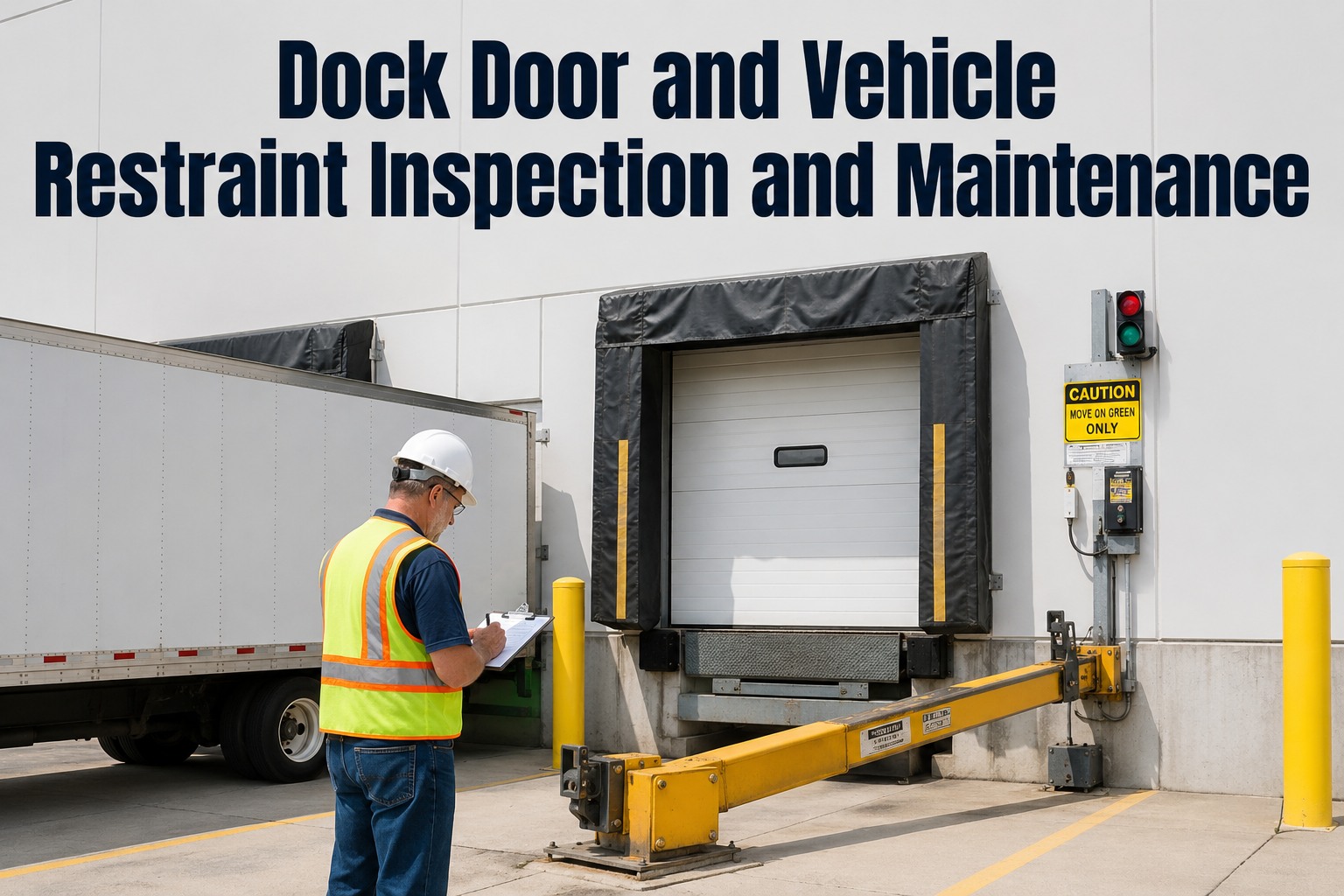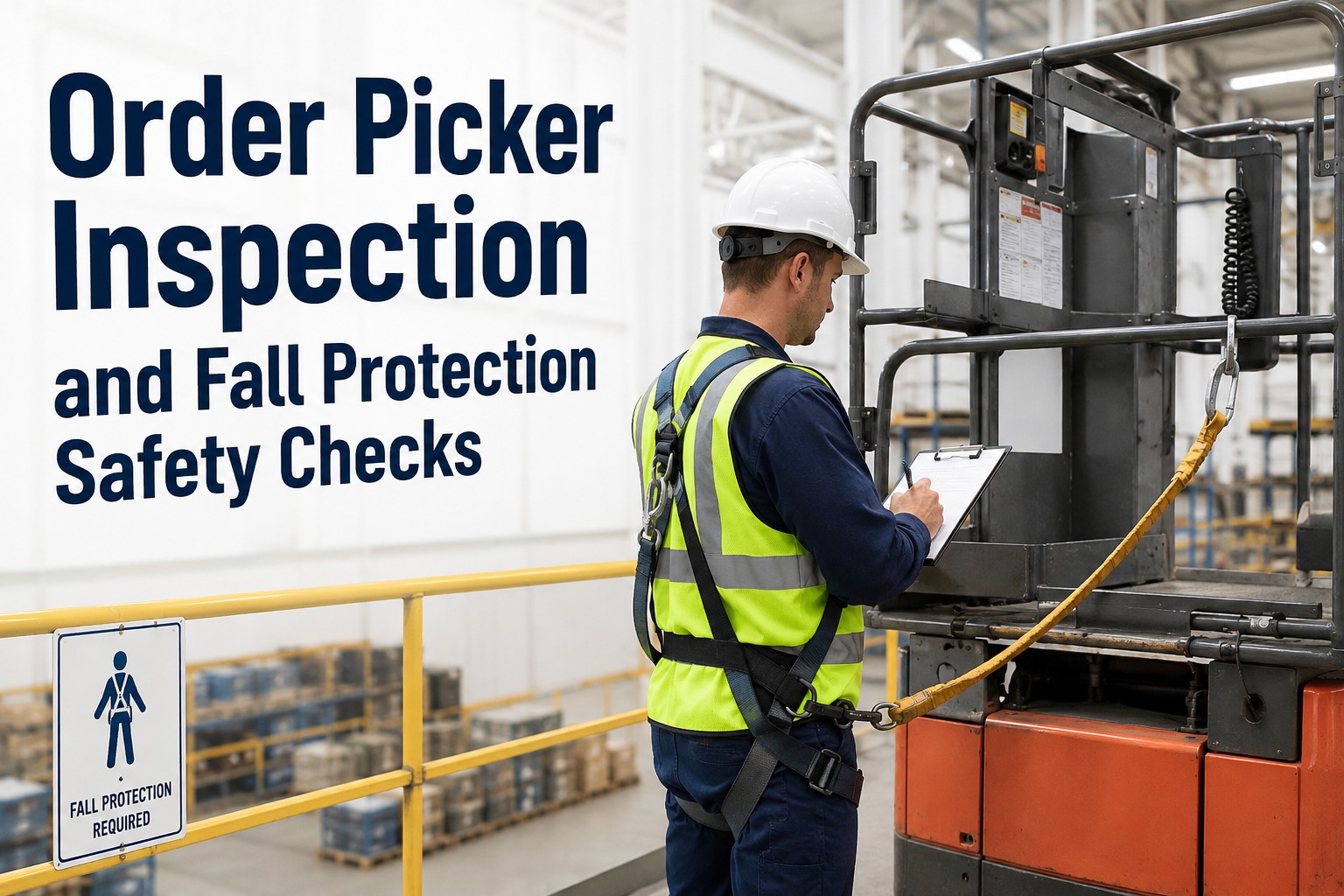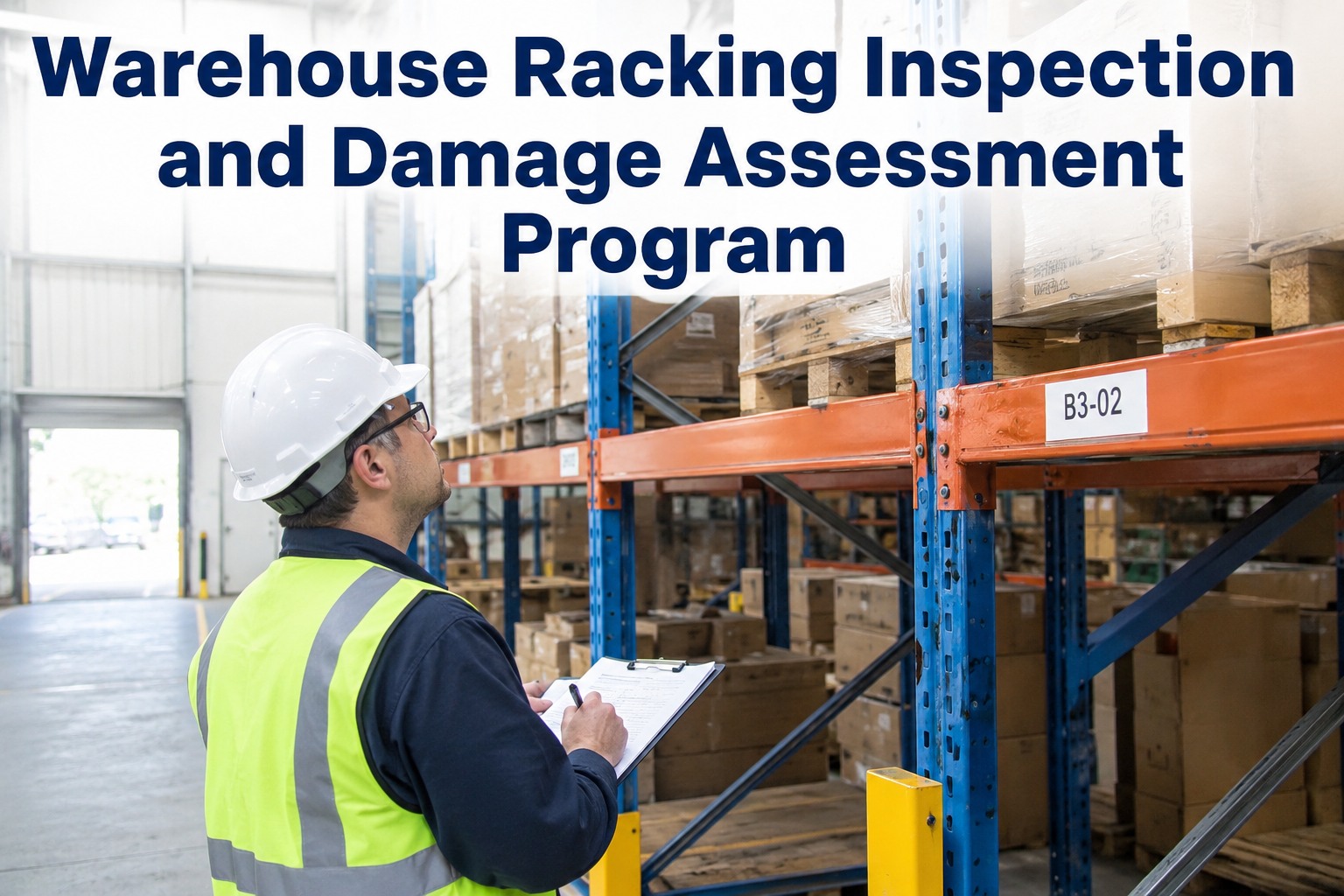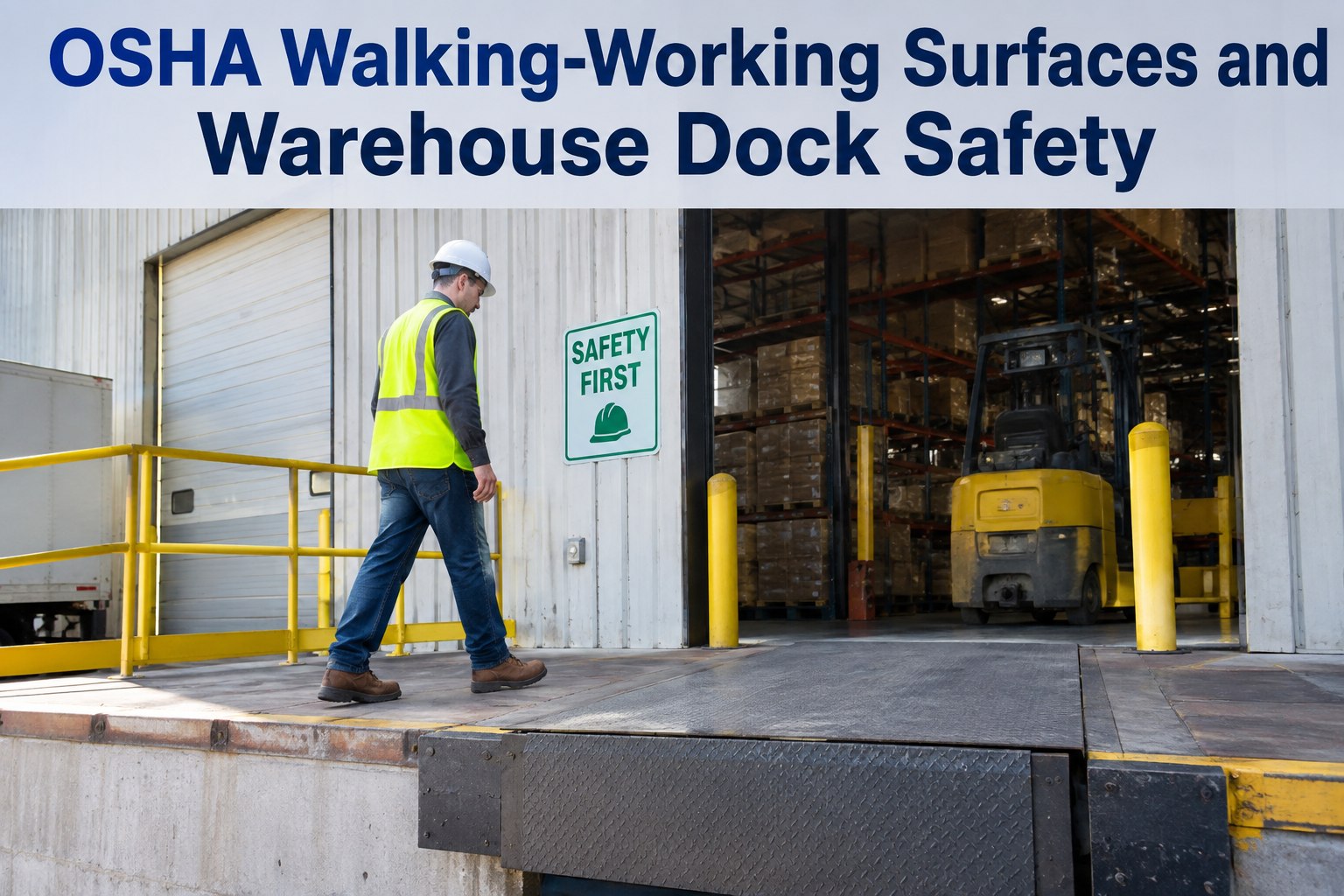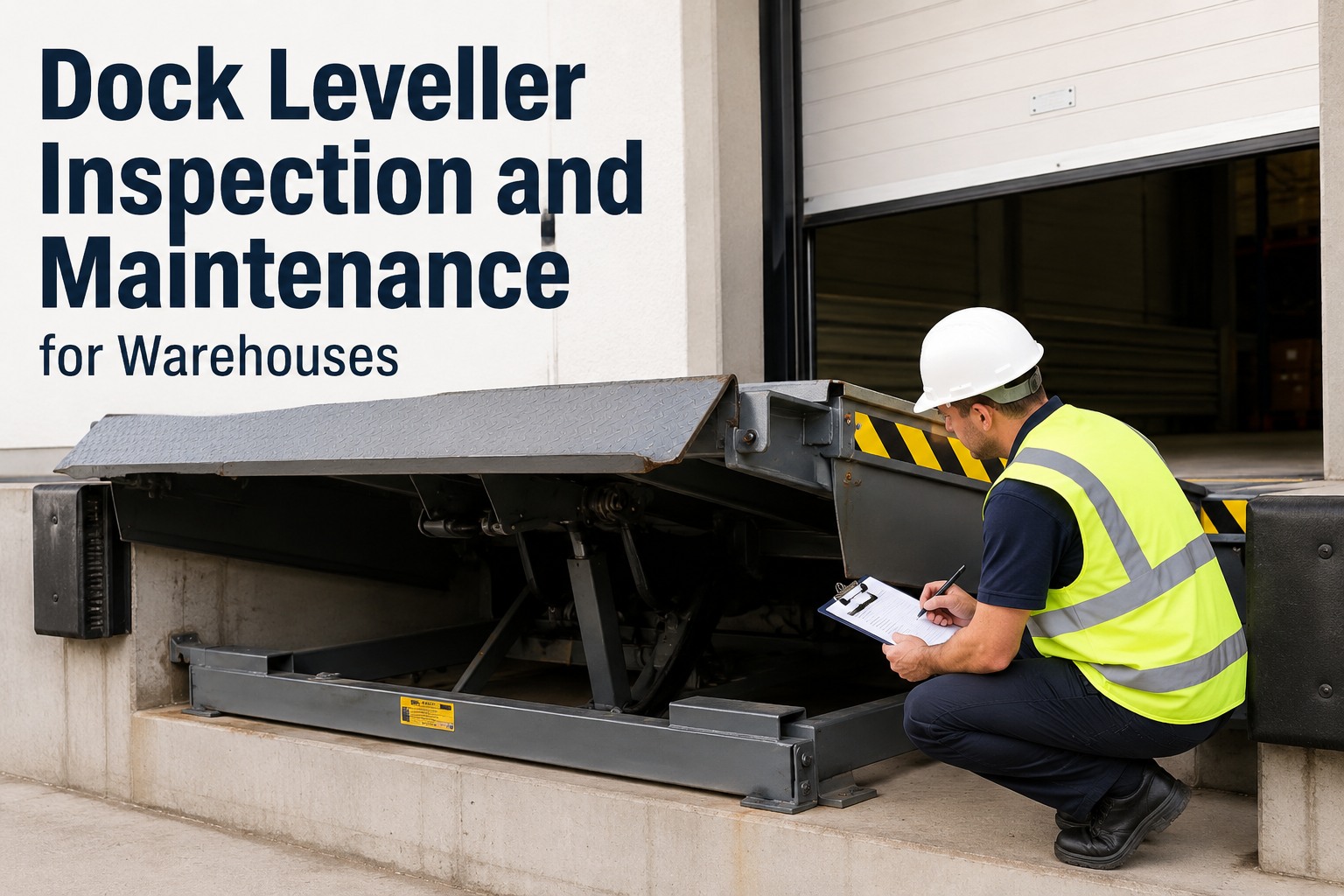
Every pallet that moves between a trailer and your warehouse floor crosses one piece of steel: the dock leveller. When that leveller fails under a loaded forklift, the machine, the operator and the load drop into the dock gap, and you are dealing with a serious injury event, a wrecked truck and a dock out of service. Good dock leveller maintenance is not glamorous, but it is what stands between a normal shift and that phone call. This guide walks through what actually wears and fails on hydraulic and mechanical levellers, how to inspect the lip, deck, welds and pit, why capacity ratings drift as forklifts get heavier, and how to run the whole programme digitally instead of on a clipboard in the dock office. If you want to see how a digital dock equipment checklist looks on your own bays, you can book a 30-minute walkthrough with the HVI team and we will show you on real templates.
Would your dock leveller hold a 5-tonne forklift today, or is it quietly telling you it will not?
Levellers almost never fail without warning. Hydraulic drift, a slow-sinking deck, a lip that will not fully extend, oil weeping down the cylinder rod - the signs are there weeks before the failure. The question is whether anyone is writing them down.
- Hydraulic cylinder condition, leaks and holding capability against uncontrolled descent
- Lip assembly, hinge wear and the weld integrity of deck and frame
- Capacity rating versus the actual weight of the forklifts crossing it today
- Pit housekeeping, maintenance access and safe isolation before anyone goes below deck
Dock leveller safety by the numbers
These are the figures that turn dock equipment from a facilities afterthought into a maintenance priority. Each one maps to money, downtime or an injury you do not want to explain.
Industry safety data consistently puts roughly a quarter of warehouse injuries at or around the loading dock, the most concentrated hazard zone in the building.
A loaded counterbalance forklift with operator and battery can easily weigh 4 to 6 tonnes. Every pass puts that full weight on the deck, lip and welds.
One leveller out of service on a busy dock backs up trailers, forces double-handling through other doors and can idle a bay for days waiting on parts.
A busy bay cycles its leveller dozens of times a day. That is thousands of hinge, lip and cylinder movements a year wearing the same pins and welds.
What to check on a dock leveller inspection
A proper dock leveller inspection is not a glance from the doorway. It is a structured pass over six systems, each with its own failure modes. Here is what your technicians should be touching, measuring and photographing on every visit.
Hydraulic system
- Cylinder rod for scoring, pitting and chrome damage
- Seals and fittings for weeping or active leaks
- Holding test: deck must not drift down under load
- Hoses for chafing, cracking and bulges at crimps
- Fluid level, condition and any milky contamination
The holding capability is the big one. A cylinder that slowly lets the deck sink under a parked forklift is a leveller that can drop without warning. Test it loaded, not empty.
Lip and hinge assembly
- Lip extends fully and rests flat on the trailer bed
- Hinge pins and bushings for play and elongation
- Lip plate for cracks, bends and crown wear
- Lip keepers and the lip assist or spring mechanism
- Grease points actually taking grease, not dry
A worn hinge lets the lip sit low or twisted, so the forklift wheel catches the lip edge instead of rolling over it. That impact is what cracks lip plates and bends hinge lugs.
Deck, frame and welds
- Deck plate for cracks, especially at stress corners
- Main frame welds for cracking or rust bleed lines
- Deck for bowing, dish or permanent set under load
- Rear hinge and curb angle anchors for movement
- Bumpers: present, solid and not compressed flat
Weld cracks telegraph as rust streaks. A hairline crack weeps moisture and leaves a rust bleed line down the frame. Train your crew to treat every rust line as a suspected crack until proven otherwise.
Mechanical spring system
- Main lift springs for cracks, rust and lost tension
- Hold-down and ratchet bar for worn teeth
- Release chain and pull ring operate freely
- Lip spring or counterbalance condition
- Deck rises smoothly, no binding or jerking
Mechanical levellers fail differently. A fatigued lift spring snaps without hydraulic warning signs, and a worn ratchet tooth lets the deck drop through the hold-down. Springs are cheap; the failure is not.
Capacity rating check
- Nameplate capacity legible and matches records
- Heaviest current forklift plus load calculated
- Three-wheel and stand-up units included in the math
- Speed and frequency of crossing considered
- Any trailer-spotting or yard truck use reviewed
Capacity drift is real. The leveller was specified years ago for the forklifts you had then. If you have moved to heavier electrics with big batteries, you may be over the rating every single pass without knowing it.
Pit, access and isolation
- Pit floor clear of debris, pallets and standing water
- No oil pooling that hides a fresh leak
- Maintenance strut or prop present and serviceable
- Lockout of the power pack before anyone enters
- Housekeeping schedule actually being followed
Nobody goes under a raised deck on hydraulics alone. The maintenance strut goes in, the power pack is locked out, and the work order records both. That isolation step is what keeps a routine grease job from becoming a crushing injury.
Hydraulic dock leveller vs mechanical: how they fail differently
The two leveller types wear in completely different ways, so a single generic checklist misses half the picture. Your preventive maintenance programme needs to treat them as different machines.
| Area | Hydraulic dock leveller | Mechanical dock leveller |
|---|---|---|
| Primary lift force | Hydraulic cylinder and power pack | Counterbalance lift springs |
| Main wear point | Seals, rod surface, hose crimps | Spring fatigue, ratchet teeth, chains |
| Typical failure sign | Slow deck drift, oil weep, spongy hold | Slow rise, snapped spring, slipped hold-down |
| Drop risk | Loss of holding capability under load | Hold-down release or ratchet tooth wear |
| PM focus | Loaded holding test, leak inspection, fluid | Spring condition, ratchet engagement, lubrication |
| Common neglect | Running low on fluid until the pump cavitates | Never adjusting spring tension as springs age |
Mixed fleets of dock equipment are normal. Most sites run hydraulic levellers on busy doors and mechanical units on lighter bays. Your inspection templates should match the equipment on each bay, not a one-size form. When you walk through your own bays in a demo, you will see how HVI lets you assign a hydraulic template to one door and a mechanical template to the next.
How a dock leveller defect should move through your shop
The gap between "someone noticed the lip is bent" and "the lip is fixed" is where levellers fail. A disciplined workflow closes that gap. Here is the five-step path a defect should take, whether it comes from a scheduled PM or a forklift driver reporting a bang at the door.
Catch and photograph
The defect gets logged on the spot with photos: the weeping seal, the cracked weld, the bent lip edge. A photo beats a paragraph of description and kills the "it looked fine to me" argument later.
Risk-rate the bay
Decide immediately whether the bay stays in service. A leaking hose is a planned repair; a failed holding test or a cracked main weld takes the bay out now. The decision and who made it get recorded.
Raise the work order
The defect becomes a work order with the bay, the asset, the photos and the parts likely needed. No retyping, no chasing a paper note across the dock office.
Isolate and repair
The work order carries the isolation steps: power pack locked out, maintenance strut in place, bay coned off. The technician confirms each step before going into the pit, and the record shows it.
Load-test and close
After the repair, the leveller gets a loaded function test before the bay reopens. The close-out photo and test result attach to the work order, so the audit trail runs from first photo to back-in-service.
This is exactly the flow HVI is built around: inspection to defect to work order to verified close-out, all timestamped. If your current process is a whiteboard and a group chat, you can start logging dock inspections free and see the difference on the first defect.
See your own dock bays running on HVI
Bring one leveller, one door or your whole dock. We will load your equipment types into a live demo and show you the inspection-to-work-order flow on your own assets in 30 minutes.
Dock leveller maintenance, run from a phone instead of a binder
HVI is cloud and mobile inspection and maintenance software built for fleet-heavy operations. It treats your dock equipment like the rest of your assets: scheduled, inspected, photographed and repaired with a full record. Here is what that looks like on the dock.
Dock equipment templates
Separate checklists for hydraulic and mechanical levellers, dock plates, restraints and doors, each with the exact checkpoints above. Technicians walk the bay with a phone and tap through, so nothing gets skipped on a busy shift.
Photo evidence on every defect
The cracked weld and the weeping seal get photographed at the bay, attached to the asset and carried into the work order. When an insurer, client or safety auditor asks about that door, you pull the record in seconds instead of digging through binders.
Calendar-based preventive maintenance
Levellers get PM by date, cycle count or usage, with due and overdue alerts before a bay slips past its interval. You stop relying on someone remembering that door six is due its quarterly service.
Work orders with isolation steps
Every dock work order carries the lockout and strut steps as mandatory confirmations before a technician starts. The safety step is built into the job, not written on a separate permit that lives in a drawer.
Dock leveller maintenance, boiled down
The hydraulics warn you first
On powered levellers, cylinder condition, leaks and holding capability are your early warning system. A deck that drifts down under load is a leveller asking to be taken out of service before it takes itself out.
The lip and welds take the beating
Hinge wear and weld cracking come from thousands of loaded crossings. Rust bleed lines and a twisted lip are not cosmetic; they are the structure telling you it is fatiguing.
Capacity drifts as forklifts grow
Recheck the nameplate rating against the actual weight of the forklifts crossing the deck today. Heavier electric units have quietly pushed many older levellers past their rating.
The pit is a confined workspace
Housekeeping, a serviceable maintenance strut and a recorded lockout are what make pit work safe. Build the isolation steps into the work order so they happen every time, not when someone remembers.
Good dock leveller maintenance is a system, not a hero technician. When inspections, photos, PM schedules and work orders live in one place, the warning signs get caught and acted on. If you want that system without building it yourself, book a demo and we will map it to your dock.
"The leveller that dropped on us did not fail out of nowhere. The deck had been settling slow for weeks and the night shift just worked around it. Nobody wrote it down because it still went up and down. Now I track one number: how many dock defects are open more than a week. If that creeps up, I know we are back to working around problems instead of fixing them."
Daniel Reyes, Maintenance Manager at a regional food distribution warehouse
Dock leveller inspection and maintenance FAQs
How often should a dock leveller be inspected?
What is the most dangerous dock leveller failure?
How do I know if my leveller capacity is still adequate?
What records should I keep for dock leveller maintenance?
Can software really help with dock equipment, not just trucks?
Stop working around leveller problems. Start closing them out.
Put your dock equipment on the same digital inspection and work order system as your fleet. Catch the hydraulic drift, the cracked weld and the worn lip before the bay goes down, and prove every inspection when it counts.
Free to start - Works on any phone - No card needed