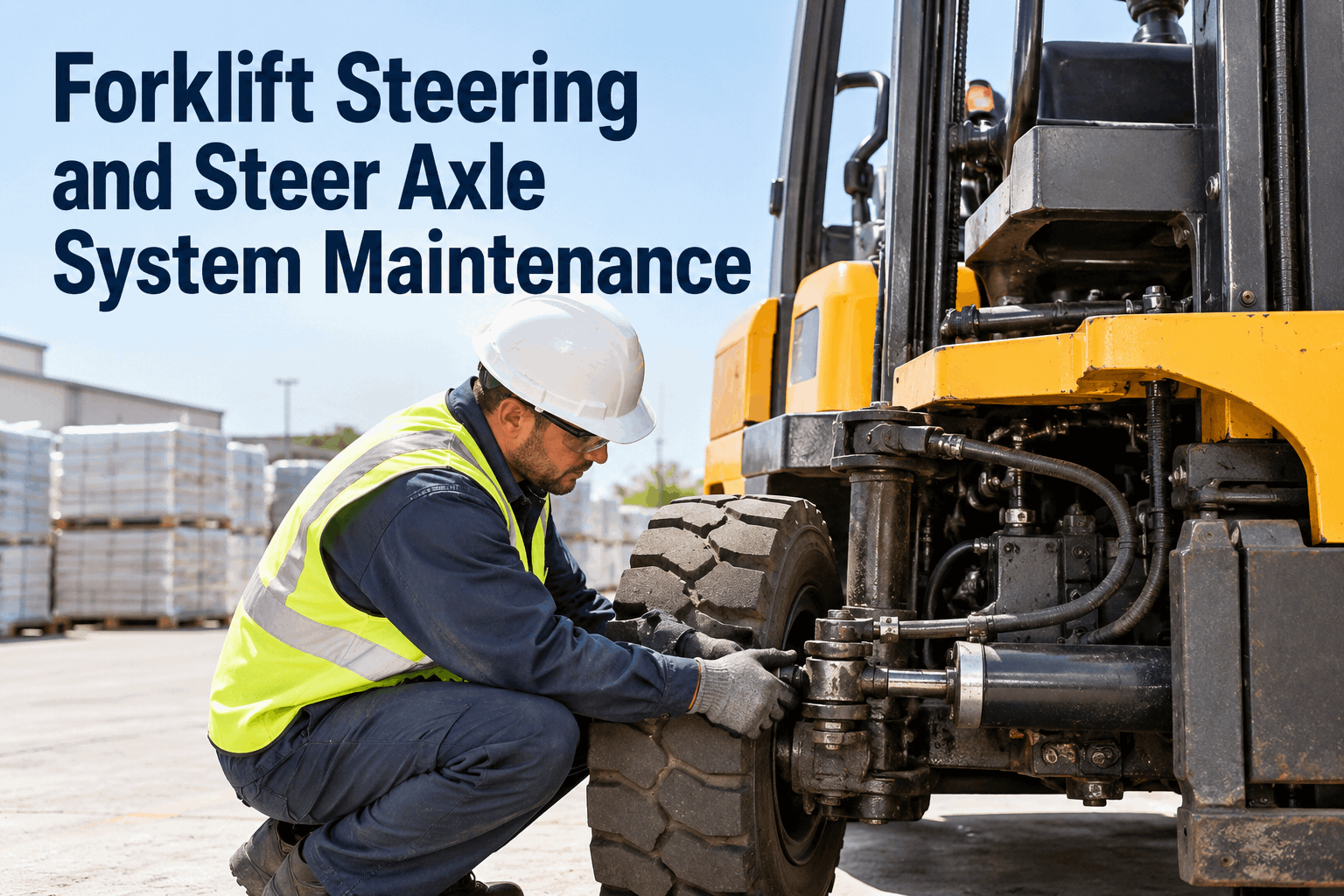
Forklift steering maintenance is a critical part of safe warehouse operations. Loose steering linkages, worn steer axle bushings, hydraulic leaks, or binding can make a truck difficult to control in narrow aisles and loading areas. This guide explains what operators should check before a shift, what technicians should inspect during planned service, and when a forklift must be removed from operation.
Forklift Steering & Steer Axle System Maintenance
Find steering defects early, document them consistently, and make repair decisions before a small handling issue becomes a serious control problem.
Understand how forklift steering works
Steering designs differ by truck model. Inspect the actual system fitted to each asset, not a generic diagram.
Many counterbalance forklifts steer with their rear wheels. That arrangement helps maneuver around pallets, but it also causes the rear of the truck to swing outward during turns. Operators need clearance awareness and smooth steering response, particularly with loads elevated or when traveling near pedestrians.
Depending on the truck, steering may be mechanical, hydraulically assisted, fully hydraulic, or electronically controlled. Electric pallet trucks and other warehouse equipment can use tiller steering instead of a conventional steering wheel. Consult the manufacturer’s operator and service manuals for the correct inspection and test procedures.
For consistent fleet checks, connect each inspection to the specific truck’s asset record. Sign up free to organize forklift inspection and maintenance records with HVI.
Where steering faults develop
Use symptoms to guide a qualified technician’s inspection, not to authorize untrained adjustments or continued operation.
Kingpins and bushings
Look for unusual wheel movement, clunking, uneven tire wear, or visible looseness. Technicians measure play using the OEM method and limits.
Tie rods and linkages
Check for damaged boots, missing retainers, bent rods, loose joints, corrosion, and movement that does not match steering input.
Wheel bearings and hubs
Listen for rumbling and inspect for abnormal heat, looseness, or damage. Use manufacturer-approved lifting and support methods for detailed checks.
Steering cylinder
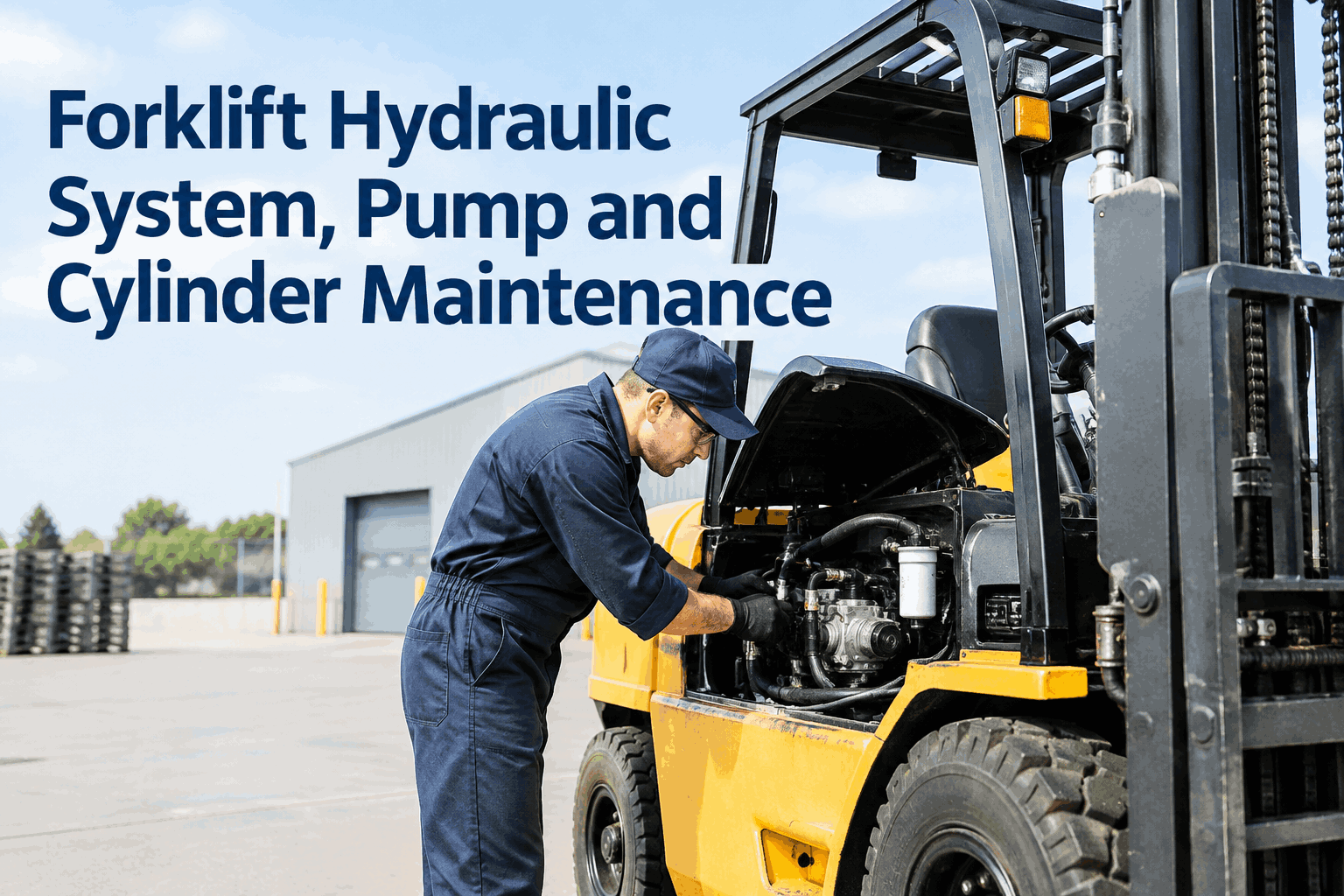
Inspect rod surfaces, mounts, pins, seals, and hose connections for damage, seepage, or leaks. Never use hands to locate pressurized leaks.
Hydraulic lines and valves
Look for chafed hoses, wet fittings, low fluid where applicable, abnormal pump noise, and intermittent or lost steering assistance.
Steering controls
Note excessive wheel free play, unusual vibration, delayed response, or warning indicators. Escalate any change from normal behavior.
Steering symptoms and the right next action
| Observed symptom | Potential areas to investigate | Immediate response |
|---|---|---|
| Excessive steering play | Linkages, bushings, joints, wheel hubs, steering controls | Report; remove from service if steering is unsafe; qualified inspection |
| Binding or jerky response | Mechanical interference, seized pivots, hydraulic or control faults | Stop operation and isolate the truck until assessed |
| Steering feels heavy or loses assist | Hydraulic supply, pump, fluid, valves, electric assist systems | Stop and report; do not continue with compromised control |
| Visible hydraulic leak | Cylinder seals, fittings, hoses, valve body | Keep clear of pressurized fluid; isolate and arrange repair |
| Clunking or uneven tire wear | Axle mounts, kingpins, bushings, bearings, alignment | Document; have qualified maintenance personnel inspect |
These are diagnostic starting points, not a substitute for model-specific service procedures. Do not attempt steering tests that require lifting, turning to stops, or operating near people unless the OEM procedure and site controls permit them.
Turn steering inspection findings into documented maintenance work
Use HVI to organize forklift inspections, record defects, and retain maintenance history across your warehouse fleet.
Forklift steering pre-shift inspection checklist
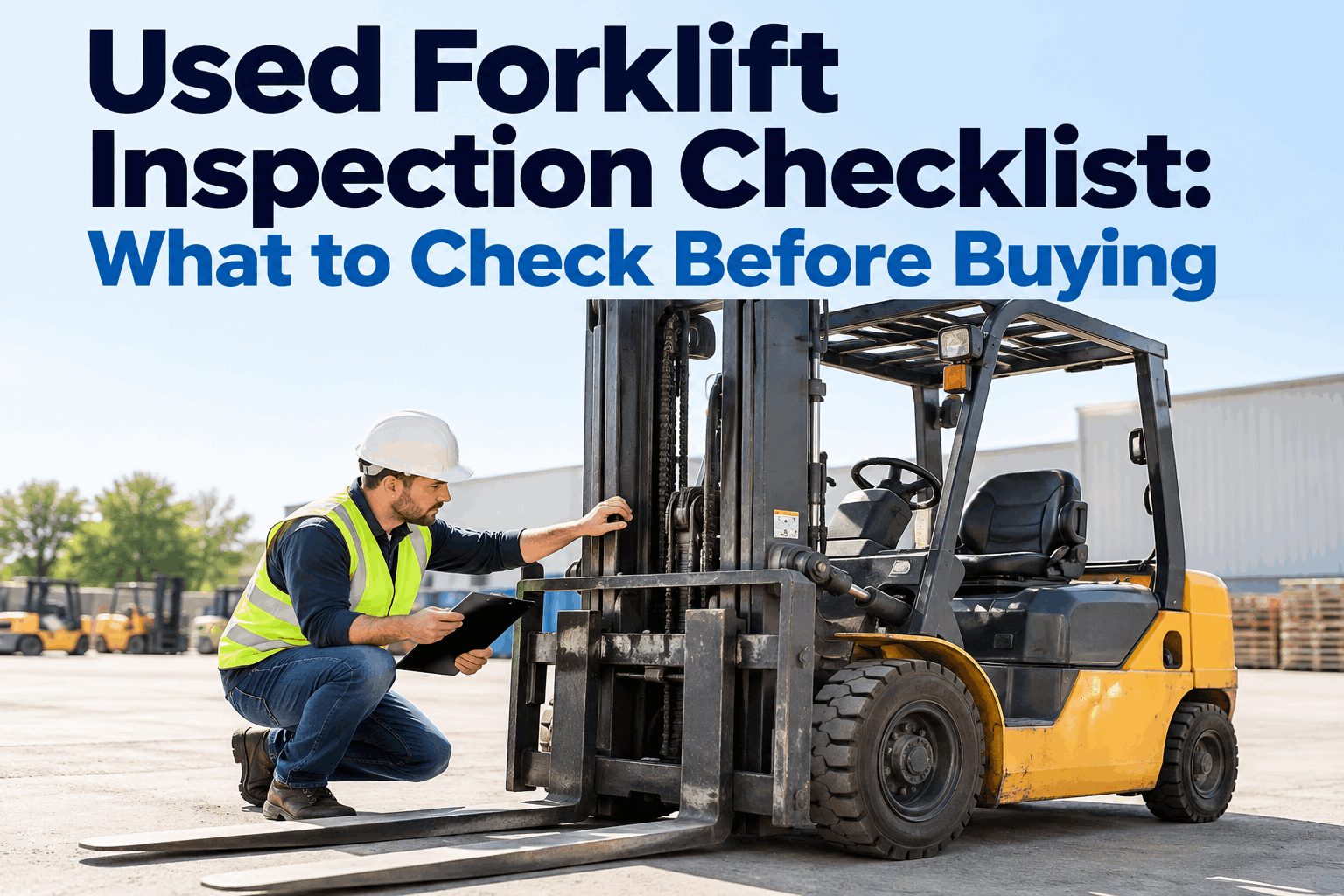
Use this operator-level checklist before use, following site procedures and the manufacturer’s inspection instructions.
- Check steer tires for damage and abnormal wear.
- Look for obvious axle, hub, or linkage damage.
- Check beneath the truck for fresh fluid leaks.
- Look for loose, missing, or damaged accessible components.
- Check steering wheel or tiller for obvious damage.
- Note unusual free play or steering resistance.
- Observe applicable warning lights or fault messages.
- Confirm response during approved low-speed checks.
- Listen for unusual noise during permitted maneuvers.
- Watch for delayed, jerky, or inconsistent response.
- Check that rear swing and clearance remain predictable.
- Stop immediately if control is compromised.
- Record any abnormal symptom with the asset ID.
- Report defects promptly to the designated supervisor.
- Tag or isolate unsafe equipment per site policy.
- Resume use only after authorized repair and verification.
Operators should not dismantle, adjust, or pressurize steering components during pre-shift checks. Any unsafe condition requires removal from service until corrected.
Build steering inspections into the maintenance schedule
Operator inspection
Document visible damage, leaks, steering response, and unusual handling.
Technician assessment
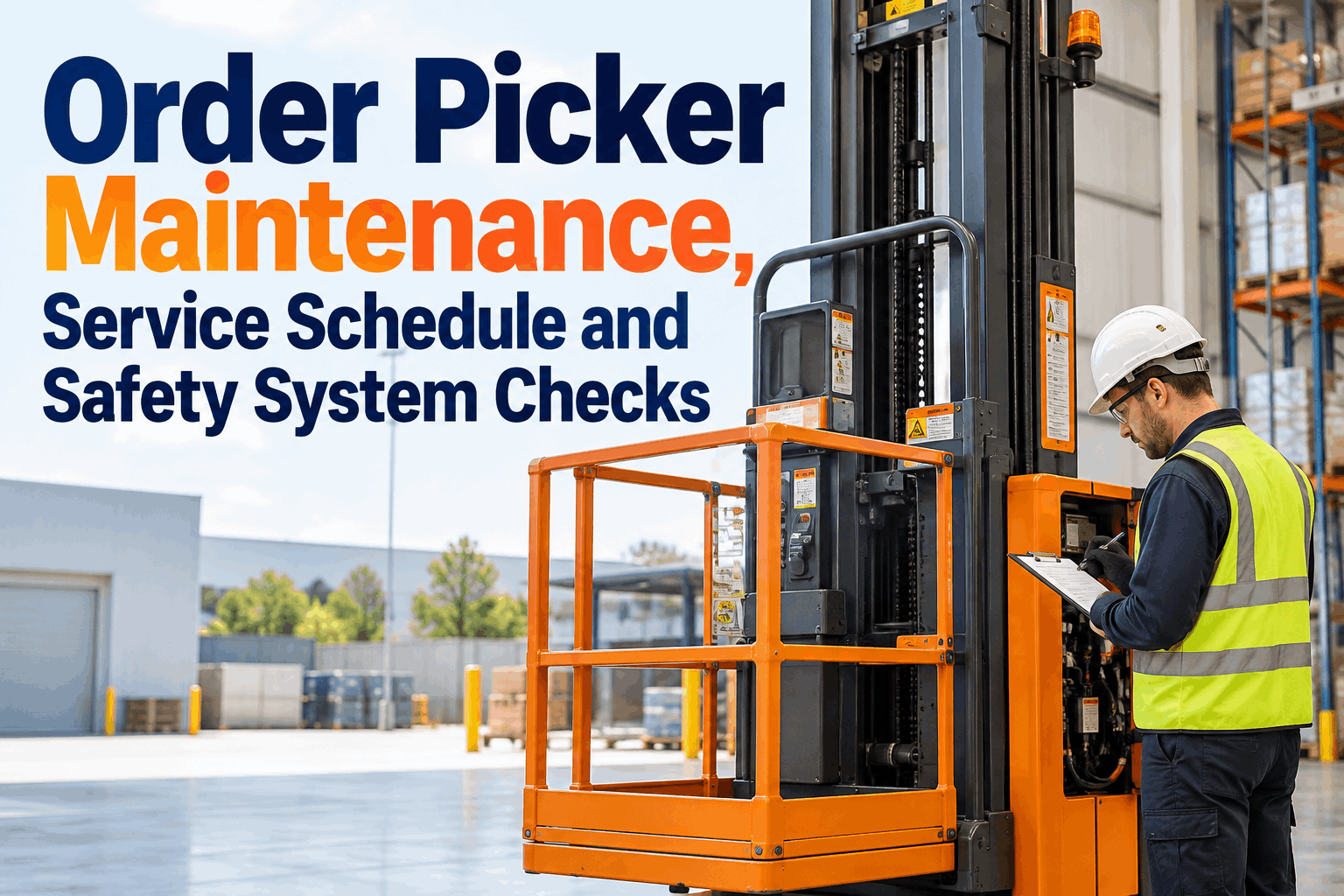
Inspect pivots, bearings, linkages, mounts, hoses, and fluid systems at OEM intervals.
Diagnose and repair
Isolate unsafe equipment, use qualified personnel, and record parts and corrective work.
Verify and release
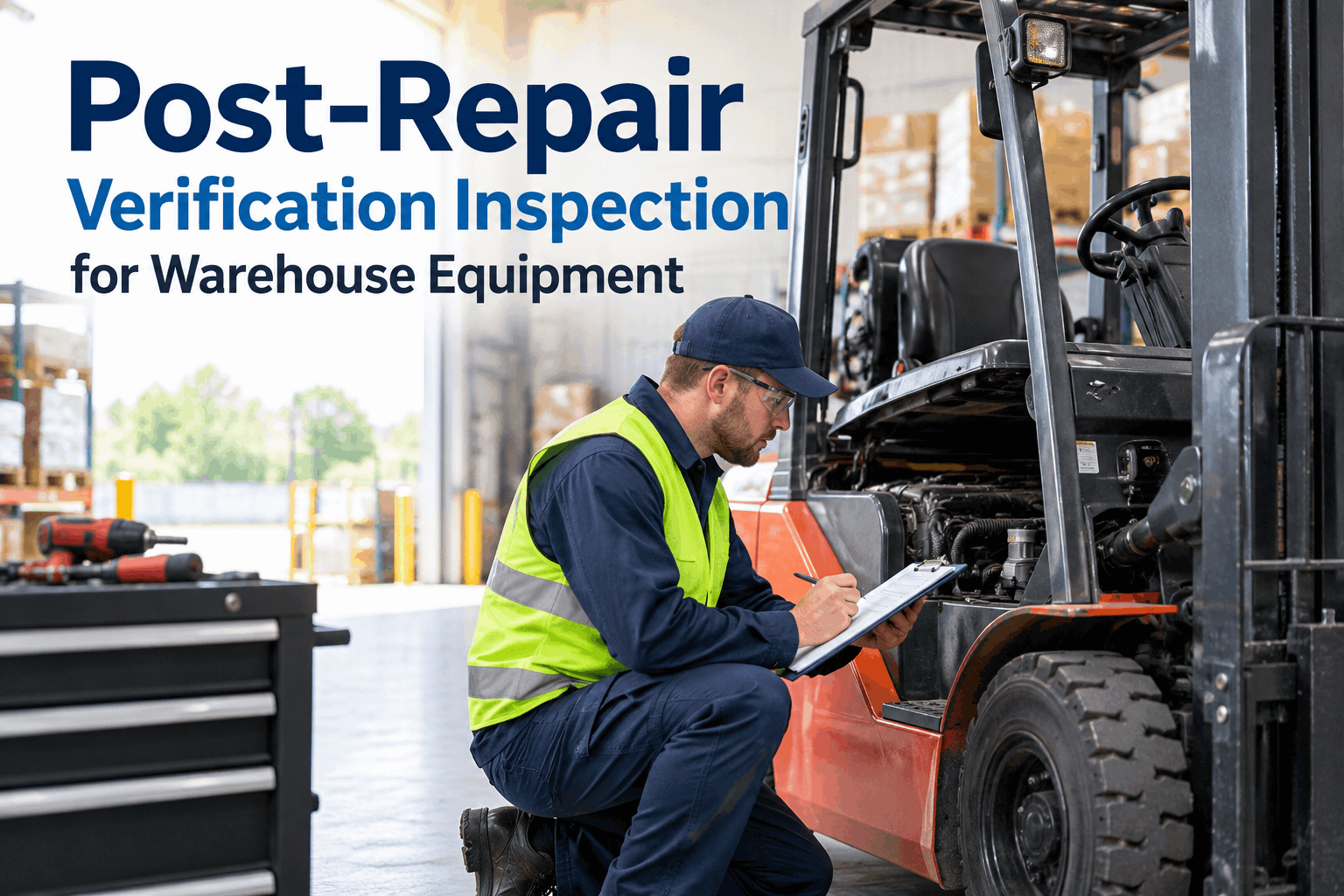
Complete manufacturer-required checks and obtain authorized return-to-service approval.
Service frequency depends on operating hours, environment, load conditions, truck type, and the manufacturer’s maintenance schedule. Rough surfaces, debris, moisture, and frequent tight turns may justify more frequent inspections under an approved maintenance program. Avoid applying one arbitrary wear limit or lubrication interval to every forklift.
Tiller steering needs a different inspection approach
Walkie pallet trucks and powered pallet jacks commonly use a tiller arm for steering and operator control. Their hazards differ from those of rear-steer counterbalance forklifts. Inspect the tiller pivot, handle return action, control buttons, wiring protection, and any manufacturer-provided braking or emergency reversing functions.
Check for binding, excessive looseness, damaged grips, or inconsistent control response. A damaged tiller or malfunctioning safety control should trigger an immediate report and removal from service when safe operation is affected. Follow the model’s manual for functional tests and maintenance.
From steering defect to safe return to service
A repeatable defect workflow protects operators and preserves evidence of what was found, repaired, and verified.
Capture the forklift identifier, date, operator’s description, photos where useful, technician findings, parts replaced, and verification notes. Reviewing repeated steering defects by asset can reveal recurring wear, harsh operating conditions, or missed preventive maintenance. HVI can support inspection documentation, maintenance records, and scheduling; it does not replace qualified diagnosis or determine whether a truck is safe to release.
To organize those records in one place, book a demo of HVI forklift inspection and maintenance tracking.
Track the measures that reveal repeat steering problems
Count unresolved findings by truck, severity, and age.
Compare recurring steering work on the same asset.
Check whether required inspections and services were performed on time.
Record time unavailable while steering faults are corrected.
These indicators are more actionable than simply counting inspection forms. Review patterns by truck type, age, working area, and operating hours where reliable data is available. Use findings to improve maintenance planning, not to pressure operators to keep unsafe equipment in service.
Make steering defects easier to report, track, and resolve
Bring equipment inspections, preventive maintenance schedules, and repair histories together with HVI.
Forklift steering maintenance FAQs
What are the most common signs of forklift steering problems?
Excessive steering play, binding, delayed response, abnormal noise, inconsistent steering assistance, visible hydraulic leaks, and unusual tire wear can indicate a problem. Stop using the forklift when safe steering is compromised and have qualified personnel investigate.
How often should a forklift steer axle be inspected?
Operators should perform the required pre-use inspection before operating the truck. Qualified technicians should inspect steer axle components at the intervals specified by the manufacturer and site maintenance program, adjusted for operating conditions where appropriate.
Can an operator continue using a forklift with a hydraulic steering leak?
A steering-system leak may impair control and expose personnel to pressurized fluid. Stop operation and report the defect. The truck should remain out of service when safe operation is affected until repaired and verified by authorized personnel.
What is the difference between forklift steer axle maintenance and pallet truck tiller maintenance?
Counterbalance forklifts often have steer axle pivots, kingpins, bushings, and linkages. Powered pallet trucks commonly use a tiller handle and control head with different mechanical and electrical safety functions. Each requires model-specific inspection procedures.
How can HVI support forklift steering maintenance?
HVI can help teams document inspections and defects, maintain asset and repair histories, and plan preventive maintenance. Diagnosis, steering adjustments, and return-to-service authorization remain the responsibility of qualified personnel following manufacturer instructions.