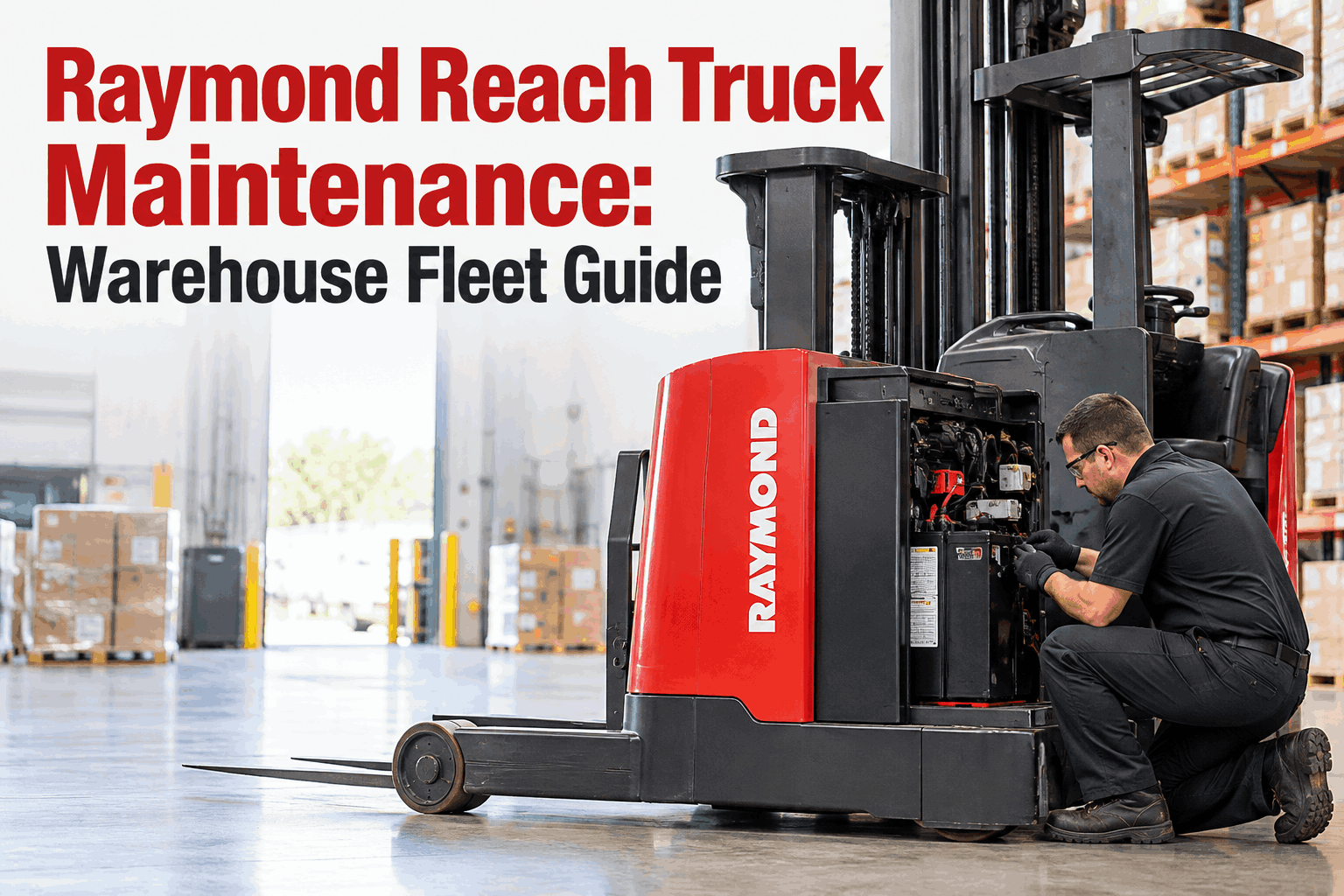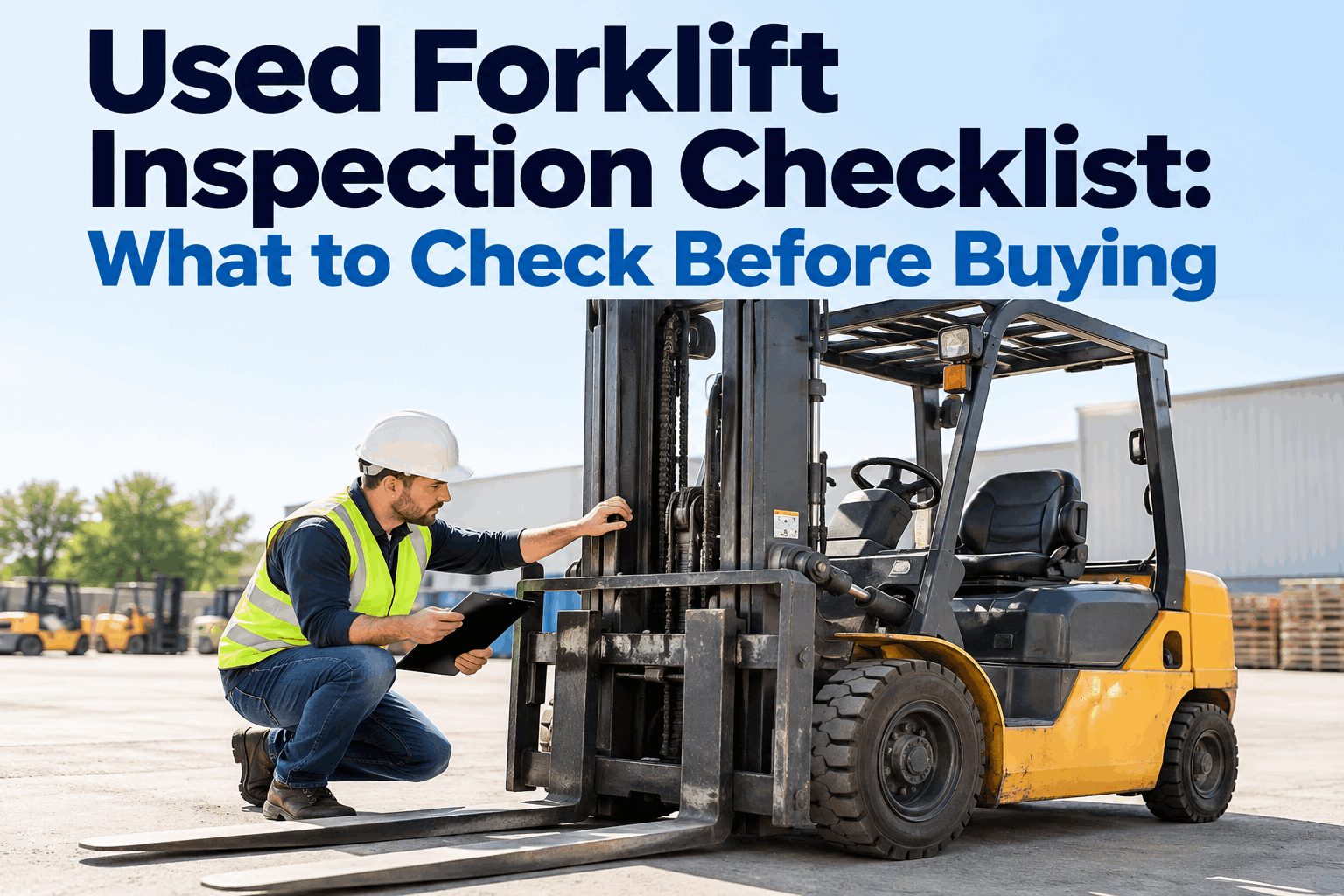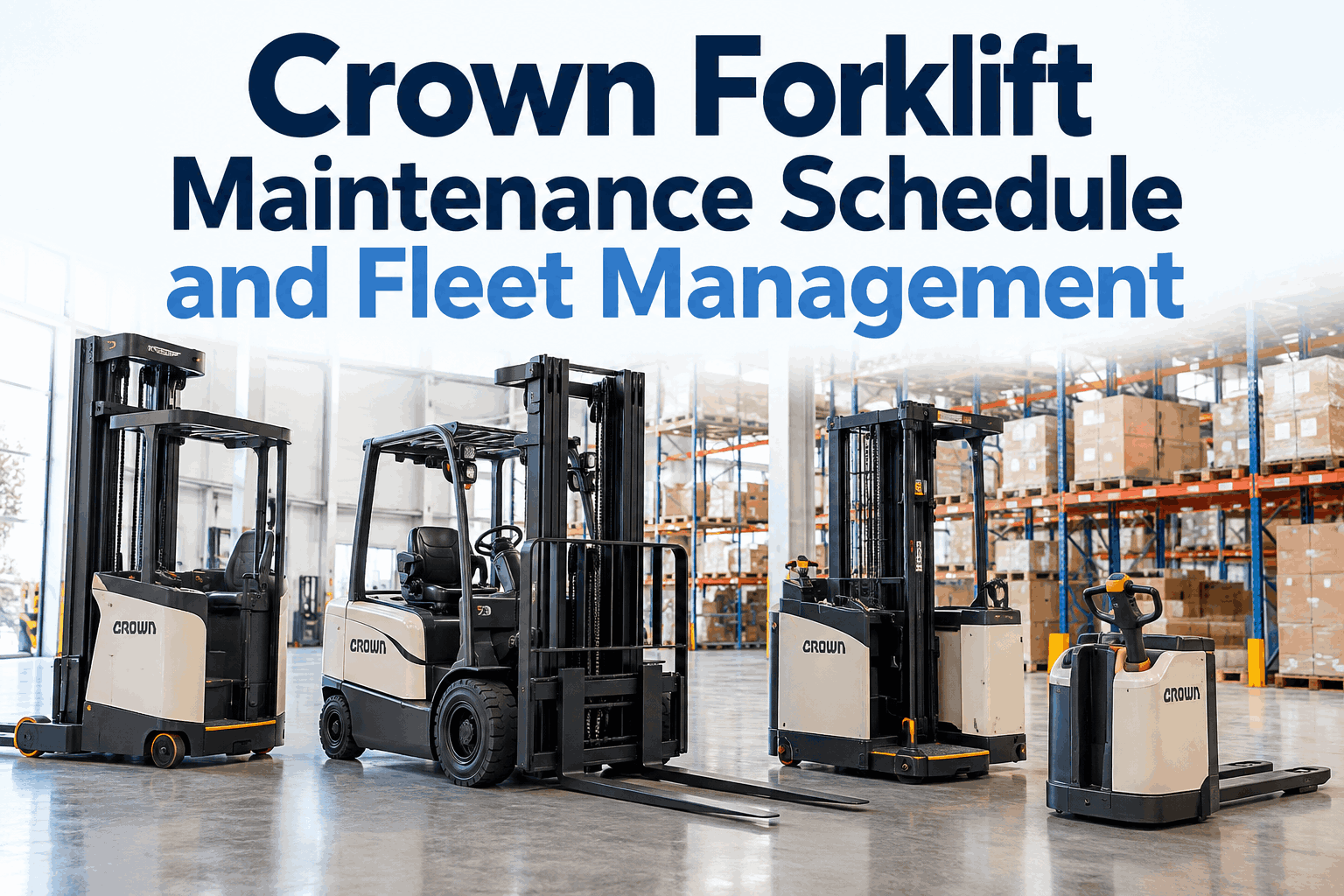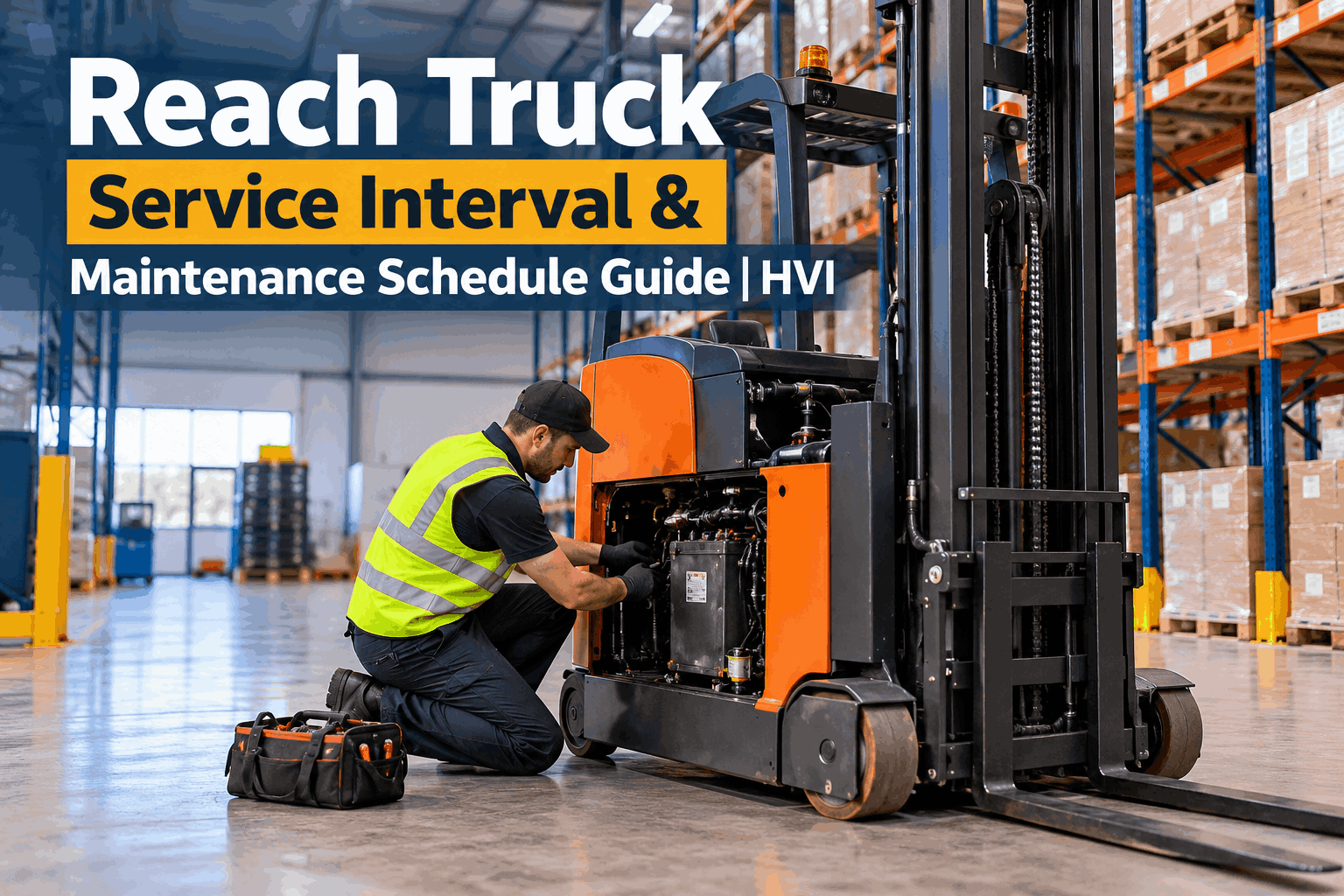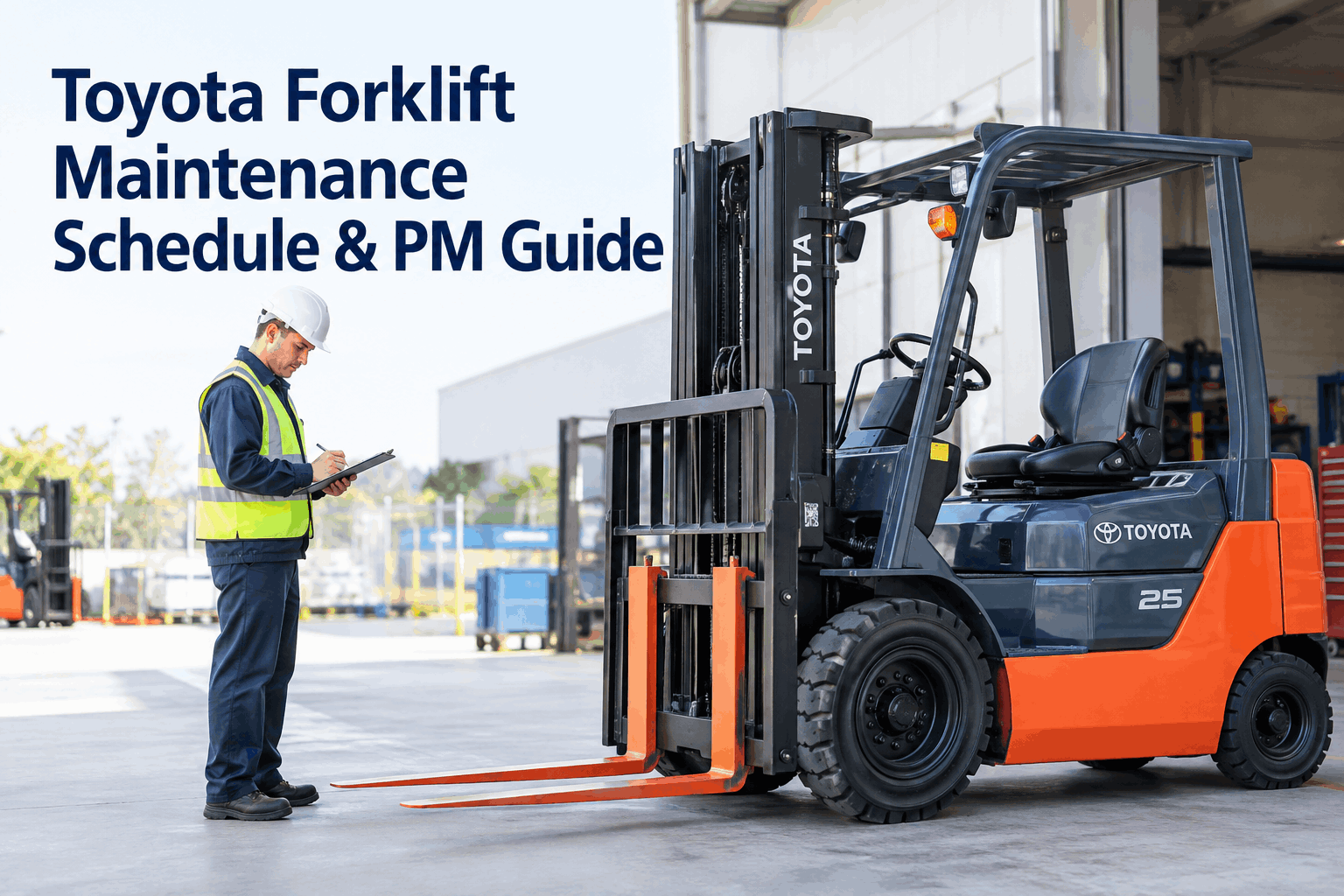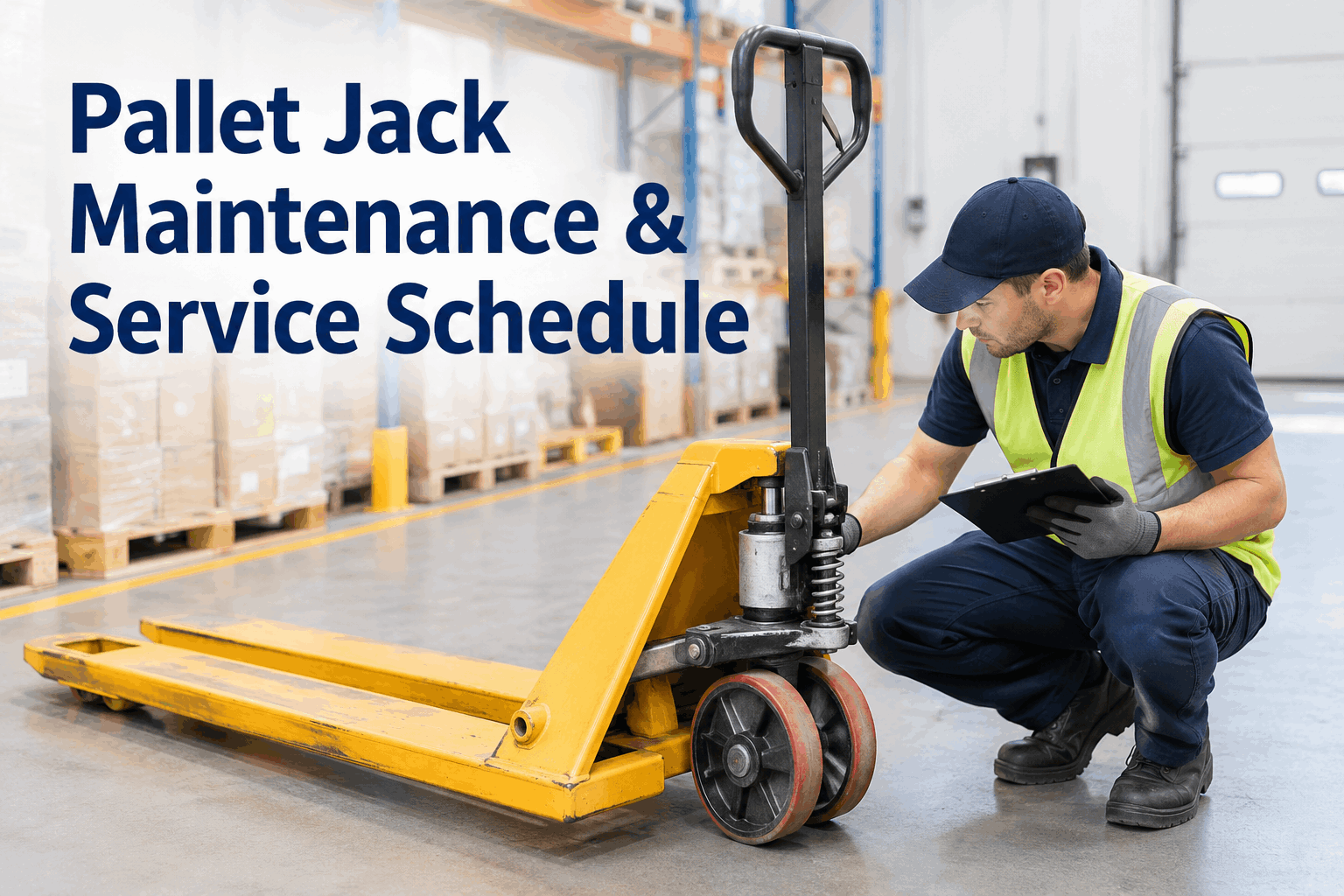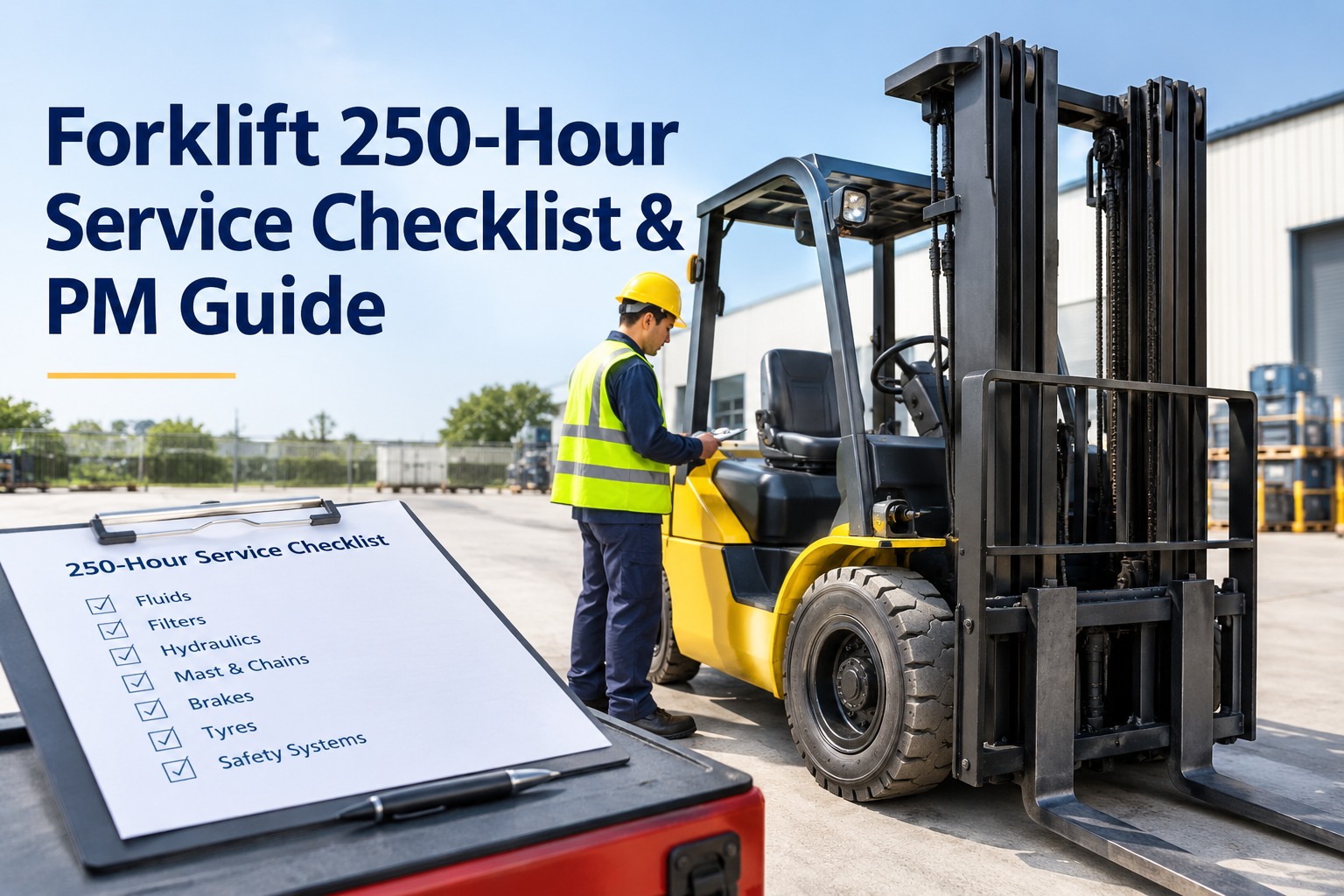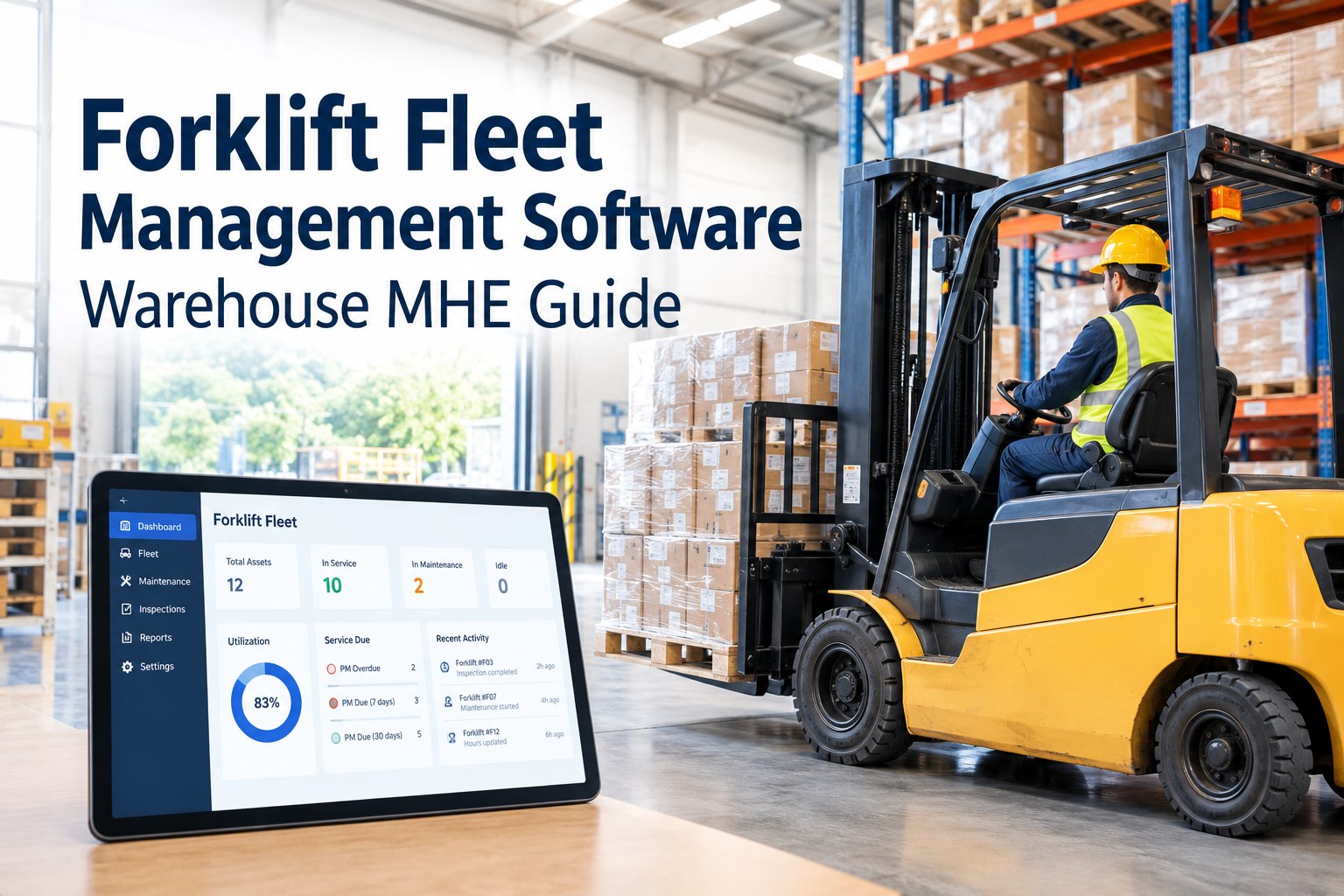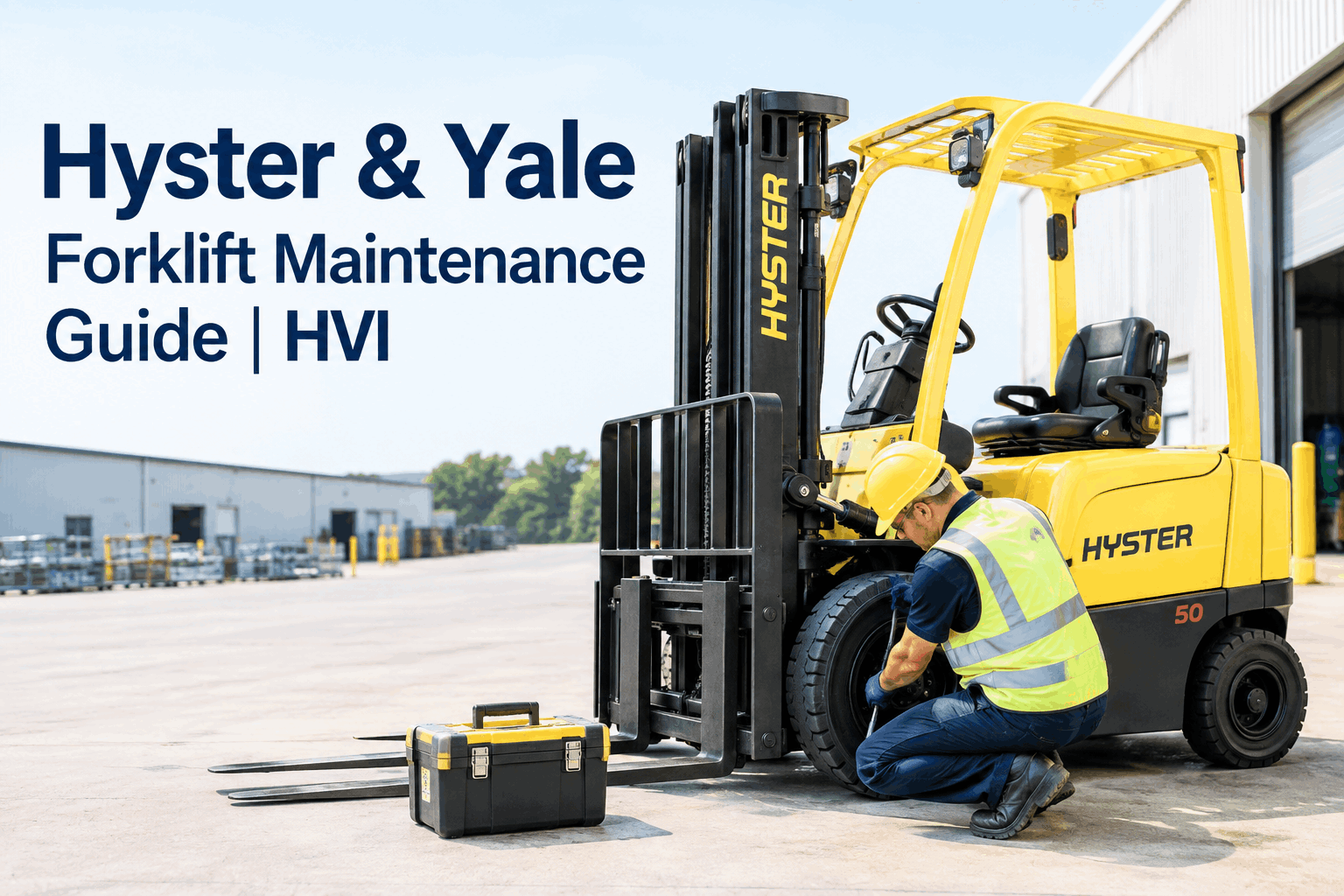
Hyster and Yale forklift maintenance sounds like one topic, but it's really dozens — a light warehouse electric and a heavy Perkins-diesel counterbalance share a badge and almost nothing about their service schedule. Push both onto one generic PM plan and you over-service one while the other slips its real intervals. This page is about running Hyster and Yale the way they're built: model by model, powertrain by powertrain, with the machine's own manual as the authority. Book a demo to see per-model PM across a mixed fleet.
One Schedule Doesn't Fit a Hyster & Yale Fleet
Even two models of the same brand don't service on the same clock — base intervals shift by engine, capacity, and duty. The warehouses that get this right stop forcing every truck onto one calendar and run each model on its own manufacturer schedule instead.
Hyster and Yale are sister brands under one parent, sharing plenty of engineering — but their range runs from compact warehouse electrics to big internal-combustion trucks lifting tens of thousands of pounds. That spread is the whole maintenance story: the requirements diverge by model and powertrain far more than the shared badge suggests.
Why One Generic Schedule Breaks a Hyster & Yale Fleet
The instinct on a mixed fleet is to pick one PM interval and apply it to everything — it's simpler to manage. It's also the fastest way to waste money on some trucks and risk failures on others, because the base intervals genuinely aren't the same.
The hard-worked IC counterbalance and the heavy diesel blow past their real service marks. Engine oil degrades, filters clog, and a missed interval turns into a breakdown — and often a voided warranty claim.
The lighter warehouse electric gets serviced far more often than its manual requires. You burn labor and parts on a truck that didn't need the visit — money spent to feel organized, not to prevent a failure.
Real Hyster and Yale service tables prove the point: across their models you'll find base maintenance marks landing anywhere from roughly 170 to 500 hours depending on the machine and engine, with daily checks, monthly lubrication, and annual major services layered on top. No single number fits all of them. The only schedule that works is each model's own. Book a demo to run each model on its own interval.
Every framework on this page is a planning aid — the operator and service manual for your specific Hyster or Yale model sets the exact intervals, fluids, and specs, and following it with documented service is what keeps warranty intact. Use the manual as the source of truth, and let software make sure its intervals actually fire.
Warehouse Electric vs. Heavy-Duty IC: Two Different Programs
Hyster and Yale span both worlds — nimble electric trucks for indoor picking and big internal-combustion counterbalance lifts for yards and heavy loads. They share the lift end; their powertrains need completely different care.
- Battery service — water and equalization (lead-acid) or BMS checks (lithium)
- Drive motor, controller, and cooling-fin inspection
- Contactors, cables, and connectors — the top electric-truck failure point
- Often a longer base PM interval than IC
- No engine oil, fuel, or emissions work
- Engine oil and filter changes on the Perkins or GM engine schedule
- Fuel system — diesel filters and injectors, or LPG regulator
- Cooling system, radiator, belts, and air intake
- Transmission and drive-axle oil on heavy trucks
- Often a shorter, more frequent base interval under load
The heavier the truck and the harder the duty, the more the IC side dominates the schedule — a big diesel counterbalance carries engine, transmission, and cooling service a warehouse electric simply doesn't have. Forcing both onto one checklist means the electric truck gets asked about engine oil and the diesel skips its fuel filters. Distinct templates per type keep each honest. Start free with distinct electric and IC templates.
The Maintenance Areas Every Hyster & Yale Shares
Whatever the model or powertrain, these systems are on every Hyster and Yale PM and daily check. They're the common ground — and each is safety-critical on a truck lifting loads over people.
Mast & lift chains
Chain wear, stretch, and lubrication; pivots, sliding surfaces, and load rollers; smooth lift and tilt with no drift under load.
Hydraulics
Cylinder and hose condition, leaks, fluid level and quality, filter and breather service; lift, tilt, and side-shift working cleanly.
Brakes
Service and parking brake function, fluid and lining condition, actuator adjustment — checked daily, serviced on the model's schedule.
Tires & wheels
Cushion or pneumatic wear, chunking, flat spots, and pressure; wheel and bearing condition — worn tires hurt stability and load control.
Forks & carriage
Heel wear, cracks, and bend; fork-tip alignment; carriage, side-shift, and backrest condition; a legible capacity plate for audits.
Battery & safety systems
Battery and cables on electric units; seat belt and restraint, horn, lights, alarms, and overhead guard on every truck.
These shared areas run on a common inspection rhythm even when the powertrain service diverges — which is exactly why a good program separates the shared daily check from the model-specific PM. The daily side is what mobile daily operator reporting is built to capture. Start free and cover the shared checks and the PM.
How Duty Cycle Shifts the Schedule
The base intervals assume normal use. Hyster and Yale trucks often live in tougher conditions than that — and heavy duty pulls every interval forward. Match the schedule to the work, not the average.
Heavy loads & big trucks
A high-capacity diesel lifting near its rating stresses hydraulics, mast, drivetrain, and brakes far harder than a light warehouse pick. These systems need closer watch and earlier service.
Harsh environments
Yards, dust, heat, cold storage, and dirty conditions clog filters and radiators fast. Hyster and Yale service notes flag dirty duty for daily cleaning and tighter intervals.
Multi-shift operation
A truck running around the clock hits its hour marks in a fraction of the calendar time. Schedule off the meter so the busy units don't quietly fall behind on service.
The practical rule is hour-meter scheduling with condition awareness: the trigger fires on actual usage, and a manager tightens intervals on trucks in heavy or dirty duty. On a Hyster and Yale fleet spanning light electrics and heavy diesels, that difference between meter-based and calendar-based scheduling is the difference between a program that works and one that only looks like it does. Book a demo to see meter-based triggers per truck.
The Hyster & Yale Inspection & Defect Checklist
Between scheduled services, the daily operator check catches the sudden defect. This is the shift-start inspection that keeps a Hyster or Yale truck safe and flags anything needing a work order — run it before the truck moves.
- Mast lifts, lowers, and tilts smoothly with no drift
- Lift chains even, lubricated, no stretch or damage
- Forks free of cracks, heel wear, or bend; tips aligned
- Hydraulic hoses and cylinders dry, no leaks
- Service and parking brakes hold firm, no fade
- Steering responds smoothly with no excess play
- Tires free of chunking, flat spots, or low pressure
- IC: check oil, coolant, fuel; electric: charge and cables
- Seat belt, horn, lights, and alarms functional
- Overhead guard and operator-presence system intact
- Capacity and data plates legible
- Any defect flagged, photographed, routed to a work order
That last line is what turns an inspection into protection: a failed item becomes a tracked defect and, if it's safety-critical, an out-of-service tag until repaired — not a note that gets lost between shifts. Closing that paper-to-work-order gap is where a phone-based check earns its place. Book a demo to see defect-to-work-order routing.
How HVI Manages a Mixed Hyster, Yale & Multi-Brand Fleet
The hard part of a real fleet isn't one brand — it's holding Hyster to its manuals, Yale to its manuals, and whatever else you run to theirs, all on one screen. Three capabilities do exactly that.
PM configured per model
Set each Hyster and Yale model's manual-specified intervals once. A light electric and a heavy diesel carry their own schedules, and hour-meter entries fire the right alert for each.
Equipment-specific templates
Electric, IC, reach, and counterbalance each get their own inspection checklist — so a battery item never lands on a diesel and a fuel-filter check never lands on an electric.
One dashboard, every brand
Hyster, Yale, and any other make on a single due/overdue board with full maintenance history and mobile defect capture — no separate system per brand.
The manuals stay the authority; HVI just makes sure their intervals fire and their records exist — timestamped, photo-backed, and audit-ready across the whole fleet. It's the same per-model discipline HVI brings to the rest of your warehouse MHE. Book a demo to see your fleet on one board.
From a maintenance manager running Hyster and Yale together
We inherited a fleet that was half Yale electric and half Hyster diesel, all on one blanket 250-hour plan. The electrics got serviced twice as often as they needed, and two diesels still slipped an oil change and cost us a rebuild. Once each model ran on its own interval off the hour meter, the waste stopped and nothing else slipped — and I finally see both brands on one board.
Frequently asked questions
How often should a Hyster or Yale forklift be serviced?
It depends heavily on the model and powertrain. Across the Hyster and Yale range, base maintenance intervals land anywhere from roughly 170 to 500 hours, with daily operator checks, periodic lubrication, and major annual services layered on top. Heavy internal-combustion trucks usually service more frequently than light electric ones. Because the figures differ so much between models, always confirm the exact intervals in your specific machine's operator or service manual rather than applying one number across the fleet.
Can I put my whole Hyster and Yale fleet on one maintenance schedule?
You shouldn't. A single generic interval either over-services your light warehouse electrics — wasting labor and parts — or under-services your hard-worked IC trucks, risking failures and warranty issues. The base intervals genuinely differ by model, engine, and duty. The better approach is a per-model schedule for each unit, managed together on one dashboard, so every truck follows its own manufacturer requirements while you still see the whole fleet in one place.
Do Hyster and Yale forklifts have different maintenance requirements?
Hyster and Yale are sister brands under the same parent and share a lot of engineering, so their maintenance principles are similar — but the requirements that matter come from the specific model and powertrain, not the badge. A Yale electric and a Hyster diesel of similar size differ far more from each other than a Hyster and Yale of the same type would. Always work from the individual model's manual for exact intervals and specifications.
Where do I find exact service intervals for my Hyster or Yale model?
In the operator and service manual for that specific model, available from Hyster or Yale or your dealer. Intervals, fluids, and specs vary between models and engines — a Perkins-diesel counterbalance, a GM-LPG truck, and an electric each carry their own schedule. Treat the manual as the authority; a generic framework is only for planning, and following the manufacturer's specified service is also what keeps warranty coverage intact.
How do I manage PM across a mixed-brand forklift fleet?
Configure each model's manual-specified intervals once, schedule them off the hour meter, and use distinct inspection templates by equipment type so each check asks the right questions. A CMMS like HVI holds every Hyster, Yale, and other-brand unit to its own schedule while showing the whole fleet on one due/overdue board with maintenance history and mobile defect capture. The manuals stay the authority; the software makes sure their intervals fire and their records exist.
Give Every Hyster and Yale Its Own Schedule, on One Board
Per-model PM configured from each manual, hour-meter triggers for every interval, distinct electric and IC inspection templates, mobile defect capture, and full history — Hyster, Yale, and every other brand on a single dashboard. The manual stays the authority; HVI makes sure it fires. Live in under two weeks.
No credit card · No hardware · Load your Hyster & Yale models in an afternoon