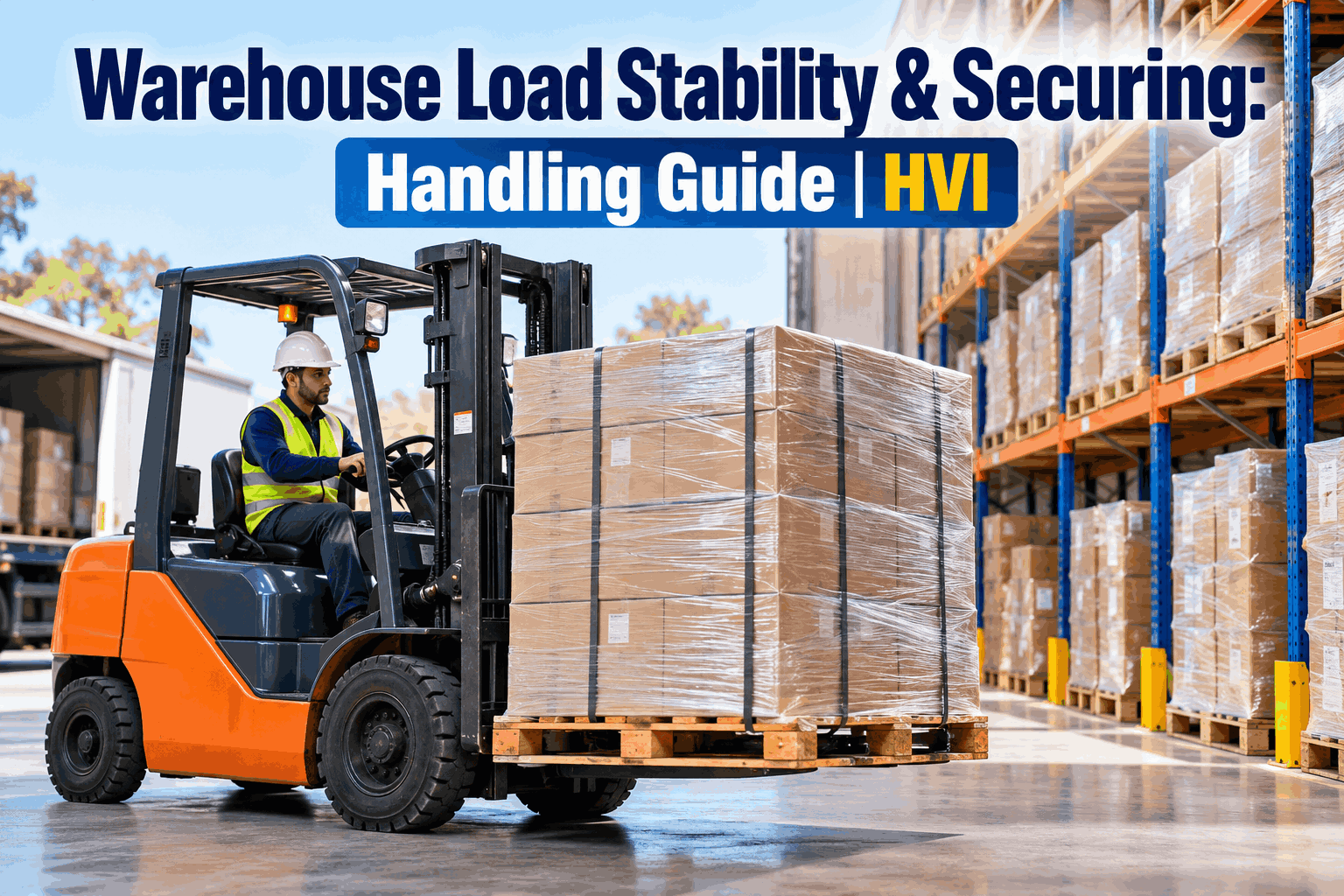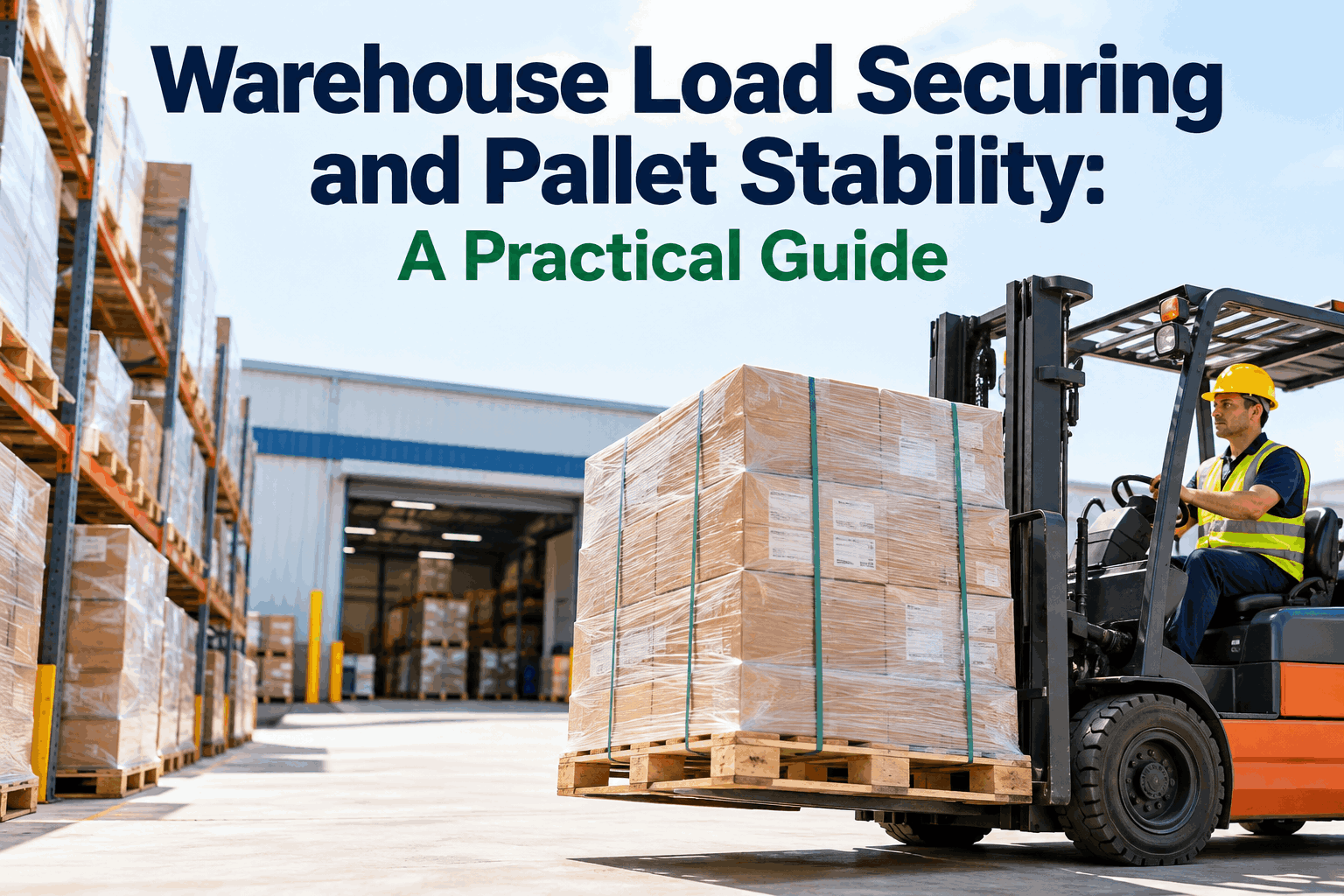
Warehouse load securing is the difference between a pallet that rides out a sharp forklift turn and one that leans, slides and dumps a thousand dollars of product across the aisle. A load stands on four things working together — a sound pallet, the right stack pattern, proper wrapping and even weight — and when any one of them is weak, the whole load becomes a near miss waiting for a reason. Book a demo to see load and pallet checks tracked in HVI. Here's how a warehouse keeps every load standing.
Warehouse Load Securing Rests on Four Things, Not One
A good wrap won't save a cracked pallet. Even weight won't save a bad stack. Load stability is the pallet, the pattern, the wrap and the weight — all four, every load. Get one wrong and the forklift turn finds it.
- Even, low, wrapped — holds the turn
- Top-heavy, leaning — one stop from the floor
A dropped load is rarely one mistake. It's a cracked stringer nobody flagged, plus a stack built too tall, plus a wrap that never gripped the pallet base — and then a forklift braking a little too hard. Treating warehouse load securing as four checkable things, every load, is what turns "it just fell" into a problem you can actually prevent.
4things that have to be right for a load to stay standing
Load stability isn't one skill — it's four, and they stack on each other. The pallet is the foundation; the pattern decides how the stack carries weight; the wrap holds it together; the weight placement keeps it upright. A weak one undermines the rest.
The foundation everything rests on. A cracked stringer, broken deck board, warp or moisture swell means the load was unstable before it was ever stacked.
Inspect before loadingColumn stacking keeps case compression strength; interlocking resists lateral shift. The wrong pattern leaves unsupported edges and gaps that become weak points.
Match pattern to productStretch film needs tension, coverage and — critically — attachment to the pallet base. A tight load that isn't anchored to the pallet still slides off it.
Wrap down to the baseHeavy items low, weight spread evenly, a low centre of gravity. Top-heavy or one-sided loads lean the moment the forklift turns or stops short.
Heavy low, spread evenChecking all four on every load is what makes warehouse load securing a system instead of a habit some operators have and some don't. Book a demo to see the four-pillar check on one inspection.
A damaged pallet is an unstable loadthe cheapest fix in the warehouse, and the most skipped inspection
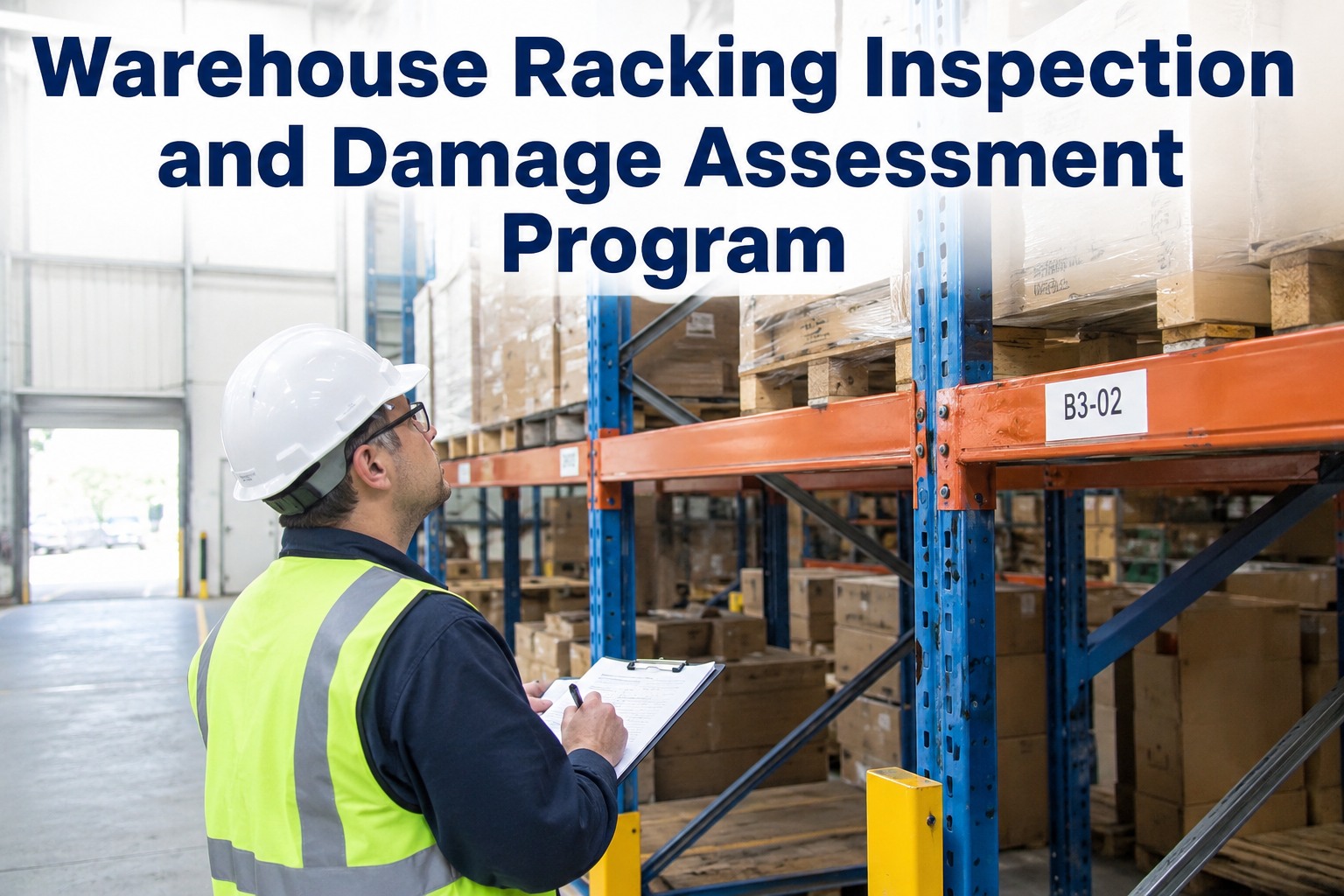
Pallet inspection is the check that gets waved through because a pallet "looks fine." But a single cracked board or a warped deck shifts how the whole load sits — and a bad pallet in a rack is a collapse risk, not just a dropped carton. These are what a quick pallet check catches.
Split deck boards, broken stringers, splintering — the classic structural failure. Pull it from service, don't load it.
A deck that flexes or dips won't support the load evenly, tilting the stack before a forklift ever touches it.
Wet or swollen wood loses strength and changes dimension — it throws off case patterns and weakens load contact.
Loose fasteners and sticking nails tear wrap, puncture product and stop the pallet seating flat in the rack.
Logging damaged pallets as they're found builds the record that tells you which supplier's pallets keep failing. Book a demo to see damaged-pallet findings tracked over time.
How loads actually failfive failure modes, each with the cause to check and the fix
Loads don't fail randomly. There's a short list of ways they go down, and each traces to a specific pillar. Knowing which failure you're looking at points straight to what to fix — and what to check on the next load.
Top-heavy or off-centre load, high centre of gravity
Heavy items low, weight spread evenly
Over pallet or case capacity, unsupported edges
Verify load rating, eliminate gaps and overhang
Too little friction, wrap not gripping the base
Anti-slip sheets, wrap tension down to the base
Overhang past the pallet edge, wrong stack pattern
Keep load centred, match pattern to the product
Repeated stability issues, inconsistent build
Standardize patterns, log and fix repeat causes
When each dropped or rejected load is logged with its cause, the pattern behind the repeats finally shows up. Sign up free and start logging load-stability issues.
Securing the load, step by stepthe build order that produces a stable, shippable pallet
A stable load is built in an order, not assembled and hoped for. Follow the same sequence every time and the four pillars fall into place — foundation first, then pattern, then containment, verified before it moves.
Inspect for cracks, warp, moisture and protruding nails. A sound pallet before a single case goes on.
Column or interlock to suit the product, heavy on the bottom, no overhang past the pallet edge.
Corner boards, anti-slip sheets or straps where the load needs them, then wrap with real tension to the base.
Height within limits, no lean, wrap gripping the pallet, weight centred — a quick logged check before the forklift lifts.
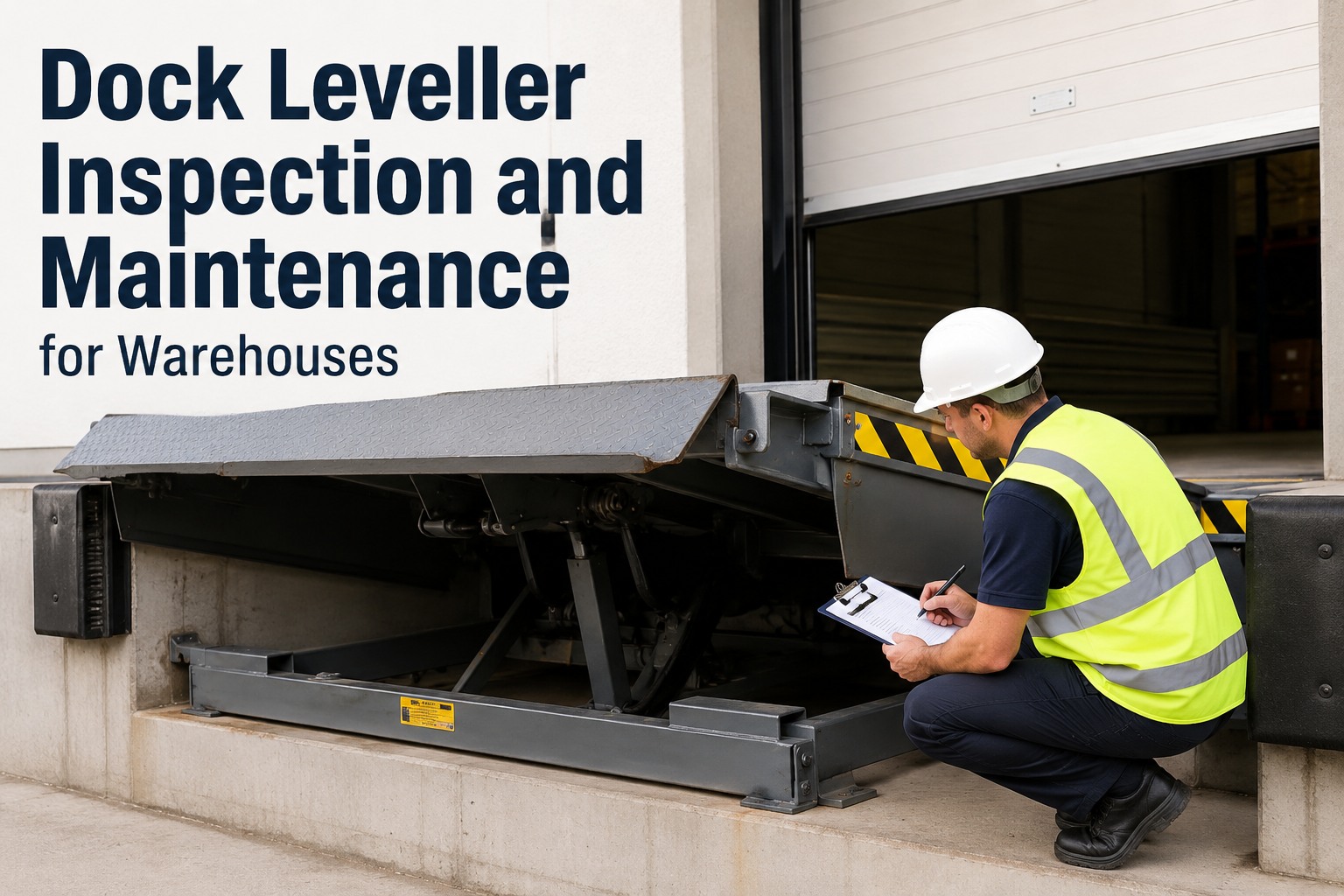
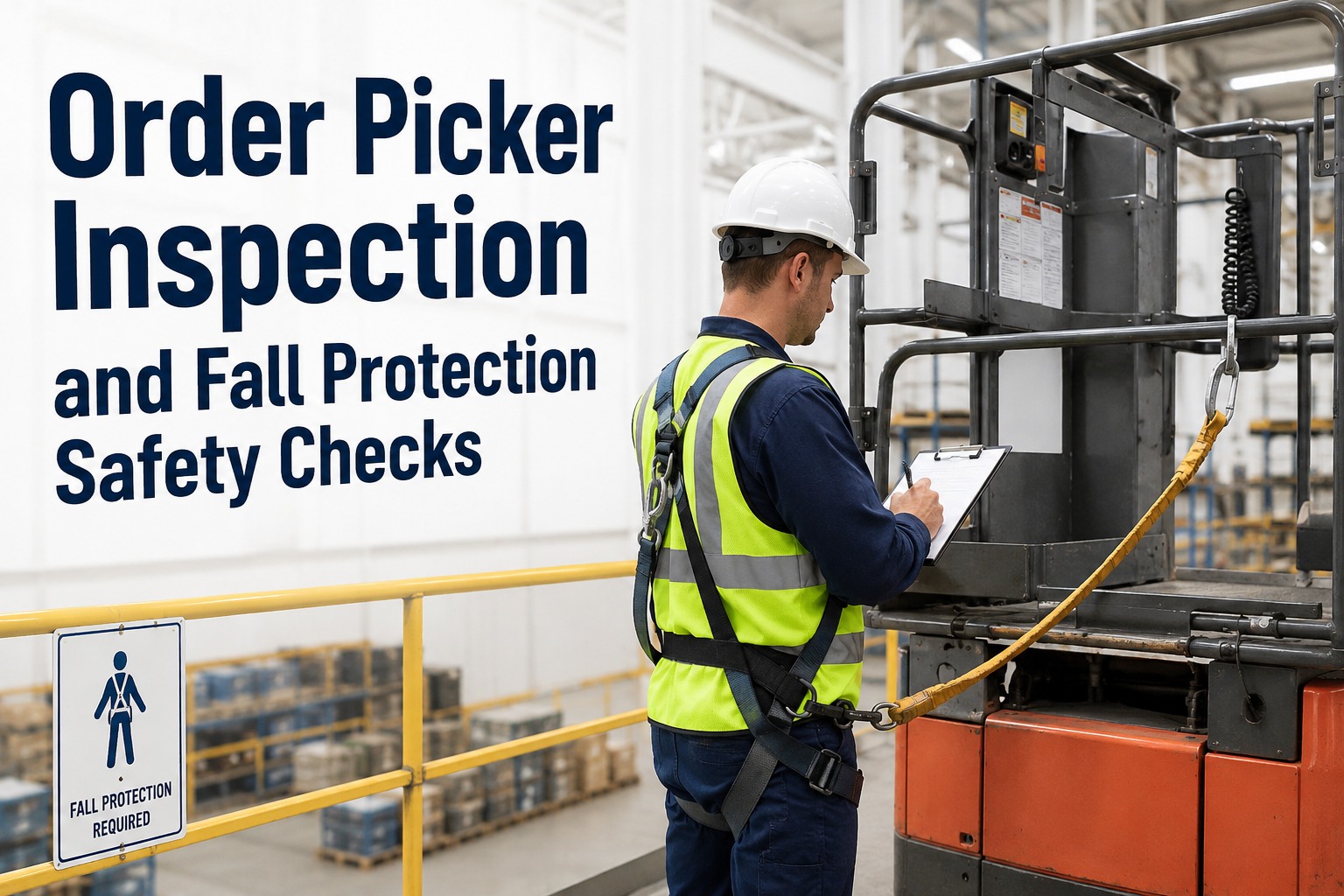
A well-built load still depends on the forklift that moves it — keep those on a routine too with daily forklift inspections, part of the wider warehouse equipment inspection picture that keeps the whole handling chain safe.
How a warehouse runs load securing in HVIinspection to action to a record that shows the repeat offenders
The point isn't a new form — it's that a cracked pallet or a leaning load doesn't get waved past and forgotten. It becomes a logged issue, an action and a line in the record that reveals which pallets, products or lanes keep causing trouble.
One digital load-and-pallet check — pallet, pattern, wrap, weight — the same for every operator, every load.
A damaged pallet or unstable load is logged with a photo and routed — pallet pulled, load rebuilt, supplier flagged.
Every logged issue builds a history — which pallet source, product or shift drives the rejects, so you fix the cause.
That's how a stack of one-off near misses becomes a trend you can actually act on. Book a demo to see load-stability issues trended by cause.
From a warehouse operations supervisor
We used to treat dropped loads as bad luck. One a week, shrug, sweep it up. When we finally started logging each one with a cause, the pattern jumped out — most of them traced to one supplier's pallets and loads built too tall at the end of shift.
Fixed the pallet source, capped the build height, and put a thirty-second load check before anything moves. Dropped loads went from routine to rare. The check that saved us wasn't fancy — it was just finally writing down what we already half-knew.
CH Celeste H.Operations Supervisor · Distribution warehouse
Warehouse load securing FAQs
What makes a pallet load stable?
Four things working together: a sound pallet, a stack pattern suited to the product, proper stretch wrap anchored to the pallet base, and even weight distribution with heavy items low. Weakness in any one undermines the rest — a perfect wrap can't save a cracked pallet, and even weight can't save a bad stack pattern.
How should pallets be wrapped for load securing?
Apply stretch film with enough tension and containment force, full coverage around the perimeter, and — most important — attachment down to the pallet base. A tightly wrapped load that isn't secured to the pallet can still slide off it during a forklift turn. Add anti-slip sheets or corner boards when the product needs them.
Why should warehouses inspect pallets before loading?
A damaged pallet makes an unstable load before it's even stacked. Cracked boards, broken stringers, warping, moisture swelling and protruding nails all shift how the load sits and can cause a collapse in the rack. Pallet inspection is the cheapest stability check in the warehouse and the one most often skipped because a pallet "looks fine."
What are the most common load failure modes?
Five: tipping from top-heavy or off-centre loads, collapse from exceeding capacity or unsupported edges, sliding from low friction or poor wrap, product damage from overhang, and rejected shipments from repeated issues. Each traces to one of the four stability pillars, so identifying the failure points straight to what to fix and check next time.
How does HVI help with load securing and pallet stability?
HVI standardizes the load-and-pallet check so every operator inspects the same points, lets you log damaged pallets and unstable loads with photos, routes them to action, and keeps a history that reveals which pallet source, product or lane drives the repeats. It supports the inspection and tracking workflow — it doesn't replace your site's safe-work and material-handling procedures.
Make Warehouse Load Securing a Check, Not a Hope
Standardize the pallet, pattern, wrap and weight checks, log the damaged pallets and unstable loads, and keep a record that shows the repeat causes — so warehouse load securing keeps product on the pallet and off the floor.