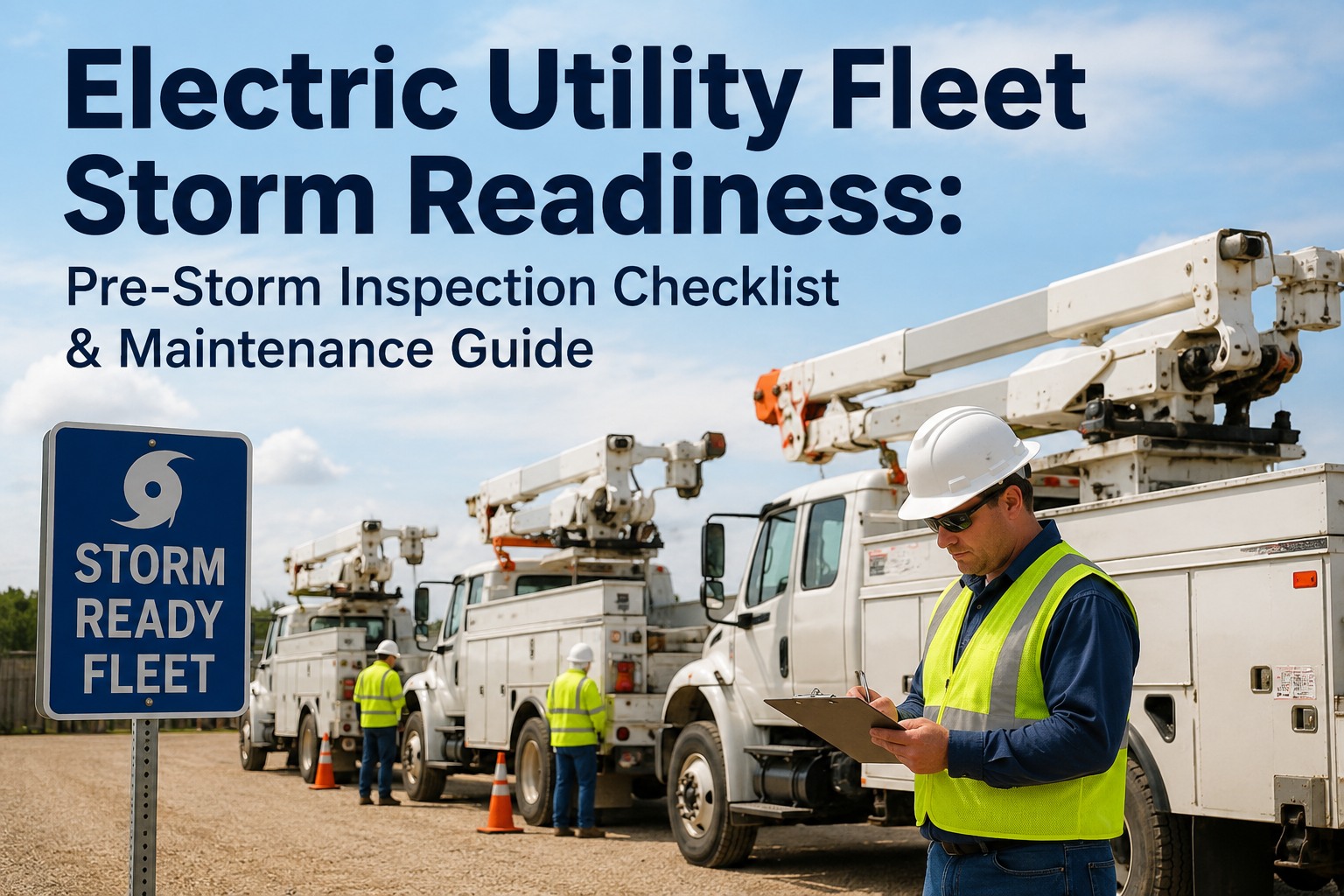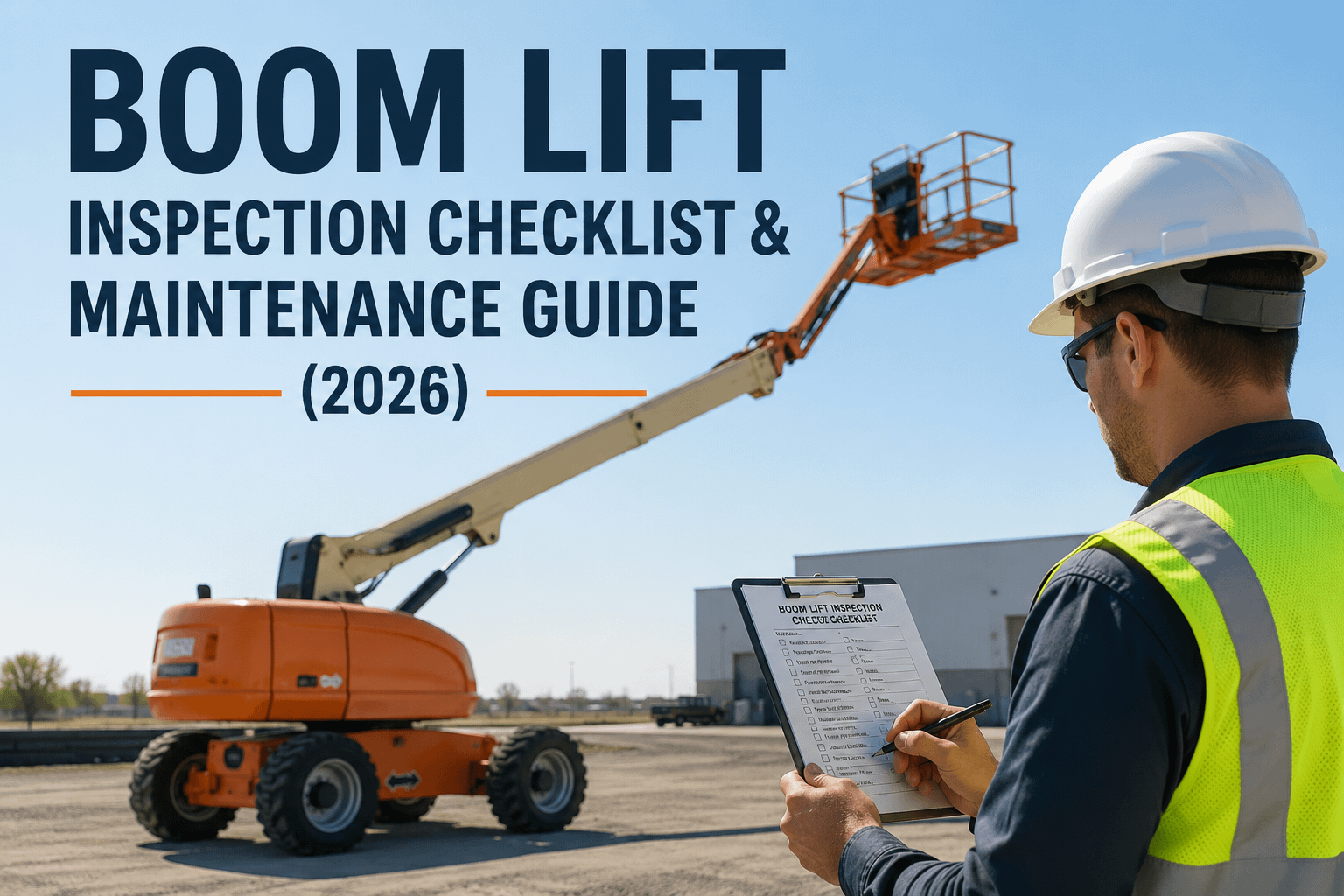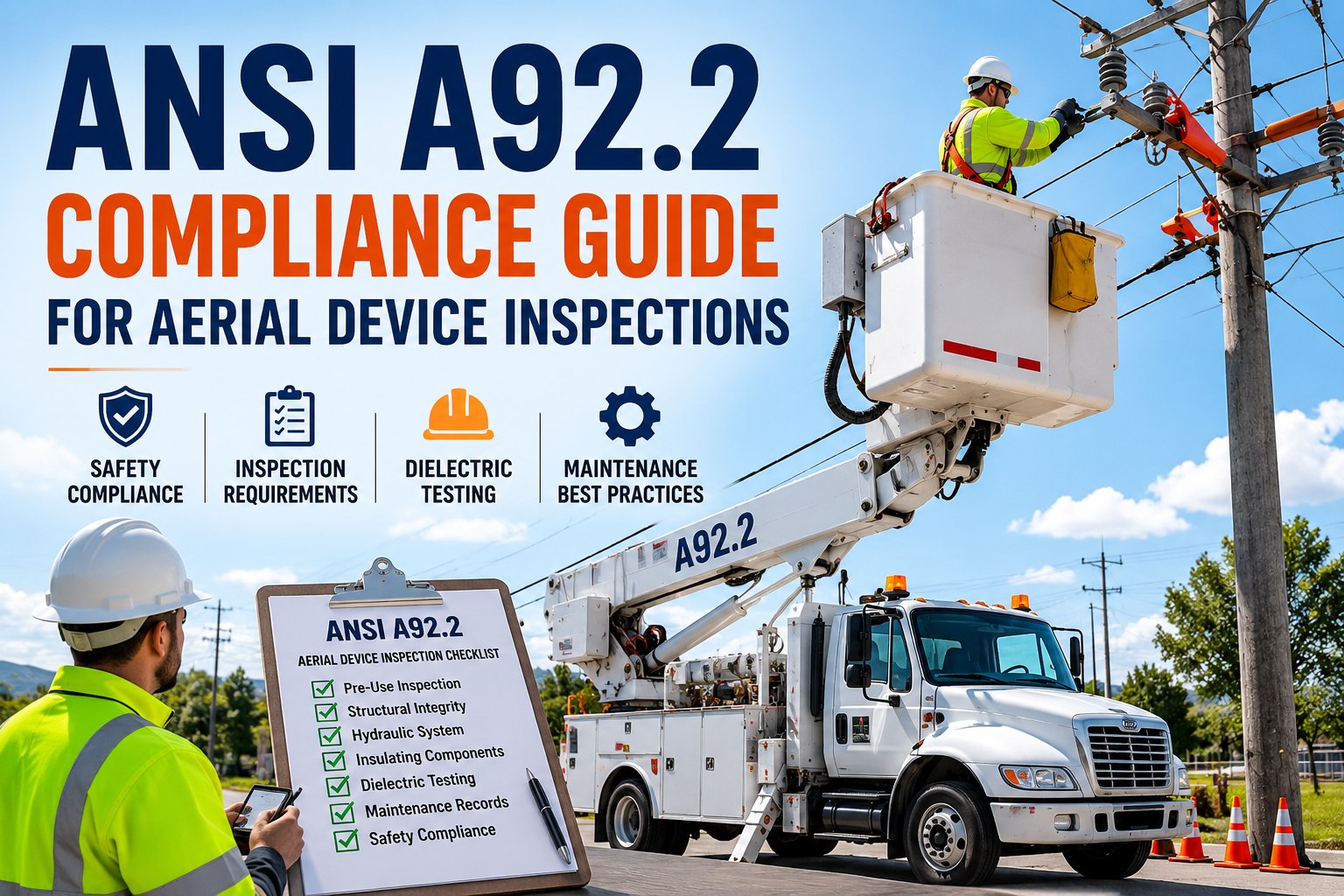
On a utility bucket truck working an energized line, the insulating boom is the only thing standing between the lineman in the bucket and thousands of volts. That single fact is why aerial device inspection isn't a routine fleet task — it's a life-safety program governed by ANSI A92.2, the American National Standard for Vehicle-Mounted Elevating and Rotating Aerial Devices, which OSHA effectively enforces through 29 CFR 1910.269. The standard sets a layered inspection regime: frequent inspections every three months or 150 hours, an annual periodic inspection where the all-important dielectric test is performed, and — new in the 2022 revision — a major structural inspection after the first 15 years of service and every 10 years thereafter. The dielectric test is the heart of it: at least once every 12 months, the FRP boom, bucket liners, tool circuits, and upper controls must be tested to verify they still dissipate electrical current and hold their insulating rating. Miss it, let the boom get contaminated, or treat a non-insulating component as insulated, and the consequence isn't a citation — it's an electrocution. A digital aerial device inspection program turns this regime into tracked, documented, certifiable compliance. This guide covers the inspection tiers, the dielectric test, the 2022 changes, and the daily practices that keep an insulated boom safe.
The A92.2 Inspection Regime: Four Tiers
ANSI A92.2 layers inspections at four intervals, each performed by a different level of qualification. Miss any tier and the aerial device is out of compliance — and potentially unsafe to put over an energized line.
Pre-Use Inspection
By the operator
A visual and functional check before each use — controls, hydraulics, leaks, and the boom and bucket clean and dry. The daily defense against contamination and obvious defects.
Frequent Inspection
By a qualified person
A deeper inspection every three months or 150 hours of use, whichever comes first — covering wear items, hydraulics, and structural condition beyond the daily walk-around.
Periodic + Dielectric
By a qualified tech / entity
The in-depth annual inspection of structural and internal components — and where the insulated boom is dielectrically tested to verify it still holds its rating. The compliance cornerstone.
Major Structural
By a service entity
New in A92.2:2022 — after 15 years of service, then every 10. A periodic inspection plus stability/load test and detailed check for deformation, broken members, and cracked welds.
The Dielectric Test: The Heart of Compliance
For an insulated aerial device, the dielectric test is the inspection that matters most. It's the only way to confirm the boom still does its one critical job — insulating the worker from the energized line.
At Least Every 12 Months
ANSI A92.2 requires the boom to be dielectrically tested at least once a year by qualified technicians — many utilities test more often given the stakes.
What Gets Tested
The FRP upper and lower booms, bucket liners, FRP extensions on digger derricks, tool circuits, and the upper control system — every insulating element in the path.
Pre-Use Leakage Test
Before energized work, a leakage test measures intentional bucket-to-conductor contact for five to eight minutes — confirming insulation on the day, not just annually.
Fail = Treat as Non-Insulating
If a boom loses its insulation test status, it must be treated as non-insulating and work practices adjusted — grounding, cover-up, and approach distances per 1910.269.
What Changed in ANSI A92.2:2022
The 2022 revision brought significant new obligations for aerial device owners. Three changes matter most for a utility fleet's compliance program.
The Major Structural Inspection
The headline change: a mandatory in-depth structural inspection after the first 15 years of service and every 10 years after, including a stability/load test and a detailed search for deformations, broken members, and cracked welds. Any damage must be repaired before return to service.
The "Service Entity" Definition
A92.2 now formally defines a "service entity" — anyone whose business is inspecting, testing, maintaining, or repairing aerial devices — and places training and competency obligations on them, not just on owners and operators.
Insulating Devices for Jibs
A reinforced requirement: fiberglass jibs are not automatically insulating. Unless rated and tested for the voltage, a jib is conductive — so insulating link sticks or jib inserts are required to prevent energizing the boom tip through the winch rope.
Class A vs. Class B: Know What Insulates
A dangerous misconception gets people hurt: assuming the bucket protects the worker. It depends on the truck class, and confusing them is a fatal error.
Used for barehand transmission work. The boom is the insulating barrier between the bucket — directly bonded to the energized conductor — and ground. The truck is grounded to the best available ground, and the boom's dielectric integrity is everything.
Used for gloving distribution work. The bucket does NOT insulate the worker — that's why rubber gloves and protective cover-up are used. A common, dangerous misconception is that the bucket is dielectrically tested for protection; it isn't.
The Compliance Workflow
One connected program keeps every tier on schedule and every test date current — turning a complex multi-interval standard into a system that simply doesn't let a date slip.
Inspect on Schedule
Daily pre-use, frequent (3 mo/150 hr), and annual periodic inspections run on a phone, each tier guided and documented with photos.
Track Critical Dates
Dielectric-test and 15-year structural dates are flagged before they lapse, so the truck never goes up out of certification.
Document & Certify
Every inspection, test, and repair logs to the device's record — the certifiable trail that proves A92.2 and 1910.269 compliance.
Keep Every Insulated Aerial Device Compliant
Guided pre-use, frequent, and periodic inspections aligned to ANSI A92.2; dielectric-test and 15-year structural-inspection date tracking; daily clean-and-dry boom checks; defect-to-work-order routing; and certifiable records for A92.2 and OSHA 1910.269 — built for utility bucket trucks and line vehicles. Never send an insulated boom up out of compliance. Trusted by 25,000+ users worldwide.