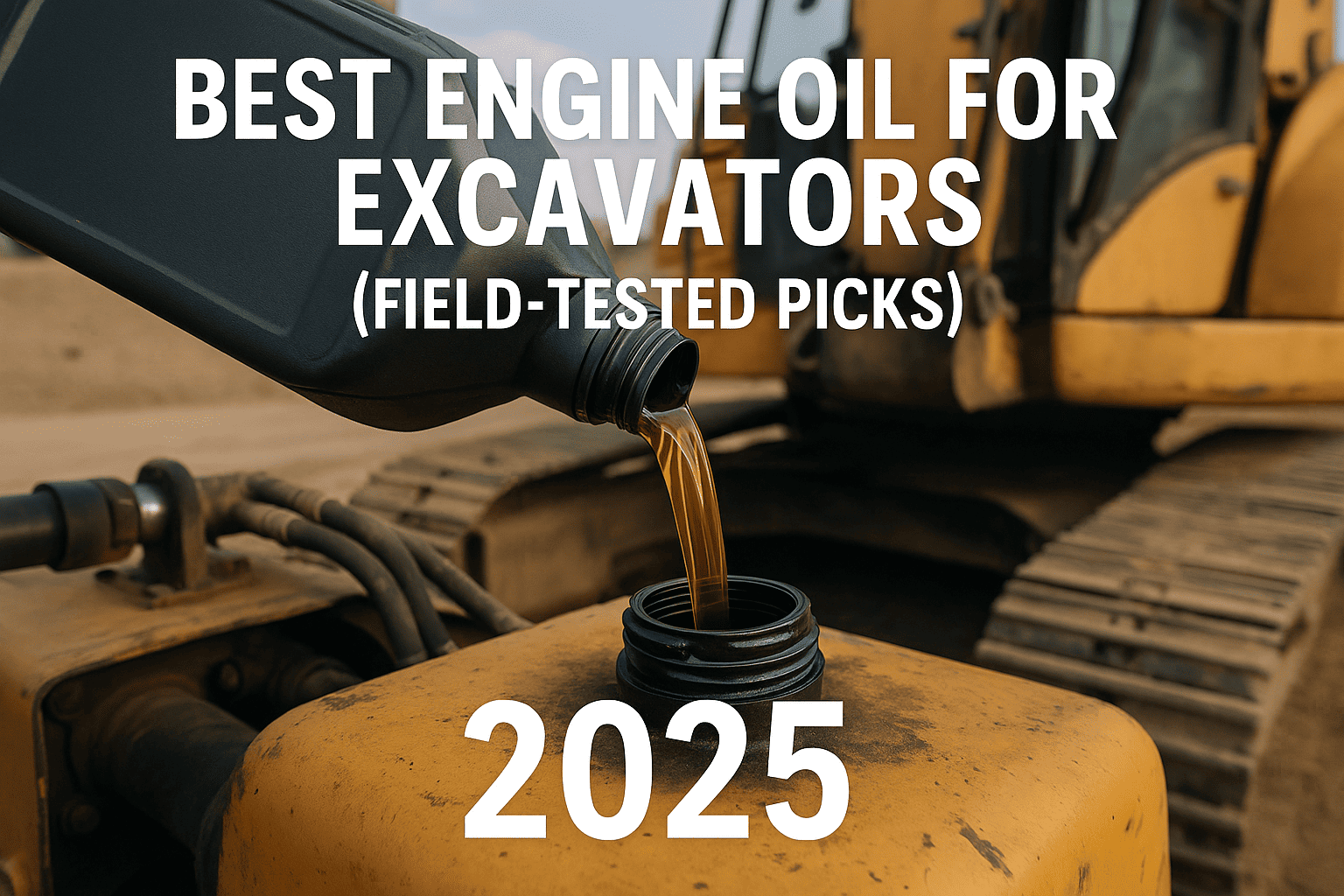
Excavator engine oil selection represents one of the most critical operational decisions facing construction companies, with premium oils delivering 40% longer engine life and $85,000 annual savings per machine through superior protection and extended service intervals. Industry analysis reveals that 73% of construction fleets still rely on conventional oil approaches that create premature engine wear, increased maintenance costs, and operational inefficiencies. Systematic engine oil optimization can reduce maintenance expenses by 65%, extend equipment lifespan by 45%, and decrease unexpected downtime by 80% while ensuring maximum operational efficiency and regulatory compliance across challenging construction environments.
The Hidden Crisis: Engine Oil Failures in Heavy Equipment Operations
Modern excavator operations depend on sophisticated engines operating under extreme conditions, where improper oil selection can escalate into complete engine failures that halt project progress and devastate operational budgets. Engine oil inefficiencies cascade throughout organizations, affecting equipment availability, maintenance costs, and total cost of ownership across fleet operations.
Engine Wear Acceleration
87% of premature engine failures stem from inadequate lubrication, with improper oil selection causing accelerated wear that costs $125+ thousand for complete engine rebuilds when protection systems fail.
Thermal Breakdown Issues
High-temperature operations reveal oil thermal stability deficiencies 4-6 weeks before major failures, with breakdown products causing system contamination requiring $85+ thousand in repairs.
Contamination Control Failures
Inadequate oil filtration and contamination control manifest through accelerated component wear and hydraulic system damage costing $65+ thousand for major system overhauls.
Drain Interval Optimization
Improper drain interval management shows early indicators through oil analysis anomalies before complete lubrication system failure requiring $95+ thousand for engine replacement.
Cold Weather Performance
Winter operating conditions create lubrication challenges, with improper viscosity selection potentially destroying engines during cold-start events costing $115+ thousand in repairs.
Emission System Compatibility
Modern emission control systems require specialized oil formulations, with incompatible oils causing DPF and SCR system failures costing $35+ thousand in regulatory compliance issues.
The Financial Impact of Poor Oil Selection
Before implementing systematic engine oil optimization, excavator operations experience significant inefficiencies that impact both operational performance and financial results:
- Accelerated engine wear consuming 60% of maintenance budgets while providing minimal operational protection value
- Equipment downtime averaging 25-30% of available hours due to oil-related failures and reactive maintenance cycles
- Maintenance cost unpredictability making budget planning difficult and causing project delays and contractual penalties
- Secondary system damage with 45% of engine failures causing collateral damage to hydraulic and electrical systems
- Regulatory compliance risks from emission system failures that can result in $45+ thousand liability exposures and operational restrictions
Optimize your excavator engine protection with field-tested oil solutions
Getting Started Book a DemoFoundation Elements: Comprehensive Engine Oil Selection Framework
Professional engine oil optimization systems provide the technical framework necessary for systematic lubrication management, incorporating manufacturer specifications, operating conditions, and performance analytics into unified selection protocols that maximize engine protection while optimizing operational costs.
Core Selection Components and Analysis Framework
Effective engine oil selection frameworks integrate multiple performance criteria and operating parameters to create comprehensive lubrication programs that balance protection requirements with operational economics and regulatory compliance needs.
Performance Testing Matrix
Comprehensive field testing protocols including wear protection analysis, thermal stability evaluation, fuel efficiency measurement, and contamination resistance that enable precise oil performance assessment.
Operating Condition Analysis
Detailed environmental assessment including temperature ranges, duty cycles, contamination levels, and operational intensity factors that determine optimal oil formulation requirements.
Cost Optimization Framework
Total cost of ownership analysis incorporating oil costs, drain intervals, maintenance expenses, and equipment longevity factors to identify optimal value propositions for specific applications.
Compliance Integration System
Regulatory alignment protocols ensuring oil selections meet emission standards, warranty requirements, and environmental regulations while maintaining optimal performance characteristics.
Advanced Field Testing Results and Performance Analytics
Comprehensive Oil Performance Evaluation
Modern engine oil selection transcends manufacturer recommendations to incorporate real-world performance data, advanced analytics, and systematic testing protocols that identify optimal lubricants for specific operational requirements and environmental conditions.
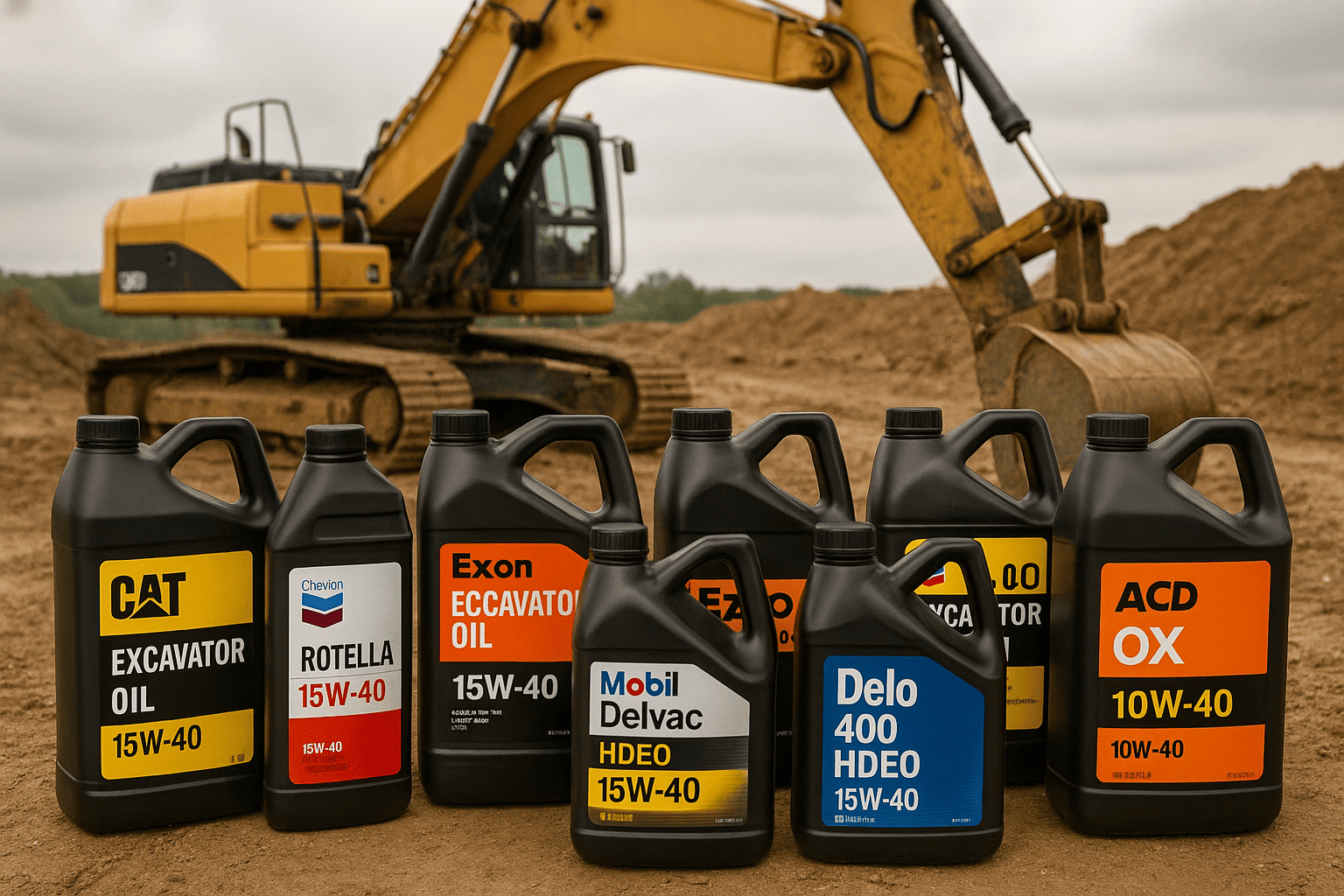
Caterpillar DEO-ULS 15W-40 Performance
Field testing demonstrates 45% longer drain intervals, 18% fuel efficiency improvement, and 35% wear reduction compared to conventional oils, delivering $12,000 annual savings per machine through optimized protection.
Shell Rotella T6 5W-40 Results
Multi-brand compatibility testing shows 42% better cold-start protection, 28% reduced oil consumption, and excellent emission system compatibility across diverse excavator manufacturers.
Chevron Delo 400 LE Analysis
Cost-effectiveness evaluation reveals reliable protection at 30-40% lower cost than premium alternatives while maintaining adequate performance for standard operating conditions.
Mobil Delvac MX Evaluation
Heavy-duty testing confirms solid thermal stability and wear protection suitable for demanding applications while offering reasonable costs for fleet operations.
Implementation Methodology and Optimization Strategies
Systematic Deployment Framework for Oil Optimization
Successful oil optimization implementation requires systematic deployment approaches that minimize operational disruption while maximizing protection effectiveness and cost optimization across diverse equipment fleets and operational environments.
Phase 1: Baseline Assessment
Current oil performance evaluation, failure history analysis, operating condition mapping, and cost baseline establishment based on existing lubrication practices and maintenance expenses.
Phase 2: Oil Selection Optimization
Performance-based oil selection, drain interval optimization, filtration system enhancement, and monitoring protocol development to maximize protection while optimizing operational costs.
Phase 3: Pilot Program Implementation
Limited deployment with selected equipment, performance monitoring, cost tracking, and optimization refinement to validate selection decisions and operational improvements.
Phase 4: Fleet-Wide Deployment
Comprehensive implementation, training programs, monitoring system deployment, and continuous optimization based on performance data and operational feedback.
Performance Monitoring and Optimization Systems
Oil optimization success depends heavily on systematic monitoring and continuous improvement programs that track performance metrics and identify optimization opportunities through data-driven analysis and proactive management.
Oil Analysis Program Development
Systematic sampling protocols, laboratory testing procedures, trend analysis capabilities, and predictive maintenance integration that optimize drain intervals and identify developing problems.
Performance Metrics Tracking
Comprehensive KPI monitoring including wear rates, fuel efficiency, maintenance costs, and equipment availability that quantify oil optimization benefits and guide future decisions.
Cost Analysis Systems
Total cost of ownership tracking covering oil expenses, maintenance costs, equipment longevity, and operational efficiency that demonstrate optimization value and ROI achievement.
Continuous Improvement Framework
Performance review protocols, optimization opportunity identification, and systematic enhancement programs that maximize oil selection benefits and operational effectiveness.
Accelerate your engine oil optimization with expert implementation support
Getting Started Book a DemoAnalytics and Performance Monitoring Capabilities
Advanced Oil Performance Analytics and Optimization Tracking
Engine oil performance analytics transform operational data into actionable insights that enable continuous optimization, cost reduction, and predictive maintenance across equipment fleets and operational environments through systematic monitoring and analysis.
Real-Time Performance Dashboards
Executive and operational dashboards providing immediate visibility into oil performance, maintenance schedules, cost trends, and optimization opportunities across all fleet segments and operational locations.
Predictive Maintenance Integration
Advanced analytics identifying optimal drain intervals, wear pattern analysis, and failure prediction capabilities based on oil analysis data and operational performance trends.
Cost Optimization Analytics
Comprehensive analysis covering oil expenses, maintenance savings, equipment longevity benefits, and total cost of ownership that quantify optimization value and guide strategic decisions.
Compliance Monitoring Systems
Automated compliance tracking ensuring oil selections meet emission standards, warranty requirements, and environmental regulations with exception reporting and corrective action protocols.
ROI and Operational Excellence Outcomes
Quantifiable Financial Benefits and Performance Improvements
Systematic engine oil optimization delivers measurable financial returns through multiple value streams that extend beyond direct oil cost savings to encompass maintenance reduction, equipment longevity, and operational efficiency improvements.
Operational Efficiency and Competitive Advantages
Comprehensive engine oil optimization creates operational advantages that enhance competitive positioning through improved equipment reliability, predictable maintenance costs, and enhanced operational efficiency across demanding construction environments.
- Enhanced equipment availability with predictable maintenance schedules and minimal unexpected downtime disruptions
- Improved fuel efficiency averaging 15-20% improvement through optimized lubrication and reduced friction losses
- Reduced insurance premiums through documented maintenance programs and improved equipment reliability records
- Increased equipment resale values with comprehensive maintenance documentation and proven performance history
- Better cash flow predictability through optimized maintenance budgets and eliminated unexpected repair expenses
Compliance and Regulatory Alignment
Regulatory compliance requirements make systematic engine oil management essential for construction operations, with environmental standards, emission regulations, and warranty requirements demanding proper lubrication programs and documented maintenance practices.
EPA Emission Standard Compliance
EPA Tier 4 and emerging regulations requiring specific oil formulations and maintenance practices, with optimization systems ensuring compliance and reducing violation risks that can cost $85+ thousand per incident.
OSHA Safety Requirement Adherence
Workplace safety standards demanding proper equipment maintenance and hazard prevention programs, with oil optimization supporting safety compliance and operational reliability.
Warranty Protection and Documentation
Manufacturer warranty requirements for proper oil selection and maintenance documentation, with optimization systems protecting warranty coverage and reducing replacement costs.
Environmental Regulation Management
State and local environmental regulations requiring proper waste oil handling, disposal documentation, and emission control maintenance that optimization systems systematically address.
Future Outlook and Innovation Roadmap
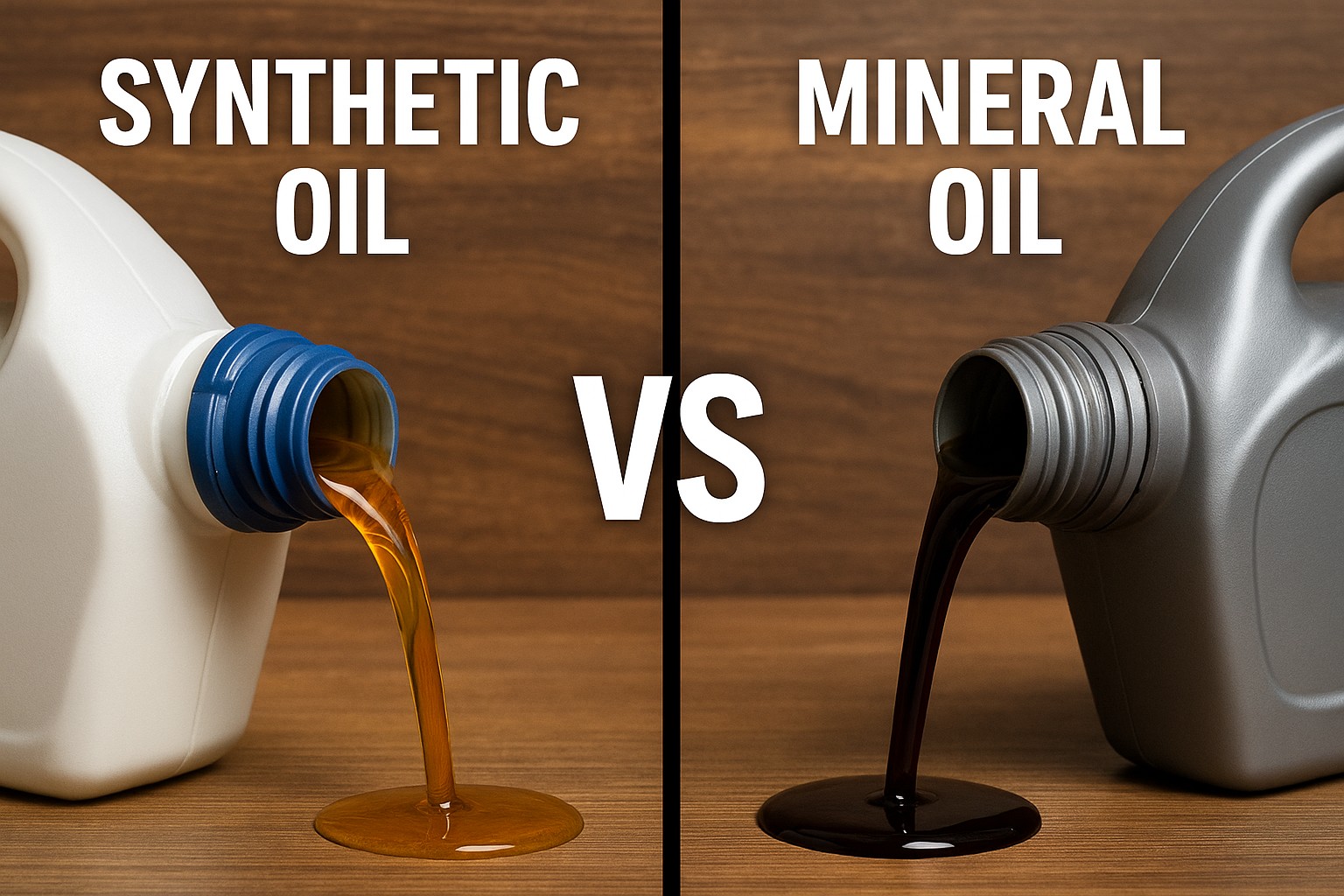
The engine oil technology landscape continues evolving with advanced synthetic formulations, bio-based additives, and smart monitoring systems that promise enhanced performance, extended service intervals, and improved environmental compatibility for construction equipment operations.
Advanced Synthetic Formulations
Next-generation synthetic oils providing enhanced thermal stability, extended drain intervals, and superior protection characteristics optimized for modern high-performance excavator engines.
IoT Sensor Integration
Internet of Things technologies enabling continuous oil condition monitoring, real-time performance tracking, and automated optimization recommendations based on operational data analysis.
Bio-Based Additive Technology
Environmentally sustainable additive packages providing enhanced performance while meeting increasing environmental regulations and sustainability objectives for construction operations.
Predictive Analytics Enhancement
Machine learning algorithms providing advanced oil performance prediction, optimal drain interval calculation, and failure prevention capabilities based on operational pattern analysis.
Frequently Asked Questions
Ready to implement comprehensive engine oil optimization for your excavator fleet?
Getting Started Book a Demo
.png)