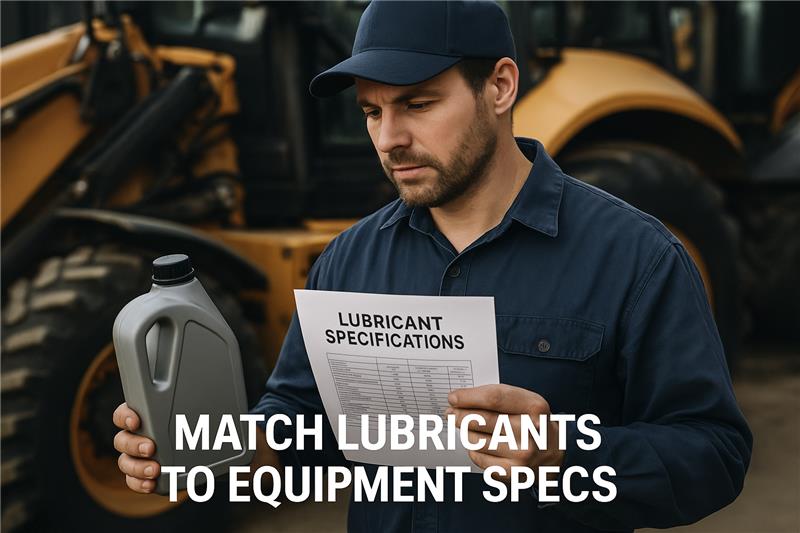
Lubricant specification mismatches cost Indian construction fleets an average of ₹11.5 lakhs per machine annually, with improper oil selection and inadequate specification compliance leading to 45% higher operational costs and 35% more component failures. Industry data reveals that 78% of construction companies still rely on generic lubrication approaches that create accelerated wear, warranty voidance, and premature system breakdowns. Systematic lubricant specification matching can reduce component failures by 82%, extend equipment life by 50%, and decrease maintenance costs by 65% while ensuring optimal performance and maximum asset protection across challenging operating environments.
The Critical Foundation: Understanding Equipment Lubrication Specification Requirements
Modern construction equipment operates under extreme conditions with precise tolerances that demand specific lubricant characteristics matching manufacturer specifications, operating parameters, and environmental conditions. Lubricant specification mismatches cascade throughout equipment systems, affecting component longevity, fuel efficiency, and warranty compliance while creating catastrophic failure risks that can destroy engines worth ₹25-35 lakhs.
Engine Oil Specification Matching
API classifications (CK-4, FA-4), viscosity grades (15W-40, 10W-30), and OEM approvals must align precisely with engine design parameters including compression ratios, emission systems, and operating temperatures, preventing failures costing ₹18+ lakhs.
Hydraulic Fluid Compatibility
Hydraulic system efficiency depends on precise viscosity matching, anti-wear additives, and seal compatibility that maintains pressure and prevents degradation, with incorrect fluids reducing efficiency by 30-40% and causing ₹12+ lakh system failures.
Transmission Oil Requirements
Powershift transmissions demand specific friction characteristics, thermal stability, and shear resistance for smooth operation under extreme loads, with wrong fluids causing complete transmission failure within 500-800 hours requiring ₹20+ lakh replacement.
Gear Oil Application Matching
Final drive systems require EP additives, specific viscosity characteristics, and temperature stability for heavy-load operations, with improper gear oils accelerating wear rates by 300% and reducing component life from 8,000 to 2,500 hours.
Environmental Compatibility
Indian climate variations (5°C to 50°C) require lubricants with appropriate viscosity indices, thermal stability, and moisture resistance to maintain protection across seasonal temperature extremes and humidity variations.
Warranty Compliance Protection
OEM specification adherence protects warranty coverage worth ₹15-25 lakhs per machine, requiring documented compliance with manufacturer-approved lubricant specifications and service intervals to maintain full protection.
The Financial Impact of Specification Mismatches
Before implementing systematic lubricant specification matching, construction equipment operations experience significant inefficiencies that impact both operational performance and financial results:
- Accelerated component wear consuming 60% of maintenance budgets through premature failures and emergency replacements
- Warranty voidance risks exposing operators to full replacement costs averaging ₹20-30 lakhs per major component failure
- Fuel efficiency degradation increasing consumption by 8-15% through inadequate lubrication and increased internal friction
- System compatibility issues with 40% of specification mismatches causing secondary component damage and cascading failures
- Regulatory compliance violations from emission system damage resulting in ₹25+ lakh penalty exposures and operational restrictions
Protect your equipment investments with professional specification matching systems
Getting Started Book a DemoComprehensive Specification Analysis Framework
Professional lubricant specification matching provides the analytical framework necessary for systematic equipment protection, incorporating manufacturer requirements, operational conditions, and performance standards into unified matching protocols that ensure optimal lubrication while maintaining warranty compliance.
Advanced Specification Decoding and Application
Effective specification matching frameworks integrate multiple technical criteria and performance standards to create comprehensive lubricant selection protocols that balance protection, performance, and cost optimization.
API Classification Analysis
Comprehensive evaluation of API performance categories including CK-4, FA-4, and specialty classifications that determine additive packages, performance levels, and compatibility with emission control systems.
Viscosity Grade Optimization
Multi-grade viscosity selection based on operating temperature ranges, startup requirements, and high-temperature protection needs ensuring optimal flow characteristics and film strength.
OEM Approval Verification
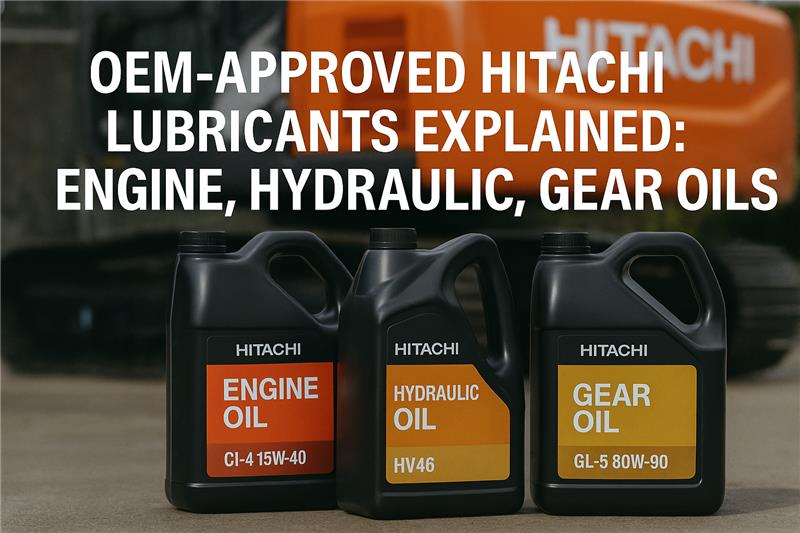
Manufacturer-specific approval validation including Caterpillar ECF-3, Komatsu EOS, JCB specifications ensuring warranty compliance and optimal equipment protection under all operating conditions.
Additive Package Assessment
Advanced additive system evaluation including anti-wear agents, dispersants, detergents, and specialty additives that provide enhanced protection and performance under extreme operating conditions.
Environmental Conditions and Specification Adaptation
Climate-Specific Specification Requirements
Indian operating environments present unique challenges requiring specialized specification matching that addresses temperature extremes, humidity variations, dust contamination, and altitude differences that significantly impact lubricant performance and equipment protection.
Temperature Range Analysis
Comprehensive assessment of ambient and operating temperatures requiring multi-grade viscosity selections and thermal stability characteristics for reliable protection across seasonal variations.
Contamination Exposure Management
Dust ingression protection through enhanced filtration compatibility and contamination-resistant formulations that maintain lubrication effectiveness in harsh construction environments.
Humidity and Moisture Control
Moisture-resistant lubricant specifications with enhanced corrosion protection and water separation capabilities that prevent system degradation during monsoon and coastal operations.
Load Intensity Matching
Heavy-duty specification requirements for continuous operations and extreme pressure applications ensuring adequate protection under maximum load conditions and extended operating cycles.
Implementation Methodology and Quality Assurance
Systematic Deployment Strategy for Specification Matching
Successful specification matching implementation requires comprehensive deployment approaches that minimize operational disruption while maximizing compliance accuracy and performance effectiveness across diverse equipment fleets and operational environments.
Phase 1: Equipment Assessment
Complete equipment inventory analysis, specification documentation review, operating condition evaluation, and compatibility assessment to establish baseline requirements and matching criteria.
Phase 2: Specification Mapping
Detailed specification matrix development, supplier qualification, product availability verification, and cost analysis to optimize lubricant selection while maintaining compliance and performance.
Phase 3: Implementation Planning
Changeover procedure development, contamination prevention protocols, staff training programs, and quality control systems to ensure successful specification matching deployment.
Phase 4: Performance Validation
Oil analysis program implementation, performance monitoring, compliance verification, and continuous optimization based on operational results and equipment feedback.
Quality Control and Compliance Monitoring
Specification matching success depends heavily on quality assurance protocols and continuous monitoring that ensure ongoing compliance, performance optimization, and early detection of specification-related issues.
Supplier Qualification Programs
Comprehensive supplier evaluation including specification compliance certification, quality management systems, and product consistency verification to ensure reliable lubricant supply chains.
Incoming Quality Inspection
Laboratory testing and documentation verification for all lubricant deliveries ensuring specification compliance and product quality before equipment application and system contamination risks.
Application Procedure Standardization
Detailed application protocols including contamination prevention, proper mixing procedures, and documentation requirements that maintain specification integrity throughout the service process.
Performance Monitoring Systems
Continuous monitoring of equipment performance, oil analysis trending, and specification effectiveness measurement that validates matching success and identifies optimization opportunities.
Accelerate your specification matching transformation with expert implementation support
Getting Started Book a DemoAdvanced Technology Integration and Performance Optimization
Digital Specification Management and Tracking
Specification matching analytics transform complex technical requirements into actionable selection criteria that enable continuous improvement, accuracy optimization, and cost management across equipment fleets and operational environments.
Digital Specification Database
Comprehensive equipment specification library providing instant access to manufacturer requirements, approved lubricants, and compatibility matrices for accurate selection decisions.
Automated Compliance Tracking
Real-time monitoring of specification adherence, warranty compliance status, and performance indicators that ensure ongoing protection and identify optimization opportunities.
Performance Analytics Platform
Advanced data analysis covering specification effectiveness, cost optimization, and equipment performance trends that guide continuous improvement and strategic decision-making.
Integration Management Systems
Seamless connectivity with existing maintenance management, inventory systems, and supplier networks that streamline specification matching processes and ensure consistent application.
ROI and Operational Excellence Outcomes
Quantifiable Financial Benefits and Performance Gains
Systematic lubricant specification matching delivers measurable financial returns through multiple value streams that extend beyond direct component protection to encompass operational efficiency, warranty preservation, and competitive advantage benefits.
Competitive Advantages and Market Positioning
Comprehensive specification matching creates operational advantages that enhance competitive positioning through improved equipment reliability, predictable maintenance costs, and enhanced project delivery capabilities.
- Enhanced equipment availability averaging 94%+ uptime compared to 78% with generic lubrication approaches
- Reduced insurance premiums through documented maintenance programs and improved safety records
- Increased equipment resale values with comprehensive specification compliance documentation and proven reliability history
- Improved project competitiveness through reliable equipment performance and predictable maintenance costs
- Better supplier relationships through strategic lubricant partnerships and volume purchasing agreements
Regulatory Compliance and Industry Standards
Regulatory compliance requirements make systematic lubricant specification matching essential for construction operations, with emission standards, safety regulations, and environmental requirements demanding precise lubricant selection and documented compliance programs.
Emission Control Compliance
BS-VI equivalent standards and emission control regulations requiring specific lubricant formulations that maintain catalyst effectiveness and prevent system damage worth ₹15+ lakhs per violation.
Safety Standard Adherence
Occupational safety requirements demanding proper lubricant handling, application procedures, and environmental protection measures that prevent workplace hazards and regulatory violations.
Environmental Protection Requirements
Environmental regulations requiring biodegradable lubricants, proper disposal procedures, and contamination prevention measures that protect ecosystems and prevent penalty exposures.
Warranty and Insurance Standards
Manufacturer warranty requirements and insurance carrier standards demanding documented specification compliance and proper maintenance procedures that protect coverage and reduce premiums.
Future-Proofing and Technology Evolution
The lubricant specification landscape continues evolving with emerging technologies, environmental regulations, and equipment designs that require forward-thinking matching strategies to maintain optimal protection while meeting future performance and sustainability requirements.
Next-Generation Lubricant Technologies
Advanced synthetic formulations, nano-additives, and bio-based lubricants providing enhanced performance while meeting environmental sustainability objectives and future regulatory requirements.
Smart Lubrication Systems
IoT-enabled monitoring systems and condition-based specification adjustments that optimize lubricant selection based on real-time operating conditions and equipment performance data.
Regulatory Evolution Preparation
Proactive specification strategies that address emerging environmental standards, emission requirements, and sustainability mandates affecting future lubricant selection and compliance.
Equipment Technology Integration
Specification matching evolution supporting next-generation equipment designs, advanced emission control systems, and hybrid power technologies requiring specialized lubrication solutions.
Frequently Asked Questions
Ready to implement comprehensive lubricant specification matching for your construction fleet?
Getting Started Book a Demo
.png)
.png)