A tractor that fails mid-harvest doesn't just cost a repair bill — it costs the crop, because the weather window won't wait. Yet most farm breakdowns are preventable, and the math strongly favors getting ahead of them: research shows proper maintenance returns $2.50 to $3.50 for every dollar spent, while skipping it reduces equipment life by 30 to 40%, inflates repair costs by 200 to 300%, and knocks $1,500 to $3,500 off resale value. The catch is that "maintenance" isn't one task on one date — it's a layered schedule built on two clocks at once: engine hours and the calendar. This guide lays out both — the hour-based service ladder every machine follows and the season-by-season plan that keeps tractors, combines, and implements field-ready all year. Pair it with HVI inspection and maintenance software to track hours, fire reminders before each interval, and keep a documented history per machine. Always confirm exact intervals against your operator's manual — the numbers here are typical industry guidance.
The Two Clocks of Farm Maintenance
Every service task is triggered by one of two things: how many hours the engine has run, or what time of year it is. The best schedules use both — hours catch usage-based wear, the calendar catches everything hours miss, like coolant aging or pre-season readiness.
The Hour Clock
Oil, filters, hydraulics, and transmission service run on engine hours because they track actual wear. A machine worked hard hits its interval faster — which is exactly why hours, not dates, should drive most service.
The Calendar Clock
Some things age regardless of use — coolant should be flushed annually, hoses replaced on a time basis, and every machine should be readied before its season and prepped before storage, even if hour targets aren't met.
The Hour-Based Service Ladder
This is the backbone of every tractor's maintenance, from break-in to major service. Intervals are typical industry ranges — your manual is the final word, especially across brands like John Deere, Kubota, Massey Ferguson, and Yanmar.
The 5-Minute Walkaround
Before every use: engine oil and coolant levels, tire pressure and condition, brakes, lights, and a quick look for leaks, loose parts, or worn belts. This single habit prevents the majority of field breakdowns.
Break-In Service
The most important milestone on a new or rebuilt machine. Change engine oil and filter, service transmission fluid, clean the hydraulic filter, and grease fittings — this flushes manufacturing debris and protects warranty.
Routine Consumables
Inspect and service the air filter, clean the radiator screen, check the battery, grease joints and bearings. The recurring backbone that keeps small wear from compounding.
Engine & Fuel Service
Engine oil and filter change, fuel filter replacement, transmission fluid check. A core service interval cited across most major tractor brands.
Major Service
Hydraulic oil and filter change, deeper transmission and front-axle service, battery check. The big milestone that keeps critical systems reliable under heavy load.
Annual / Long-Interval
Coolant flush (every ~1,000 hours or two years), hose and line replacement on a time basis, full multi-system inspection. Done annually even if hours fall short.
The Year-Round Calendar
The hour ladder tells you what to service; the calendar tells you when to get ahead of the season. Here's how the four seasons map to farm equipment work.
Spring · Pre-Planting
The highest-stakes prep window. Complete pre-season service on tractors and planters before the field opens: full fluid checks, filters, battery load test, tire condition, and a calibration check on planting equipment. Fix what the off-season inspection flagged now — not during the planting window.
Summer · Peak Operation
Machines are running hard, so the hour clock spins fast. Stay disciplined on daily walkarounds, watch cooling systems in the heat, service air filters more often in dust, and keep up with hydraulic and grease intervals. Catch blow-by, overheating, or odd noises early — before harvest.
Fall · Harvest
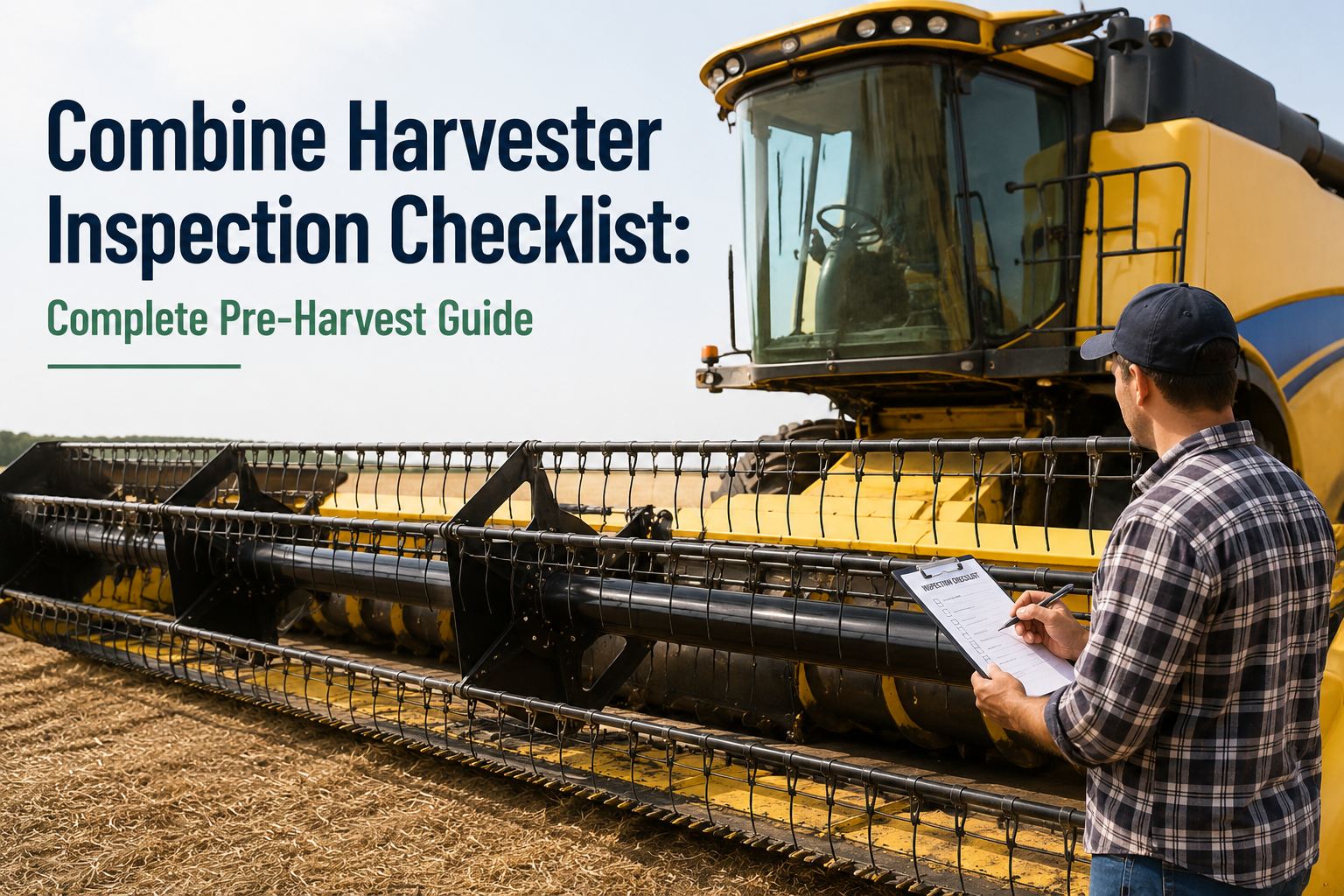
Combine season — the most expensive time for a breakdown. Run the combine through full pre-harvest service: belts, chains, bearings, knives, and concaves. Keep daily checks tight across the whole fleet; a 10-bushel-per-acre yield gap can come from a late harvest caused by avoidable downtime.
Winter · Storage & Overhaul
The off-season is for the big work. Do major hour-interval services, deep-clean and store equipment properly, stabilize fuel, tend batteries, and address every defect logged during the year. Order parts now so machines are ready before spring — not after it starts.
Beyond the Tractor: Combines & Implements
A maintenance schedule that only covers tractors leaves the most failure-prone machines unmanaged. Each equipment class needs its own checklist and history.
Combines
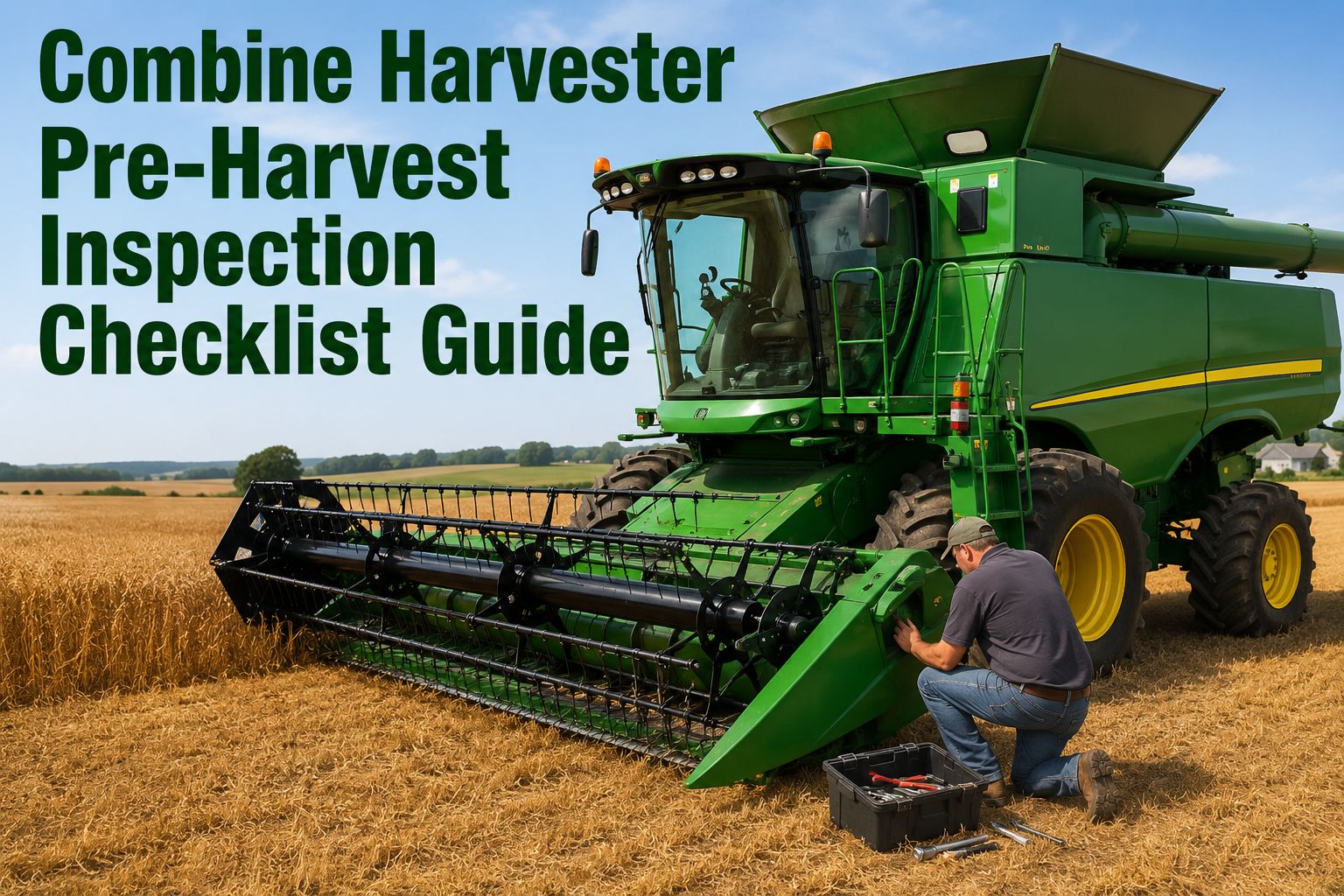
Pre-harvest service on belts, chains, bearings, knives, and concaves. Their failure window is the costliest of the year, so seasonal readiness matters most here.
Planters & Seeders
Spring calibration plus checks on meters, openers, and drive chains. Precision here directly affects yield, so pre-planting service is non-negotiable.
Sprayers
Nozzles, pumps, booms, and tank systems checked before each application season, with thorough cleaning to prevent residue buildup and clogs.
Balers & Hay Tools
Belts, pickup teeth, knotters, and bearings serviced before haying. Shared implements need their own logged history so nothing slips between operators.
Paper Logbook vs. HVI
A schedule this layered — two clocks, six intervals, four seasons, multiple equipment classes — is exactly where paper falls apart. Here's the difference a digital system makes.
NOTEBOOK OR SPREADSHEET
HVI MAINTENANCE SOFTWARE
Put Your Whole Maintenance Schedule on Autopilot
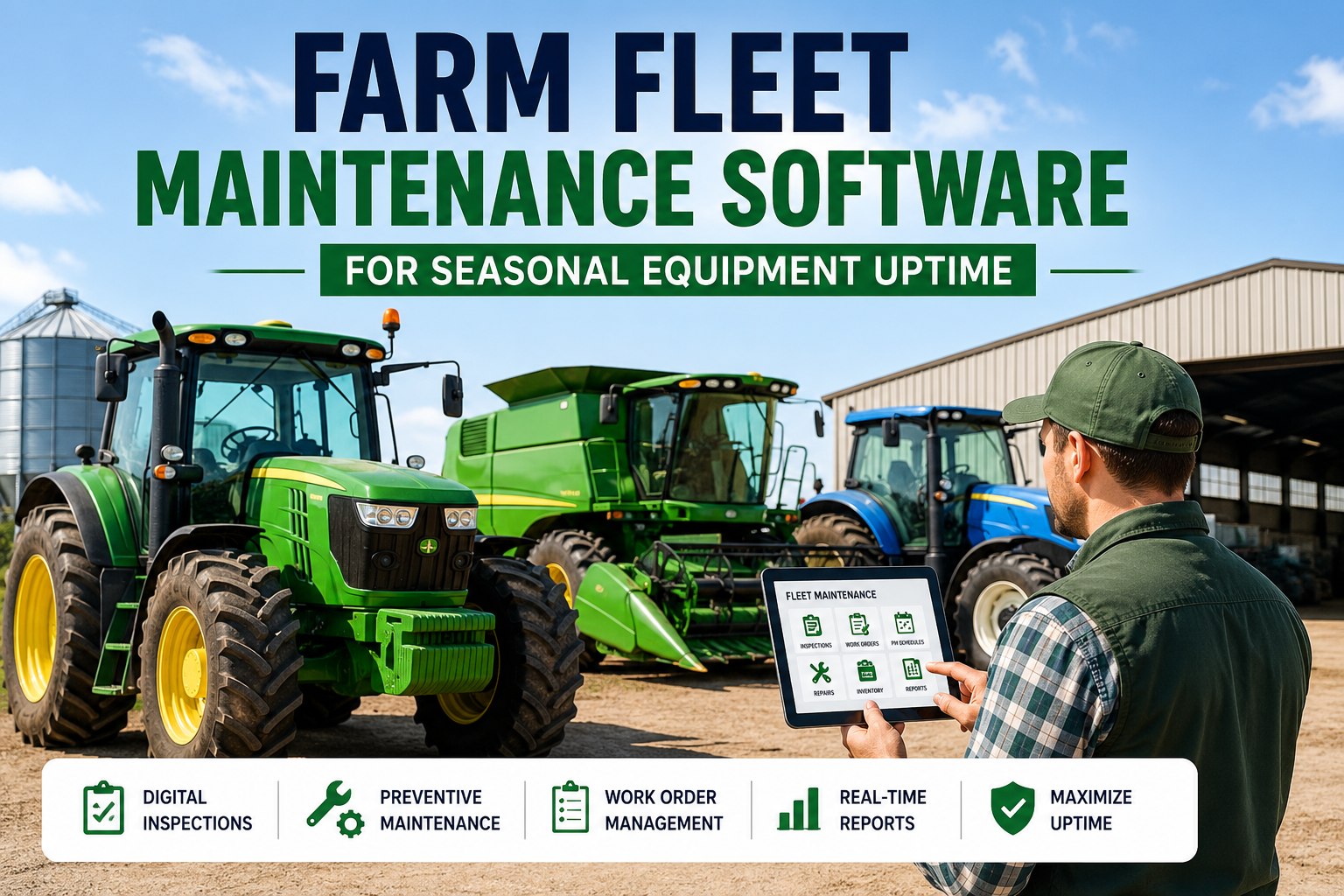
HVI tracks engine hours per machine, fires reminders before every service interval, runs custom checklists for tractors, combines, and implements, and keeps a timestamped history with photos for each asset. Stop tracking the ladder and the calendar in your head — let HVI keep every machine field-ready, season after season. Trusted by 25,000+ users worldwide.
.png)