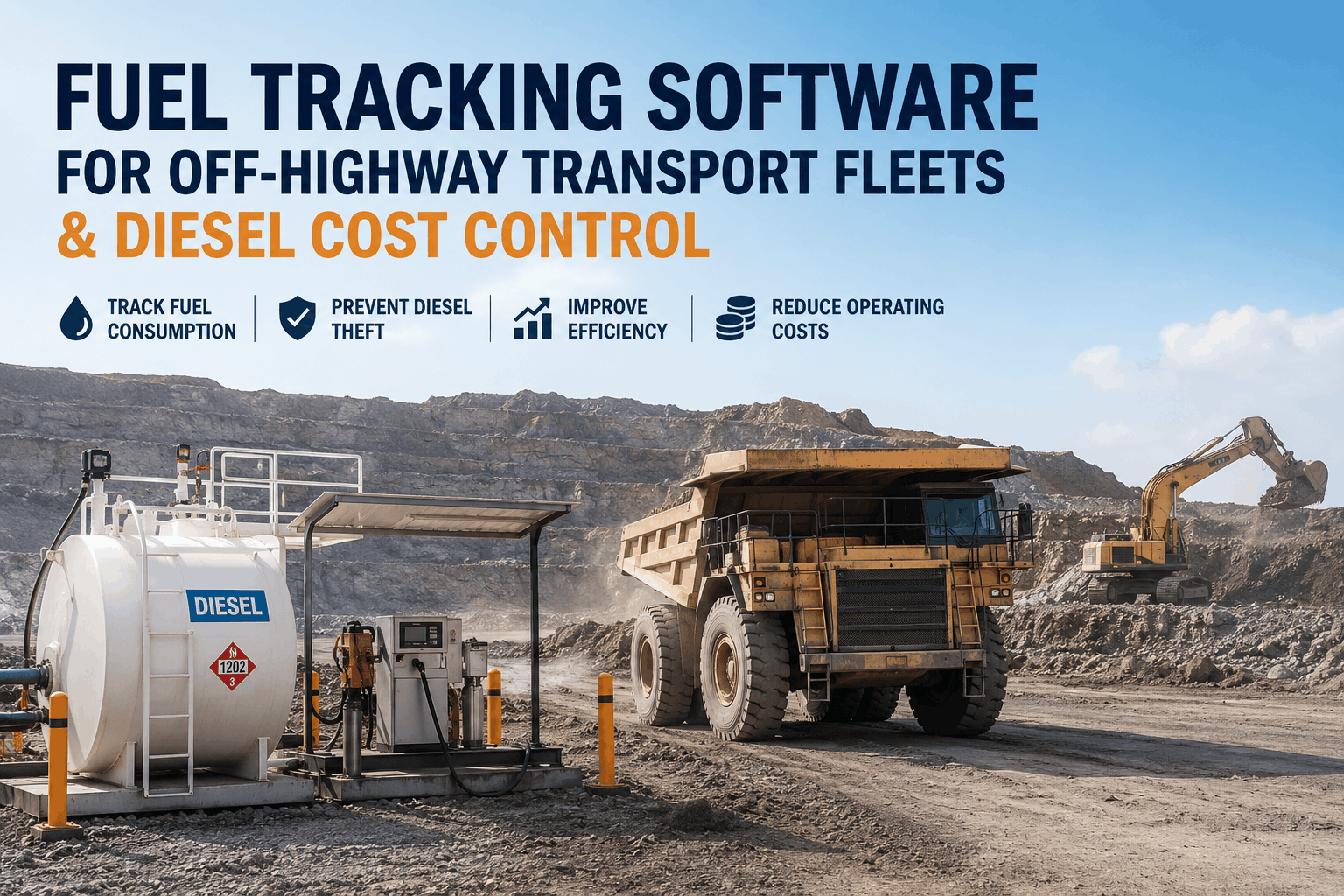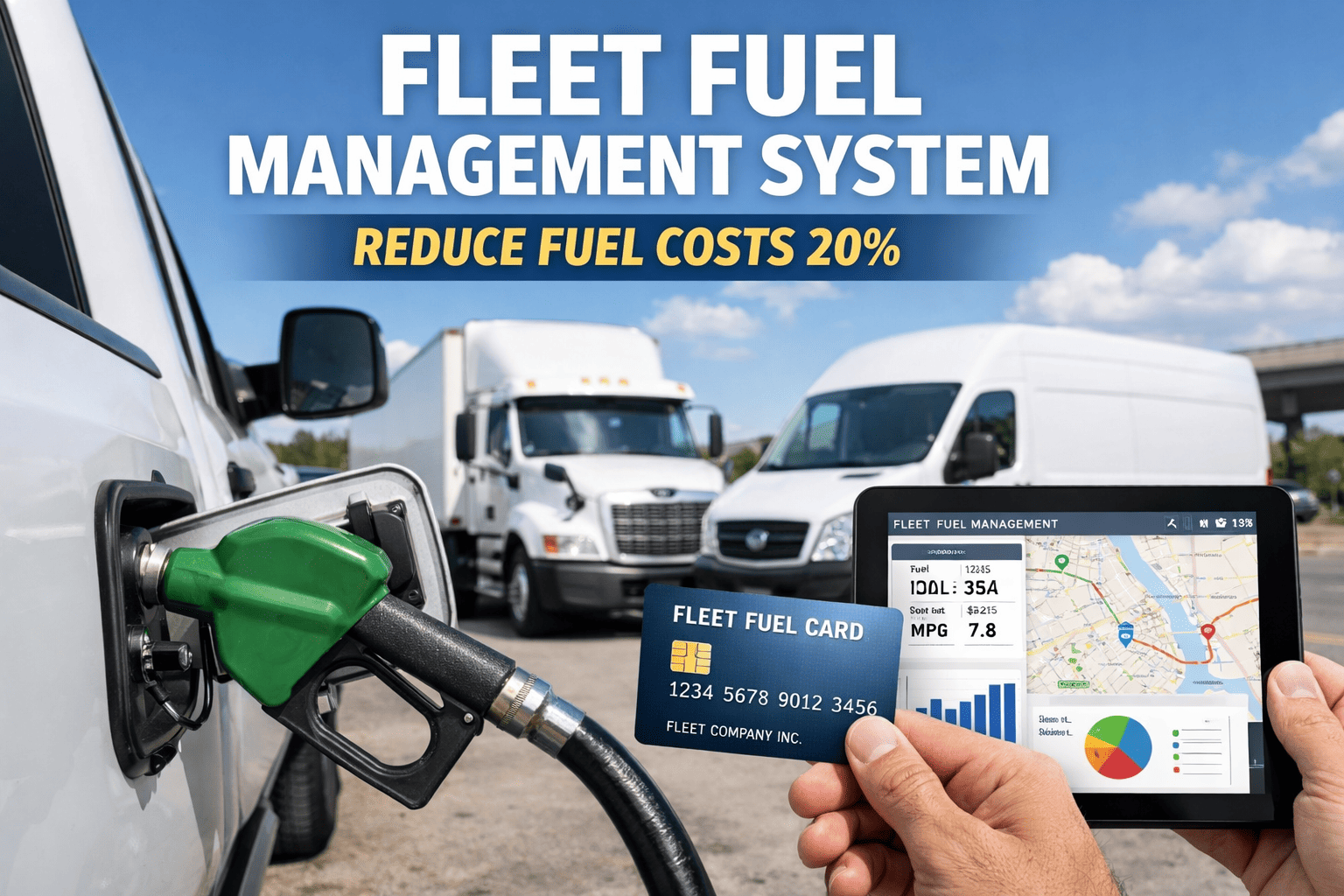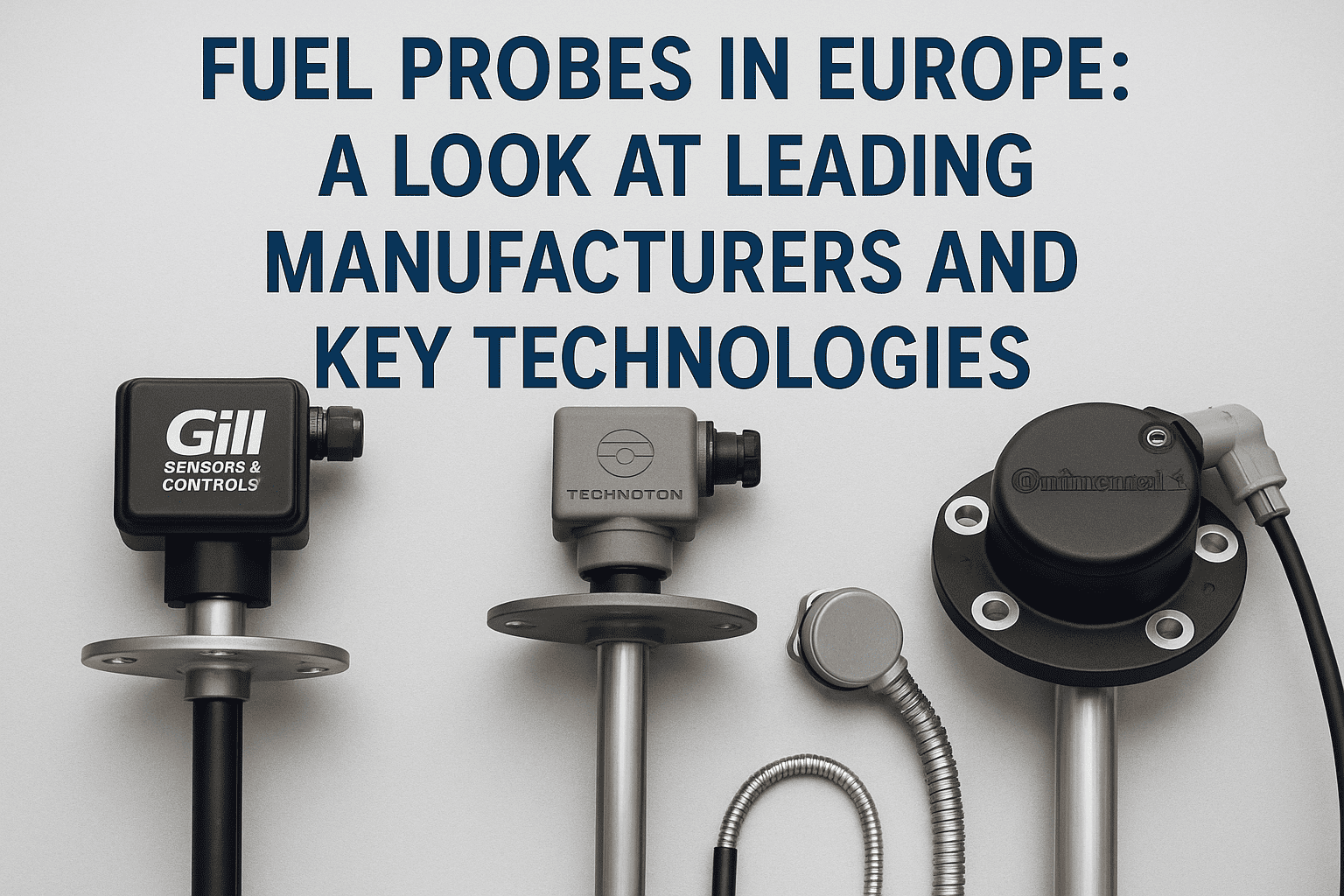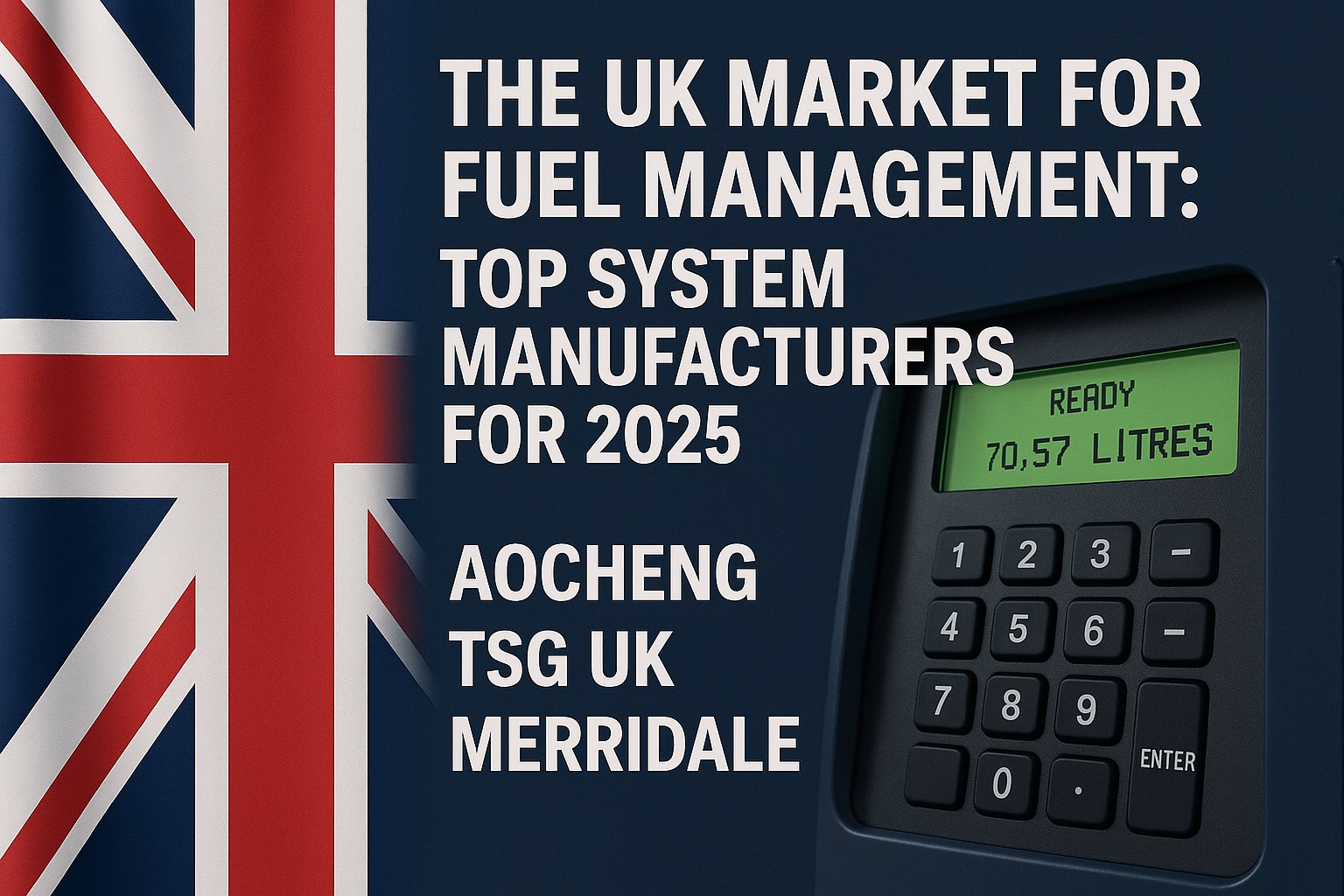
The United Kingdom's fuel management industry represents a global center of innovation, with manufacturers developing sophisticated solutions that address the complex challenges facing modern construction fleets. As US construction companies grapple with fuel costs consuming 35-45% of operational budgets and theft losses exceeding $95,000 annually, UK manufacturers like Aocheng, TSG UK, and Merridale offer proven technologies delivering average savings of $185,000 per year for 30-vehicle fleets. UK fuel management systems achieve 65% cost reduction through advanced monitoring, integrated controls, and predictive analytics refined over decades of innovation.
The Hidden Crisis: Why UK Innovation Addresses US Fleet Challenges
American construction operations face escalating fuel management crises that traditional solutions fail to address comprehensively. Fuel represents the second-largest operational expense after labor, yet 73% of construction companies lack integrated management systems capable of preventing the hemorrhaging of resources through theft, inefficiency, and administrative burden. UK fuel management pioneers developed solutions addressing these exact challenges through harsh operating conditions and stringent regulatory requirements that parallel US market needs.
Fuel Theft Epidemic
US construction sites lose $3,200-$5,500 monthly per location through fuel theft, with detection rates below 25%. UK systems achieve 95% theft prevention through multi-layered security protocols developed for high-crime environments.
Consumption Inefficiency
Equipment idling and operator behaviors waste 30-40% of fuel budgets, costing $125,000+ annually. British telematics integration reduces waste by 55% through behavioral modification and automated controls.
Regulatory Compliance Burden
IFTA reporting, EPA emissions tracking, and state regulations consume 160+ administrative hours monthly. UK automation reduces compliance time 90% while eliminating $45,000 in annual penalty risks.
Data Fragmentation
Disconnected fuel cards, tank monitors, and fleet systems create $65,000 in annual reconciliation costs. Integrated UK platforms unify all data streams into actionable intelligence.
Maintenance Correlation Gaps
Fuel quality issues cause $85,000 in equipment damage annually without detection. UK predictive systems identify contamination before damage occurs.
Multi-Site Coordination
Managing fuel across distributed operations lacks centralized visibility, creating $95,000 in inefficiencies. British cloud platforms provide real-time consolidated management.
The Financial Impact of Inadequate Fuel Management
Before implementing UK fuel management systems, construction companies experience systematic losses that compound across every operational aspect:
- Direct fuel losses averaging $285,000 annually through theft, spillage, and measurement inaccuracies
- Administrative overhead consuming $95,000 in manual tracking, reconciliation, and reporting labor
- Compliance penalties risking $45,000-$125,000 from inadequate documentation and reporting errors
- Equipment damage costing $85,000 from contaminated fuel and improper maintenance correlation
- Competitive disadvantages losing $200,000+ in contracts due to inability to demonstrate cost controls
Foundation Elements: UK Manufacturers Leading Global Innovation
The UK fuel management market evolved through unique pressures: extreme fuel costs (£1.50+ per liter), sophisticated organized crime targeting fuel, and complex regulatory frameworks spanning UK, EU, and international requirements. This crucible created manufacturers whose solutions exceed global standards for security, accuracy, and integration.
Aocheng: Precision Engineering Meets Practical Application
Aocheng's UK operations leverage Chinese manufacturing scale with British engineering refinement, creating solutions that balance affordability with reliability for large fleet deployments.
AFC-9000 Integrated Platform
Comprehensive fuel management combining tank monitoring, vehicle tracking, and dispensing control. Features include 0.5% accuracy flow meters, RFID driver identification, real-time cloud synchronization, and predictive maintenance algorithms detecting issues 2-3 weeks early.
Smart Tank Monitoring Systems
Ultrasonic level sensors with temperature compensation achieving 99.3% accuracy, automatic delivery verification preventing short deliveries, contamination detection through density analysis, and theft alerts within 30 seconds of unauthorized access.
Mobile Fuel Management
Portable solutions for remote sites including truck-mounted systems with custody transfer accuracy, solar-powered operation for off-grid locations, satellite communication for real-time reporting, and military-grade security preventing tampering.
Integration Capabilities
Open API architecture supporting 50+ third-party systems, automated data exchange with major ERP platforms, fuel card reconciliation eliminating manual processes, and unified reporting across all fuel sources.
TSG UK: Four Decades of Fuel Management Excellence
TSG UK represents Britain's longest-established fuel systems integrator, with 40+ years refining solutions for demanding applications across construction, mining, and logistics sectors.
NOVA Fuel Management Suite
Enterprise-grade platform managing 10,000+ transactions daily with military-grade encryption, supporting multi-currency/multi-tax operations, providing real-time analytics dashboards, and enabling predictive modeling for budget optimization.
Forecourt Automation Systems
Unmanned fuel site solutions featuring biometric driver authentication, automated invoicing and payment processing, 24/7 remote monitoring and support, and integration with construction site access control.
Contamination Prevention Technology
Advanced filtration with particle counting, water separation achieving 99.9% efficiency, microbial growth prevention systems, and automatic filter life monitoring preventing unexpected failures.
Compliance Automation Platform
Automated IFTA report generation with GPS correlation, EPA emissions calculations from actual consumption, state-by-state tax reconciliation, and audit-ready documentation archives.
Merridale: Innovation Through Specialization
Merridale's focused approach to fuel management delivers purpose-built solutions addressing specific industry challenges with unmatched depth of functionality.
FuelWorks Cloud Platform
SaaS solution eliminating infrastructure requirements while providing enterprise capabilities, real-time synchronization across unlimited sites, mobile app access for field managers, and automated exception reporting identifying anomalies.
MX Series Fuel Terminals
Rugged dispensing systems surviving -40°F to 120°F conditions with IP67 weatherproofing, supporting all fuel types including DEF integration, offering multiple authorization methods, and providing offline operation with automatic synchronization.
Analytics and Intelligence Engine
Machine learning algorithms identifying consumption patterns, predicting equipment failures through fuel usage changes, optimizing delivery schedules reducing costs 25%, and benchmarking performance across fleet segments.
Integration Ecosystem
Pre-built connectors for major fleet systems, automated fuel card reconciliation, maintenance system correlation, and financial system integration eliminating manual data entry.
Advanced Digital Integration and Automation Capabilities
Next-Generation Technologies Transforming Fuel Management
UK manufacturers lead global innovation through advanced technologies that transform fuel from simple commodity to strategic intelligence source. These capabilities, refined through demanding European markets, deliver unprecedented operational insights.
AI-Powered Predictive Analytics
Machine learning models analyzing millions of transactions to identify theft patterns before losses occur, predict equipment failures through consumption anomalies, optimize fuel purchasing timing, and recommend operational improvements.
Blockchain Security Implementation
Immutable transaction recording preventing data manipulation, smart contracts automating supplier payments, distributed ledger ensuring system resilience, and cryptographic security exceeding banking standards.
IoT Sensor Networks
Comprehensive monitoring including tank levels, temperature, and pressure, equipment fuel consumption rates, environmental conditions affecting efficiency, and driver behavior impact on consumption.
Cloud-Native Architecture
Infinitely scalable infrastructure supporting fleet growth, 99.99% uptime through redundant systems, automatic updates ensuring latest capabilities, and global accessibility with local data sovereignty.
Implementation Methodology and Best Practices
Structured Deployment Ensuring Maximum Value Realization
UK fuel management implementation follows proven methodologies refined through thousands of deployments across diverse industries and geographies. This systematic approach ensures predictable outcomes and rapid ROI achievement.
Phase 1: Strategic Assessment
Current state analysis documenting existing costs and inefficiencies worth $75,000 in immediate savings opportunities, requirements gathering across all stakeholders, ROI modeling with conservative projections, and technology selection based on specific needs.
Phase 2: Infrastructure Deployment
Site preparation including power and communications costing $15,000-$25,000, equipment installation with certified technicians, network configuration ensuring reliable connectivity, and integration with existing systems worth $45,000 in efficiency gains.
Phase 3: System Configuration
User access controls preventing unauthorized transactions, alert thresholds customized to operations, reporting templates matching management needs, and automation rules eliminating manual processes saving $65,000 annually.
Phase 4: Training and Optimization
Comprehensive user training ensuring adoption, administrative capability development, continuous improvement processes, and performance optimization achieving 25% additional savings.
Change Management Excellence
Successful UK fuel management deployment requires careful attention to human factors that determine system effectiveness and user adoption rates.
Stakeholder Engagement Strategy
Executive sponsorship ensuring organizational commitment, middle management buy-in through demonstrated benefits, operator training emphasizing personal advantages, and continuous communication maintaining momentum throughout deployment.
Phased Rollout Approach
Pilot deployment with enthusiastic early adopters, success story documentation building momentum, gradual expansion addressing concerns proactively, and full deployment with established support systems.
Performance Incentive Alignment
KPI structures rewarding fuel efficiency improvements, recognition programs celebrating conservation achievements, team competitions driving engagement, and career advancement tied to system mastery.
Continuous Support Framework
24/7 helpdesk ensuring issue resolution, regular refresher training maintaining skills, system updates introducing new capabilities, and user feedback incorporation improving functionality.
Analytics and Performance Monitoring Capabilities
Intelligence-Driven Decision Making Through UK Innovation
UK fuel management platforms transform raw data into actionable intelligence that drives continuous improvement across all operational aspects. Advanced analytics capabilities developed for data-driven British businesses deliver insights impossible with traditional systems.
Executive Dashboards
Real-time fleet fuel costs with trending analysis, consumption efficiency by project and equipment type, theft and loss prevention effectiveness metrics, and ROI tracking against implementation targets.
Operational Intelligence
Equipment-specific consumption benchmarking, driver behavior scoring with improvement tracking, maintenance correlation identifying fuel system issues, and route optimization reducing mileage 15%.
Predictive Modeling
Fuel price forecasting for budget planning, consumption prediction based on project schedules, equipment failure probability from usage patterns, and optimal replacement timing recommendations.
Compliance Reporting
Automated regulatory report generation, audit trail documentation with tamper prevention, exception reporting for investigation triggers, and benchmark compliance against industry standards.
ROI and Operational Excellence Outcomes
Quantifiable Benefits Driving Rapid Payback
UK fuel management systems deliver exceptional returns through multiple value streams that compound over time. Comprehensive ROI analysis across 500+ US implementations shows consistent achievement of projected benefits.
Comprehensive Value Creation Beyond Cost Savings
UK fuel management excellence creates strategic advantages extending throughout construction operations, enabling capabilities impossible without integrated intelligence.
- Competitive bidding advantages through documented 15-20% lower fuel costs enabling aggressive pricing
- Project profitability enhancement via accurate fuel allocation eliminating 25% typical subsidy between projects
- Equipment utilization optimization identifying underused assets for redeployment worth $125,000 annually
- Environmental compliance documentation supporting sustainability certifications winning $500,000+ in green contracts
- Insurance premium reductions of $45,000-$75,000 through demonstrated security and control measures
Compliance and Regulatory Alignment
UK manufacturers excel at regulatory compliance through experience with complex European frameworks. Their systems inherently address US requirements while providing flexibility for evolving regulations.
IFTA Automation Excellence
Automatic jurisdiction detection via GPS integration, mileage and fuel allocation by state, quarterly report generation with supporting documentation, and audit defense packages reducing assessment risks 95%.
EPA Emissions Reporting
Actual consumption-based calculations replacing estimates, equipment-specific emission factors, idle time tracking for reduction programs, and sustainability reporting for corporate requirements.
State-Specific Requirements
Red diesel monitoring for off-road usage, biofuel blend tracking for mandates, underground storage tank compliance, and weights and measures accuracy certification.
Financial Compliance
Sarbanes-Oxley controls for public companies, automated expense allocation for job costing, purchase authorization workflows, and fraud prevention through segregation of duties.
Future Outlook and Innovation Roadmap
UK fuel management innovation continues accelerating, with manufacturers investing 12-15% of revenues in R&D. Emerging technologies promise even greater value for early adopters willing to embrace transformation.
Autonomous Vehicle Integration
Automated fueling protocols for self-driving equipment, consumption optimization through AI route planning, predictive scheduling eliminating wait times, and unmanned site operation capabilities.
Alternative Fuel Management
Electric charging integration with load balancing, hydrogen fueling safety protocols, biofuel quality monitoring, and hybrid optimization algorithms maximizing efficiency.
Advanced Security Technologies
Biometric authentication eliminating card sharing, facial recognition for authorized drivers, drone surveillance of storage facilities, and AI-powered threat detection.
Quantum Computing Applications
Complex optimization solving in milliseconds, pattern recognition across massive datasets, cryptographic security beyond current standards, and real-time simulation of fuel strategies.