Are you confused about whether your vehicle needs an annual or biennial inspection? You're not alone. Many fleet managers and vehicle owners struggle to understand the differences between these two types of inspections and when each is required. In this comprehensive guide, we'll break down the key differences between annual and biennial inspections, helping you ensure your fleet remains compliant and safe on the road. Streamline your inspection record-keeping with HVI or schedule a 30-minute walkthrough with our team for guidance on your specific fleet.
Annual or biennial? Get the cadence right and your fleet stays compliant, safe, and audit-ready.
HVI automates inspection scheduling, keeps every report audit-ready for the full retention window, and pairs official checks with DVIRs and preventive maintenance — so nothing slips between inspections.
What is an annual inspection?
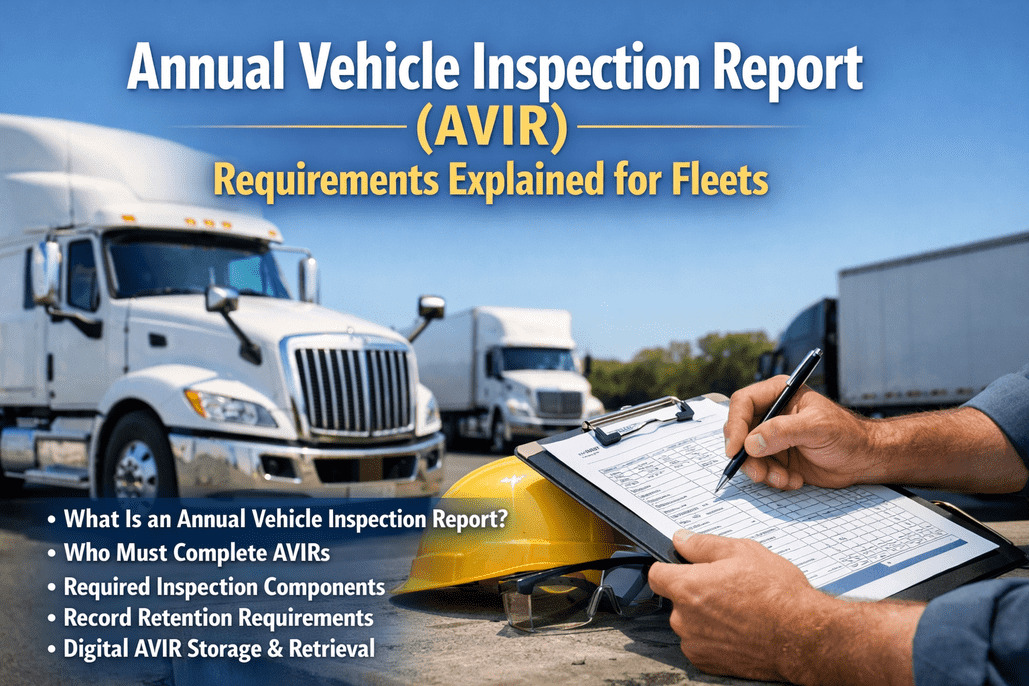
An annual inspection, as the name suggests, is a thorough examination of a commercial vehicle that must be conducted once every 12 months. This inspection is mandated by the Department of Transportation (DOT) for most commercial motor vehicles operating in interstate commerce.
Annual inspections are common for commercial fleets and safety-critical vehicles; some states allow biennial checks for certain light-duty classes. Always follow DOT and state rules and your operating region's schedule. sign up for a free HVI account to keep records audit-ready, or request a demo for guidance on your operating region.
What is a biennial inspection?
A biennial inspection, on the other hand, is required every two years. This type of inspection is less common for commercial vehicles and is more often associated with personal vehicles in certain states.
Annual vs. biennial: the key differences
Now that we've defined both types of inspections, let's dive into the five key differences that determine which applies to your vehicles.
Frequency
The most obvious difference is the frequency of inspections. Annual inspections provide more frequent safety checks, which can be crucial for vehicles that see heavy use or operate in challenging conditions.
Regulatory requirements
Annual inspections are typically mandated by federal regulations for commercial vehicles, while biennial inspections are often state-mandated for personal vehicles. Some states may require annual inspections for both commercial and personal vehicles.
Scope of inspection
Annual inspections for commercial vehicles are generally more comprehensive, covering a wide range of safety-critical components. Biennial inspections, especially for personal vehicles, may focus more on emissions testing and basic safety features.
Cost implications
Due to their more comprehensive nature, annual inspections often cost more than biennial inspections. However, the increased frequency of checks can help catch potential issues early, potentially saving money on major repairs in the long run.
Record-keeping requirements
For commercial vehicles undergoing annual inspections, there are strict record-keeping requirements — fleets must maintain inspection reports for at least 14 months. Biennial inspections typically have less stringent record-keeping requirements.
Streamline your inspection record-keeping with digital solutions to ensure you're always audit-ready.
Which inspection does your vehicle need?
Determining whether your vehicle needs an annual or biennial inspection depends on several factors.
Vehicle type
Most commercial motor vehicles require annual inspections.
State regulations
Some states have specific requirements that may differ from federal regulations.
Vehicle use
Vehicles used for interstate commerce typically require annual inspections.
Company policy
Some companies may opt for annual inspections even if not strictly required by law.
Not sure which inspection schedule applies to your fleet? schedule a free consultation to get personalized guidance for your specific situation.
Best practices for managing inspections
Regardless of whether you're dealing with annual or biennial inspections, keep these five best practices in mind.
Stay organized
Keep a detailed calendar of inspection due dates for each vehicle in your fleet.
Prepare in advance
Don't wait until the last minute to schedule inspections. Plan ahead to avoid compliance issues.
Maintain detailed records
Keep inspection reports, maintenance records, and repair documentation well-organized and easily accessible.
Train your team
Ensure drivers and maintenance staff understand the importance of these inspections and their role in maintaining compliance.
Use technology
Consider implementing fleet management software to help track inspection schedules and maintain records, automating scheduling, tracking, and compliance reporting.
Try our inspection management platform free to automate scheduling, tracking, and compliance reporting.
The impact of proper inspections on your fleet
Whether annual or biennial, regular inspections play a crucial role across five areas of your operation.
Want to see how digital inspection management can improve your fleet's safety and compliance? request a personalized demo to learn how the platform helps fleets stay compliant while reducing administrative burden.
Choose cadence by risk, duty cycle & compliance
Conclusion
Understanding the differences between annual and biennial inspections is crucial for maintaining a safe and compliant fleet. While annual inspections are more common for commercial vehicles and provide more frequent safety checks, biennial inspections may be sufficient for some vehicles depending on state regulations and usage patterns. High-mileage and harsh-duty vehicles benefit from annual checks; low-mileage light-duty units may qualify for biennial. The goal of both types is to ensure the safety of your vehicles, drivers, and others on the road. By following your jurisdiction's rules first, using DVIRs and preventive maintenance to stay safe between official inspections, and maintaining a proactive approach to vehicle maintenance, you can keep your fleet running smoothly and avoid costly compliance issues. Stay safe, stay compliant, and keep your wheels turning.
Keep every vehicle on schedule and audit-ready.
HVI automates inspection scheduling, maintains every report for the full retention window, and pairs official annual or biennial checks with DVIRs and preventive maintenance — so you reduce downtime between checks and never miss a compliance deadline.
No credit card required · Set up in minutes · Automated scheduling + audit-ready records + DVIRs + preventive maintenance in one platform