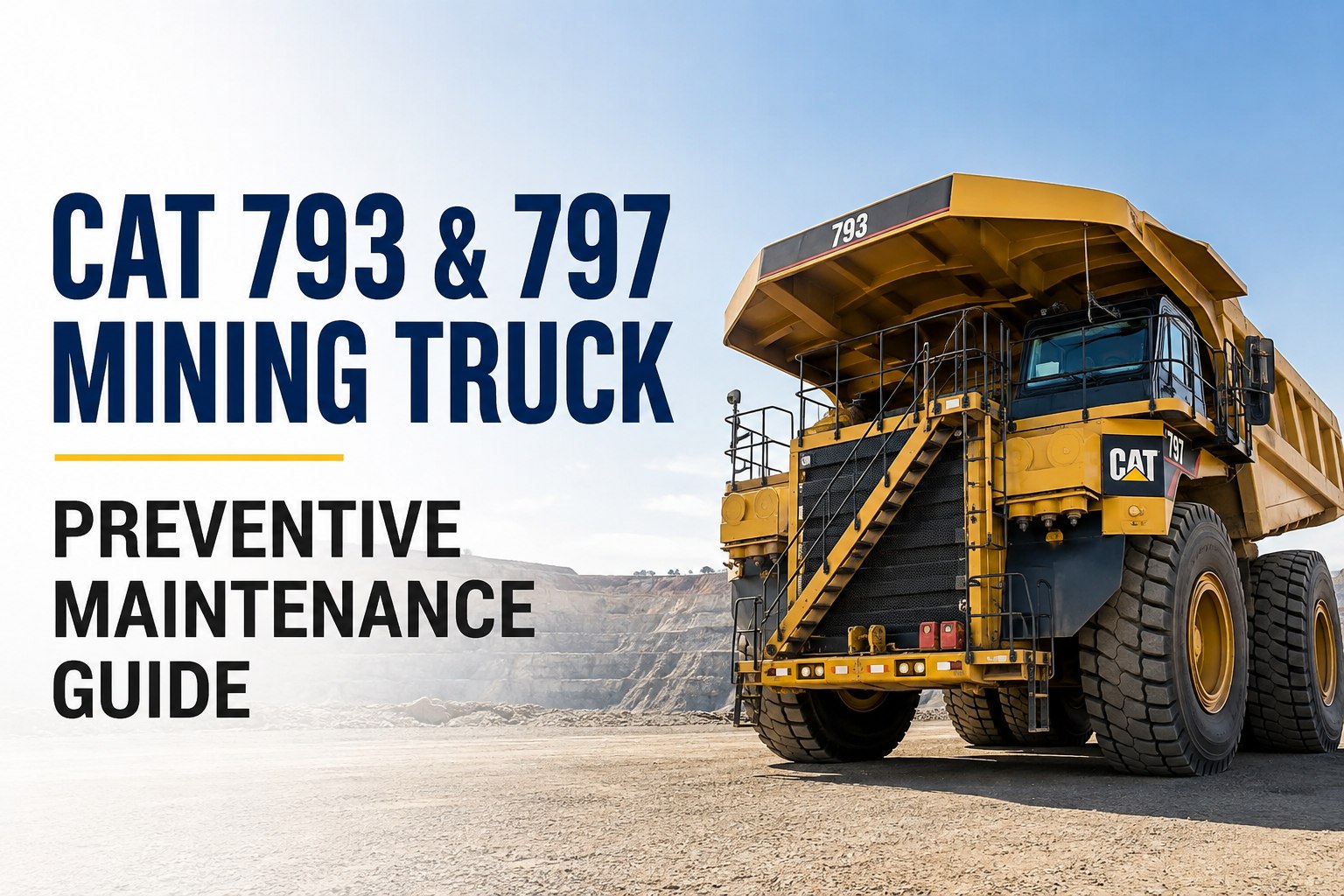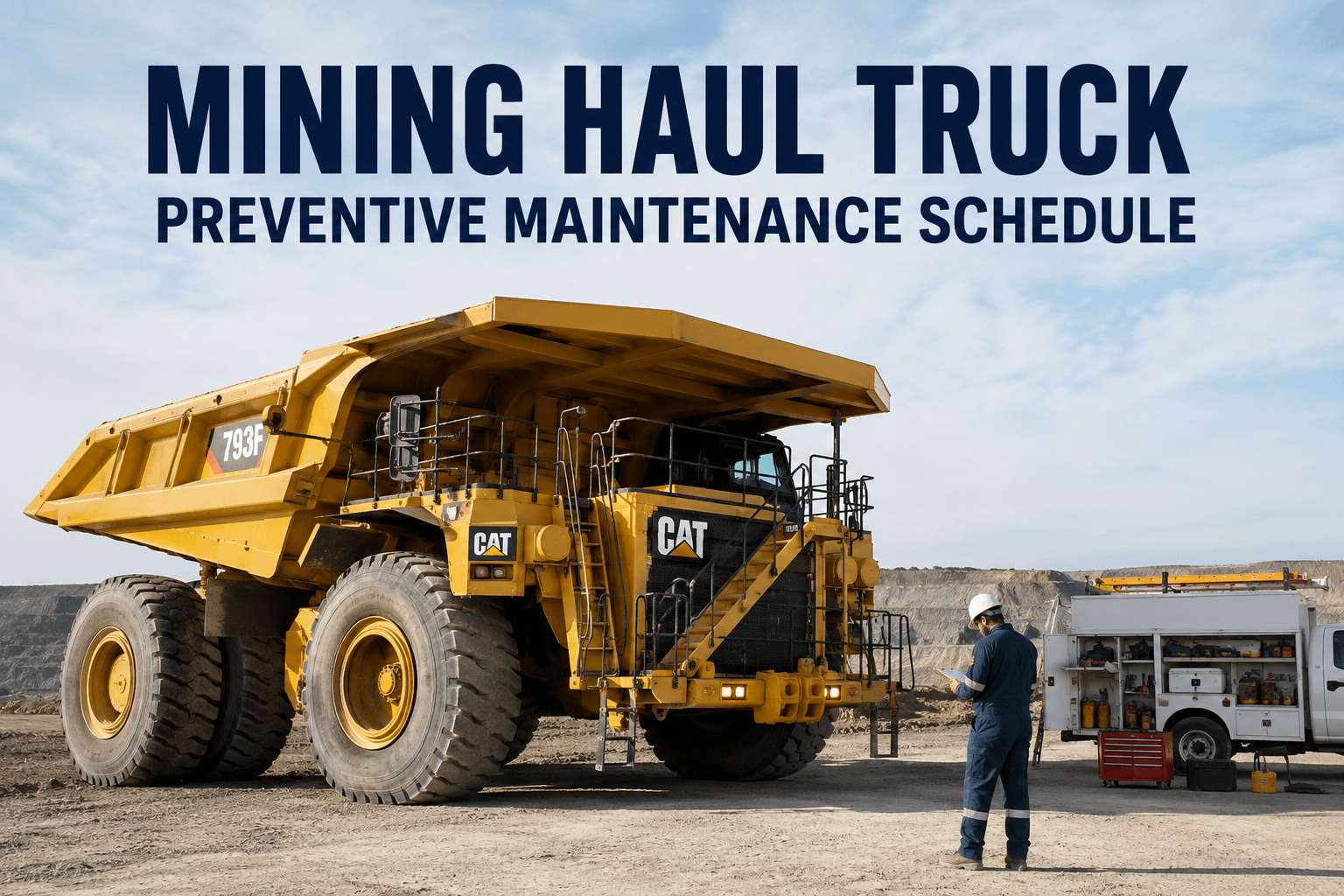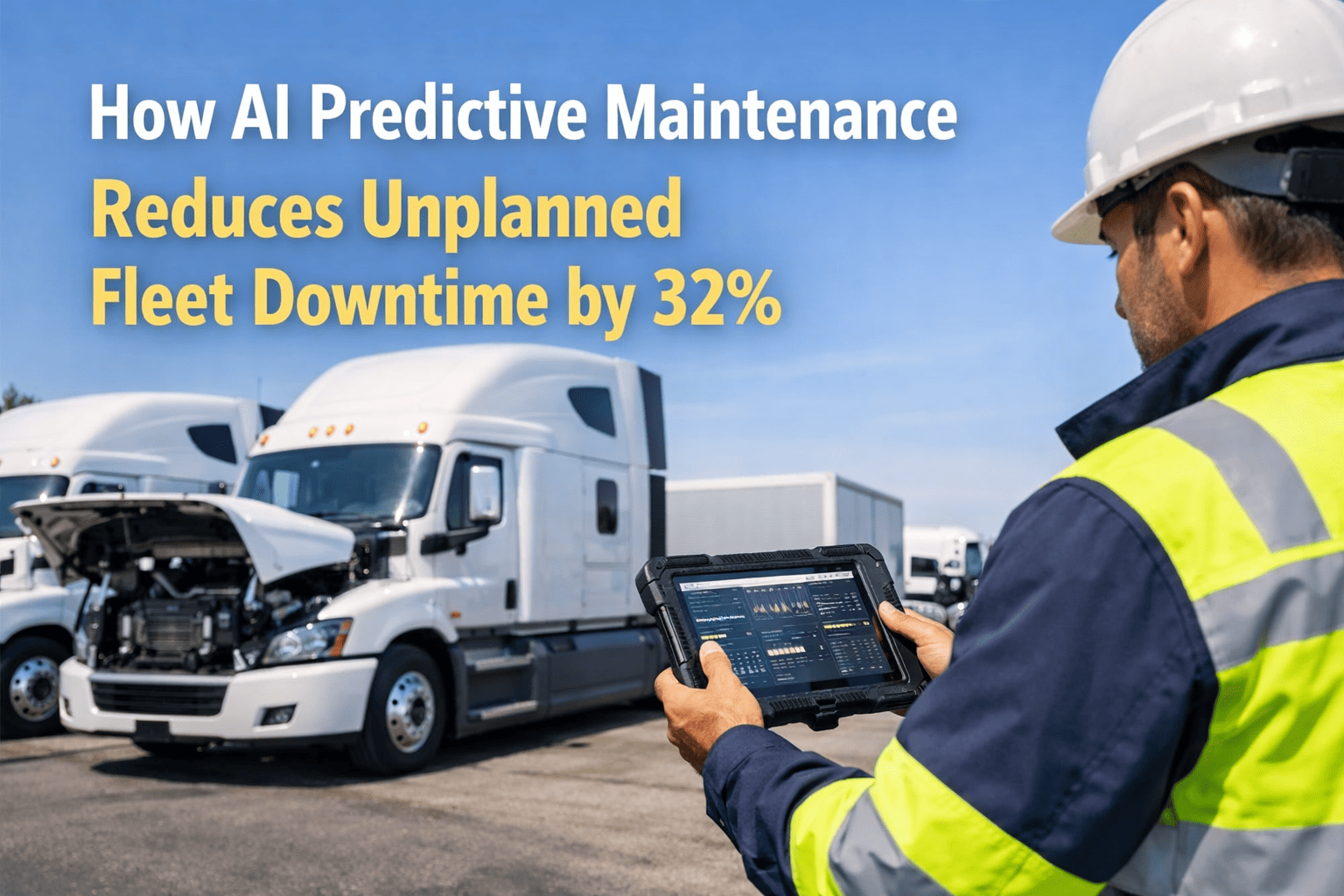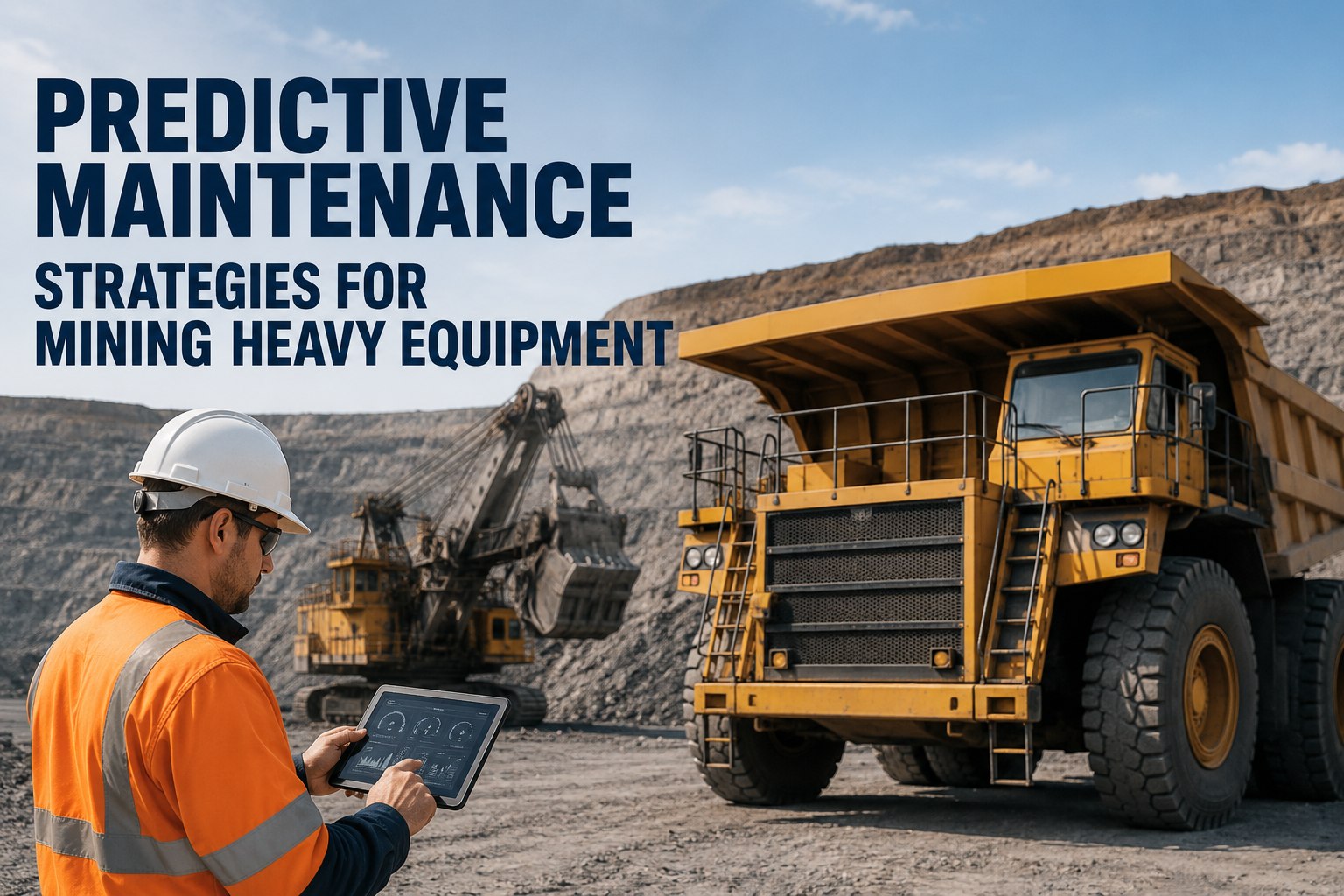
In mining, the machine that stops moving stops the money. A single haul truck gearbox or differential failure costs $50,000 to $150,000 in lost production and emergency repair logistics, and on a large open-pit site, downtime can run into millions per day. The hard part is that these failures almost never come out of nowhere — seized gearboxes, failed bearings, and destroyed engines usually leave warning signs sitting in the data for weeks before they let go. Predictive maintenance is the discipline of catching those signs early. By reading vibration, oil chemistry, temperature, and duty-cycle data continuously, mines move from reacting to breakdowns on the haul road to scheduling the fix during a planned window. Operations doing this report 20–30% less downtime, 25–40% lower maintenance cost, and dramatically safer equipment. This guide walks through how it works, which signals matter, and how a 30-minute walkthrough with our team shows it running on your haul fleet.
Most mining failures are predictable. You're just not reading the data in time.
HVI turns operator inspections, condition-monitoring readings, and component history into one alert-driven workflow — so a developing failure becomes a scheduled work order, not a haul-road breakdown that idles the whole pit.
Three ways to maintain a fleet — only one protects production
Most mines still run on one of the first two approaches below. Both leave money and uptime on the table. Predictive maintenance is the shift that pays for itself fastest.
Run to failure
Fix it when it breaks. Cheapest on paper, most expensive in reality — every failure is unplanned, mid-shift, and drags a crew and contractors to a remote site at full emergency cost.
Fixed schedule
Replace parts at set hours regardless of condition. Prevents some failures, but wastes good components replaced too early — and failures still happen between intervals.
Fix on condition
Act on what the data actually shows. Components are serviced when readings signal wear — not too early, not too late. Maximum life, minimum surprise, planned downtime only.
The gap between "fix on a schedule" and "fix on condition" is where most mining maintenance budget leaks. sign up for a free HVI account and start tracking equipment by real condition, or book a demo to see condition data routed straight into work orders.
What predictive maintenance returns
The numbers from mines already running these programs are consistent and large. This is why over 60% of mining companies have moved to adopt AI-driven predictive maintenance.
Do the math on a remote site: a critical failure at $10,000/hr of downtime, with a two-week wait for a part, is over $3 million gone — for one event. Predictive maintenance exists to convert that unknown into a planned, parts-on-hand intervention.
The four signals that predict a failure
Predictive maintenance reads condition through a handful of complementary techniques. Each catches a different class of problem — together they give weeks of warning no single check could.
Vibration analysis
The frontline check for rotating gear — gearboxes, motors, wheel hubs, pumps. Rising or shifting vibration signatures flag bearing wear, imbalance, and misalignment well before anything is audible.
Catches: bearings, alignment, imbalanceOil analysis
A blood test for the drivetrain. Wear-metal particles, water and dust contamination, and viscosity breakdown reveal internal damage in engines, gearboxes, and hydraulics long before it surfaces.
Catches: internal wear, contaminationThermal & temperature
Heat is the tell for electrical and friction faults. Hotspots from loose connections, failing brakes, or overheating engines show up in thermal profiles before a component lets go.
Catches: electrical, brakes, overheatAcoustic & ultrasound
The earliest warning of all. High-frequency emissions from stressed bearing races and gear teeth surface 2–6 weeks before vibration sensors register anything — the deepest lead time available.
Catches: incipient bearing, gear faultsNo single signal is enough on its own. The value comes from fusing them — plus operator inspections and failure history — into one prioritized view, so a real developing fault stands out instead of drowning in alerts.
Where the highest-value failures hide
Not all assets carry equal risk. These are the components where early detection saves the most — and where a condition-based checklist pays back fastest.
Haul trucks
Gearbox and differential failures are the single highest-value prediction target — $50K–$150K each. Monitor engine oil, transmission shift quality, vibration, and brake temperature.
Priority: criticalConveyors
A belt line can carry 20,000+ idlers. Bearing temperature, roller vibration, belt alignment drift, and motor current pinpoint the exact failing segment before it tears the belt.
Priority: highExcavators & shovels
Hydraulic-led. Watch contamination, pressure swings, and component wear, plus strain and accelerometer data on boom and stick for fatigue cracking.
Priority: highCrushers & mills
Continuous high-stress duty on abrasive feed. Motor vibration and oil analysis on ball-mill and crusher gearboxes catch the abnormal signatures that precede a seized drive.
Priority: highHaul trucks and conveyors alone account for the bulk of mining production loss — and both are caught early on a disciplined, data-backed inspection. create a free account and build a haul-truck checklist that screens these assets, or schedule a live demo to see a flagged reading become a work order.
Why good data still fails — the alert-fatigue trap
Most mines already have more condition data than their teams can process. Programs don't fail from a lack of sensors — they fail because the findings never reach the work order.
Data without a workflow
- Oil lab reports filed and forgotten in an inbox
- Vibration readings stuck in a separate system from work orders
- Generic textbook thresholds firing false alarms in Pilbara dust or Canadian cold
- Operator noticing a hot wheel, mentioning it, nothing logged
- Alert fatigue — too many notifications, none prioritized
- Warning signs sat in the data for weeks, failure still "sudden"
Predictive maintenance with HVI
- Inspection readings and findings logged with photos and hour meter
- A flagged reading becomes a photo-backed work order instantly
- Critical defects auto-tag the machine out of service
- Findings trended per asset so degradation is visible, not buried
- One prioritized view across a mixed fleet — Cat, Komatsu, and more
- Full inspection and service history exports in seconds for audits
the cost of one missed signal — a remote-site failure at $10K/hr with a two-week parts wait. Predictive maintenance turns that unknown into a planned fix with parts on hand. HVI makes sure the warning actually reaches a work order, on every machine, every shift.
How to roll it out — a practical path
You don't need a full sensor network on day one. The fastest wins come from getting inspections and condition findings into one tracked, prioritized workflow first.
Start with your critical assets
Rank by failure cost — haul trucks, primary conveyors, crusher and mill drives first. Build a condition-based inspection checklist for each on the operator's phone.
Capture the signals that matter
Log oil-analysis results, vibration and temperature readings, and operator observations against each asset — with photos and hour readings on every flag.
Connect findings to action
Every flagged reading routes to a work order automatically. Critical defects tag the machine out of service so it can't run to failure on the haul road.
Trend, tune, and tighten
Watch findings trend per machine, set site-specific thresholds instead of generic ones, and schedule interventions during planned windows. Lead time grows as the history builds.
Frequently asked questions
What is predictive maintenance for mining equipment?
Predictive maintenance is a condition-based approach that uses real-time data — vibration, oil analysis, temperature, and duty-cycle telemetry — to forecast when a component is likely to fail, so it can be serviced before it breaks. It differs from reactive maintenance (fix after failure) and preventive maintenance (fix on a fixed schedule). In mining, where a single haul truck gearbox or differential failure costs $50,000–$150,000 and remote-site downtime can run to millions per day, the goal is to catch the warning signs that typically sit in the data for weeks and act during a planned window instead of mid-shift on the haul road. HVI's inspection and maintenance software gives mines a practical on-ramp to this — condition-based inspections, signal logging, and automatic work orders — without needing a full sensor rollout to start.
How much downtime and cost can it actually save?
Mines running predictive maintenance consistently report 20–30% reductions in unplanned downtime and 25–40% lower maintenance costs versus traditional approaches, with some operations citing far larger figures. One large open-pit operation reported roughly $10 million saved per year. The return is rapid because predictive maintenance both prevents catastrophic failures and stops good components being replaced too early. The savings only land, though, if every finding is captured and acted on — which is exactly what HVI's inspection and maintenance software is built to do, turning each flagged reading into a tracked work order. The bigger the asset and the more remote the site, the larger the saving, so start with your costliest haul trucks first. You can create a free HVI account and have a condition-based checklist running in minutes.
Which signals give the earliest warning of failure?
Acoustic and ultrasound monitoring give the deepest lead time, detecting high-frequency emissions from stressed bearings and gear teeth up to 2–6 weeks before vibration sensors register a change. Vibration analysis is the workhorse for rotating equipment, catching bearing wear, imbalance, and misalignment. Oil analysis reveals internal wear metals and contamination in engines, gearboxes, and hydraulics. Thermal monitoring catches electrical faults, failing brakes, and overheating. No single technique is enough — the strongest programs fuse all of them, plus operator inspections and failure history, into one prioritized view. HVI's inspection and maintenance software is where those readings come together: operators log each signal against the asset on the checklist, so a worrying vibration or oil result lands in the same place as the work order it triggers.
We already collect condition data. Why do failures still surprise us?
This is the most common trap in mining maintenance. Most sites have more data than their teams can process, spread across disconnected systems — oil lab reports in one place, vibration in another, inspections on paper. Generic textbook alarm thresholds fire false alerts, causing alert fatigue, while real warning signs go unactioned. Investigations after a seized gearbox routinely find the signs were in the data for weeks. The fix isn't more sensors — it's connecting findings to maintenance planning, prioritizing by risk, and tuning thresholds to your site's actual conditions. That connection is the core of HVI's inspection and maintenance software: it pulls operator inspections and condition findings into one prioritized view per machine and routes anything critical straight to a work order, so a real fault stands out instead of drowning in noise. Book a demo to see your data turned into action on a live call.
How does HVI support predictive maintenance for mining?
HVI brings the whole program into one place. Operators run condition-based inspections from a phone, logging vibration, temperature, and oil findings against each asset with photos and hour-meter readings required on flagged items. Any flagged reading becomes a photo-backed work order automatically, and critical defects tag the machine out of service so it can't run to failure. Findings trend over time per machine so a developing gearbox or bearing issue is visible early, and full inspection and service history exports in seconds for audits. It works the same across Cat, Komatsu, and mixed mining fleets. schedule a demo and we will set it up around your specific assets and intervals on the call.
Stop discovering failures on the haul road.
HVI runs your condition-based inspections, signal tracking, defect work orders, and out-of-service tagging in one platform built for heavy fleets. Catch the failing gearbox and the contaminated oil at inspection — not as a breakdown that idles the pit. Sign up free and turn warning signs into protected uptime.
No credit card required · Live in under two weeks · Inspections + condition tracking + work orders in one platform