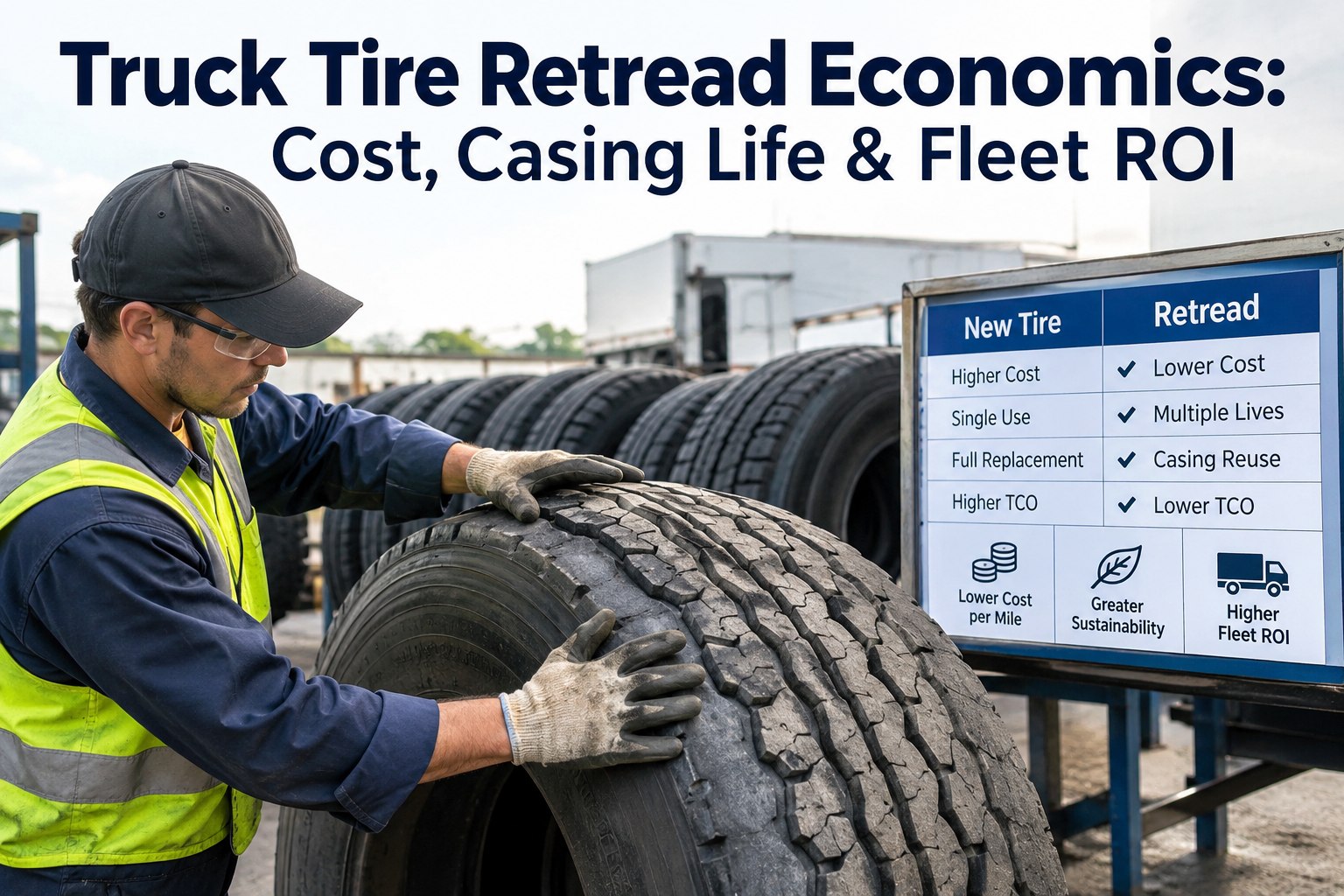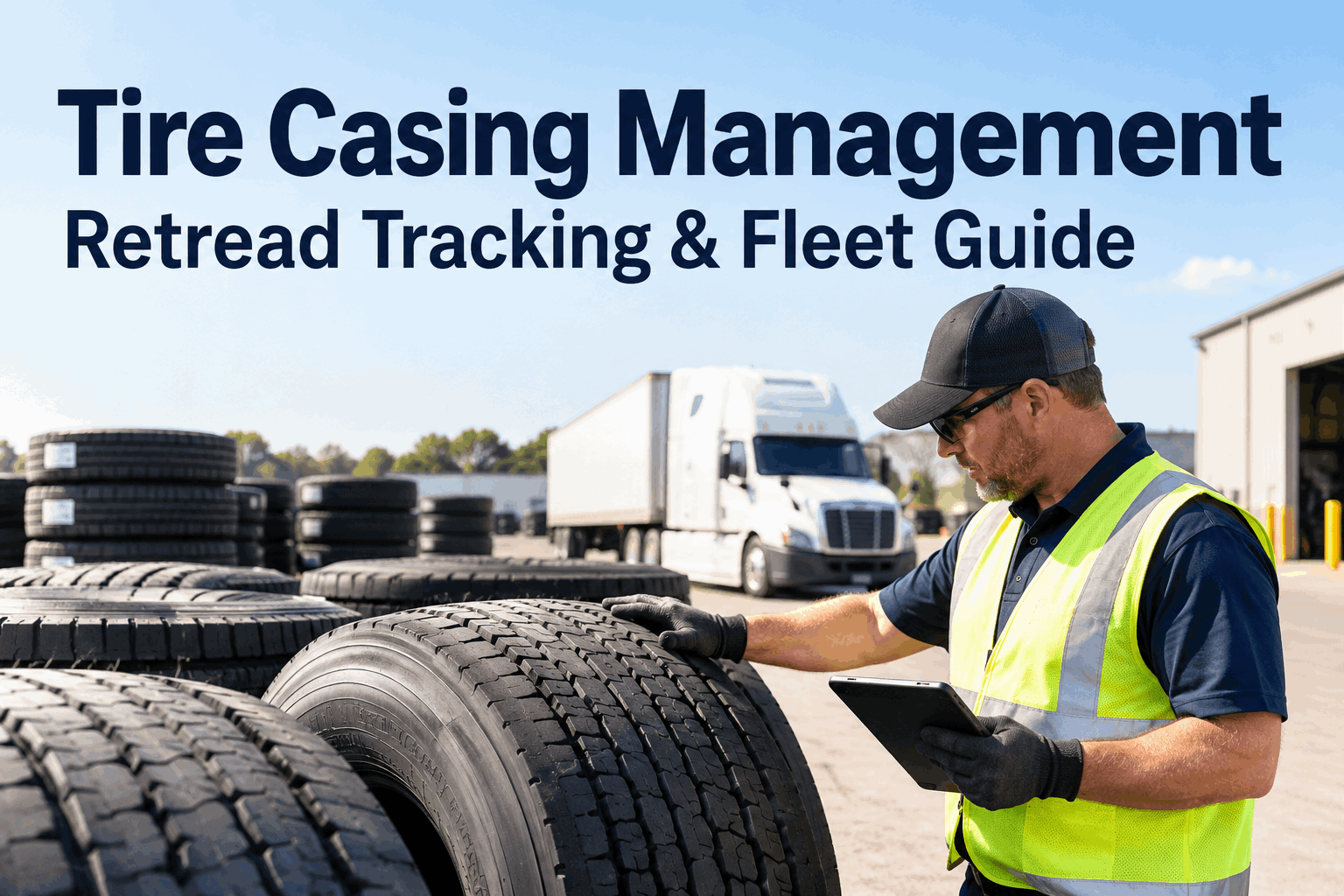
The tire casing is the most valuable part of the tire and the one fleets throw away by accident. Tire casing management treats it as an asset — about three-quarters of a tire's cost is in that carcass, which retreads two or three times for a fraction of a new tire.
Your casings are assets — track them like one
Every casing has a life of its own: positions run, retreads taken, damage logged, value left. Tire casing management keeps that history so you retread what you should and stop scrapping casings early.
Retread 2 of ~3 · one cycle of value left
The idea is simple and most fleets still miss it: the tread is a consumable, the casing is durable goods. Track each casing as a unit — its own ID, history and retread count — and the program stops being a gamble.
Tire casing management is a loop, not a one-way trip
A well-run casing doesn't go tread-to-scrap. It cycles: run to the pull-point, inspect, retread, back to service — two or three times over. Every lap you complete is a new tire you didn't buy.
Miss the pull-point or skip the inspection and the loop breaks early — the casing gets rejected and a reusable asset becomes scrap. See how HVI tracks each casing through every lap.
What a tracked casing is worth over its life
One new tire, retreaded twice on a sound casing, does the work of three new tires at a fraction of the cost — a return a quick demo puts in front of you by casing. The savings aren't in buying cheaper; they're in buying less:
$400–600+ for a quality drive or trailer tire — the whole casing cost paid once.
$150–250 to put new tread on a casing you already own and have already paid for.
A quality casing retreaded two or three times delivers several lives from one purchase.
That return only shows up if the casing survives to be retreaded — which is where most of the leakage happens. You can start tracking casing value free, or see how retread vs. replacement decisions fit alongside it.
Give every casing a history you can bank on
See how HVI logs each casing's ID, positions, retread cycles and damage — so you preserve casing value instead of guessing at the next tire change.
Why casings get rejected — and which ones you can prevent
A rejected casing is value gone. Some rejections are just age or luck, but most trace to damage that a maintained fleet would have caught. These are the ones worth preventing:
Run-flat / underinflation
Running a tire low cooks the casing from the inside — the #1 preventable killer. Underinflation by 20% cuts tire life about 30%.
Road-hazard damage
Cuts, impacts and punctures past the repairable limit. Caught and repaired in time, many are saveable; ignored, they spread.
Improper prior repair
A plug where a patch was needed, or an undocumented repair, fails inspection. Logged, approved repairs keep a casing eligible.
Belt or ply separation
Internal separation from heat, age or overload ends a casing's life — often set up by earlier underinflation.
Age beyond limits
Casings have a service age; past it, the rubber degrades. Knowing each casing's date keeps you ahead of the limit.
Sidewall damage
Curb cuts, snags and weather-checking in the sidewall are hard to repair and commonly reject the casing outright.
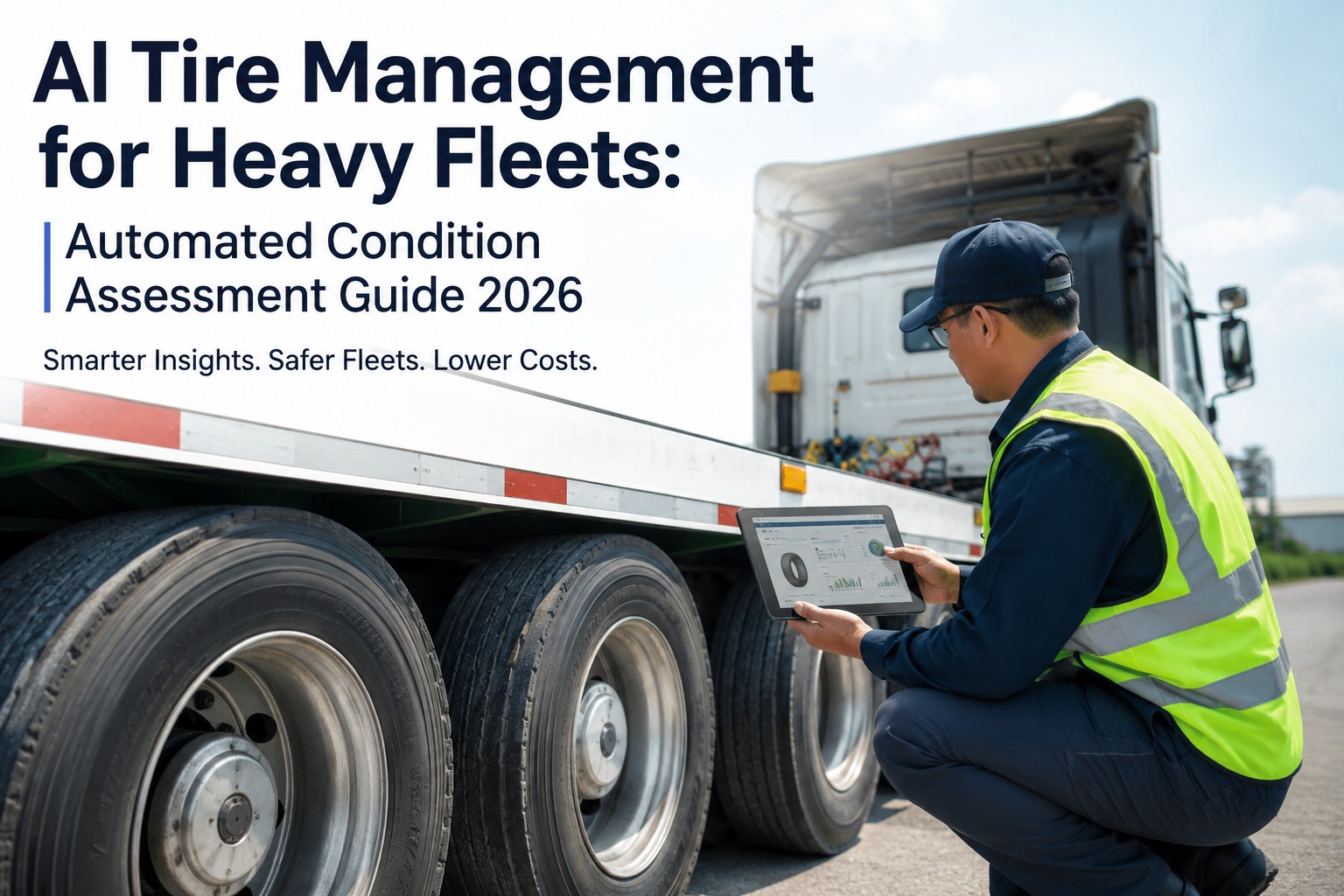
Most of these are visible on a routine tire inspection long before the plant sees them. See damage flagged against the casing's record so it's caught while it's still saveable.
"We thought our retread program was working until we actually tracked casings by serial. Turns out we were losing a third of them to rejections — almost all run-flat damage from tires nobody caught low. Once each casing had a record and the inspection flagged low pressure against it, our rejection rate fell by half in two quarters. Same program, same retreader. We were just finally protecting the asset instead of hoping."
How HVI runs tire casing management
HVI makes each casing a tracked unit with a life you can see — positions, retread cycles, damage and value, all on one record that follows the casing, not the truck. Watch a casing's record build over its life:
A record per casing
Each casing gets its own ID and history — every position it's run and every retread it's taken.
Damage flagged to the casing
Low pressure, cuts and bad repairs log against the casing so a preventable rejection gets caught early.
Retread cycles & cost
Track cycles used and left, feeding the cost-per-mile and casing-value picture in your analytics.
It lives with the rest of your tire program, so casing value shows up next to tire cost-per-mile and your retread safety inspections on the same record.
Tire casing management FAQ
What is tire casing management?
Tire casing management is treating each tire casing as a tracked asset with its own identity and history — the positions it's run, the retreads it's taken, the damage logged against it and the value it has left. The goal is to preserve casing value: retread the casings that should be retreaded, catch preventable damage before it rejects a casing, and stop scrapping carcasses that still had lives left.
How many times can a tire casing be retreaded?
A quality commercial casing can typically be retreaded two or three times, and premium casings sometimes more, as long as the casing stays sound. Each retread puts new tread on the carcass for roughly one-third to one-half the cost of a new tire. How many cycles you actually get depends on how well the casing is protected — mainly proper inflation and catching damage early.
Why is the casing worth more than the tread?
Roughly three-quarters of a tire's total cost is in the casing — the carcass, belts and plies — not the tread rubber on top. The tread is a consumable that wears away; the casing is durable goods that can carry several sets of tread over its life. That's why preserving the casing, rather than just replacing worn tread, is where the real tire savings are.
What causes a casing to be rejected for retreading?
The most common preventable cause is run-flat or underinflation damage, which overheats and breaks down the casing from the inside. Others include road-hazard cuts and punctures past the repairable limit, improper or undocumented prior repairs, belt or ply separation, sidewall damage, and age beyond the casing's service limit. Most of these are visible on routine inspection well before the retread plant sees them.
How does HVI help with tire casing management?
HVI gives each casing its own record with its ID, position history and retread cycles, and flags damage — low pressure, cuts, improper repairs — against that casing so preventable rejections get caught early. Because it lives with your inspections, maintenance and cost-per-mile analytics, casing value becomes something you can see and protect rather than a number you only find out at the retread plant.
Stop scrapping casings that still had miles left
Put tire casing management on the record with HVI — every casing's ID, positions, retread cycles and damage — so you preserve casing value, cut preventable rejections and get every lap the asset is good for.