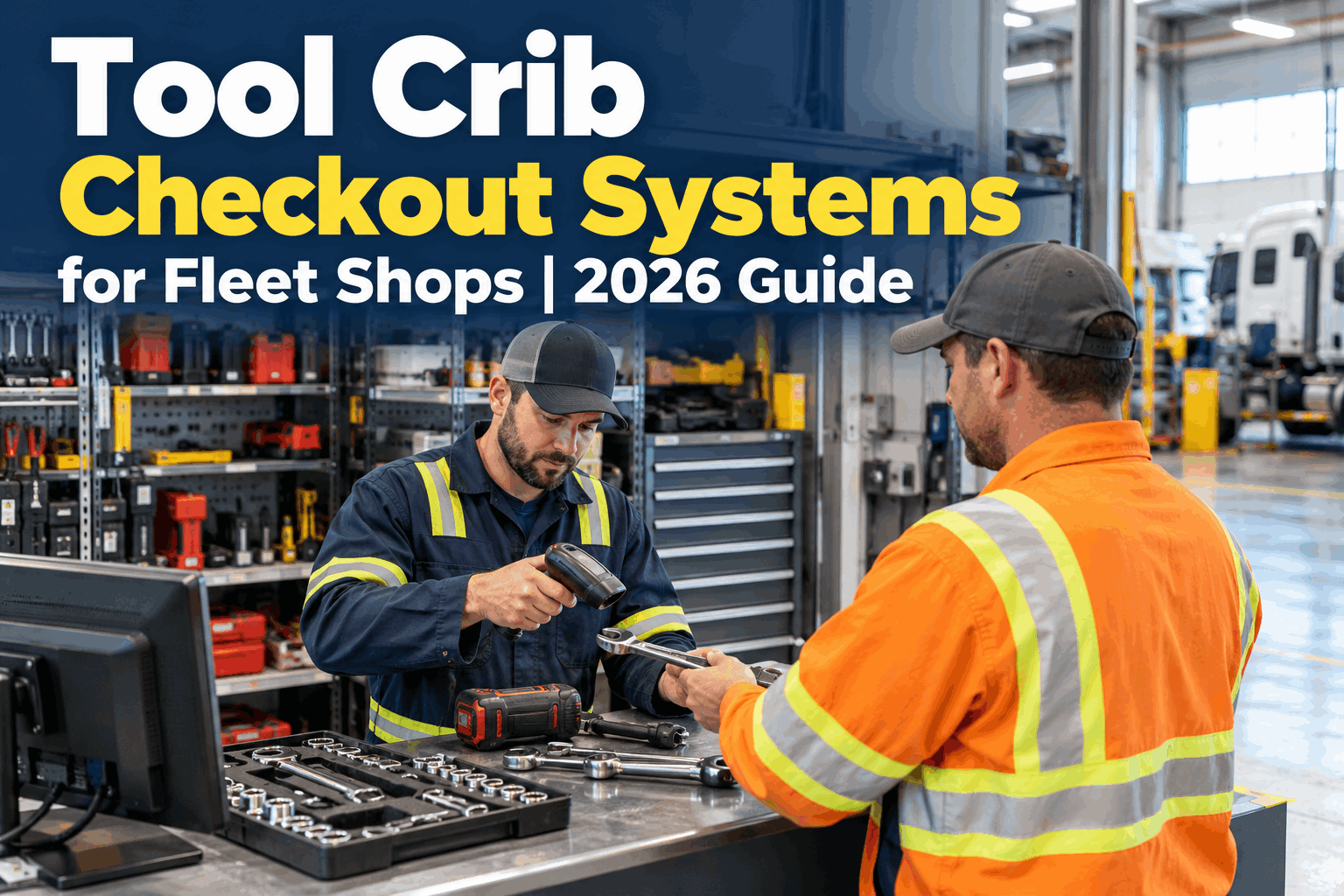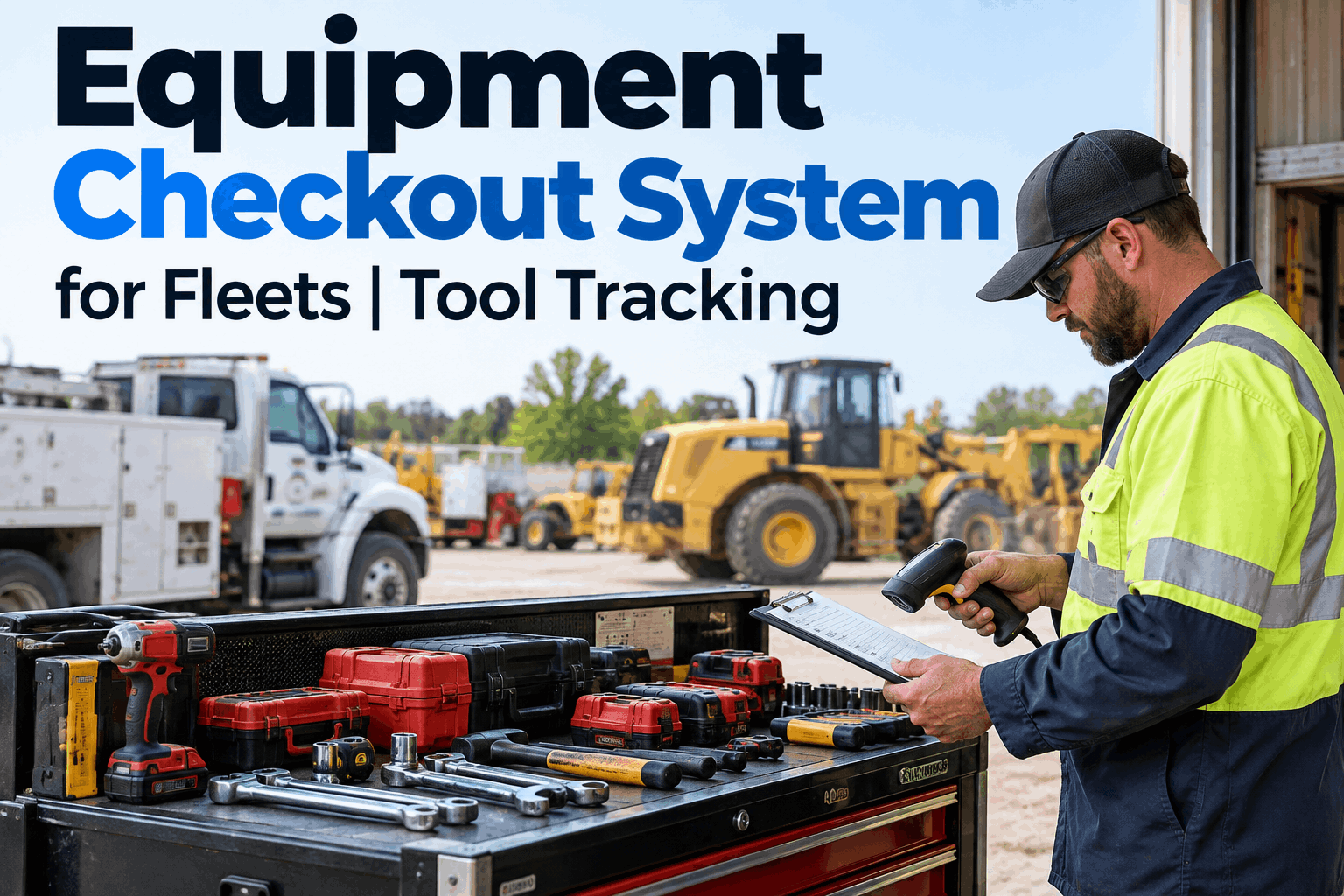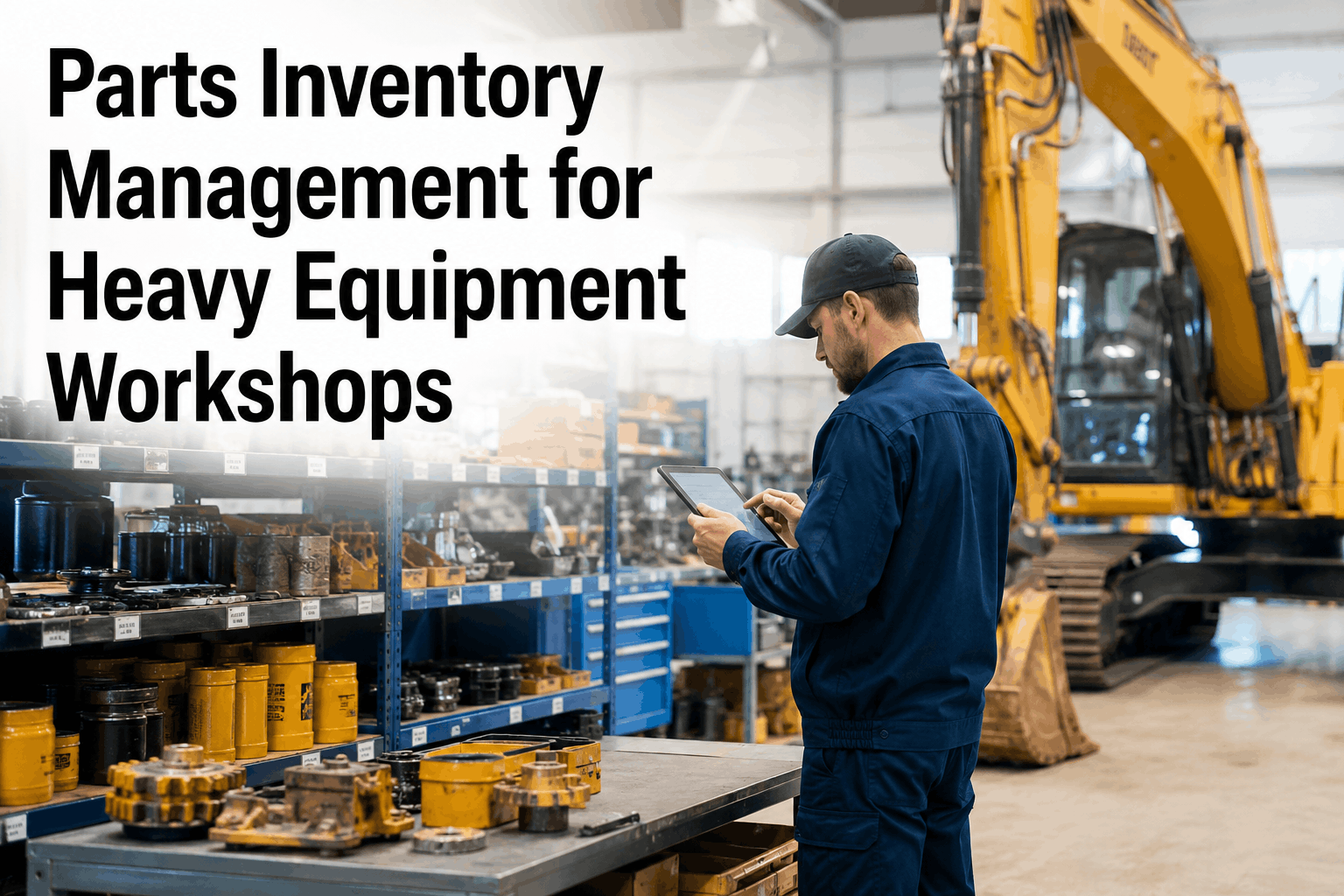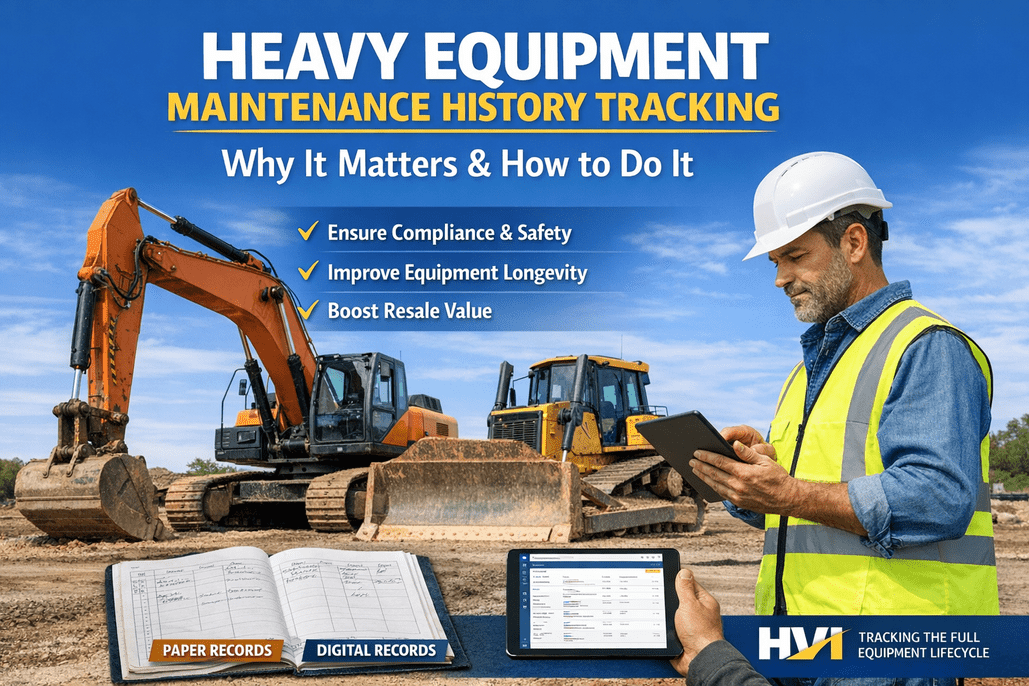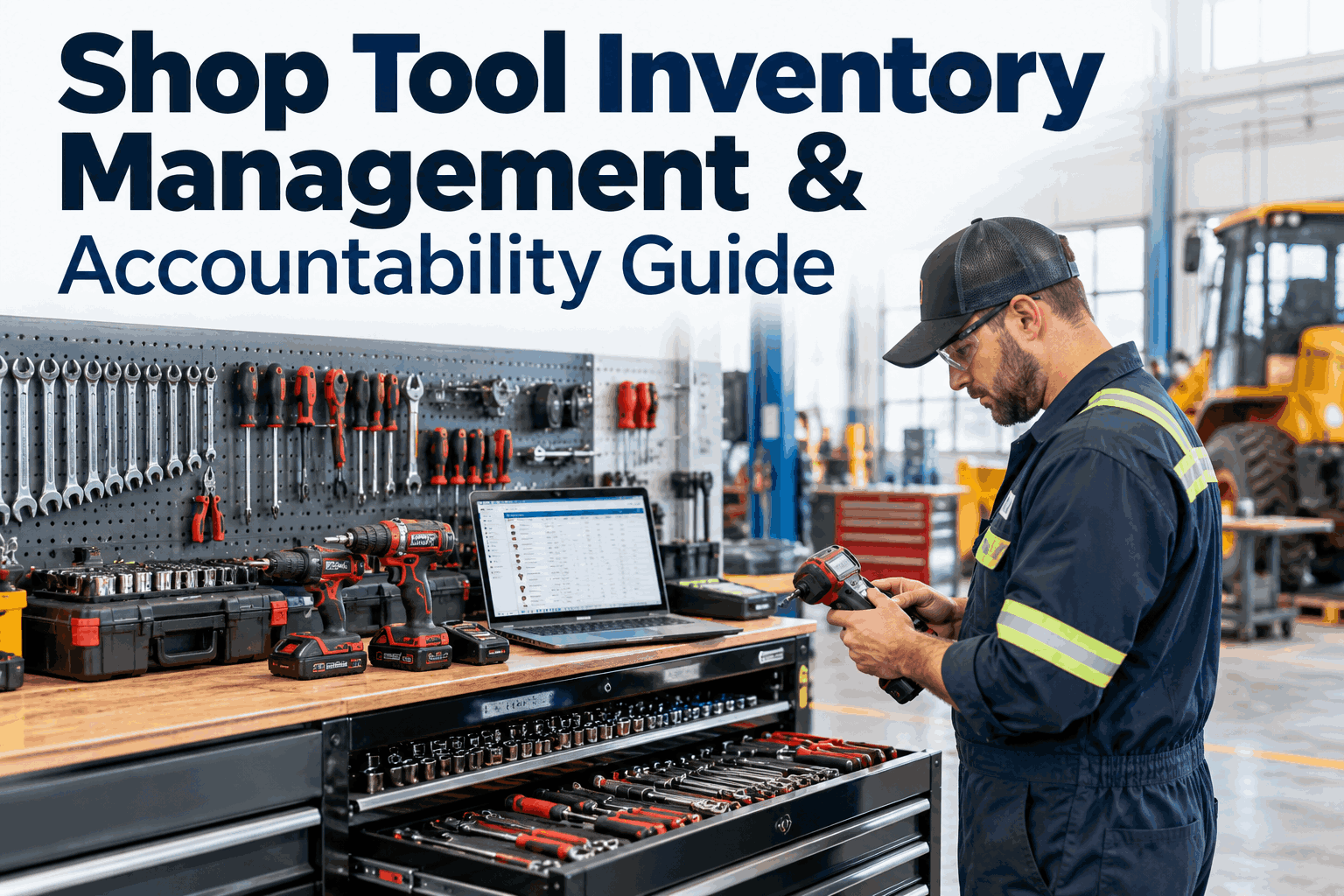
Shop tool inventory is the running answer to a simple question: what do we own, where is it, and who's responsible for it? When that answer lives in one place, a missing socket set is a flag, not a mystery. When it lives in people's heads, you are buying the same tools twice and nobody is accountable for anything. Book a demo to see your whole tool room at a glance.
Know what you own — and who's answerable for it
Shop tool inventory management is more than a list. It's a live count of every tool by location, status, and the person on the hook for it — so losses surface fast and crews are never short.
This is a practical guide to shop tool inventory management — why a tracked inventory beats a drawer and a memory, the chain that makes accountability real, what to record on every tool, how a cycle count keeps the numbers honest, and how HVI turns it all into one live tool room.
Why "we'll just remember" fails
A tool room without a system drifts. Tools get borrowed and not returned, duplicates pile up because nobody could find the first one, and the only time anyone counts is the panic before an audit. The inventory isn't wrong on purpose — it's just never actually known.
Shops typically lose 5 to 10% of their portable tool inventory a year to walk-offs, misplacement and no-record borrowing. A tracked shop tool inventory turns that slow leak into a number you can see — and stop.
The cost isn't just replacement. It's techs idle while they hunt, jobs stalled on a missing gauge, and a tool budget quietly inflated by re-buying things you already own but can't locate — waste a quick demo shows you ending.
Accountability is a chain, not a sign-out sheet
Real accountability in a shop tool inventory isn't one list — it's an unbroken chain from the tool to a person. Every item should connect to who holds it, where it is, and what state it's in, so there's always a clear answer to "who's responsible for this right now."
Break any link and accountability collapses: a tool with no assigned person is nobody's problem, and one with no location is already half-lost. Keep the chain intact and a missing item has a name attached before it's even reported — the foundation under any tool management system.
What to record on every tool
A shop tool inventory is only as useful as the fields behind each item. These are the details that turn a pile of gear into an inventory you can search, count and hold people to — enough to identify, locate and judge the condition of anything you own.
Name, serial and category — hand tools, power, test & measurement, safety — so you can group and find fast.
How many you own and how many are in right now — the gap is your out-count at a glance.
Home shelf in the crib, where it is now, and who it's assigned to — the accountability link.
Available, in use or unaccounted, plus condition and any service or calibration due date.
Condition and calibration are the fields shops skip and later regret. A torque wrench or gauge that's overdue for calibration is worse than missing — it's giving readings nobody should trust, which is why a good inventory tracks service dates the way your parts inventory tracks stock levels.
The count that keeps your numbers honest
An inventory drifts the moment it's set up — tools move, come back to the wrong shelf, or quietly leave. The fix isn't one dreaded annual count; it's small, regular cycle counts that keep the records matching reality without shutting the shop.
Count a slice
Check one category or shelf at a time on a rolling schedule — not the whole room at once.
Match to the record
Scan what's there against what the system says should be there, and flag every gap.
Resolve & adjust
Find it, recover it from whoever had it, or write it off — so the count is true again.
Cycle counting catches a loss while the trail is still warm — the tech who had it last is still on shift, not three months gone. It's the same discipline behind a clean equipment checkout system: every movement leaves a record, so the count almost takes care of itself. Book a demo to see cycle counts in action.
What good shop tool inventory looks like
The difference between a managed tool room and a chaotic one shows up in minutes, not months. Here's the contrast every maintenance manager recognizes the moment they see it.
- Nobody knows the true tool count
- Duplicates bought because the first is lost
- No idea who had the missing item last
- Calibration due dates slip unnoticed
- Counting happens once a year, in a panic
- Live totals: owned, out, in, unaccounted
- Buy only what you're genuinely short
- Every tool traces to an assigned person
- Service and calibration flagged before due
- Rolling cycle counts keep numbers true
Accountability isn't about blame — it's that a tool with a name on it gets looked after, and the tracked inventory is what puts the name there. You can start free or book a demo to see it on your own tool room.
Our tool room was a black hole. We had no real count — just drawers, a whiteboard nobody updated, and a tool budget that kept creeping up. We built a proper inventory: every tool categorized, assigned, with a location and a condition, and we run a cycle count on one section each week. Within two months I could tell you exactly what we owned, what was out and who had it. The re-buying stopped almost overnight, and the techs actually take care of gear now that it's got their name on it.
How HVI runs shop tool inventory
A spreadsheet is a snapshot that's wrong by lunchtime. HVI's tool management keeps the inventory live — every tool catalogued, assigned and counted, with its status updating itself as gear moves in and out.
One catalogued inventory
Every tool with type, serial, quantity, location and condition — grouped and searchable in seconds.
Assigned to a person
Each item traces to a holder and location, so accountability is built in, not bolted on.
Live status & counts
Totals for owned, out, in and unaccounted update automatically — so a gap is a flag, not a surprise.
It's the same connected platform behind your fleet asset management — tools, equipment and vehicles under one roof, counted and accountable by the same rules, so nothing in your shop is a guess.
Shop tool inventory management — FAQs
The questions maintenance managers ask most when getting a tool room under control
What is shop tool inventory management?
Shop tool inventory management is the practice of tracking every tool and piece of portable equipment in a shop by its identity, quantity, location, status and the person it's assigned to. Instead of a drawer and someone's memory, you keep a live record of what you own, what's checked out, what's in the crib and what's unaccounted for. Done well, it gives you an accurate count at any moment, clear accountability for each item, and early warning when something goes missing — rather than discovering losses at a once-a-year count.
How does tool inventory tracking improve accountability?
By making every tool trace to a person. When each item records who it's assigned to, where it is and its status, there's always a clear answer to "who's responsible for this right now." That chain — tool to person to location to status — means a missing item already has a name attached before anyone reports it, and people simply take better care of gear that's logged under their name. It also lets you spot a loss quickly, while the person who had it last is still on shift and the tool may still be recoverable.
What should I track for each tool?
At minimum: identity and type (name, serial, category such as hand tools, power, test & measurement or safety); quantity owned and how many are currently in; location — its home shelf in the crib and where it is now; the assigned holder; and status plus condition — available, in use or unaccounted, along with any service or calibration due date. The condition and calibration fields matter more than shops expect: a gauge or torque wrench overdue for calibration gives untrustworthy readings, so tracking service dates is as important as tracking where the tool physically sits.
What is a cycle count and why use one for tools?
A cycle count is checking a small slice of your inventory — one category or shelf — on a rolling schedule, instead of counting the entire tool room once a year. You scan what's physically there against what the system says should be there, flag any gaps, then resolve them: find the item, recover it from whoever had it, or write it off. Cycle counting keeps your records matching reality continuously without shutting the shop, and it catches losses while the trail is still warm — the tech who had the tool last is still around, not long gone.
How does HVI help manage shop tool inventory?
HVI's tool management holds every tool as an inventory item with its type, serial, quantity, location, status, condition and assigned holder, grouped into categories and searchable in seconds. It shows live totals — owned, assigned out, in the crib and unaccounted for — and updates each tool's status automatically as it's issued and returned, flagging anything not returned. Because it sits on the same platform as your asset and fleet management, tools, equipment and vehicles all live under one system of inventory and accountability, so your tool room is always a lookup rather than a guess.
Turn your tool room into a tracked inventory
Catalog every tool, assign it to a person and a place, and watch live counts of what's owned, out, in and unaccounted for. Fewer losses, no double-buying, calibration never overdue — and a straight answer to "who has it" every time you ask.