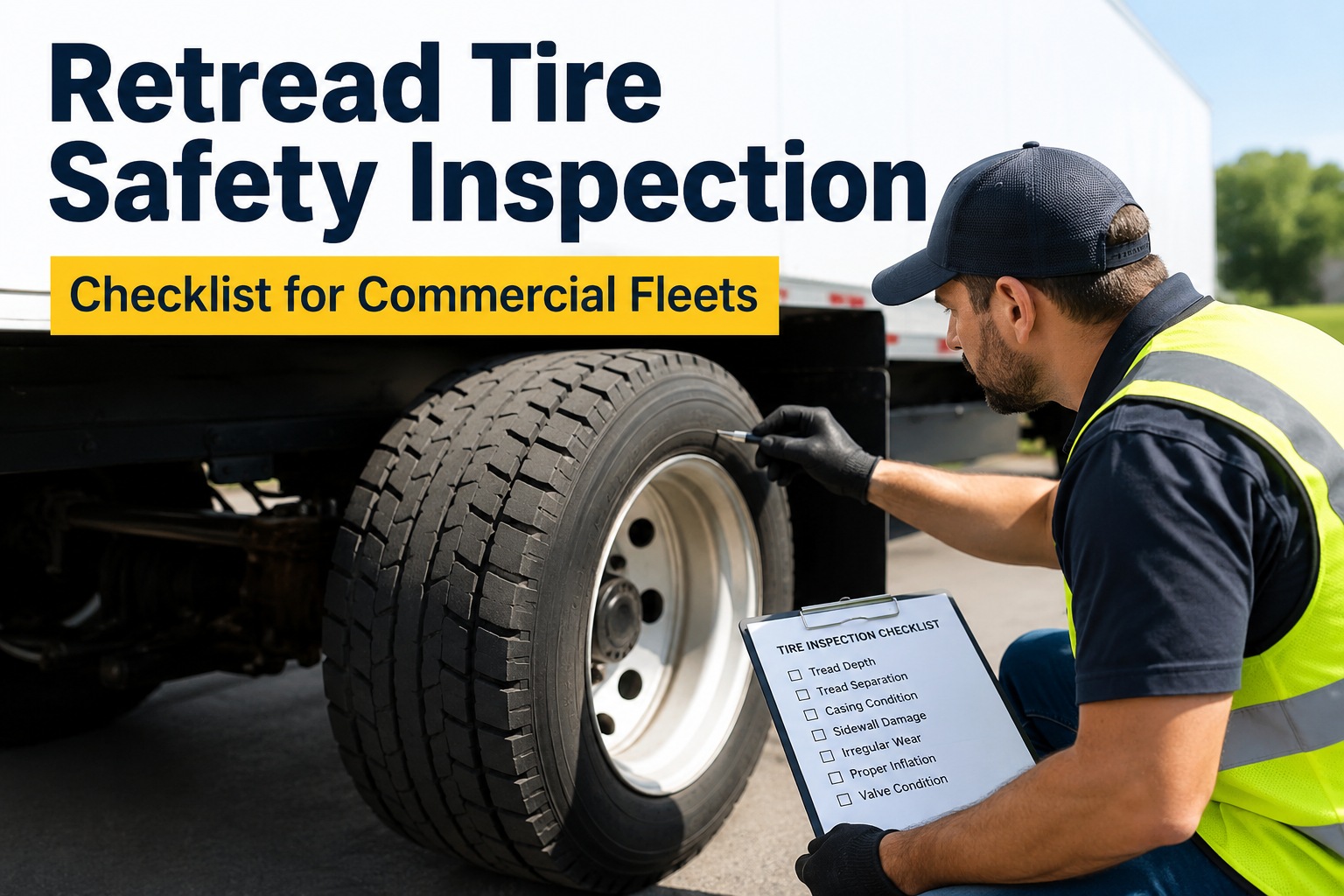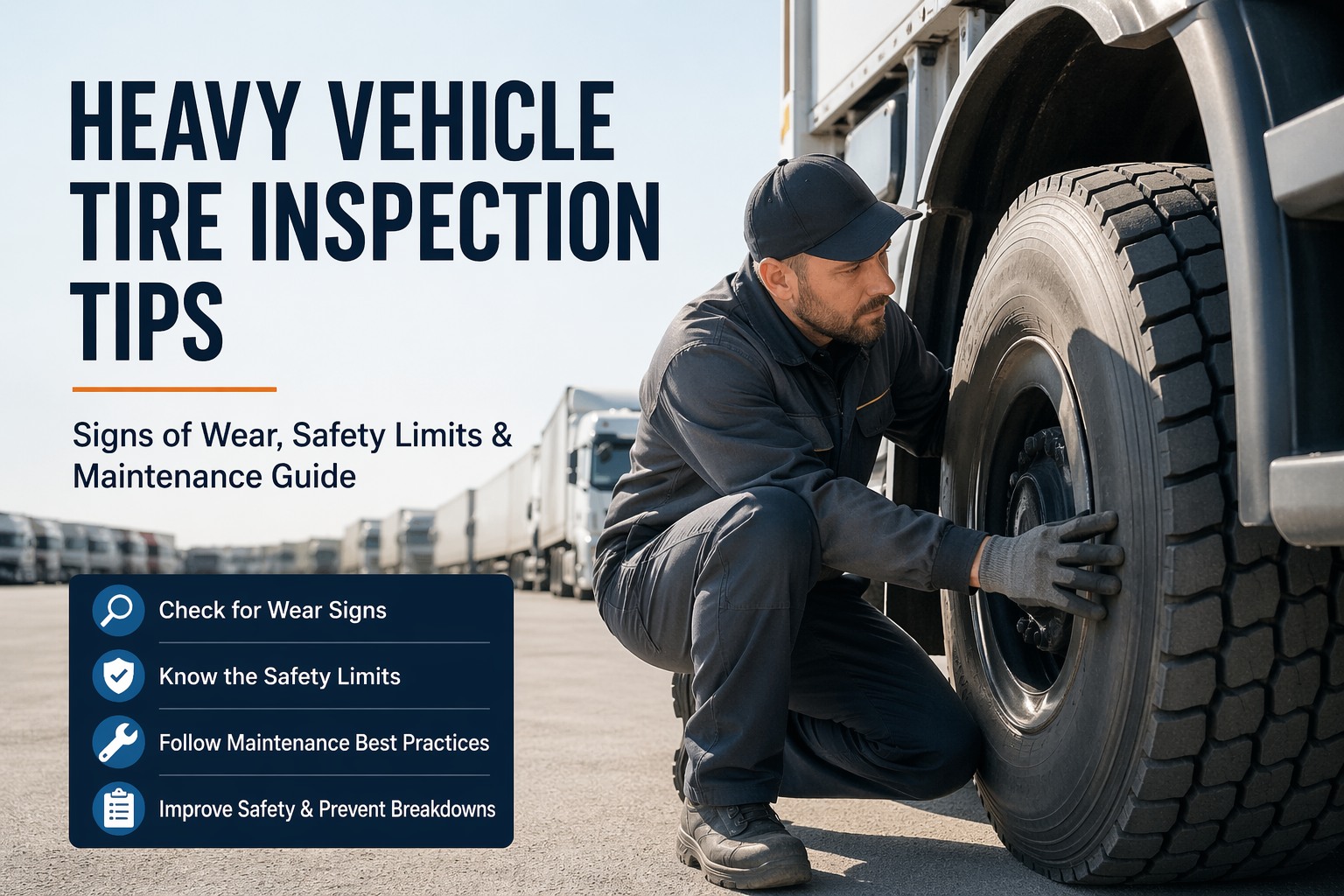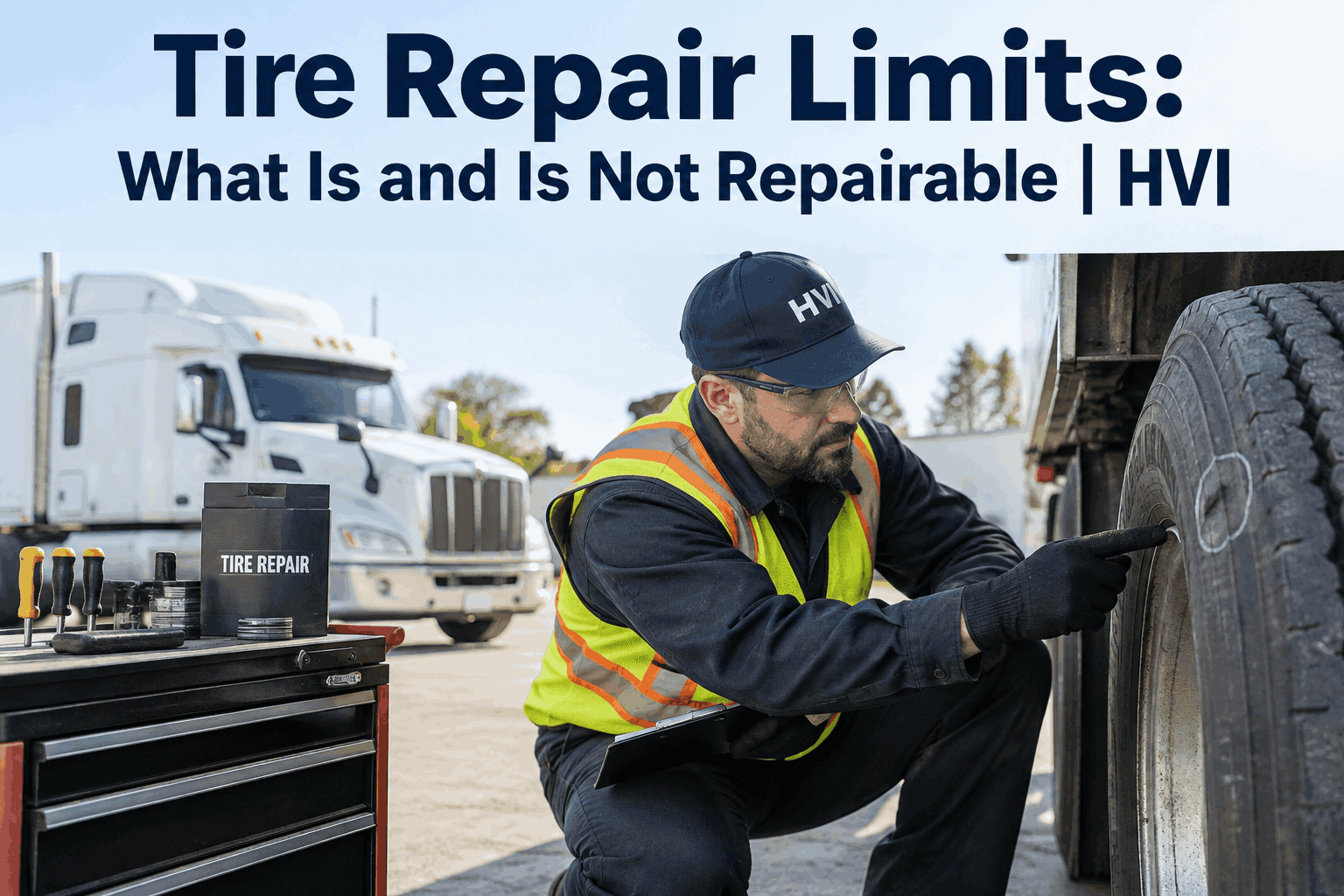
A tire with a nail in it is either a quick repair or a scrap casing — and the line between them isn't a judgment call, it's a set of rules. Tire repair limits come down to three things: where the injury is, how big it is, and how the repair is done. Get any of them wrong and you either throw away a good tire or run a structurally compromised one. For a commercial fleet, that decision happens hundreds of times a year, and every one needs the same standard. This guide covers exactly what is and isn't repairable, and why. Book a demo to see repair decisions documented by asset and wheel position.
Repairable, or Scrap the Casing?
Only the crown of the tread can be repaired — not the shoulder, not the sidewall — and only if the injury is under a quarter inch. Miss the rule and you either bin a good tire or run a compromised one. The location and size decide it, not the size of the repair bill.
- Crown — repairable
- Shoulder & sidewall — no
The reason tire repair has hard limits and not guidelines is that a tire is a pressure vessel spinning at highway speed with a load on it. A repair that fails doesn't just deflate — it can come apart. So the industry, led by the U.S. Tire Manufacturers Association (USTMA), draws firm lines around what can be safely repaired, and those lines are about the tire's structure, not the cost of a new one.
The Repairable Zone: Crown, Shoulder, Sidewall
The first question on any injured tire is location, because location alone can make a tire scrap regardless of how small the puncture is. A tire has three zones, and only one of them is repairable.
The crown (tread area)
The center of the tread — the part that contacts the road, reinforced with steel belts. Injuries here, within the central portion of the tread, are repairable because the belts support the repair and the area doesn't flex heavily.
The shoulder
The outer edge of the tread, roughly the outermost rib — about a half inch in from where the tread meets the sidewall. It flexes as the tire rolls, so a repair here won't hold. Off-limits.
The sidewall
The flexible vertical section, built from cord layers that absorb road shock, not steel belts. It flexes constantly and carries the most stress — a repair here weakens the casing and will fail. Never repairable.
The dividing principle is flex versus support. The crown is backed by steel belts and stays relatively flat; the shoulder and sidewall flex with every rotation, and no patch survives that movement for long. That's why a puncture an inch to the left can be a routine fix and an inch to the right is a scrap tire — same nail, completely different outcome. Book a demo to see injury location recorded per tire.
The Size Limit — and the Other Disqualifiers
Even a perfectly located crown injury isn't automatically repairable. Size and condition set additional limits, and any one of them can send a tire to scrap.
An injury a quarter inch (6 mm) or larger in diameter is not repairable, even in the crown. Above that size, a repair can't reliably restore the tire's integrity.
A tire worn to the legal minimum — around 2/32" tread remaining — isn't worth repairing. It's near the end of its life regardless of the injury.
Repairs that would overlap an existing one, or a casing with too many prior repairs, disqualify the tire. Each repair is a compromise the casing can only take so much of.
A tire run underinflated or flat, or one with internal casing damage found on inspection, is scrap — the hidden damage matters more than the visible puncture.
The run-flat case is the one that catches fleets out: a tire driven even a short distance deflated can suffer internal damage that makes a visibly small puncture unrepairable. This is why driving on a flat to "save the tire" usually destroys it — the sidewall gets pinched between rim and road, extending the damage beyond any repairable zone. Start free and flag run-flat and repeat-repair history per tire.
Why a Plug-Only Repair Isn't a Real Repair
Even when a tire passes on location and size, the repair method decides whether it's actually fixed or just temporarily sealed. This is where a lot of "repaired" tires are quietly unsafe — and where USTMA guidance is unambiguous.
Plug-only / outside-in
A plug pushed in from the outside without removing the tire is not a permanent repair. It doesn't seal the inner liner, doesn't allow internal inspection, and can let air and moisture into the casing — a roadside get-you-home fix at most, not a repair to return to service.
Dismount, inspect, plug + patch
Remove the tire from the wheel, inspect the casing internally, then repair with a combination plug-and-patch that fills the injury channel and seals the inner liner. This is the only method that restores the tire properly — and it requires taking the tire off the rim.
The reason the tire has to come off the wheel isn't bureaucracy — it's that you can't judge repairability from the outside. Internal damage, a second injury, or belt separation only shows on the inside of the casing, and a plug from the outside skips that inspection entirely. A repair you can do without dismounting is, by definition, not the repair the standard calls for. Book a demo to see the internal inspection recorded.
Commercial Truck & Bus Tires Play by Different Rules
Here's where fleets can't just apply passenger-car advice: commercial truck and bus tires can have different, often stricter, repair limits — and the manufacturer's own policy can tighten them further.
Different limits by tire type
Commercial truck and bus tires carry heavier loads and different construction, so their repairable injury sizes and areas can differ from passenger and light-truck tires. Apply the guidance for the tire type in front of you, not a generic rule.
Manufacturer policy adds restrictions
Tire makers set their own repair policies, and an improper repair can void the warranty or casing coverage — which matters for retreadable commercial casings. Check the manufacturer's policy alongside the industry standard.
For a fleet running retreadable commercial casings, this cuts both ways: a correct repair protects a valuable casing for retreading, while an improper one can scrap the casing and void coverage. The repairability decision isn't just about this tire's next few thousand miles — it's about the casing's whole retread life. That's why the standard and the manufacturer policy both belong in the decision. Start free and track casing repair history for retreading.
How HVI Documents the Repair Decision
Repair limits only protect a fleet if they're applied consistently and recorded — a decision made right but never documented can't be defended, and a pattern of tire problems can't be seen. Three capabilities close that gap.
Condition by asset & wheel position
Every tire's injury, repair decision, and history logged against the vehicle and the specific wheel position — with photo evidence of the injury and the call — so the record follows the tire and the position.
Defect routing & repair history
An unrepairable or flagged tire routes to action, and every repair, retread, and replacement stays on the tire's record — so overlapping repairs and prior history are visible before the next decision.
Cost analysis & repeat-problem data
Trend tire spend and failures by position and unit — so the wheel position eating tires, or the truck with a recurring problem, shows up as data pointing at an alignment, load, or road-condition cause.
The result is that tire decisions stop being one tech's call in the bay and become a consistent, documented, analyzable part of the fleet's tire program. The repairability standard is applied the same way every time, the history is on the record, and the recurring problems surface as cost data — so you fix causes, not just tires. Book a demo to see it on your tire program. Start free and put tire decisions on the record.
From a tire manager who standardized the repair call
Different techs were making different calls on the same injury — one would repair a shoulder puncture, another would scrap it, and we had no record either way. That's a safety and a cost problem at once. We put the USTMA limits into the tire inspection with photos, logged by wheel position, and now the call is consistent and on the record. The bonus was cost data showing one trailer position eating tires from a bad alignment.
Frequently asked questions
What part of a tire can be repaired?
Only the crown — the center of the tread area that contacts the road and is reinforced with steel belts. Injuries within the central portion of the tread are repairable. The shoulder (the outer edge of the tread, roughly the outermost rib) and the sidewall are not repairable, because those areas flex heavily as the tire rolls and a repair won't hold. Under USTMA guidance, any puncture or cut outside the tread contact area renders the tire scrap. The dividing principle is belt support versus flex.
How big a puncture can be repaired?
An injury up to a quarter inch (6 mm) in diameter can be repaired if it's in the crown and meets the other criteria. A puncture a quarter inch or larger is not repairable, even in the tread area, because a repair can't reliably restore the tire's integrity above that size. Size is only one factor, though — location, tire wear, prior overlapping repairs, and internal damage all matter, and any one of them can make an otherwise small, well-located puncture unrepairable.
Is a plug-only tire repair acceptable?
No. Under USTMA guidance, a plug-only or outside-in repair — pushing a plug in without removing the tire — is not an acceptable permanent repair. It doesn't seal the inner liner, doesn't allow inspection of the casing interior, and can let air and moisture into the tire. The correct method is to dismount the tire, inspect it internally, and repair with a combination plug-and-patch that fills the injury channel and seals the liner. A repair that skips removing the tire from the wheel skips the required internal inspection.
Why must a tire be removed from the wheel to repair it?
Because repairability can't be judged from the outside. Removing the tire lets a technician inspect the inside of the casing for internal damage, belt separation, a second injury, or signs the tire was run underinflated — none of which are visible externally. A puncture that looks small and well-located on the outside may sit above hidden internal damage that makes the tire scrap. Dismounting is also required to install a proper plug-and-patch repair that seals the inner liner, which an outside-in plug can't do.
Are truck tire repair limits different from car tires?
They can be. Commercial truck and bus tires carry heavier loads and are built differently, so their repairable areas and injury-size limits can differ from passenger and light-truck tires — often stricter. On top of the industry standard, each tire manufacturer sets its own repair policy, and an improper repair can void the warranty or casing coverage, which matters for retreadable commercial casings. Fleets should apply the guidance for the specific tire type and check the manufacturer's policy, rather than using a single generic rule across every tire.
Make Every Tire Repair Call Consistent and On the Record
Put the repair limits into the tire inspection, document each decision by asset and wheel position with photo evidence, route unrepairable tires to action, and analyze cost and repeat failures — so the repairable-or-scrap call is the same every time, defensible after, and the tire-eating positions finally show themselves. Live in under two weeks, trusted by 25,000+ users worldwide.
No credit card · No hardware · Tire inspection templates ready on day one