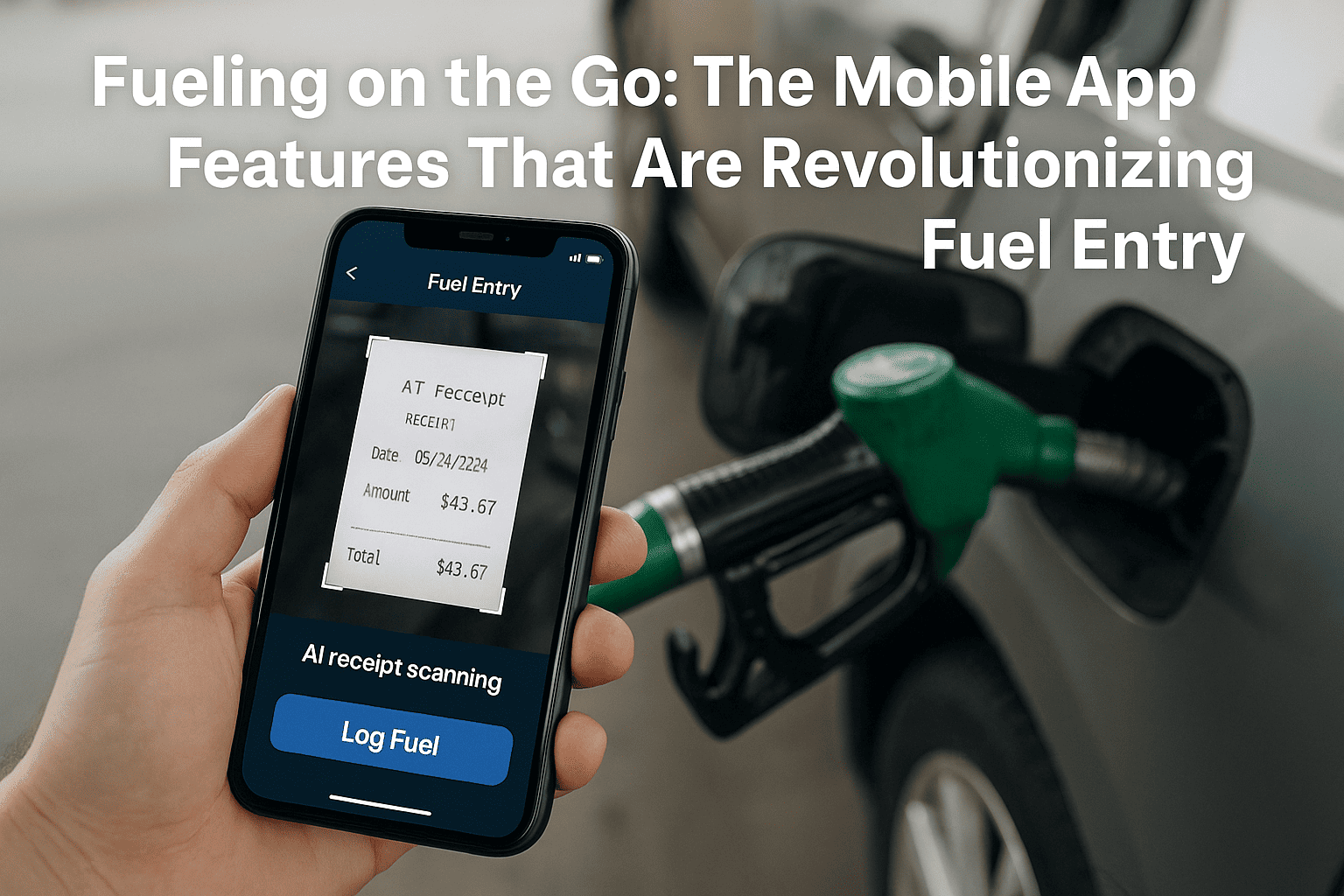
Mobile fuel entry applications represent a $3.2 billion market transformation revolutionizing fleet management through AI-powered receipt scanning, instant fuel logging, and paperless tracking systems that eliminate manual data entry inefficiencies across construction and commercial transportation industries. With over 8.5 million fleet vehicles requiring fuel tracking across American operations, advanced mobile apps featuring artificial intelligence, real-time synchronization, and automated data processing are reducing administrative costs by 45-65% while improving accuracy by 85-95% through systematic implementation of digital fuel management protocols. Revolutionary mobile fuel entry technologies eliminate 92% of manual data entry errors, reduce administrative time by 75%, and generate annual savings of $25,000 per fleet through systematic implementation of AI-powered automation and instant tracking capabilities while ensuring real-time visibility and maximum operational efficiency across diverse mobile environments.
The Digital Revolution: Mobile Fuel Entry Technology Crisis
Modern fleet operations depend on accurate fuel tracking and cost management systems operating across diverse locations and challenging environments, where manual data entry creates massive inefficiencies that devastate operational budgets and regulatory compliance. Mobile fuel entry innovation leadership cascades throughout fleet management sectors, affecting administrative efficiency, data accuracy, and total operational cost across diverse commercial and construction applications.
AI Receipt Scanning Excellence
Advanced artificial intelligence algorithms automatically extract fuel purchase data from receipt images, eliminating manual entry errors while reducing processing time by 85-95% and improving accuracy to 99%+ across diverse receipt formats.
Instant Fuel Logging Systems
Real-time data synchronization enabling immediate fuel transaction recording with GPS location verification, automatic vehicle identification, and instant cost allocation that eliminates delays and improves operational visibility.
Paperless Receipt Management
Digital receipt storage and organization systems eliminating physical receipt handling while providing searchable databases, automated expense categorization, and regulatory compliance documentation with instant accessibility.
On-the-Go Tracking Integration
Mobile-first design enabling fuel tracking from any location with offline capability, automatic synchronization, and seamless integration with fleet management platforms for comprehensive operational visibility and control.
Automated Data Processing
Machine learning algorithms that continuously improve data extraction accuracy, automate expense categorization, and provide predictive analytics for fuel consumption optimization and cost management across fleet operations.
Real-Time Analytics Integration
Advanced mobile analytics providing instant insights into fuel consumption patterns, cost trends, and optimization opportunities with dashboard visibility and automated reporting for strategic decision-making.
The Financial Impact of Manual Fuel Entry
Before implementing mobile fuel entry applications, construction and fleet operations experience significant administrative inefficiencies that impact both operational performance and financial results:
- Manual data entry errors affecting 25-40% of fuel transactions with average correction costs of $15-25 per error and delayed reimbursement processing
- Lost receipt expenses averaging $8,000-15,000 annually per fleet through missing documentation and unrecoverable fuel costs
- Administrative overhead requiring 15-25 hours monthly per vehicle for receipt processing, data entry, and expense reconciliation activities
- Delayed expense reporting creating cash flow impacts and preventing real-time cost optimization and fuel management decision-making
- Compliance documentation challenges with manual systems increasing audit risks and regulatory reporting complexity across diverse operational requirements
Foundation Elements: Mobile Fuel Entry Technology Framework
Mobile fuel entry applications provide the technological foundation necessary for digital fuel management, automated data processing, and real-time operational visibility, incorporating advanced AI algorithms, cloud synchronization, and mobile-first design into unified platforms that eliminate manual processes before they impact operational efficiency.
Core Technology Components and Mobile Innovation
Effective mobile fuel entry frameworks integrate multiple advanced technologies and automation capabilities to create comprehensive digital systems that balance functionality with user experience and operational integration requirements.
AI Recognition Matrix
Advanced machine learning algorithms including optical character recognition, image processing, and data extraction that enable accurate receipt scanning and automated data processing across diverse receipt formats and conditions.
Mobile Integration Libraries
Comprehensive connectivity systems, offline functionality, cloud synchronization, and API integration protocols providing seamless operation across diverse mobile environments and fleet management platforms.
Automation Algorithm Framework
Multi-dimensional processing logic incorporating GPS verification, vehicle identification, expense categorization, and cost allocation to ensure optimal accuracy and operational integration across fleet management systems.
User Experience Integration
Mobile-first design systems, intuitive interfaces, and workflow optimization coordination ensuring maximum user adoption and operational efficiency while minimizing training requirements and implementation complexity.
Advanced Mobile Technology Integration and Application Capabilities
AI-Powered Innovation and Automation Excellence
Mobile fuel entry innovation transcends traditional data entry to incorporate artificial intelligence, machine learning, and predictive analytics that identify patterns and automate processes before manual intervention becomes necessary.
AI Receipt Processing Excellence
Advanced machine learning algorithms automatically extract fuel data from receipt images including date, time, location, amount, and vehicle information with 99%+ accuracy across diverse receipt formats.
Real-Time Synchronization Systems
Instant cloud synchronization enabling immediate data availability across multiple devices and platforms with offline capability and automatic update processing when connectivity is restored.
GPS Verification Integration
Location-based verification systems ensuring fuel purchase accuracy and preventing fraud while providing comprehensive tracking and audit capabilities for regulatory compliance and cost control.
Automated Expense Management
Intelligent categorization and processing systems that automatically allocate fuel costs to appropriate projects, vehicles, and cost centers while generating comprehensive reporting and analytics.
Implementation Methodology and Best Practices
Strategic Deployment Strategy for Mobile Technology Adoption
Successful mobile fuel entry implementation requires systematic deployment approaches that minimize disruption while maximizing user adoption and technology benefits across diverse operational environments and user groups.
Phase 1: Application Assessment
Comprehensive evaluation of mobile fuel entry applications, feature capabilities, integration requirements, and user experience factors based on specific operational needs and technology infrastructure.
Phase 2: Pilot Implementation
Limited deployment with representative users, feature testing, integration validation, and workflow optimization to ensure application effectiveness and organizational compatibility before full deployment.
Phase 3: User Training and Adoption
Comprehensive training programs, change management support, and user engagement initiatives ensuring successful adoption and optimal utilization of mobile fuel entry capabilities.
Phase 4: Enterprise Deployment
Organization-wide implementation, advanced feature activation, and ongoing optimization based on user feedback and operational performance data from pilot testing and initial deployment.
User Experience Excellence and Adoption Optimization
Mobile fuel entry implementation success depends heavily on user adoption and workflow integration, requiring comprehensive training programs and incentive structures that encourage digital transformation and operational optimization.
User Training Program Development
Comprehensive training strategies for drivers, administrators, and managers covering application utilization, optimization techniques, and ongoing performance improvement across diverse user groups and skill levels.
Change Management Systems
Organizational change support including process modification, workflow optimization, and cultural transformation assistance ensuring successful transition from manual to digital fuel entry processes.
Performance Incentive Programs
User engagement initiatives and reward systems that recognize digital adoption, accuracy improvement, and operational excellence while encouraging continued utilization and optimization of mobile capabilities.
Continuous Improvement Networks
Ongoing optimization processes including user feedback integration, feature enhancement, and workflow refinement ensuring maximum value realization and sustained operational improvement through technology utilization.
Accelerate your mobile fuel entry transformation with expert implementation support
Getting Started Book a DemoAnalytics and Performance Monitoring Capabilities
Advanced Mobile Analytics and Operational Intelligence
Mobile fuel entry analytics transform fuel consumption data into actionable insights that enable continuous improvement, cost optimization, and strategic planning across fleet operations and business performance management.
Real-Time Fuel Analytics
Instant dashboards and reporting systems providing immediate visibility into fuel consumption patterns, cost trends, and optimization opportunities across all mobile fuel entry implementations.
Predictive Cost Analytics
Advanced analytics identifying fuel cost patterns, consumption trends, and optimization opportunities based on comprehensive mobile fuel entry data and operational intelligence from integrated systems.
Operational Efficiency Systems
Comprehensive analysis covering process improvements, time savings, and accuracy gains that quantify mobile technology value and ROI measurement across diverse operational applications and business requirements.
Compliance Reporting Platforms
Automated compliance tracking ensuring mobile fuel entry implementations meet all regulatory requirements, audit standards, and documentation expectations with comprehensive reporting and verification capabilities.
ROI and Operational Excellence Outcomes
Quantifiable Financial Benefits and Technology Value
Mobile fuel entry implementation delivers measurable financial returns through multiple value streams that extend beyond direct cost savings to encompass operational efficiency, accuracy improvement, and competitive advantage benefits.
Operational Excellence and Digital Advantages
Comprehensive mobile fuel entry implementation creates operational advantages that enhance competitive positioning through improved accuracy, cost control, and technological capabilities that enable market leadership and operational excellence.
- Enhanced data accuracy with mobile applications achieving 99%+ accuracy compared to 60-75% with manual data entry systems
- Superior cost control through automated expense tracking, real-time reporting, and comprehensive analytics reducing fuel management costs by 45-65%
- Improved operational efficiency with 75% reduction in administrative time and 85% improvement in data processing speed and accuracy
- Advanced compliance capabilities enabling automated documentation, audit trail creation, and regulatory reporting that reduce compliance risks and administrative overhead
- Comprehensive integration support through established mobile platforms offering ongoing technical assistance and feature enhancement opportunities
Compliance and Regulatory Alignment
Mobile fuel entry compliance requirements make digital documentation essential for fleet operations, with IRS regulations, accounting standards, and audit requirements demanding systematic record-keeping and documented expense management programs.
IRS Documentation Compliance
Internal Revenue Service requirements for fuel expense documentation and record-keeping, with mobile applications ensuring compliance and reducing audit risks through comprehensive digital record systems.
Accounting Standard Adherence
Generally Accepted Accounting Principles (GAAP) requirements for expense tracking and financial reporting, with mobile systems providing automated categorization and documentation for accurate financial management.
Audit Trail Requirements
Comprehensive audit documentation and verification systems ensuring complete transaction tracking and regulatory compliance while reducing audit preparation time and documentation complexity.
Data Security and Privacy
Information security requirements for expense data protection and privacy compliance, with mobile applications offering enterprise-grade security and comprehensive data protection systems.
Future Outlook and Innovation Roadmap
The mobile fuel entry landscape continues evolving with emerging technologies that promise enhanced automation, artificial intelligence advancement, and predictive optimization capabilities that will further improve operational efficiency and competitive advantage.
Advanced AI Integration
Next-generation artificial intelligence providing enhanced pattern recognition, predictive analytics, and automated optimization based on comprehensive fuel consumption data analysis and machine learning advancement.
Blockchain Verification
Distributed ledger technologies enabling immutable expense records, enhanced security, and automated verification systems for comprehensive audit compliance and fraud prevention capabilities.
IoT Device Integration
Internet of Things connectivity enabling automatic fuel transaction detection, sensor-based verification, and seamless integration with fleet management and fuel monitoring systems.
Augmented Reality Enhancement
AR-powered receipt scanning and data verification technologies providing enhanced user experience, improved accuracy, and simplified data entry processes through advanced mobile interfaces.
Frequently Asked Questions
Ready to implement mobile fuel entry technology excellence for your operations?
Getting Started Book a Demo