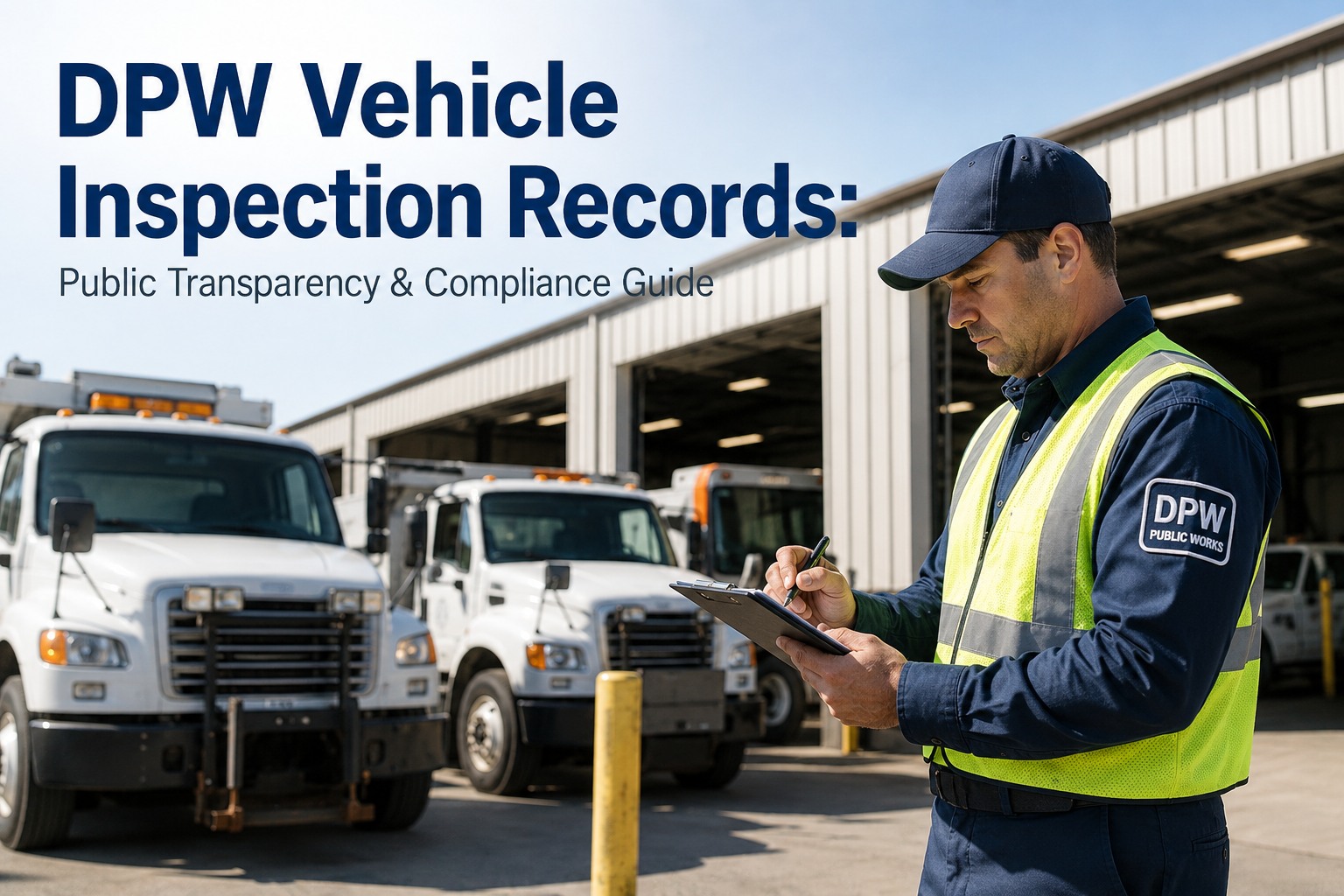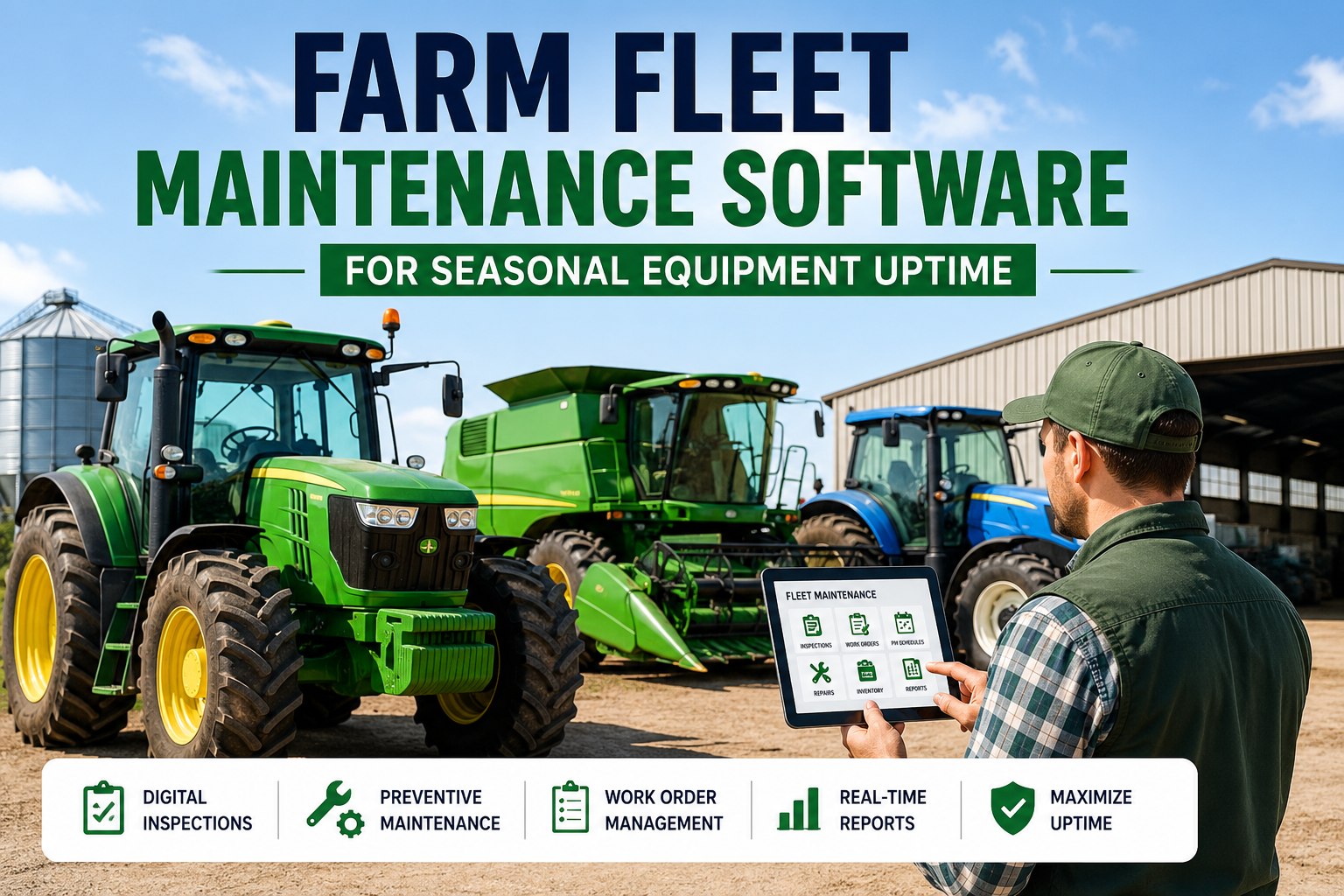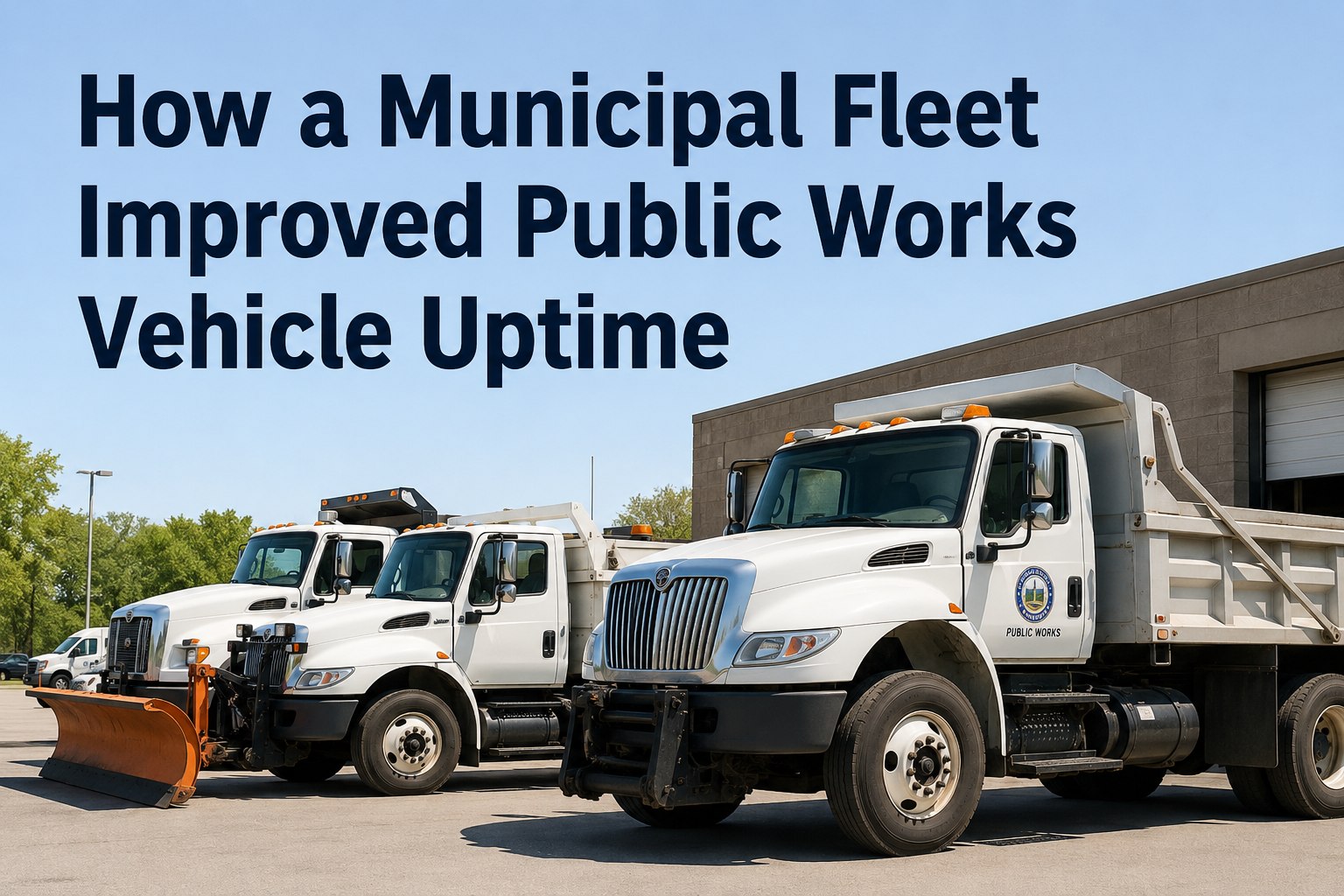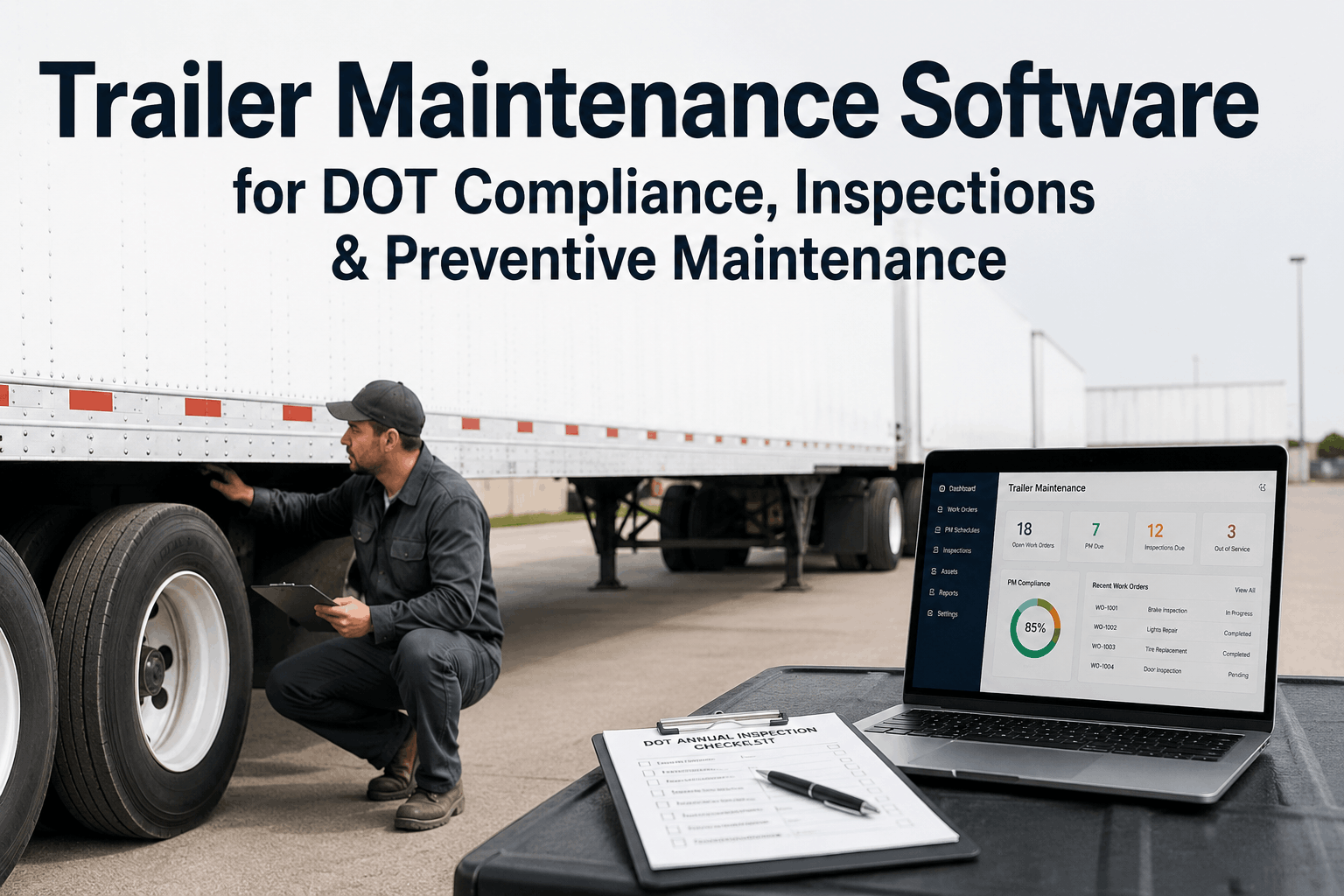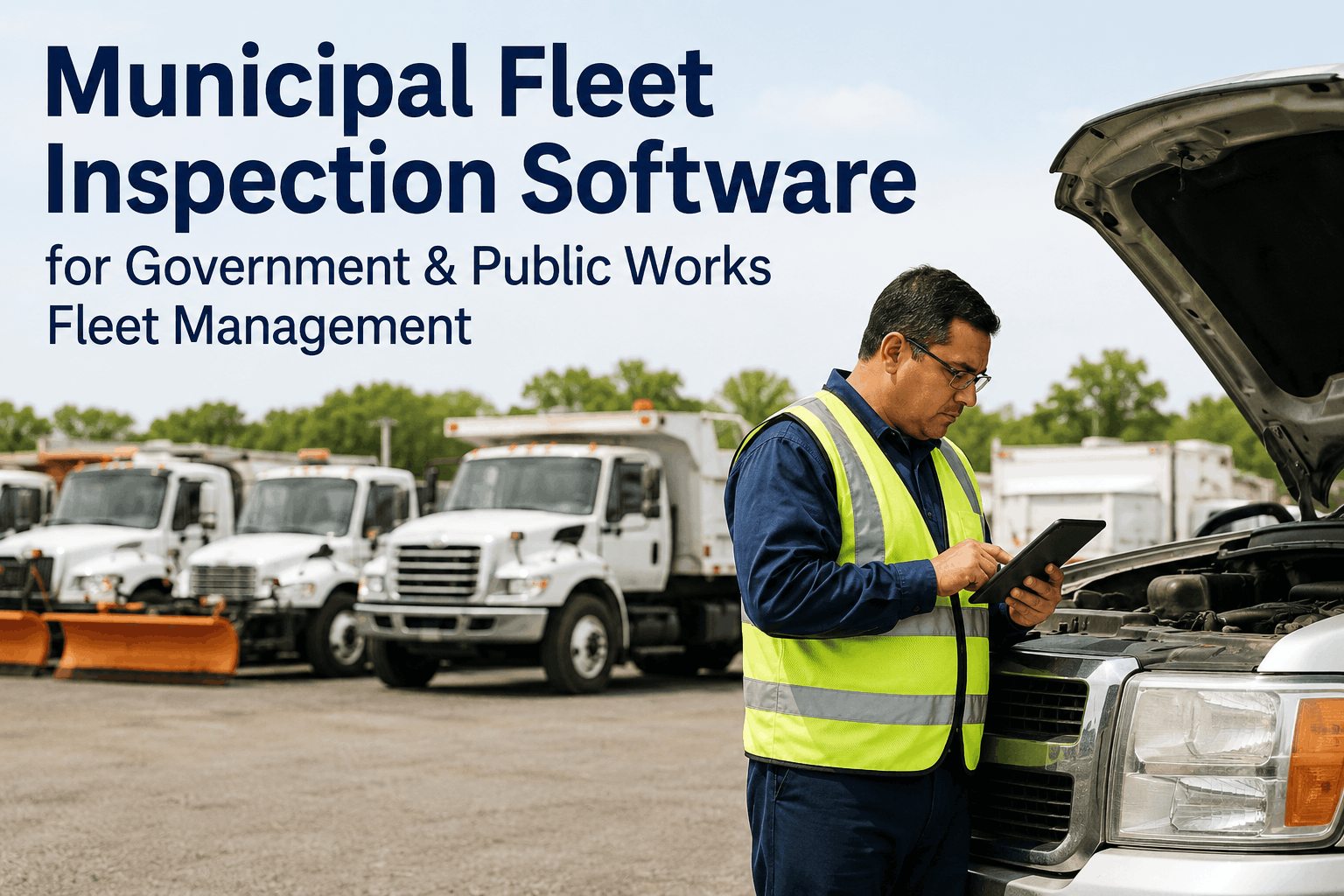
A municipal fleet is unlike any other operation on the road. The snow plow clearing streets at 4 AM, the sewer vacuum truck responding to a main break, the ambulance that has to arrive in under four minutes, the parks mower, the building inspector's sedan — they share a garage, a budget line, and a single overworked fleet manager, but almost nothing else. They don't generate revenue; they deliver public services citizens depend on, which means every dollar is taxpayer money subject to audit, FOIA request, and a budget hearing where you have to prove what you spent and why. Yet roughly 91% of municipal fleet managers still track all of it on spreadsheets, paper logs, and disconnected tools never built for public accountability — and the result is predictable: a single missed emissions deadline that turns into $45,000+ in fines, a snow plow down during a storm because a part wasn't on the shelf, an audit that eats a week of staff time. Municipal fleet inspection software exists to close that gap — turning paper inspections, scattered work orders, and shelf-guesswork parts inventory into one auditable system built for the realities of government fleet management. This page breaks down what makes public-sector fleets different and how the right system keeps aging vehicles running, compliance airtight, and every expense defensible.
Why Government Fleets Play by Different Rules
The pressures on a municipal fleet manager don't exist in the private sector the same way. Four realities shape every decision — and every one of them is harder to manage on paper.
Public Accountability
Every expense is taxpayer money — open to audit, FOIA, and council scrutiny. Decisions must be defensible with data, not opinion.
Stacked Compliance
FMCSA DVIRs and annual inspections, EPA emissions, OSHA shop rules, plus state and local schedules that differ by jurisdiction.
Aging Assets
Average government vehicle age runs ~7.4 years, nearly double the private sector, with procurement delays stretching 2+ years.
Fixed Budgets
Annual budgets reset hard. When a critical truck fails mid-year, there's no flexible fund to pull from — every cost is forecast and defended.
The Cost of Running on Paper
The reliance on spreadsheets and paper logs isn't a minor inefficiency for a public fleet — it carries hard, documented numbers. Here's what the paper status quo actually costs.
The Parts Problem Nobody Budgets For
Here's the trap unique to aging public fleets: the older the vehicle, the harder the part is to find — and the longer it sits waiting. A plow down for a week mid-storm because the hydraulic fitting wasn't on the shelf is a parts-inventory failure dressed up as a maintenance one. Connecting parts inventory to inspections and work orders is where uptime is actually won.
Shelf guesswork
Connected parts & inventory
One System, Every Vehicle Type
A municipal fleet isn't one fleet — it's a dozen mini-fleets under one roof, each with different inspection needs. The right software handles them all on a single platform instead of a spreadsheet per department.
Public Works
Plows, dump trucks, sweepers, sewer vacuum trucks
Emergency
Fire apparatus, ambulances, police cruisers
Sanitation
Refuse trucks, recycling haulers, roll-offs
Parks & Grounds
Mowers, utility vehicles, light equipment
Admin & Inspection
Light-duty sedans, vans, field vehicles
Utilities & Transit
Water trucks, bucket trucks, buses
From Inspection to Audit-Ready in One Flow
The payoff of a connected system is that compliance stops being a separate task you do at year-end and becomes a byproduct of daily work. Here's how a single defect moves through the system.
Digital Inspection
Operator completes a mobile DVIR or pre-trip check; a defect is flagged with photo and severity, timestamped automatically.
Work Order + Parts
A work order generates, checks parts availability, and routes to the shop — no re-keying, no lost paper slip.
Compliance Logged
The inspection, repair, and part used record against the asset and the DOT/EPA calendar automatically.
Audit Package Ready
FOIA request or council hearing? The full history exports in minutes instead of days of digging through binders.
Built for the Fleet That Answers to Everyone
Digital inspections for every vehicle type, an automated compliance calendar for DOT, EPA and local deadlines, connected parts inventory, and council-ready reports. Keep aging assets running and every expense defensible. Trusted by 25,000+ users worldwide.