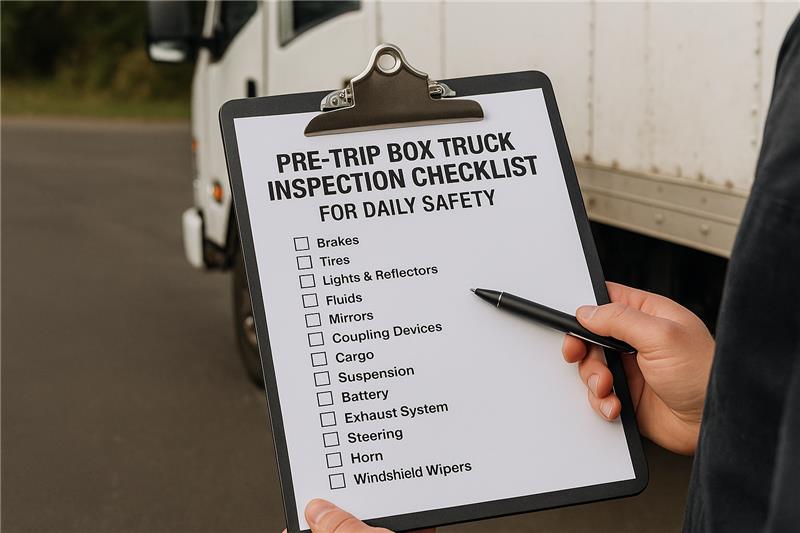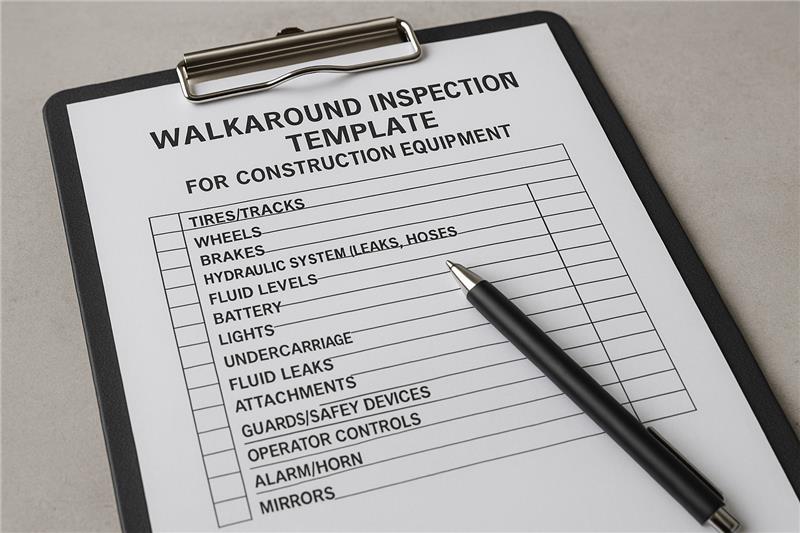
Construction equipment walkaround inspections represent one of the most critical safety and operational protocols in heavy industry, with systematic pre-operation checks preventing 78% of equipment failures that cost US contractors an average of $65,000 per incident. Industry data reveals that 82% of construction companies lack standardized walkaround inspection procedures, creating dangerous safety exposures, missed warning signs, and emergency repair costs. Implementing downloadable walkaround inspection templates can reduce safety incidents by 85%, extend equipment life by 40%, and decrease breakdown costs by 70% while ensuring OSHA compliance and maximum operational safety across challenging work environments.
The Hidden Crisis: Equipment Failures from Inadequate Pre-Operation Inspections
Modern construction operations depend on sophisticated machinery operating under extreme conditions, where systematic walkaround inspections serve as the first line of defense against catastrophic failures, safety incidents, and operational disruptions. Inadequate inspection protocols cascade throughout organizations, affecting worker safety, equipment reliability, and total cost of ownership while creating liability exposures that can devastate businesses.
Hydraulic System Vulnerabilities
65% of hydraulic failures show visible warning signs during walkaround inspections, including fluid leaks, hose deterioration, and connection problems that cost $35,000-85,000 when undetected and allowed to progress.
Engine and Cooling System Risks
Engine problems manifest through coolant leaks, belt wear, and fluid level issues detectable during pre-operation checks, preventing failures that require $45,000-125,000 for complete engine rebuilds.
Electrical System Hazards
Electrical safety issues including damaged cables, corroded connections, and faulty lighting create worker safety risks while indicating system problems requiring $8,000-25,000 in repairs.
Structural Integrity Concerns
Structural wear patterns, loose connections, and fatigue cracks compromise equipment safety and operational capability, with early detection preventing accidents and extending service life by 35%.
Undercarriage and Tire Problems
Track wear, tire damage, and suspension issues affect equipment stability and performance, with systematic inspection preventing accidents and optimizing component replacement timing.
Attachment and Safety System Issues
Attachment security, safety system functionality, and operator protection equipment require daily verification to prevent accidents and ensure regulatory compliance with OSHA standards.
The Financial Impact of Inadequate Walkaround Inspections
Before implementing systematic walkaround inspection procedures, construction equipment operations experience significant inefficiencies that impact both safety performance and financial results:
- Undetected equipment problems escalating into major failures requiring $35,000-125,000 in emergency repairs
- Safety incident risks with 75% of equipment-related accidents preventable through systematic pre-operation inspections
- Regulatory violation exposure with OSHA fines ranging from $15,000-70,000 for inadequate safety inspection protocols
- Insurance claim complications when accidents occur due to preventable equipment conditions identified through proper inspections
- Equipment downtime averaging 25-35% higher for fleets without standardized inspection procedures
Protect your equipment and workers with professional walkaround inspection templates
Getting Started Book a DemoFoundation Elements: Comprehensive Walkaround Inspection Framework
Professional walkaround inspection templates provide the systematic framework necessary for consistent equipment evaluation, incorporating OSHA requirements, manufacturer specifications, and operational safety standards into unified inspection protocols that identify problems before they become dangerous or expensive.
Core Template Components and Architecture
Effective walkaround inspection templates integrate multiple safety criteria and equipment-specific requirements to create comprehensive pre-operation evaluation systems that balance thoroughness with operational practicality.
Equipment Identification Matrix
Comprehensive equipment documentation including machine type, serial numbers, operational specifications, and inspection history that enables accurate evaluation and regulatory compliance tracking.
Safety System Verification
Systematic safety equipment inspection including ROPS/FOPS structures, seat belts, warning systems, lights, and emergency stops ensuring operator protection and OSHA compliance.
Operational Component Assessment
Critical system evaluation covering engine, hydraulics, transmission, cooling, and electrical systems with specific checkpoints for early problem detection and performance optimization.
Documentation and Reporting
Structured recording systems with defect classification, priority levels, and corrective action tracking that ensure accountability and continuous improvement in safety performance.
Advanced Digital Integration and Template Optimization
Smart Templates and Mobile Integration
Modern walkaround inspection templates transcend paper forms to incorporate digital platforms, photo documentation, and automated reporting systems that improve inspection quality while reducing administrative burden and ensuring consistent application across all equipment and operators.
Mobile Application Integration
Smartphone and tablet compatibility enabling field inspections with GPS location tracking, photo documentation, and automatic synchronization with fleet management systems.
Automated Defect Classification
Intelligent systems that analyze inspection findings and automatically classify defects by severity, generating appropriate work orders and maintenance priorities for immediate action.
Real-Time Reporting Systems
Instant inspection result communication with management dashboards, supervisor alerts, and maintenance team notifications ensuring rapid response to critical safety issues.
Compliance Documentation
Automated regulatory reporting and documentation systems ensuring OSHA compliance while providing comprehensive audit trails for safety inspections and insurance reviews.
Implementation Methodology and Best Practices
Systematic Template Deployment Strategy
Successful walkaround inspection template implementation requires comprehensive planning that addresses equipment diversity, operator training, and organizational culture change while maintaining operational efficiency and safety excellence throughout the transition process.
Phase 1: Template Development
Custom template creation based on equipment fleet composition, operational requirements, and regulatory compliance needs with input from operators, supervisors, and safety personnel.
Phase 2: Pilot Implementation
Limited deployment with select equipment and operators, performance monitoring, template refinement, and training protocol development based on real-world application feedback.
Phase 3: Training and Rollout
Comprehensive operator training programs, supervisor instruction, and fleet-wide deployment with performance tracking and continuous improvement based on inspection effectiveness.
Phase 4: Optimization and Integration
System integration with maintenance management platforms, performance analytics implementation, and ongoing optimization based on safety outcomes and operational feedback.
Change Management and User Adoption Strategies
Template implementation success depends heavily on operator acceptance and consistent application, requiring comprehensive training programs and cultural transformation that emphasizes safety benefits and operational improvements rather than additional administrative burden.
Operator Training Program Development
Comprehensive training covering inspection techniques, safety awareness, defect identification, and documentation procedures with hands-on practice and competency verification.
Supervisor Leadership Training
Management instruction on template oversight, performance monitoring, and continuous improvement techniques ensuring consistent application and accountability across all shifts.
Incentive and Recognition Programs
Performance rewards and recognition systems that acknowledge thorough inspections, safety improvements, and proactive problem identification encouraging continued excellence.
Continuous Improvement Systems
Feedback mechanisms and template refinement processes that incorporate operator input and performance data to optimize inspection effectiveness and user satisfaction.
Accelerate your walkaround inspection transformation with expert implementation support
Getting Started Book a DemoAnalytics and Performance Monitoring Capabilities
Advanced Inspection Analytics and KPI Tracking
Walkaround inspection analytics transform inspection data into actionable insights that enable continuous improvement, safety optimization, and predictive maintenance planning across equipment fleets and operational environments, providing measurable returns on safety investment.
Real-Time Inspection Dashboards
Executive and operational dashboards providing immediate visibility into inspection completion rates, defect trends, and safety performance across all equipment and operational locations.
Predictive Maintenance Integration
Advanced analytics identifying inspection finding patterns that predict equipment failures, enabling proactive maintenance scheduling and cost optimization through early intervention.
Safety Performance Analytics
Comprehensive analysis tracking safety incident prevention, near-miss identification, and regulatory compliance achievement with trend analysis and improvement recommendations.
Operator Performance Monitoring
Individual and team performance tracking identifying training needs, recognition opportunities, and areas for improvement in inspection quality and consistency.
ROI and Operational Excellence Outcomes
Quantifiable Financial Benefits and Cost Avoidance
Systematic walkaround inspection templates deliver measurable financial returns through multiple value streams that extend beyond direct repair cost savings to encompass safety improvement, regulatory compliance, and operational efficiency benefits that enhance competitive positioning.
Operational Efficiency and Competitive Advantages
Comprehensive walkaround inspection templates create operational advantages that enhance competitive positioning through improved safety performance, predictable maintenance costs, and enhanced project delivery capabilities while reducing liability exposure and insurance costs.
- Enhanced safety culture with systematic hazard identification and risk mitigation leading to improved worker confidence and productivity
- Improved equipment reliability averaging 94%+ availability compared to 82% without standardized inspection procedures
- Reduced insurance premiums through documented safety programs and improved incident prevention records with 20-35% cost reductions
- Better regulatory compliance with comprehensive audit trails and systematic safety documentation reducing violation risks and penalties
- Enhanced project delivery through predictable equipment availability and minimized unexpected downtime incidents
Compliance and Regulatory Alignment
Regulatory compliance requirements make systematic walkaround inspections essential for construction operations, with OSHA safety standards, EPA environmental regulations, and insurance requirements demanding proactive hazard identification and documented risk management programs that protect workers and equipment.
OSHA Safety Standard Compliance
Construction industry safety regulations requiring systematic equipment inspection and hazard identification, with walkaround templates ensuring compliance and reducing violation risks that can cost $15,000-70,000 per incident.
Equipment Safety Requirements
Manufacturer safety specifications and operational guidelines requiring pre-operation inspections to ensure equipment safety and maintain warranty coverage and operational certification.
Insurance and Risk Management
Insurance carrier requirements for systematic safety inspection and hazard prevention programs, with walkaround templates reducing premiums and claim exposures through documented risk management.
Environmental Protection Standards
EPA environmental regulations requiring leak detection, emission monitoring, and contamination prevention through systematic equipment inspection and maintenance protocols.
Future Outlook and Innovation Roadmap
The walkaround inspection landscape continues evolving with emerging technologies that promise enhanced accuracy, automated defect detection, and predictive analysis capabilities that will further improve safety performance and operational efficiency while reducing inspection time and improving consistency.
Artificial Intelligence Integration
Advanced AI algorithms providing automated defect recognition through photo analysis, pattern identification, and intelligent classification based on historical data and failure prediction models.
Augmented Reality Applications
AR-enabled inspection tools providing real-time equipment analysis, visual inspection guides, and expert system support for complex evaluation procedures and training applications.
IoT Sensor Integration
Internet of Things technologies enabling automated equipment health monitoring and instant defect detection that supplements visual inspections with continuous condition assessment.
Blockchain Documentation
Immutable inspection records and safety documentation providing enhanced regulatory compliance, warranty protection, and equipment history validation for resale and insurance purposes.
Frequently Asked Questions
Ready to implement comprehensive walkaround inspection templates for your construction fleet?
Getting Started Book a Demo


.png)
.png)