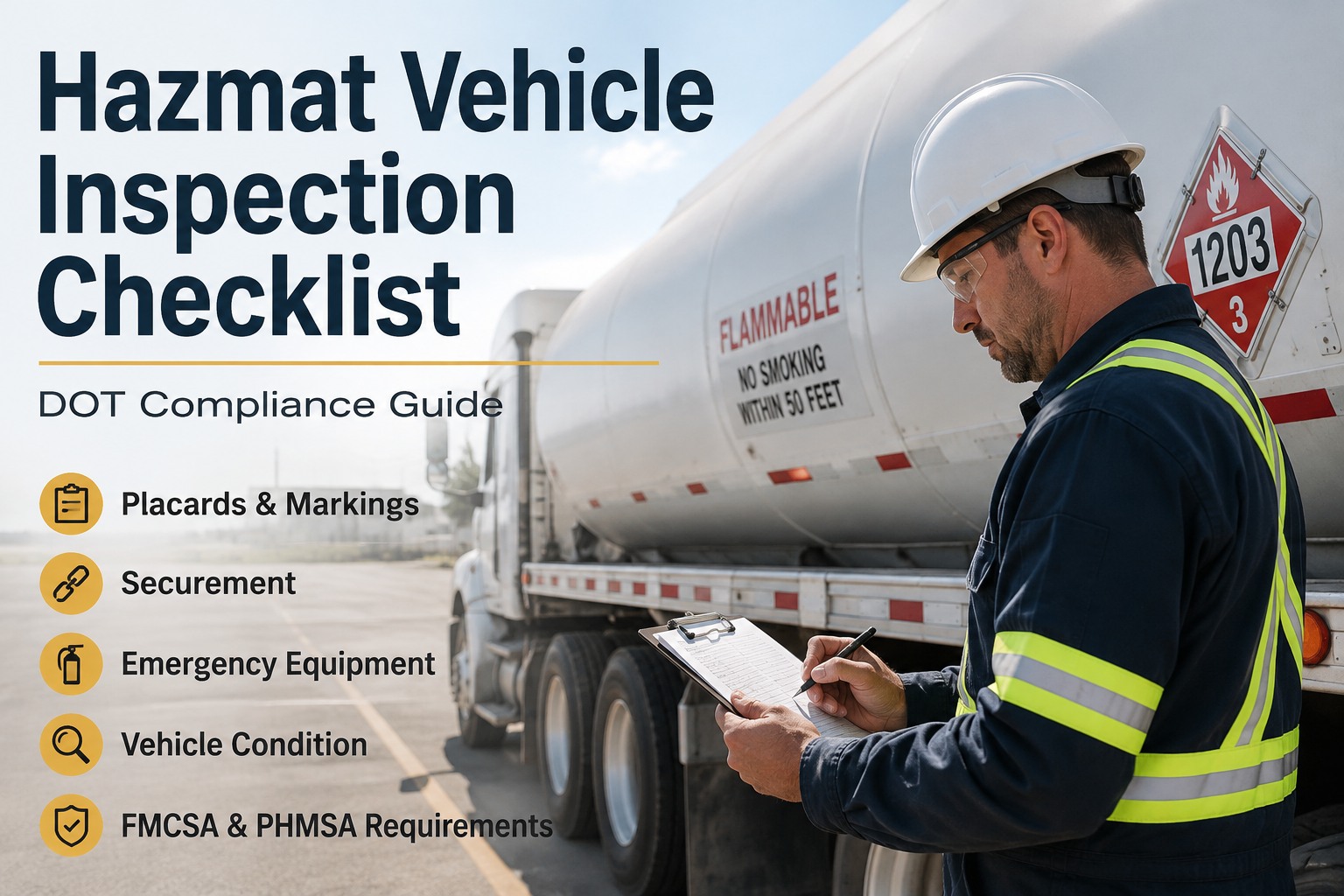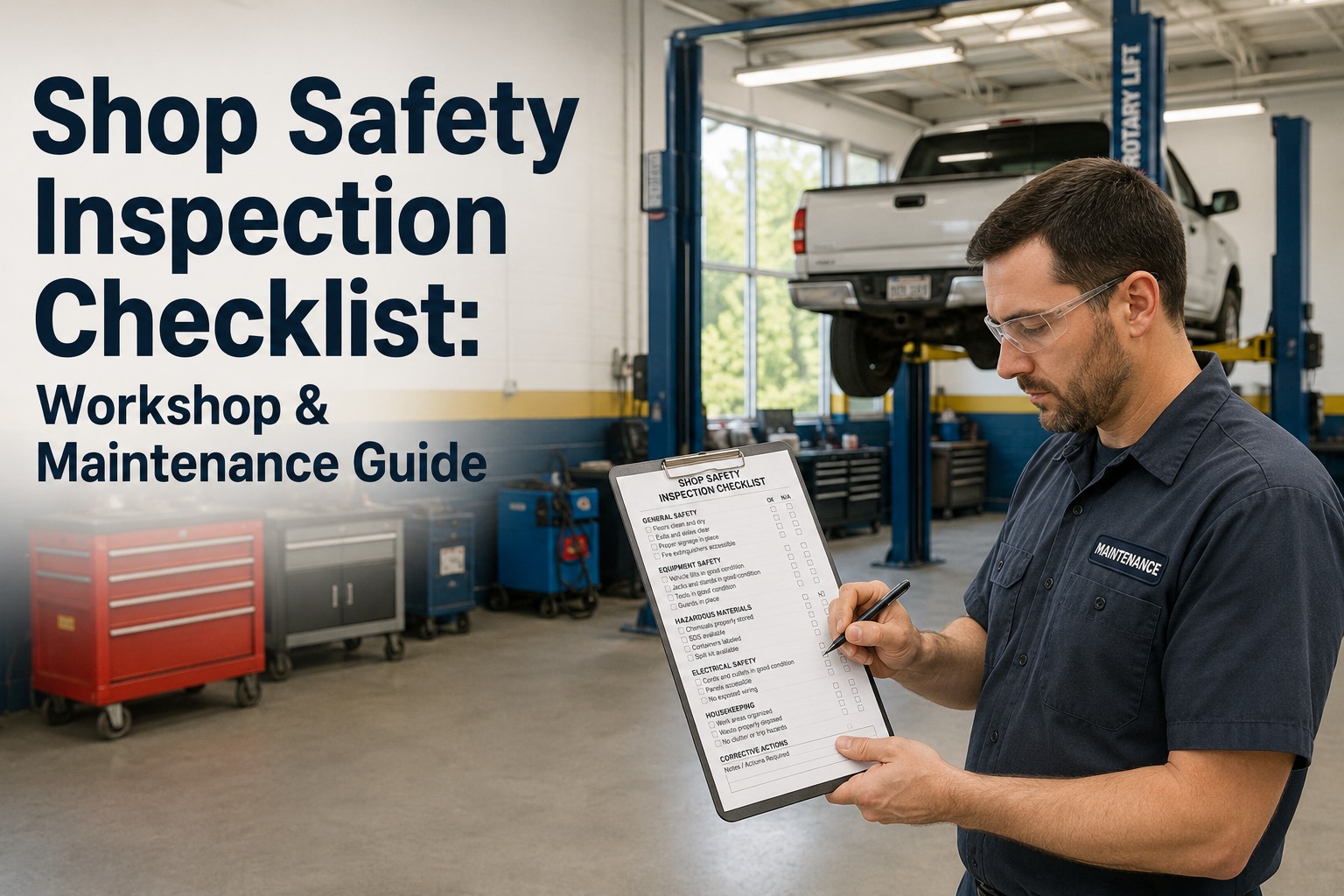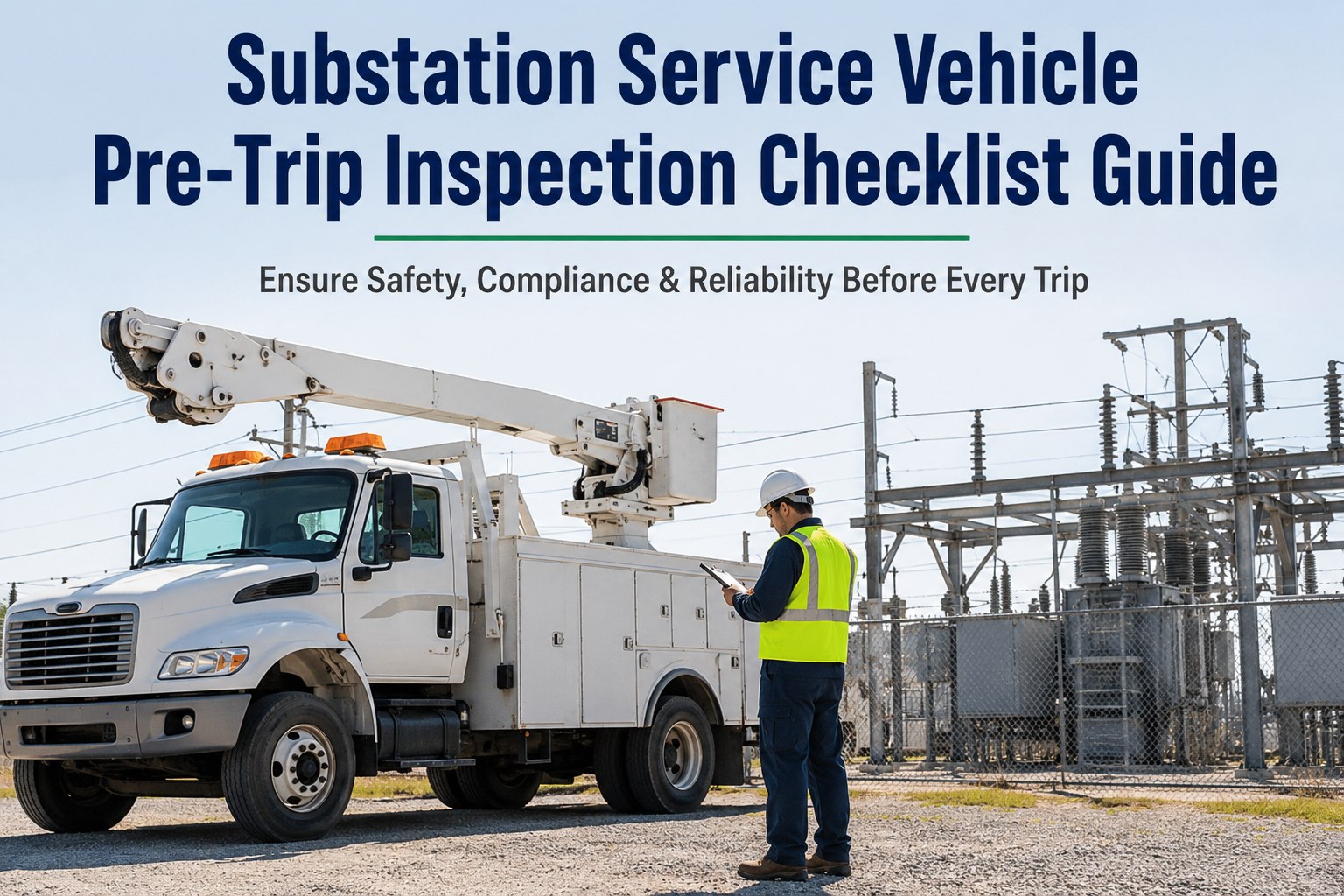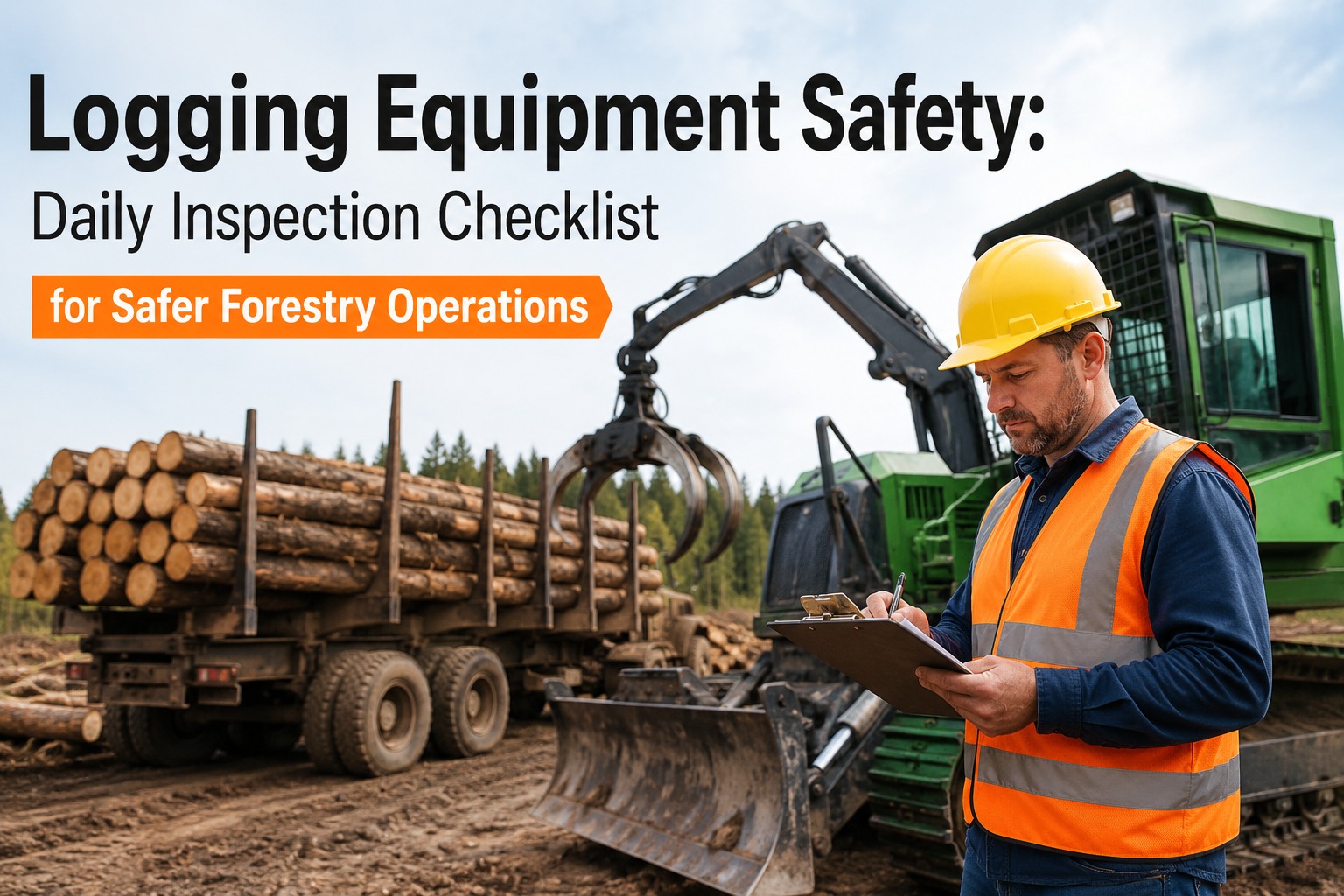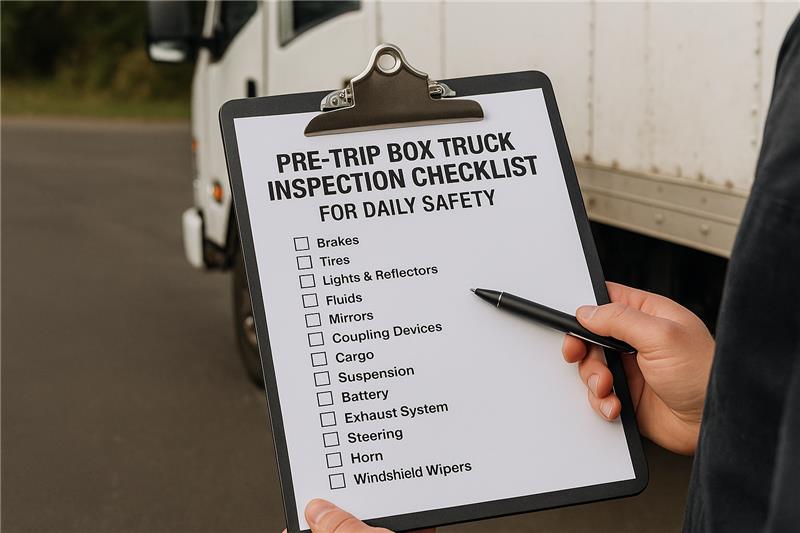
Pre-trip box truck inspections represent the most critical safety protocol in commercial vehicle operations, with systematic daily checks preventing 85% of roadside failures and eliminating $45,000 in average annual breakdown costs per vehicle. Industry data reveals that 68% of commercial operators still rely on informal inspection practices that miss critical safety defects, creating catastrophic liability exposures, DOT violations, and emergency repair expenses. Comprehensive pre-trip inspection protocols reduce accidents by 72%, extend vehicle life by 35%, and decrease roadside breakdowns by 80% while ensuring complete DOT compliance and maximum operational safety across challenging delivery environments. Start protecting your fleet today.
The Hidden Crisis: Critical Safety Failures in Box Truck Operations
Modern box truck operations depend on reliable vehicle performance under demanding delivery schedules, where even minor mechanical issues can escalate into complete system failures that halt operations and devastate safety records. Pre-trip inspection deficiencies cascade throughout organizations, affecting driver safety, regulatory compliance, and total cost of ownership.
Brake System Failures
73% of brake-related accidents show detectable warning signs during pre-trip inspections, including worn pads, air leaks, and adjustment issues that cost $35+ thousand when unaddressed through systematic checks.
Electrical System Defects
Lighting and electrical malfunctions account for 45% of roadside violations, with faulty connections, burned bulbs, and wiring issues creating $15+ thousand in DOT penalties and liability exposure.
Steering and Suspension Issues
Steering system problems manifest through component wear, fluid leaks, and alignment issues that indicate impending failures costing $25+ thousand for complete system replacement and accident liability.
Tire and Wheel Defects
Tire failures cause 35% of commercial vehicle accidents, with improper pressure, tread wear, and sidewall damage creating catastrophic blowout risks and $50+ thousand in accident-related costs.
Engine and Cooling Deficiencies
Engine overheating events potentially destroy multiple systems simultaneously, with cooling system leaks, belt wear, and fluid contamination causing $40+ thousand in engine replacement costs.
Documentation and Compliance Gaps
Incomplete inspection records compromise legal protection and regulatory compliance, with documentation failures creating $25+ thousand in penalty exposure and insurance claim complications.
The Financial Impact of Inadequate Pre-Trip Inspections
Before implementing systematic pre-trip inspection protocols, box truck operations experience significant inefficiencies that impact both operational performance and financial results:
- Emergency roadside repairs consuming 70% of maintenance budgets while providing minimal preventive value and maximum operational disruption
- DOT violation penalties averaging $2,500-$7,500 per incident due to preventable safety defects and incomplete documentation
- Insurance premium increases of 25-40% following accidents that could have been prevented through systematic pre-trip safety checks
- Vehicle downtime averaging 35-45% of available hours due to undetected failures and reactive maintenance cycles
- Driver safety incidents with 60% of commercial vehicle accidents involving preventable mechanical factors and inspection oversights
Protect your fleet with professional pre-trip inspection systems
Deploy DOT-aligned digital DVIRs with photo/GPS stamps and instant defect-to-work-order routing—cut roadside violations, speed up repairs, and keep trucks road-ready.
Ensure DOT-Compliant DVIRs Review Regs on DemoFoundation Elements: Comprehensive Pre-Trip Inspection Framework
Professional pre-trip inspection systems provide the diagnostic framework necessary for systematic vehicle monitoring, incorporating DOT requirements, manufacturer specifications, and safety protocols into unified inspection procedures that identify problems before they become failures.
Core Inspection Components and Methodology
Effective pre-trip inspection frameworks integrate multiple assessment streams and, safety criteria to create comprehensive vehicle evaluation systems that balance thoroughness with operational practicality.
Vehicle Safety Assessment Matrix
Comprehensive evaluation protocols including brake system verification, steering component inspection, lighting system testing, and tire condition assessment that ensure complete safety validation before operation.
Mechanical System Verification
Detailed mechanical checks covering engine performance, transmission operation, cooling system function, and fluid level monitoring with specific criteria for pass/fail determinations.
DOT Compliance Validation
Regulatory requirement verification including required documentation, safety equipment inspection, load securement assessment, and compliance certification with automated reporting capabilities.
Documentation and Reporting Integration
Digital record-keeping systems providing inspection documentation, defect tracking, corrective action management, and compliance reporting to ensure complete audit trail maintenance.
Advanced Digital Integration and Automation Capabilities
Smart Inspection Technology and Digital Documentation
Modern pre-trip inspection systems transcend manual checklists to incorporate digital platforms, photo documentation, and automated compliance reporting that streamline inspection processes while enhancing accuracy and legal protection. Deploy digital inspection tools now.
Mobile Digital Platforms
Smartphone and tablet applications providing guided inspection workflows, photo documentation capabilities, GPS location tracking, and real-time data synchronization with fleet management systems.
Automated Compliance Reporting
System-generated DOT compliance reports, inspection history tracking, violation alert systems, and regulatory submission capabilities that eliminate manual documentation burdens and ensure accuracy.
Defect Management Integration
Comprehensive defect tracking systems enabling immediate work order generation, repair scheduling coordination, and vehicle status management through integrated maintenance platforms.
Driver Training and Certification
Interactive training modules with certification tracking, competency verification, refresher training scheduling, and performance monitoring to ensure consistent inspection quality across all drivers.
Implementation Methodology and Best Practices
Phased Deployment Strategy for Pre-Trip Inspection Excellence
Successful inspection system implementation requires systematic deployment approaches that minimize operational disruption while maximizing inspection effectiveness and compliance achievement across diverse fleet operations and driver populations. Book a demo to plan your implementation.
Phase 1: Foundation Assessment
Current inspection practice evaluation, regulatory requirement analysis, fleet-specific customization planning, and baseline performance measurement to establish implementation priorities and success metrics.
Phase 2: System Configuration
Digital platform deployment, custom checklist development, integration planning with existing fleet systems, and pilot program preparation with selected vehicles and drivers for validation testing.
Phase 3: Training and Certification
Comprehensive driver training programs, supervisor certification, inspection quality validation, and performance monitoring systems to ensure consistent application across all fleet operations.
Phase 4: Full Fleet Deployment
Organization-wide implementation, ongoing training support, continuous improvement integration, and performance optimization based on inspection data and operational feedback analysis.
Driver Adoption and Culture Transformation Strategies
Inspection system implementation success depends heavily on driver adoption and organizational culture change, requiring comprehensive training programs and incentive structures that encourage thorough inspection practices.
Comprehensive Training Program Development
Role-specific training covering inspection procedures, digital system operation, defect recognition, and compliance requirements with hands-on practice and competency verification testing.
Performance Recognition Programs
Incentive systems recognizing thorough inspections, defect detection, safety performance, and compliance achievement through monetary rewards and public recognition programs.
Quality Monitoring and Feedback
Regular inspection quality audits, performance feedback sessions, and continuous improvement processes that maintain high standards while supporting driver development and skill enhancement.
Safety Culture Integration
Leadership commitment demonstration, safety communication programs, and organizational policy alignment that positions inspection excellence as core operational value and competitive advantage.
Accelerate your pre-trip inspection transformation with expert implementation support
Launch in weeks with checklist mapping by vehicle class, driver training, and defect-to-work-order automation—integrated with your existing fleet systems.
Start Implementation Review Rollout PlanAnalytics and Performance Monitoring Capabilities
Advanced Inspection Analytics and Fleet Performance Tracking
Pre-trip inspection analytics transform routine safety checks into strategic fleet management tools that enable continuous improvement, cost optimization, and predictive maintenance planning across vehicle populations and operational environments. Start leveraging analytics today.
Real-Time Fleet Dashboards
Executive and operational dashboards providing immediate visibility into inspection compliance, vehicle status, defect trends, and safety performance across all fleet segments and operational locations.
Predictive Maintenance Analytics
Advanced analytics identifying maintenance needs, component failure patterns, and optimization opportunities based on inspection data, vehicle history, and operational patterns for proactive intervention.
Cost Avoidance Analysis
Comprehensive financial analysis covering prevented breakdowns, avoided penalties, and maintenance optimization that quantify inspection system value and return on investment measurement.
Regulatory Compliance Monitoring
Automated DOT compliance tracking ensuring inspection activities meet regulatory requirements with exception reporting, violation prevention, and audit preparation capabilities for regulatory reviews.
ROI and Operational Excellence Outcomes
Quantifiable Financial Benefits and Safety Improvements
Systematic pre-trip inspection programs deliver measurable financial returns through multiple value streams that extend beyond direct repair cost savings to encompass safety improvement, compliance achievement, and operational efficiency optimization.
Operational Efficiency and Competitive Advantages
Comprehensive pre-trip inspection programs create operational advantages that enhance competitive positioning through improved vehicle reliability, predictable maintenance costs, and enhanced delivery performance capabilities.
- Enhanced delivery reliability with predictable vehicle availability and minimal unplanned service disruptions affecting customer satisfaction
- Improved driver safety and retention through systematic vehicle safety verification and reduced breakdown-related stress and danger
- Reduced insurance premiums through documented safety programs and improved accident prevention records showing measurable risk reduction
- Increased vehicle resale values with comprehensive maintenance documentation and proven reliability history increasing asset value retention
- Better fuel efficiency through early detection of mechanical issues that impact vehicle performance and operating cost optimization
Compliance and Regulatory Alignment
DOT compliance requirements make systematic pre-trip inspections mandatory for commercial vehicle operations, with federal regulations, state enforcement standards, and insurance requirements demanding documented vehicle safety verification and comprehensive risk management programs.
Federal DOT Compliance Standards
Federal Motor Carrier Safety Administration regulations requiring systematic vehicle inspection and safety verification, with inspection systems ensuring compliance and reducing violation risks that can cost $10+ thousand per incident.
State Enforcement and Penalties
State-specific inspection requirements and enforcement standards with varying penalty structures, requiring flexible inspection systems that adapt to multiple regulatory jurisdictions and enforcement approaches.
Insurance and Risk Management
Insurance carrier requirements for systematic safety programs and accident prevention initiatives, with inspection documentation reducing premiums and supporting claim defense in liability situations.
Audit and Documentation Requirements
Comprehensive record-keeping standards for regulatory audits and compliance verification, with digital inspection systems providing complete documentation and audit trail capabilities for regulatory reviews.
Future Outlook and Innovation Roadmap
The pre-trip inspection landscape continues evolving with emerging technologies that promise enhanced accuracy, automated defect detection, and predictive maintenance integration that will further improve vehicle safety and operational efficiency.
Artificial Intelligence Integration
Advanced AI algorithms providing enhanced defect recognition, automated inspection validation, and predictive failure analysis based on complex vehicle data patterns and historical performance trends.
IoT Sensor Integration
Internet of Things technologies enabling continuous vehicle health monitoring and automated inspection data collection that supplements manual inspections with real-time vehicle condition information.
Augmented Reality Applications
AR-enabled inspection tools providing drivers with real-time guidance, component identification assistance, and expert system support for complex inspection procedures and defect recognition.
Blockchain Documentation
Immutable inspection records and compliance documentation providing enhanced regulatory protection, warranty verification, and vehicle history validation for resale and insurance applications.
Frequently Asked Questions
Ready to implement comprehensive pre-trip inspection protocols for your box truck fleet?
Standardize digital DVIRs with photo/GPS stamps and instant defect routing—boost compliance, cut roadside failures, and see measurable safety gains in the first 90 days.
Ensure DOT-Compliant DVIRs Review Regs on Demo