Utility maintenance fleets operate under unique pressures that demand exceptional reliability and efficiency. When power, gas, or water infrastructure fails, every minute of downtime can impact thousands of customers and cost utilities significant revenue. Traditional manual procurement and parts inventory management systems have proven inadequate for these critical operations, leading to costly delays, inefficient parts management, and unnecessary waste. Automated procurement and inventory systems have emerged as game-changing solutions that are transforming how utility fleets manage their maintenance operations.
The Procurement Crisis in Utility Fleet Management
Utility companies manage some of the most complex and extensive fleet operations in any industry. Electric, gas, and water utilities collectively spend over $2.6 billion annually on fleet assets, managing more than 332,000 vehicles and 63,000 pieces of specialized equipment across North America.
Emergency Response Demands
Storm damage, infrastructure failures, and emergency repairs require immediate parts availability, often outside normal business hours.
Specialized Equipment Parts
Utility fleets use unique vehicles like bucket trucks, line trucks, and specialized generators requiring specific parts with limited suppliers.
Multi-Location Complexity
Parts must be available across numerous service locations, from urban centers to remote substations and pump stations.
Regulatory Compliance
Utility equipment must meet strict safety and performance standards, requiring certified parts and detailed documentation.
The Cost of Manual Procurement Systems
Before automation, utility fleet maintenance operations struggled with manual procurement processes that created bottlenecks and inefficiencies:
- Emergency rush orders costing 30-50% more than standard procurement
- Stock-outs during critical repairs extending outage times and customer impact
- Overstocking of slow-moving parts tying up millions in working capital
- Manual inventory tracking leading to lost parts and inaccurate records
- Vendor management complexity with hundreds of suppliers across different locations
Automated Solutions Revolutionizing Utility Procurement
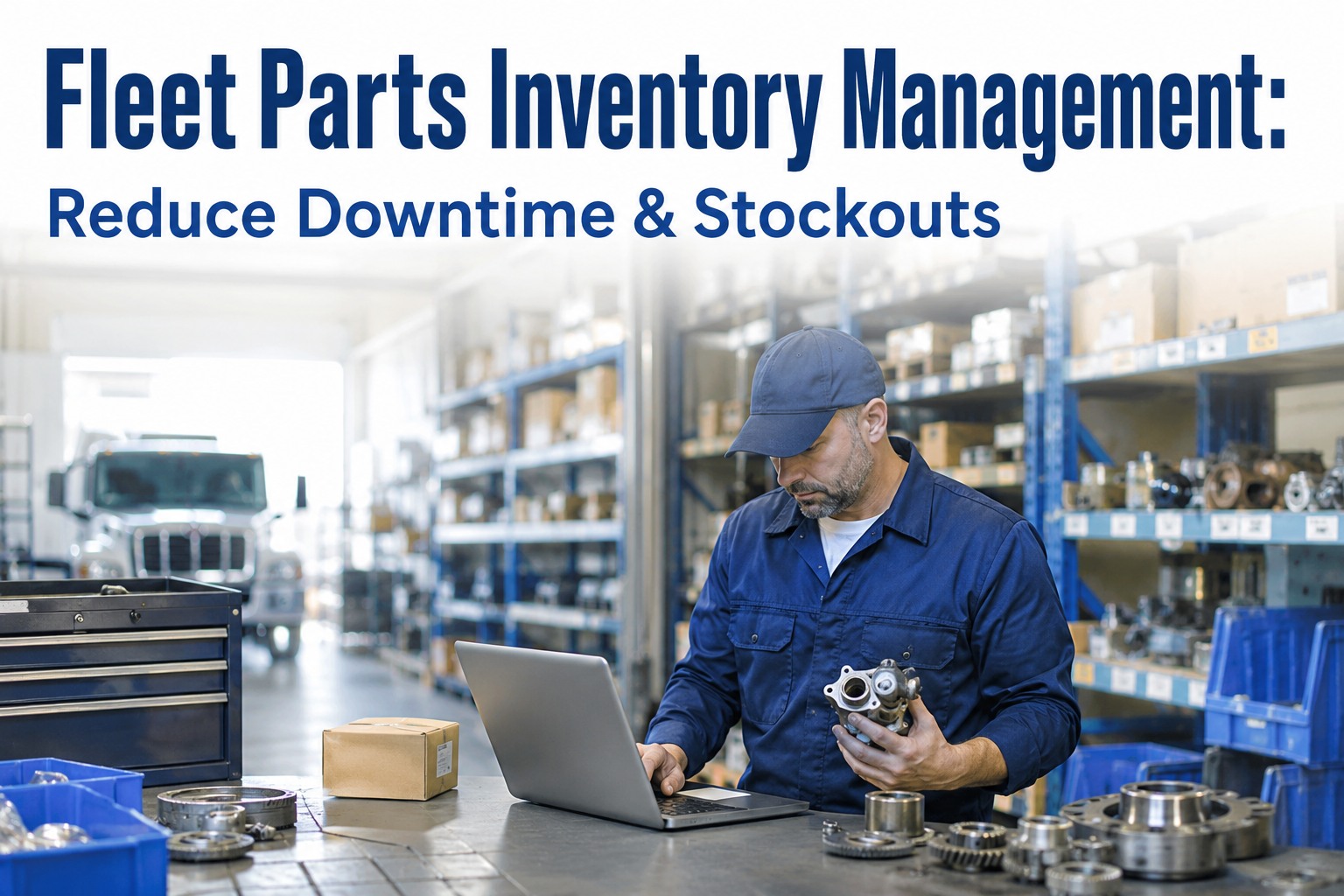
Modern procurement automation systems have fundamentally transformed how utility fleets manage parts inventory and purchasing processes. These integrated platforms combine real-time inventory tracking, predictive analytics, and automated ordering to create seamless procurement workflows.
Real-Time Inventory Visibility
Advanced inventory management software provides complete visibility into parts availability across all utility locations. Key capabilities include:
Barcode & RFID Tracking
Every part movement is automatically tracked, from receipt to installation, ensuring 100% inventory accuracy.
Multi-Location Management
Centralized view of inventory across all service centers, substations, and mobile repair units.
Mobile Access
Technicians can check parts availability and reserve items directly from the field using mobile apps.
Integration with Work Orders
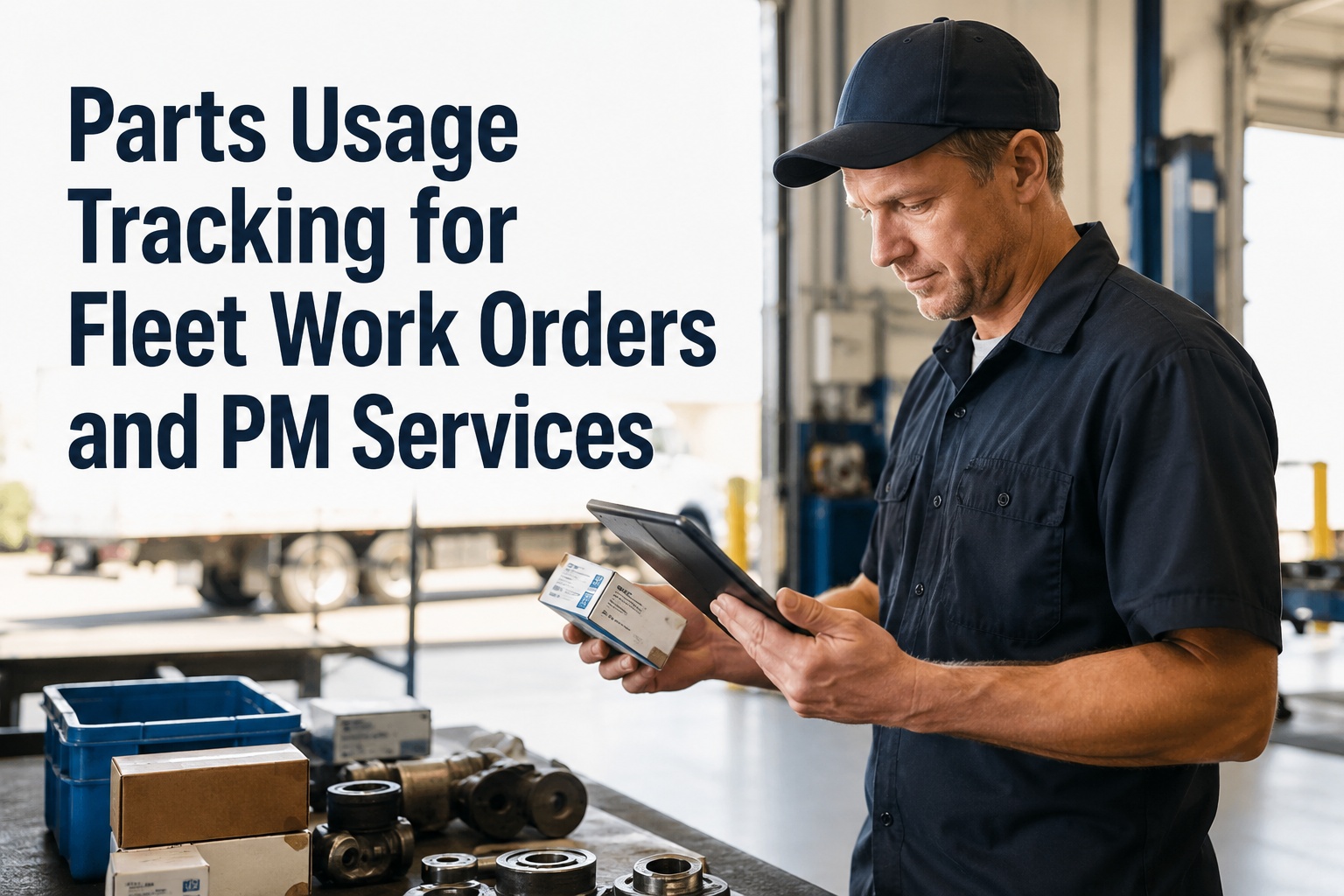
Parts are automatically allocated to work orders and checked for availability during maintenance planning.
Predictive Procurement Intelligence
AI-powered procurement systems analyze historical usage patterns, seasonal demand fluctuations, and equipment maintenance schedules to optimize purchasing decisions:
- Automated reorder points trigger purchases before stock-outs occur
- Seasonal demand forecasting prepares for storm season and peak maintenance periods
- Equipment lifecycle planning anticipates parts needs for aging fleet assets
- Vendor performance analytics optimize supplier relationships and pricing
Cost Reduction and Waste Elimination
The financial impact of procurement automation extends far beyond simple cost savings. Utility fleets are discovering multiple revenue streams and efficiency improvements that deliver measurable ROI.
Emergency Order Reduction
By maintaining optimal inventory levels and enabling proactive procurement, automated systems dramatically reduce costly emergency orders:
Inventory Optimization Benefits
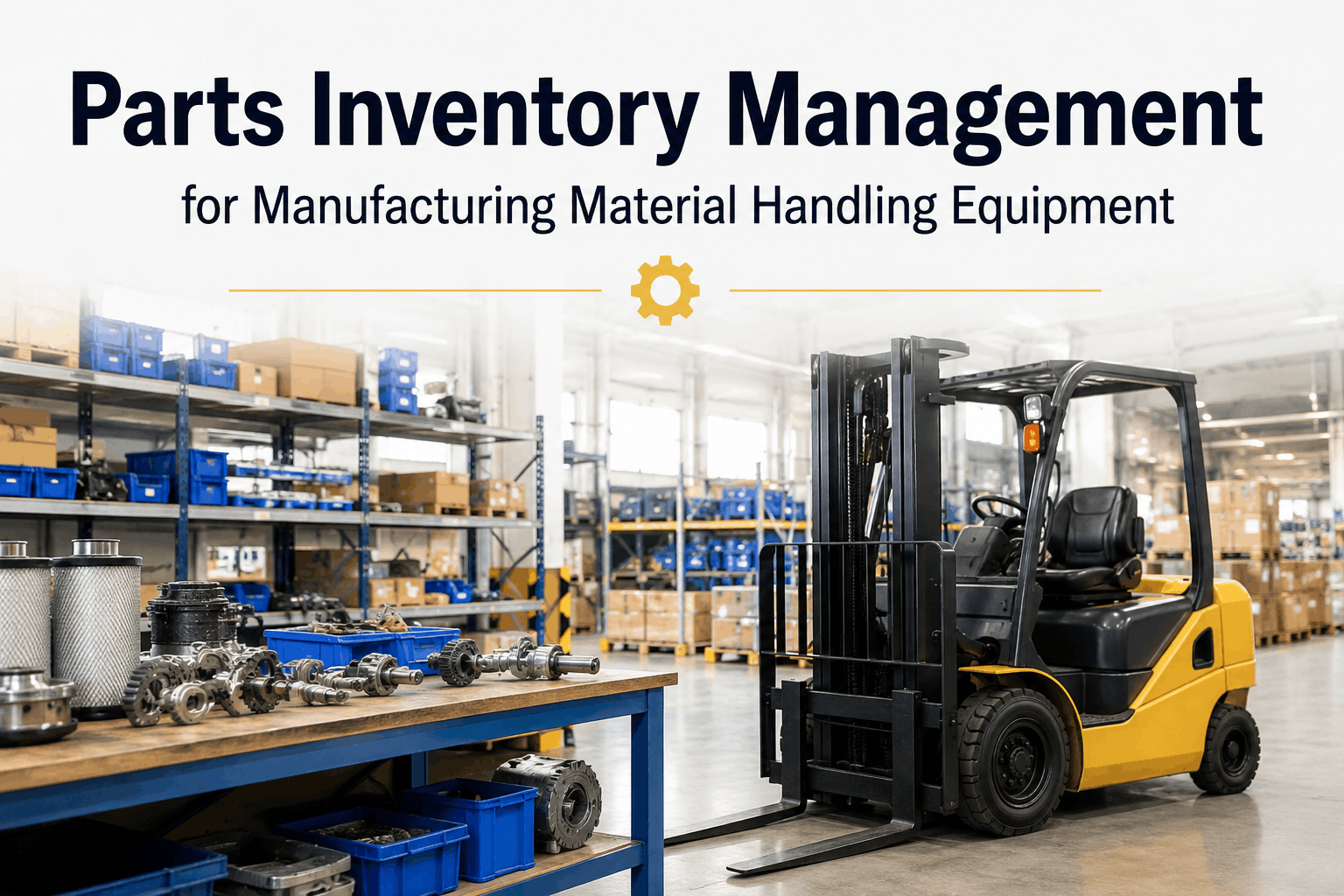
Automated inventory management helps utilities achieve the optimal balance between parts availability and working capital investment:
- Reduced carrying costs through optimized stock levels
- Minimized obsolescence by tracking equipment lifecycles and part usage
- Improved cash flow through just-in-time procurement for non-critical items
- Enhanced warranty recovery through better parts tracking and documentation
Supplier Relationship Optimization
Automated procurement systems enable utilities to build stronger, more cost-effective supplier relationships through data-driven negotiations and performance management.
Operational Excellence Through Integration
Heavy vehicle inspection and maintenance software specifically designed for utility operations seamlessly integrates procurement automation with comprehensive fleet management capabilities.
Maintenance-Driven Procurement
Modern systems automatically link maintenance schedules with parts procurement, ensuring required components are available before work orders are scheduled:
Preventive Maintenance Integration
Scheduled maintenance automatically triggers parts reservation and procurement based on service requirements.
Fault Code Analysis
Integration with telematics systems automatically identifies required parts when diagnostic codes are detected.
Warranty Management
Automated tracking ensures warranty parts are identified and claimed, reducing overall maintenance costs.
Compliance Documentation
All parts transactions are automatically documented for regulatory compliance and audit requirements.
Mobile Workforce Enablement
Field technicians can access real-time inventory data and initiate procurement requests directly from job sites, improving efficiency and reducing repair delays.
Measurable ROI and Performance Improvements
Utility fleets implementing comprehensive procurement automation consistently report significant returns on investment within the first year of implementation.
Financial Performance Metrics
Key performance indicators demonstrate the tangible benefits of automation:
- 20% reduction in parts procurement costs through bulk purchasing and vendor optimization
- 60% decrease in emergency order frequency reducing premium pricing exposure
- 30% improvement in inventory turnover optimizing working capital utilization
- 95%+ parts availability ensuring maintenance schedules are met consistently
- 40% reduction in obsolete inventory minimizing write-offs and disposal costs
Operational Efficiency Gains
Beyond cost savings, automated systems deliver measurable improvements in operational performance and customer service.
Future-Proofing Utility Fleet Operations
As utility infrastructure continues to evolve with smart grid technologies, renewable energy integration, and electrification initiatives, automated procurement systems provide the foundation for managing increasingly complex fleet requirements.
Emerging Technology Integration
Next-generation procurement platforms are incorporating advanced technologies that will further enhance utility fleet management:
- IoT sensor integration for real-time equipment condition monitoring
- Blockchain-based supply chain tracking ensuring parts authenticity and compliance
- AI-powered demand forecasting incorporating weather data and infrastructure aging models
- Automated 3D printing for emergency parts fabrication at remote locations
Sustainability and Environmental Impact
Automated systems support utility sustainability goals by optimizing transportation, reducing waste, and improving resource utilization across the entire parts lifecycle.
Frequently Asked Questions
Learn more about comprehensive heavy vehicle inspection and maintenance software solutions for utility fleets at www.heavyvehicleinspection.com