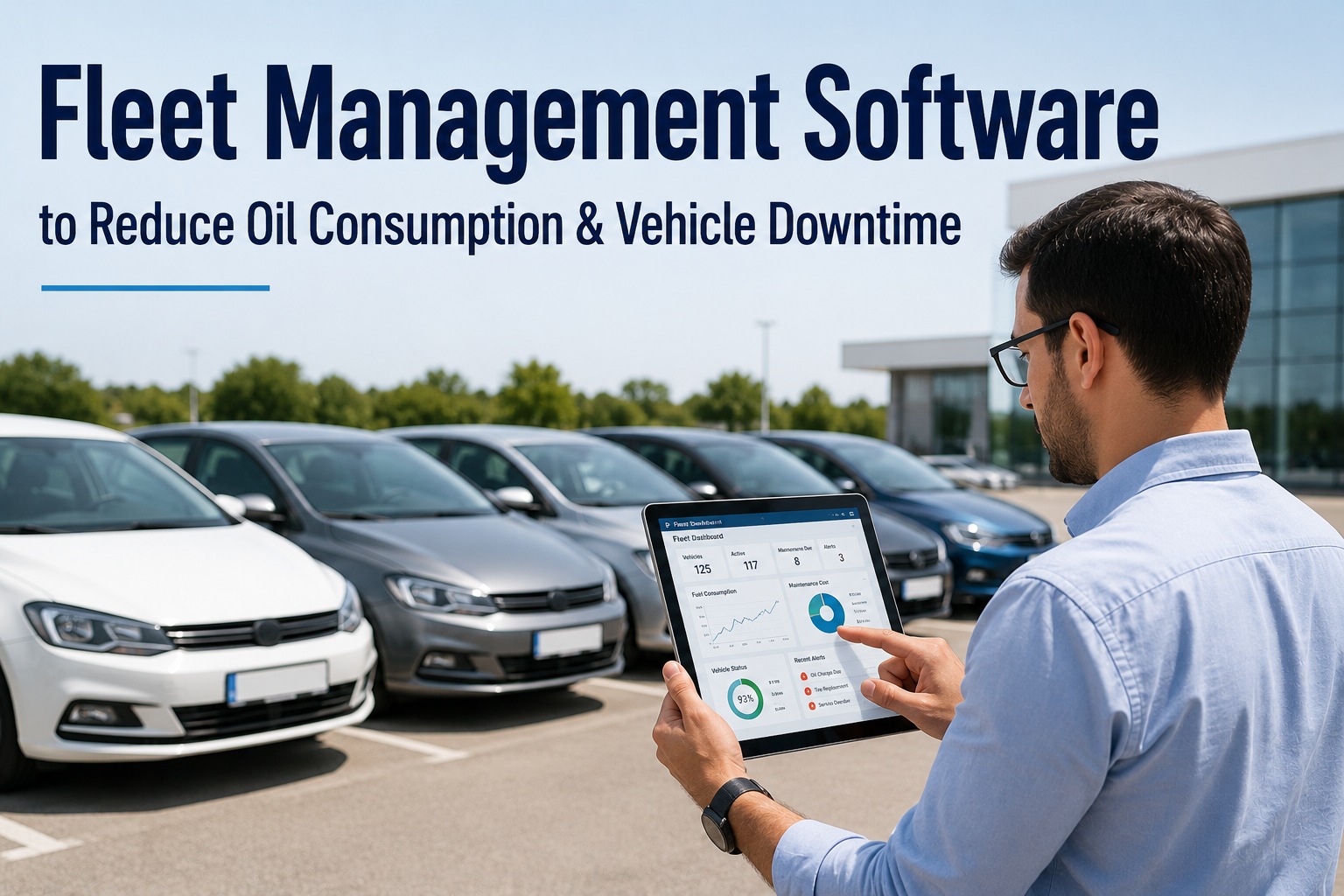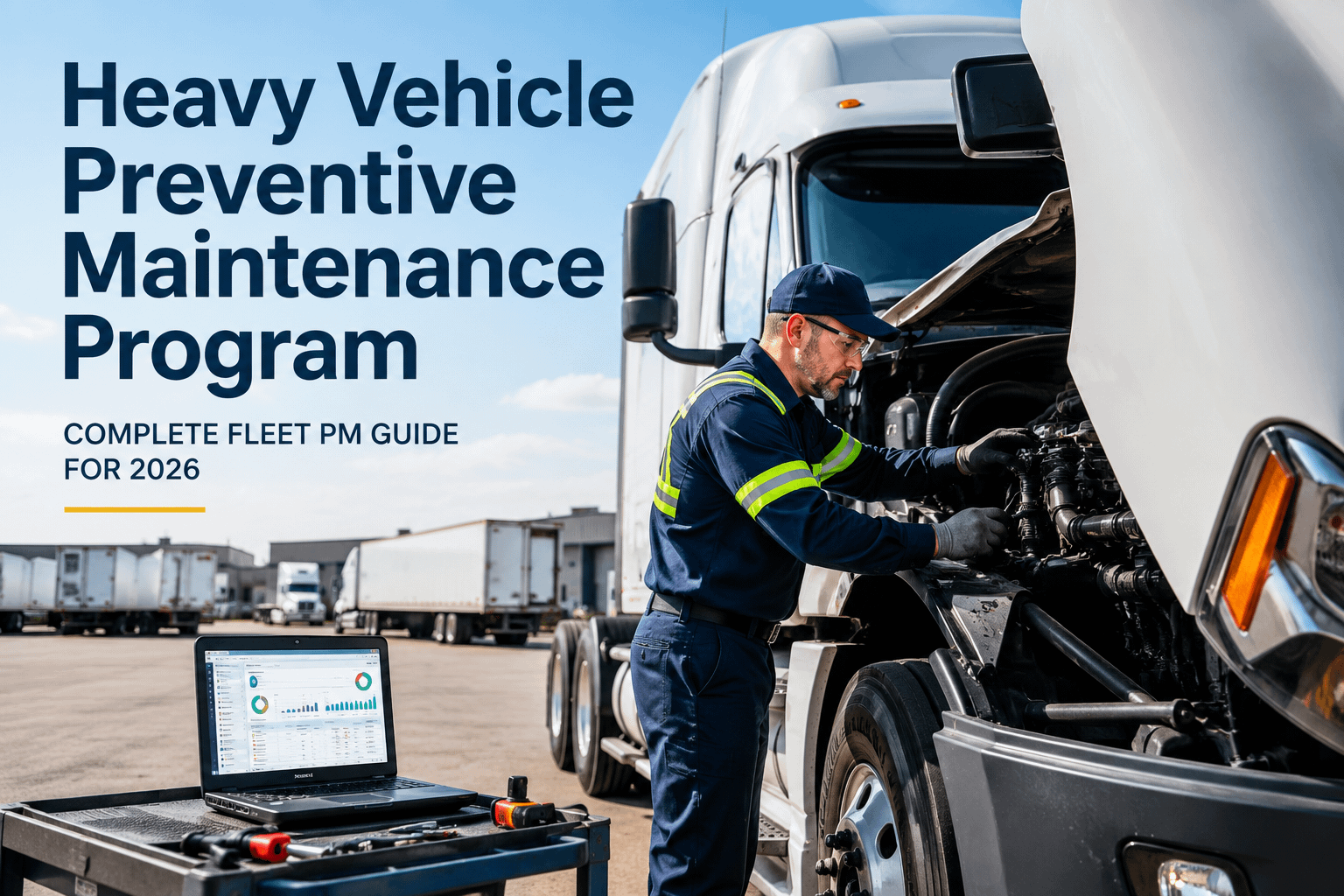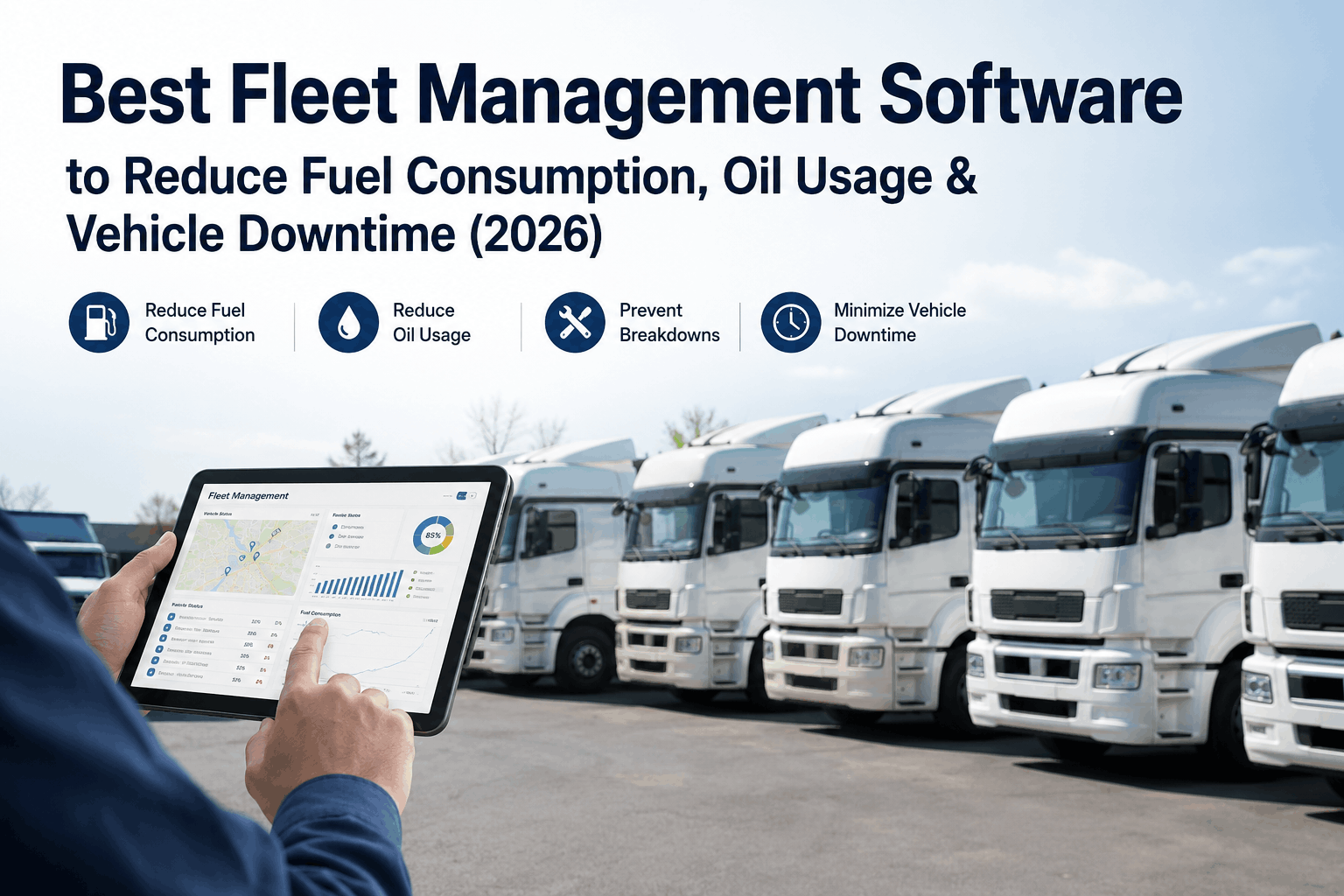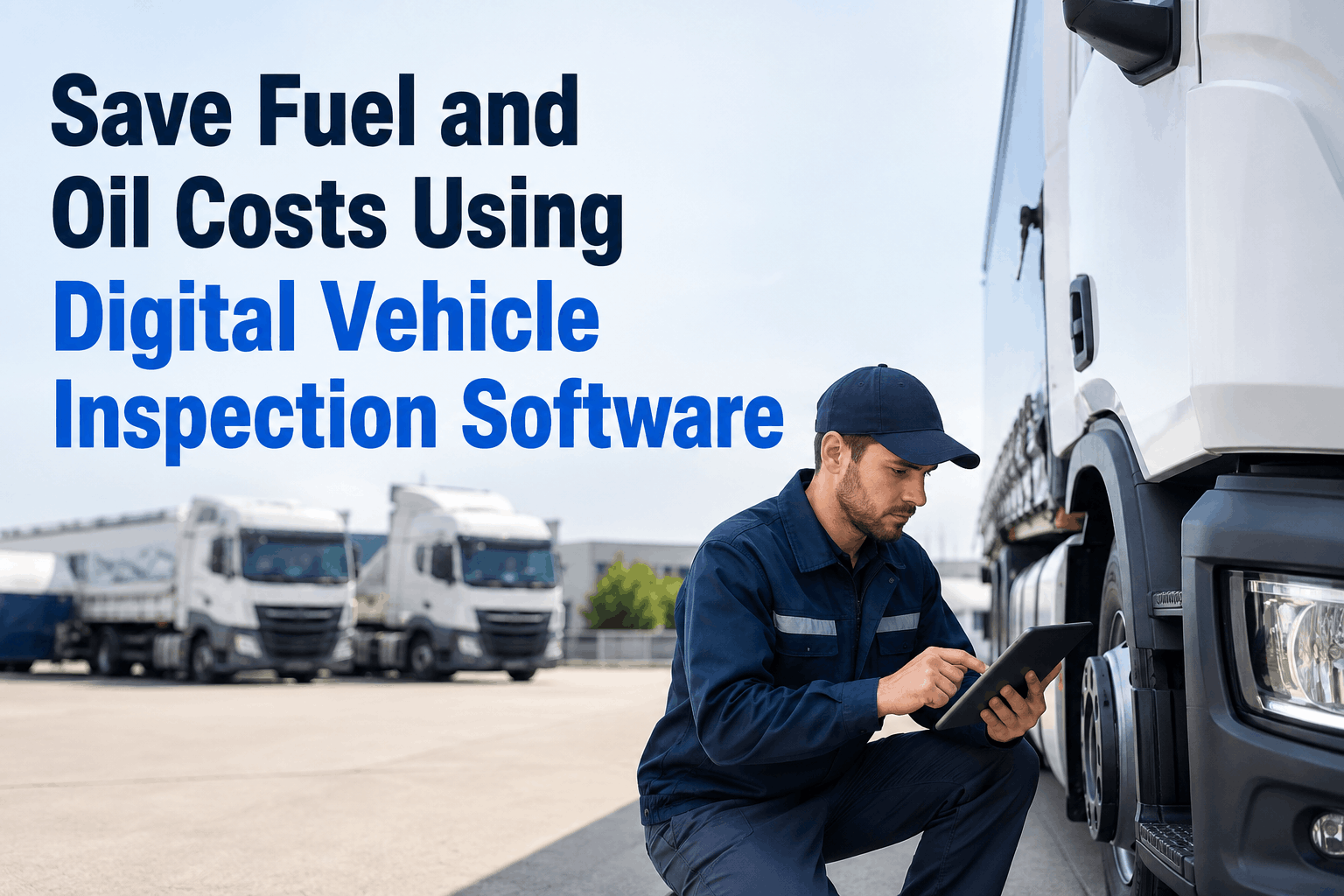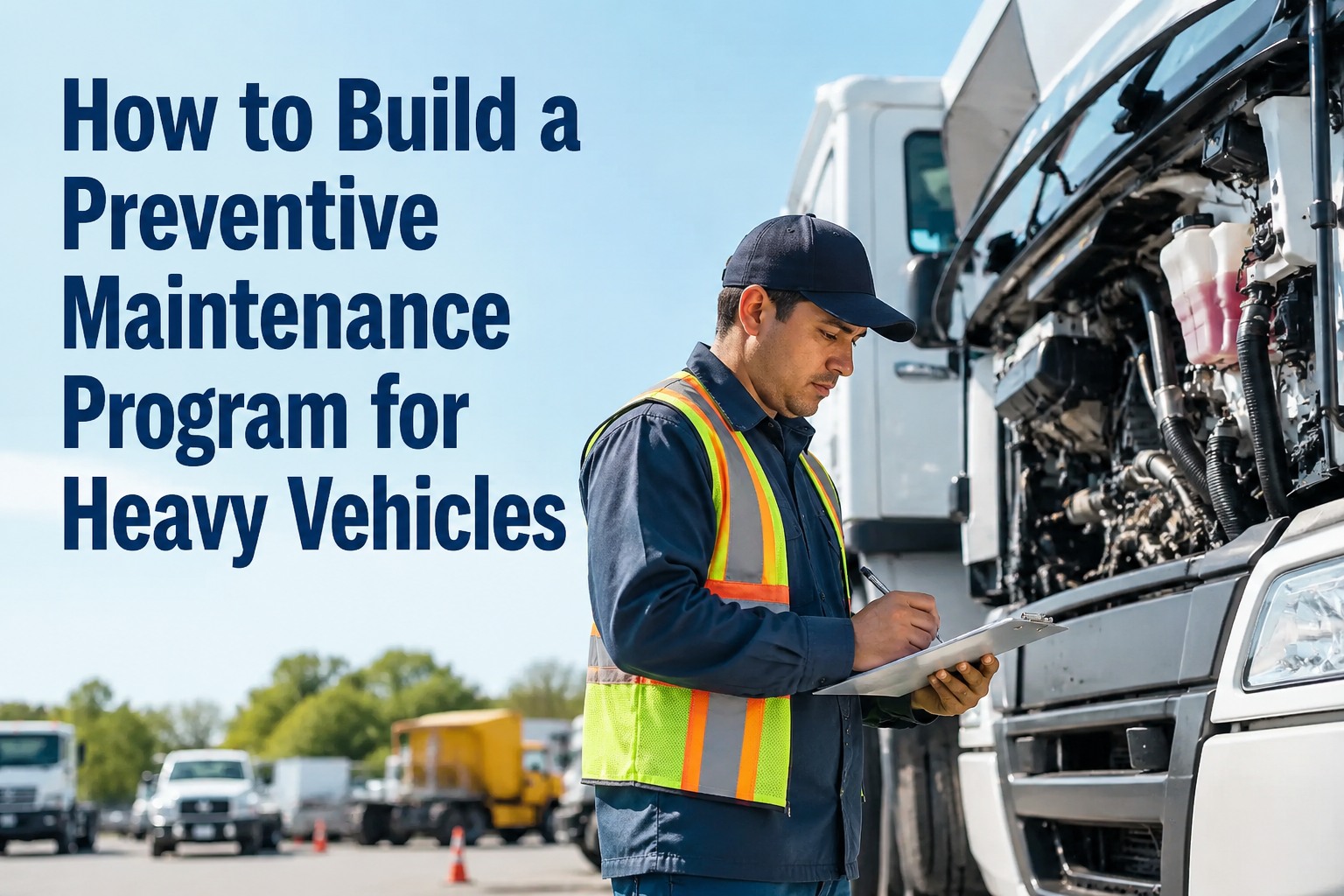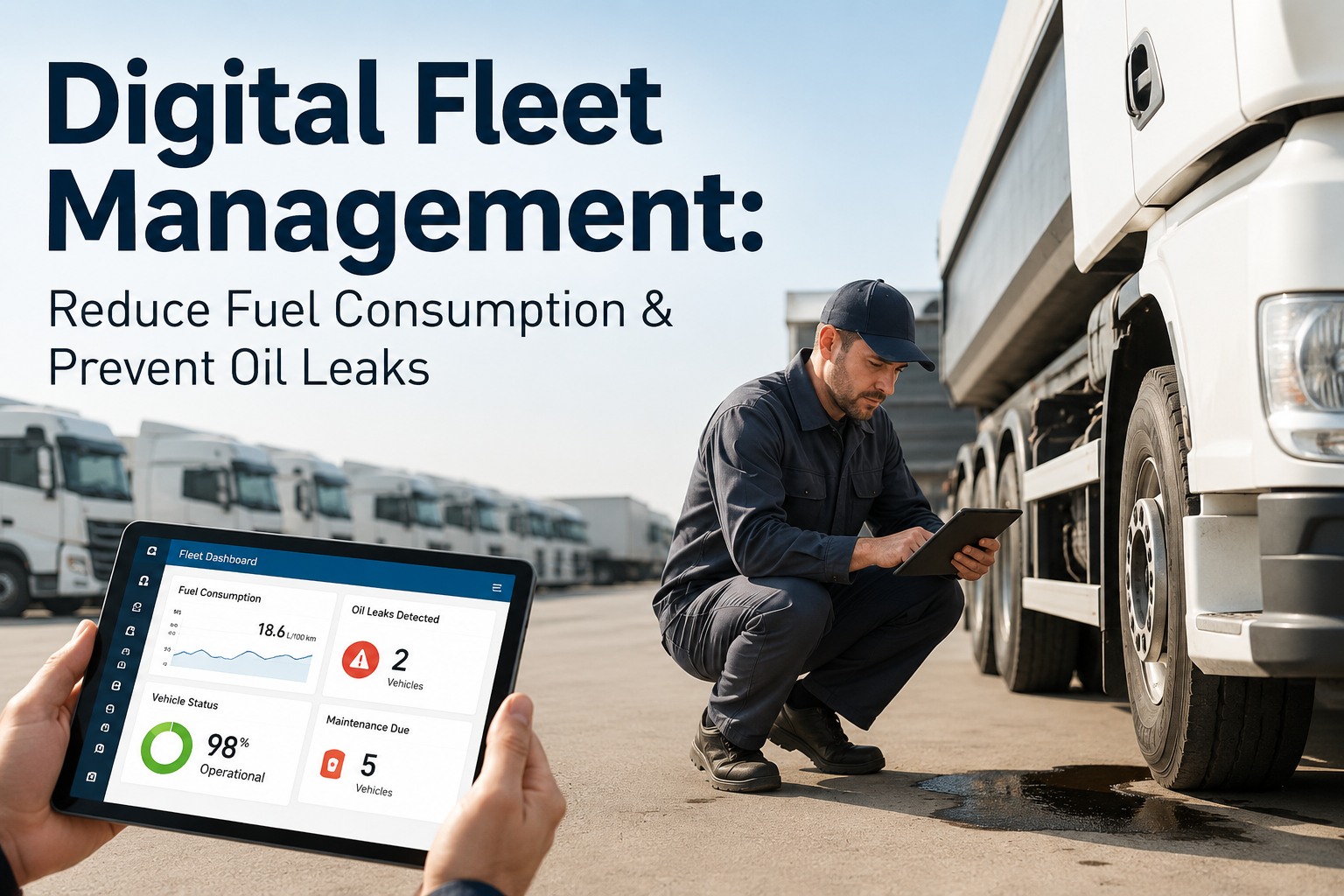
Two things leak out of every fleet, and most managers only watch one of them. Fuel leaks out of the budget — through idling, underinflation, harsh driving, and faults that quietly cut MPG. Oil leaks out of the engine — through worn seals, gaskets, and the slow contamination that turns a $50 service into a destroyed bearing. Both are invisible until they're expensive, and both come from the same root cause: a fleet running on paper checklists and memory instead of data. Digital fleet management closes both leaks at once, because the same inspection that captures tire pressure and idle time also captures the oil weep at the valve cover and the engine-hour count that should have triggered the oil change. The numbers are stark on both sides: a 50-truck fleet idling just two extra hours a day wastes over $61,000 in fuel a year, and an engine fault caught early costs $8,500 to fix versus $47,000-plus run to failure. This guide breaks down the fuel drains, the oil and engine risks, and how one digital system catches both before they cost you. book a 30-minute walkthrough to see it on your own fleet.
Fuel leaks from the budget. Oil leaks from the engine. One digital system catches both.
HVI turns every inspection into data — idle time, tire pressure, fluid levels, leaks, engine hours — flags the fuel-wasting and oil-loss problems early, fires PM on real engine hours, and routes every defect to a verified repair, so both leaks get sealed before they cost you.
The twin drain on your budget
Fuel and oil are two slow leaks pulling money out of the same fleet. Watching only the fuel pump misses half the problem — and watching neither is how budgets quietly bleed.
Fuel out of the budget
Idling, underinflation, harsh driving, and undiagnosed faults each shave MPG. None show up on a fuel-card statement as anything but a bigger number — so the cause goes unfixed and the bill keeps climbing.
Oil out of the engine
Seeping seals and gaskets, contamination, and missed oil changes degrade the engine from the inside. By the time it's obvious, a cheap fix has become a bearing failure or a full replacement.
The two leaks share a fix because they share a cause: no data. A fleet that captures idle time, tire pressure, fluid levels, and engine hours on every inspection sees both leaks the moment they start. A fleet running on paper sees neither until the fuel bill spikes or the engine lets go. Digital fleet management is simply the decision to watch.
Where the fuel leaks — and how to seal it
Fuel waste isn't one big problem; it's four smaller ones that compound. Each is measurable, and each closes once the data is captured and acted on.
Each of these is captured by a digital inspection or surfaces as an MPG drift per truck — invisible on paper, obvious in data. sign up free and seal the fuel leaks across your whole fleet, or book a demo to see fuel-waste tracking live.
Where the oil leaks — and why it's worse than it looks
An oil leak is rarely just lost oil. It's a window into engine health, and the cost of ignoring it scales fast from a seal to a short block. Three things every inspection should catch.
Catch the weep early
A seep at a valve cover, oil pan, or seal is cheap to fix and a clear early warning. Caught on a pre-trip, it's a gasket; ignored, it starves the engine and contaminates components.
Watch for fuel dilution
Prolonged high idle washes fuel into the oil — "diesel wash" — thinning it and accelerating bearing wear. The same idling that burns fuel also quietly destroys the engine from the inside.
Change oil on real hours
"Oil usage" is really PM discipline. When oil changes fire on actual engine hours per truck instead of guesses, engines wear less, fluid waste drops, and downstream costs fall.
vs. $47,000-plus. Early-stage bearing damage caught from oil and inspection data costs about $8,500 an engine to repair. Run to failure, it's a $47,000-plus replacement plus $15,000 in downtime — every time. Catching engine problems early prevents catastrophic failures that run $5,000 to $15,000, and the leak you spot on a pre-trip is usually the first symptom. The cheapest repair is the one you make at the weep.
How one digital system catches both
The reason fuel and oil leaks get fixed together is that the same inspection captures the data for both — and routes every problem to the same closed-loop repair process.
One inspection, both leaks
The pre-trip captures tire pressure and idle behavior (fuel) plus fluid levels, leaks, and engine condition (oil) in a single digital walk-around — no extra step.
PM on real engine hours
Oil changes and service fire on each truck's actual engine hours per VIN — not calendar dates or memory — so the engine is protected and fluid isn't wasted.
Every defect to a work order
A low tire, an oil weep, a missed service — each auto-creates a tracked, assigned work order, so the fix happens and the leak is sealed before it grows.
Trend it per truck
Fuel use and fluid condition trended per vehicle reveal the truck that's drifting — the one quietly burning fuel or losing oil — before it becomes a breakdown.
The unifying insight: fuel data and engine health are the same picture. A truck idling two extra hours a day is both burning $61,000 of fuel across the fleet and washing fuel into its oil to wear out the bearings. Catch it once, fix it once, save twice. HVI keeps inspections, fuel data, PM, and work orders in one platform so the whole picture connects.
Paper fleet vs. digital fleet
Both technically run inspections and track fuel. Only one connects the two, fires PM on real hours, and seals both leaks before they show up as a spike or a seizure.
Paper / reactive
- Fuel waste blamed on prices, cause never found
- Idling untracked, burning fuel and washing oil
- Oil leaks noticed when the puddle appears
- Oil changes by calendar guess or memory
- Defects on paper, repairs unverified
- Fuel and maintenance data in separate worlds
With HVI software
- Fuel drift caught per truck and tied to a cause
- Idle time tracked, flagged, and coached down
- Oil weeps caught at the seal, on the pre-trip
- PM fires on real engine hours per VIN
- Every defect auto-creates a verified work order
- Fuel, inspections, PM & repairs in one platform
sealed at once. Fuel costs fall as idling, underinflation, and faults get caught and fixed; engine costs fall as oil leaks and contamination get caught at the weep instead of the seizure. The same digital inspection drives both, the same work-order loop closes both, and the same data trends both per truck. Watch both leaks instead of one, and the savings stack. HVI runs the whole fleet in one platform.
Frequently asked questions
How does digital fleet management reduce fuel consumption?
Through several mechanisms that compound. Idle-time monitoring is usually the biggest single lever — a diesel truck burns roughly 0.8 to 1 gallon per idle hour, so a 50-truck fleet idling two extra hours a day wastes over 29,000 gallons and $61,000 a year; flagging high-idle vehicles and drivers and coaching the behavior down typically saves 4 to 8% of total fuel spend. Capturing tire pressure on every pre-trip catches the underinflation that costs around 3% MPG. Driver-behavior scoring reduces the hard braking and rapid acceleration that improving can lift MPG 5 to 10%. And digital inspections surface the undiagnosed faults — clogged filters, dragging brakes, bad sensors — that quietly cut economy. Because all of this is captured per truck, the system shows exactly which vehicle is drifting and why. HVI's inspection and maintenance software captures and connects all of it. sign up free and start cutting fuel waste.
Why is catching an oil leak early so important?
Because an oil leak is rarely just lost oil — it's an early warning of engine trouble, and the cost of ignoring it scales brutally. A seep at a valve cover, oil pan, or seal caught on a pre-trip is a cheap gasket repair; ignored, it can starve the engine, contaminate components, and progress to bearing damage. The numbers make the case: early-stage bearing damage caught from oil and inspection data costs roughly $8,500 per engine to repair, while running it to failure means a $47,000-plus replacement plus around $15,000 in downtime each time. More broadly, catching engine problems early prevents catastrophic failures in the $5,000 to $15,000 range. There's also a hidden link to fuel: prolonged high idling washes fuel into the oil — "diesel wash" — which thins it and accelerates bearing wear, so the same idling that burns fuel also damages the engine. HVI's inspection and maintenance software captures leaks and fluid condition on every inspection. book a demo to see early leak detection.
How can one system handle both fuel savings and oil leak prevention?
Because the same inspection captures the data for both, and the same repair process closes both. A single digital pre-trip walk-around captures tire pressure and idle behavior on the fuel side, plus fluid levels, leaks, and engine condition on the oil side — no extra step for the driver. Preventive maintenance, including oil changes, fires on each truck's actual engine hours rather than calendar guesses, which protects the engine and reduces fluid waste. Every defect found — a low tire, an oil weep, a missed service — auto-creates a tracked work order so the fix actually happens. And fuel use and fluid condition are trended per vehicle, so the truck that's drifting stands out before it fails. The unifying insight is that fuel data and engine health are the same picture: an idling truck both wastes fuel and washes its oil. HVI's inspection and maintenance software keeps inspections, fuel data, PM, and work orders in one platform so the whole picture connects. sign up free and seal both leaks.
What does "oil usage" really mean for a fleet's costs?
"Oil usage" is largely a proxy for preventive-maintenance discipline. When oil changes and fluid services happen at OEM-spec engine hours instead of by guesswork or memory, engines wear less, fluid waste drops, and downstream maintenance costs decline across the fleet. The problem with manual tracking is that service intervals slip — a truck that accumulates engine hours at idle on a jobsite hits its real service point long before a mileage- or calendar-based reminder would fire, so the oil degrades, contamination builds, and the engine pays for it. Firing PM on actual engine hours per VIN fixes that. It also ties directly to the leak question: clean, fresh oil changed on schedule protects seals and bearings, while neglected oil accelerates exactly the failures that early leak detection is meant to prevent. HVI's inspection and maintenance software fires PM on real engine hours per vehicle so oil service never slips. book a demo to see engine-hour PM scheduling.
How does HVI reduce fuel costs and prevent oil leaks?
HVI is an inspection and maintenance software platform that attacks both leaks from one place. On the fuel side, it captures idle behavior, tire pressure, and driving patterns, trends fuel use per truck to surface the vehicle that's drifting, and flags the undiagnosed faults — filters, brakes, sensors — that quietly cut MPG. On the oil and engine side, it captures leaks and fluid condition on every digital pre-trip so a weep is caught at the seal, and it fires preventive maintenance and oil changes on each truck's actual engine hours per VIN so service never slips. Every defect found, fuel-related or oil-related, auto-creates a tracked, assigned work order so the fix happens and the leak is sealed before it grows. Because inspections, fuel data, PM schedules, and work orders all live in one platform, the connection between an idling truck, its fuel waste, and its engine wear is visible end to end. book a demo and we'll map the software onto your fleet on the call.
Seal both leaks. Stop the fuel draining from your budget and the oil draining from your engines.
HVI turns every inspection into data — idle time, tire pressure, fluid levels, leaks, engine hours — catches the fuel-wasting and oil-loss problems early, fires PM on real engine hours per VIN, and routes every defect to a verified repair. One platform, both leaks sealed, savings that stack on each other.
No credit card required · Live in under two weeks · Idle & fuel tracking + leak detection + engine-hour PM + work orders in one platform