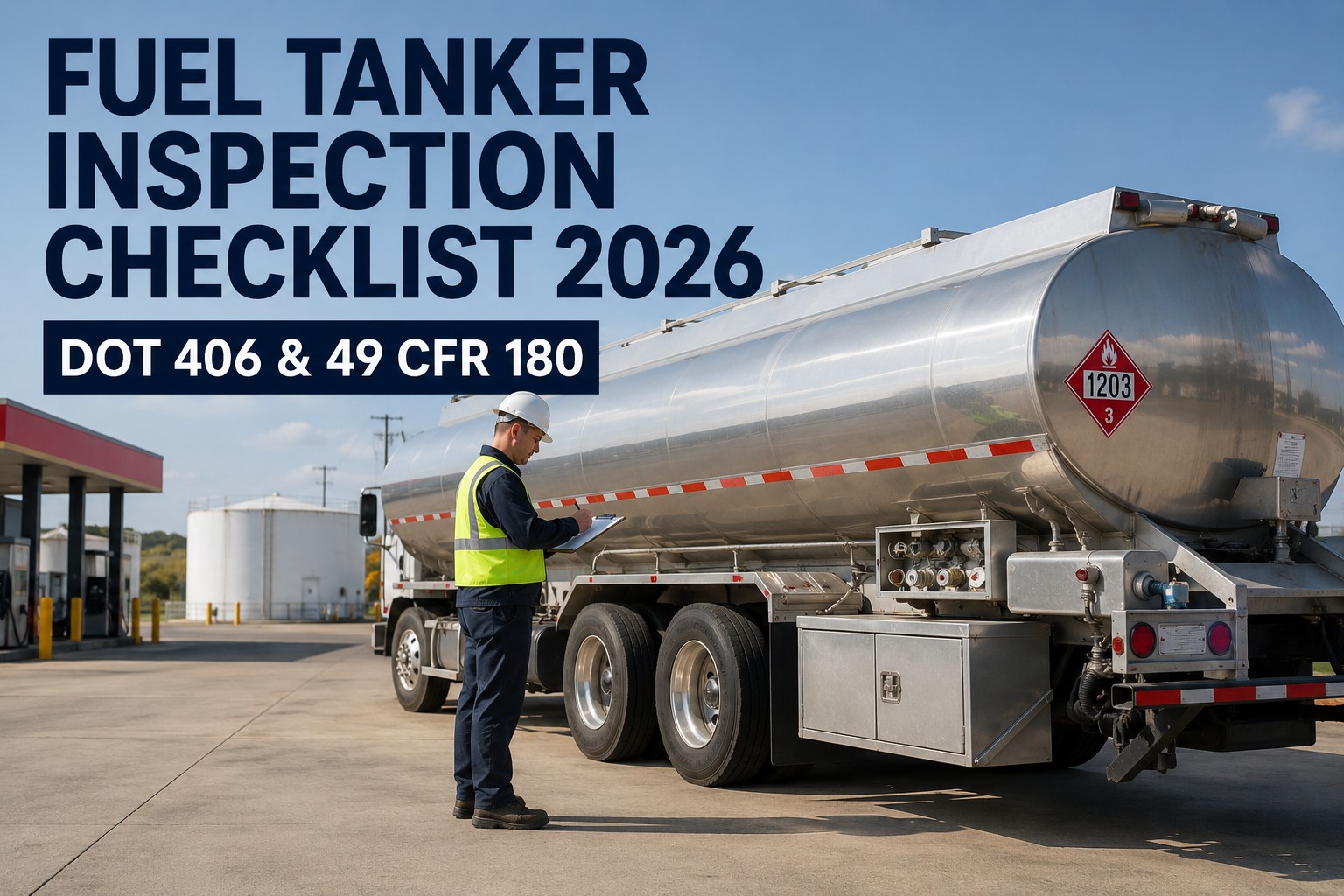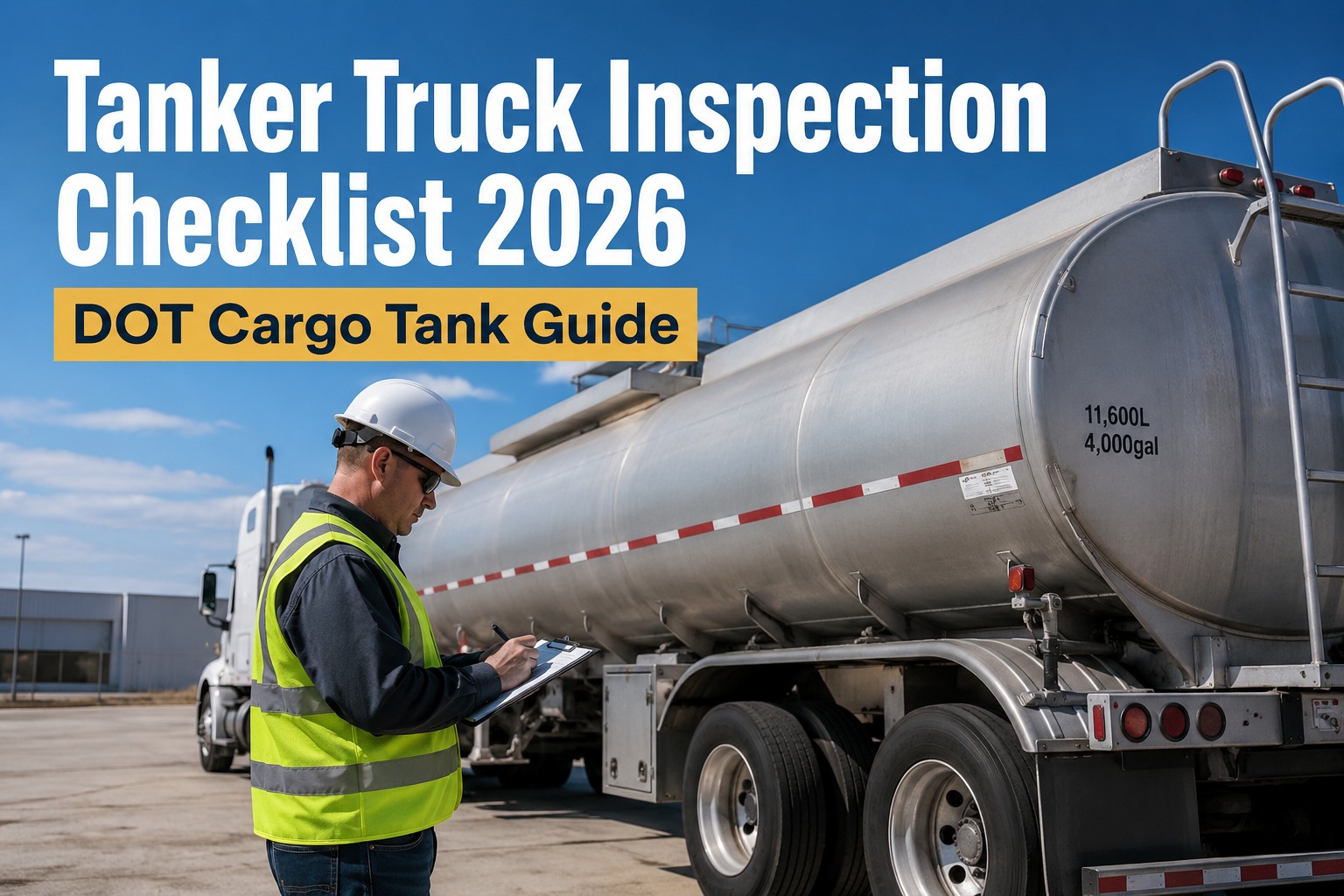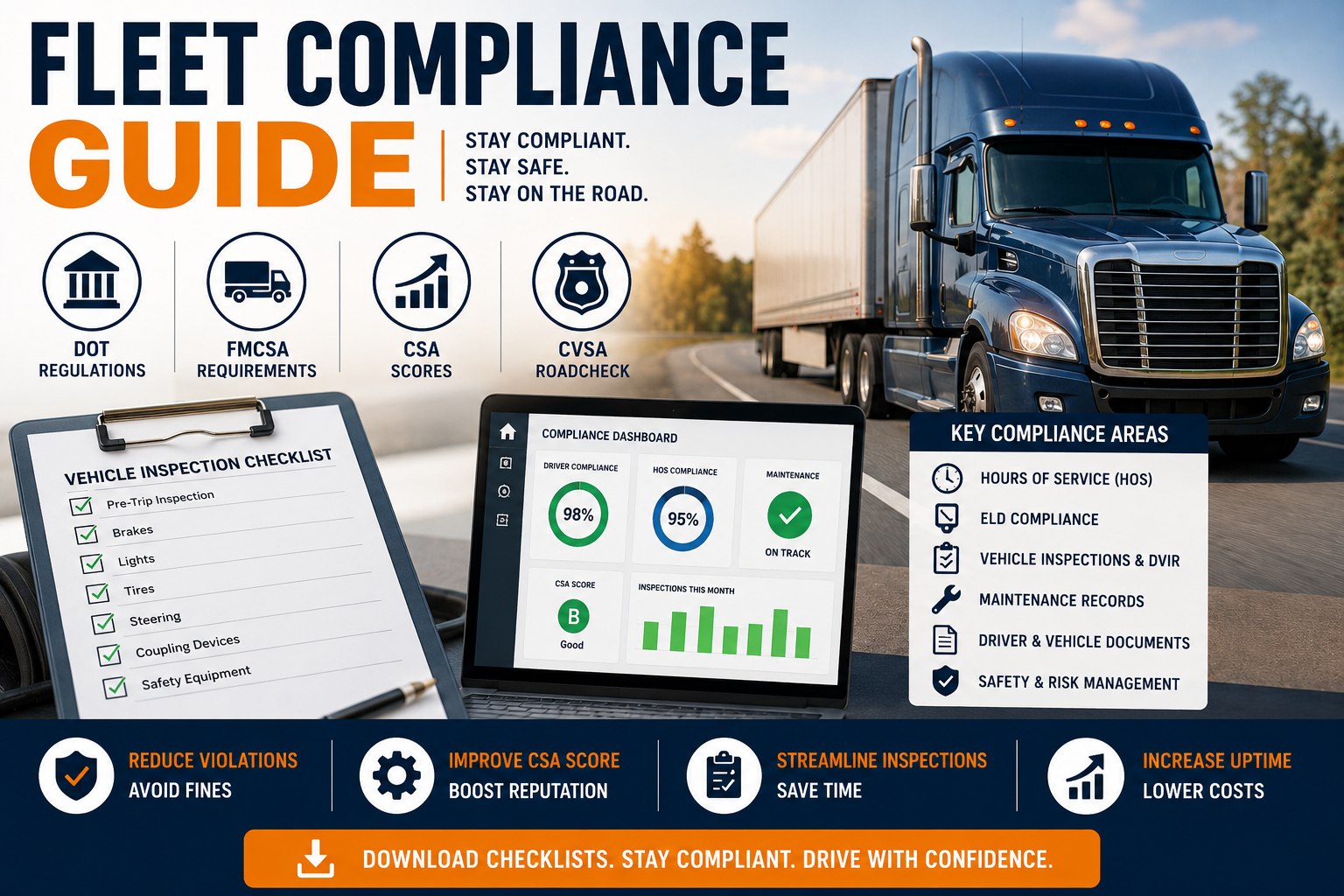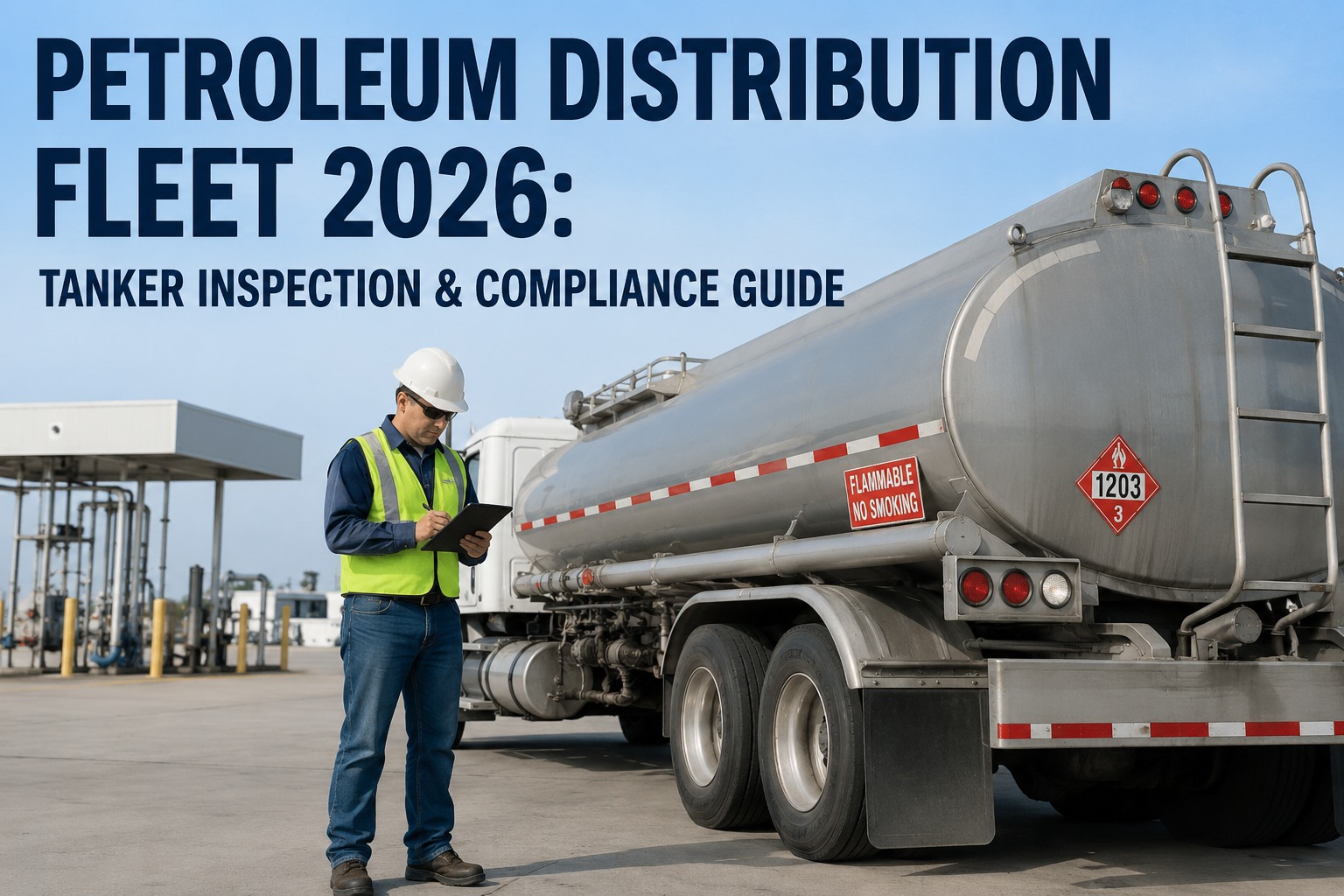
A petroleum distribution fleet is typically not one fleet — it's two operating side by side under one DOT number. MC 306 / DOT 406 non-pressure tankers moving gasoline, diesel, and jet fuel. MC 331 pressure tankers moving propane and LPG. Different construction, different 49 CFR 180 testing cycles, different CDL endorsements. Managing both without confusing the paperwork is where compliance findings happen. This 2026 petroleum fleet playbook walks the dual-tanker reality. Book a demo .
Two Tanker Families, One Petroleum Fleet
Most petroleum distribution carriers run both. The specs, testing regimes, and driver requirements are not interchangeable.
Petroleum distribution is a specialty vertical inside the broader tank-truck industry served by NTTC (National Tank Truck Carriers). The operational reality is that fuel tanker operations (MC 306 / DOT 406) and propane tanker operations (MC 331) look similar from the outside but run on entirely different regulatory tracks — different construction standards under 49 CFR 178, different testing cadences under 49 CFR 180, different driver endorsement requirements, and different loading and unloading procedures. Petroleum fleet managers who treat the two stacks interchangeably eventually find the paperwork confusion in an FMCSA compliance review. The fleets that pass audits treat MC 306/DOT 406 and MC 331 as parallel compliance programs sharing a common driver qualification and inspection infrastructure — not as one combined program.
Testing cadence under 49 CFR 180 — where the two fleets divergePressure test, leakage test, thickness test, external visual — each with its own clock
The cargo-tank testing regime under 49 CFR 180 is what most differentiates operating an MC 306/DOT 406 fleet from an MC 331 fleet. The tests are similar in name but have different intervals, different qualified-inspector requirements, and different documentation. Getting the test paperwork attached to the wrong tank is the single most common finding in petroleum-fleet FMCSA reviews. Book a demo to see per-tank test tracking in HVI
External visual inspection
Leakage test
Pressure test
Thickness test
CDL endorsements — the driver-qualification layer petroleum fleets manageN for tank, H for hazmat, X for combined — and what happens when either lapses
Both tanker fleets require CDL endorsements beyond the base Class A license. Petroleum operations are one of the few industries where endorsement gaps immediately ground a driver — an expired hazmat endorsement means the driver cannot legally load an MC 306 tanker at the terminal that morning.
Tank Vehicle Endorsement
Required to operate a tank vehicle over 1,000 gallons capacity, whether or not it contains hazmat. Applies to both MC 306/DOT 406 and MC 331. Knowledge test only — no separate skills test. Renewed with base CDL.
Hazardous Materials Endorsement
Required to transport any quantity of hazmat requiring placarding. TSA Threat Assessment (background check) required every 5 years, knowledge test every renewal. Applies to petroleum fuel loads (Class 3 flammable) and propane (Division 2.1 flammable gas).
Combined Tank + Hazmat
Single endorsement code representing both N and H. Most petroleum drivers hold X. Renewal cycle follows the H (hazmat) requirements — TSA background check + knowledge test every 5 years or per state cycle.
Passenger (referenced for context)
Not required for petroleum distribution but frequently held. Some carriers running combined driver pools need P for occasional passenger operations. Track it in the DQF if any driver holds it — expiration affects overall fitness-to-drive under § 391.15.
The endorsement gap has downstream cost implications: a grounded driver means a grounded tanker means a missed delivery window at the terminal or customer. Book a demo to see endorsement anniversary alerts in HVI
Loading and unloading — the operational risk windowWhere petroleum fleet incidents concentrate
Roadside crash data is where FMCSA compliance conversations start, but loading and unloading operations are where petroleum-fleet safety incidents actually concentrate. The tanker is stationary, the product is transferring under pressure or gravity, and the driver is the on-scene safety authority. Start a free trial and configure loading/unloading checkpoints as part of the trip workflow.
Pre-load site check
Ground bonding cable connected before any transfer begins. Vehicle level, park brake set, wheel chocks in place. Fire extinguisher within reach. No ignition sources within 25 ft. Emergency shutdown access clear.
Product verification (shipping papers)
Shipping paper matches product being loaded. Placards match the product (Class 3 flammable for fuel; Division 2.1 for LPG). UN number correct on both paperwork and vehicle. Emergency response information carried in the cab per 49 CFR 172.602.
Load capacity verification
Compartment capacity for MC 306/DOT 406 respected (product-specific outage requirements per 49 CFR 173.24a). MC 331 fill limit for propane per 49 CFR 173.315(a) — typically 85% liquid volume at reference temperature.
Driver attendance requirement
Under 49 CFR 177.834(i), the driver must attend the cargo tank at all times during loading and unloading of hazmat that requires attendance. "Attending" means being awake, not in the sleeper berth, and within 25 feet of the tank with an unobstructed view.
Post-load closure & leak check
All valves closed and locked. Manway lids/covers secured. Vapor return disconnected (fuel operations). Emergency discharge valve tested. Bonding cable removed last, not first. Visual leak check before departure.
Post-departure re-check within 50 miles
Per 49 CFR 392.9, cargo securement re-inspection within the first 50 miles after loading. For tankers, this includes verifying no dripping from valves, discharge fittings tight, and placards still visible.
Digitizing this 6-step loading routine turns it from a paper checklist into a documented event with photo evidence per step — usable at incident review or in an FMCSA audit. Book a demo to see hazmat loading templates in HVI
From a petroleum fleet operations manager on the dual-fleet reality
We run 42 tractors: 28 pulling MC 306 fuel trailers, 14 pulling MC 331 propane trailers. For years we treated it as one fleet with two flavors — same DVIR forms, same maintenance workflow, same driver pool. It worked until an FMCSA compliance review pulled test paperwork on a random sample and we couldn't cleanly match every test document to the right tank spec. Six findings on paperwork alone, no equipment problems.
We restructured — two parallel test-tracking spreadsheets, per-spec DVIR templates, driver endorsement alerts 90 and 30 days out, per-tank inspection history that lives with the asset regardless of trailer swaps. Next FMCSA visit, the reviewer pulled 15 tanks; we produced every test document tied to the specific asset in under an hour with zero findings. Same fleet, same operation. Different discipline around the paperwork that separates fuel work from propane work.
Frequently asked questions
What tank specifications does a petroleum distribution fleet operate?
Petroleum distribution fleets typically operate two distinct cargo-tank specification families. MC 306 and DOT 406 are non-pressure atmospheric tankers, aluminum construction with elliptical cross-section, MAWP typically 2.65–4 psig, used for gasoline, diesel, jet fuel, and heating oil deliveries from terminal to retail and commercial customers. MC 331 tankers are high-pressure vessels, steel cylindrical construction, design pressure typically 250–500 psi, used for propane, LPG, anhydrous ammonia, and butane. The two families operate under different construction standards (49 CFR 178.346 for DOT 406; 49 CFR 178.337 series for MC 331) and have different testing cadences under 49 CFR 180. Most mid-size and larger petroleum carriers run both types under one DOT number, treating fuel and propane operations as parallel compliance programs sharing common driver qualification and inspection infrastructure. Under 49 CFR 173.33(f), an MC 331 can substitute for an MC 306 authorized use, but not the reverse.
What testing intervals apply to fuel and propane tankers?
Under 49 CFR 180.407, four core tests apply to cargo tanks with different intervals. External visual inspection: annually for all specifications. Leakage test: annually for all specifications, must be performed using air (EPA Method 27 hydrostatic alternative is specifically prohibited for leakage compliance). Pressure test: every 5 years standard for most MC 306/DOT 406 fuel tankers; MC 331 tankers dedicated to propane service can extend to a 10-year interval under the LPG allowance. Thickness test: every 2 years for MC 306/DOT 406 aluminum tanks; MC 331 tests based on condition rather than fixed interval. Three events trigger immediate out-of-cycle testing regardless of the calendar: damage that may affect lading retention, being out of hazmat service for one year or more, and any repair affecting structural integrity. The calendar intervals are the floor, not the ceiling. All tests must be performed by a qualified inspector credentialed under 49 CFR 180.409.
What CDL endorsements do petroleum tanker drivers need?
Two endorsements are required for most petroleum tanker operations. Endorsement N (Tank Vehicle) is required to operate a tank vehicle over 1,000 gallons capacity, whether or not it contains hazmat — knowledge test only, no separate skills test, renewed with the base CDL. Endorsement H (Hazardous Materials) is required to transport any quantity of hazmat requiring placarding, including Class 3 flammable liquids (gasoline, diesel) and Division 2.1 flammable gases (propane, LPG). Endorsement H requires a TSA Threat Assessment (background check) renewed every 5 years plus a knowledge test at every renewal. Many petroleum drivers hold Endorsement X, which is a combined tank and hazmat code covering both N and H in a single endorsement, with renewal following the hazmat requirements. Endorsement expiration is immediately disqualifying — a driver whose H endorsement lapses cannot legally load a placarded fuel tanker until it's renewed. Petroleum fleets typically alert drivers 90 and 30 days before expiration.
Does HVI support petroleum tanker fleet inspection workflows?
Yes. HVI supports configurable digital fleet inspections and DVIRs that can be built per tank specification (MC 306/DOT 406 fuel, MC 331 LPG, DOT 407 chemical, DOT 412 corrosive), per-tank test-cadence tracking against 49 CFR 180 intervals, driver endorsement anniversary alerts for N/H/X with configurable 90-day and 30-day windows, per-vehicle inspection history that stays with the asset across trailer swaps, and searchable records for audit preparation. HVI is not itself the qualified-inspector service that performs periodic pressure, leakage, or thickness tests — those come from inspectors credentialed under 49 CFR 180.409, and the results are stored and tracked in HVI. Templates can include hazmat-specific pre-load checks (bonding cable, placard verification, shipping paper match, driver attendance rule), loading/unloading checkpoints, and post-departure 50-mile re-inspection under § 392.9. All records tied to specific asset with timestamped photo evidence for audit defense.
What FMCSA regulations govern petroleum distribution fleets?
Petroleum fleet compliance rests on two overlapping regulatory stacks. The hazmat stack under 49 CFR governs cargo tank construction, testing, marking, and handling: Parts 107 (registration), 172 (marking/placarding/shipping papers/emergency response), 173 (packaging/loading requirements including § 173.33 tank interchangeability and § 173.315 propane fill limits), 178 (specification construction standards), and 180 (continuing qualification and maintenance including § 180.407 test intervals and § 180.409 inspector qualifications). The FMCSA driver and operations stack under 49 CFR covers the same tractor and driver operations as any interstate carrier: Parts 383 (CDL including endorsements), 391 (driver qualification file), 392 (safe driving including § 392.9 cargo securement re-check and § 392.14 hazardous conditions), 395 (hours of service), and 396 (inspection/maintenance/DVIR including electronic DVIR authorization under the March 2026 final rule). Both stacks apply simultaneously — a petroleum fleet audit reviews compliance across both.
Run fuel and propane operations as parallel programs, one platform
HVI supports per-tank-spec digital inspections and DVIRs, 49 CFR 180 test-cadence tracking, driver endorsement anniversary alerts, per-asset inspection history that survives trailer swaps, and searchable records for FMCSA and HazMat audit preparation. HVI is not a certified inspector service — qualified-inspector tests remain with certified inspectors under § 180.409. HVI is the operational layer that stores results, tracks next-due dates, and organizes the file for audit day.
No credit card · No hardware · Per-spec templates ready on day one