Summer truck tire failures aren't bad luck — they're physics on a schedule. When the road hits 150°F and a tire is already a little low, heat builds faster than it sheds, and the tire that was fine in April lets go in July. Nearly every one is set up weeks earlier.
Why summer truck tire failures spike — and how to get ahead of them
Heat doesn't blow a tire on its own. It finishes off a tire that was already under-inflated, worn or damaged — which is exactly what a seasonal inspection catches before the hot months do.
A tire is a heat engine that's supposed to shed more than it makes. In summer that margin shrinks — hotter air, hotter road, longer runs. Add a few psi low and it flexes harder, makes more heat, and crosses the line. Understanding the chain is how you break it.
How a hot day turns a low tire into a blowout
A summer blowout almost never starts with the heat. It starts with a tire that's already low, and the heat just runs the chain to its end — a chain a quick demo shows you breaking early. Each link makes the next one worse:
A low tire puts more rubber on the road — up to ~18% more at 70 psi vs 100.
The sidewall flexes harder every revolution to carry the load it can't.
Flex plus a 150°F road pushes internal temperature up faster than it sheds.
Above roughly 200°F the rubber and bonds break down — the casing lets go.
Break any early link and the chain stops — which is why catching a low or damaged tire in spring beats chasing blowouts in July. See heat-risk tires flagged before the season.
The four things summer stacks against your tires
The same tire that's fine in cool weather faces four extra loads at once in summer, starting with the pressure that quietly costs you. None is fatal alone — together they cluster failures in the hot months:
A 90°F day drives asphalt to ~150°F — the tire soaks up heat from below on every mile.
Heat raises pressure, cold spring mornings hide slow leaks — so "set in April" is wrong by July.
Peak-season freight means more weight and more continuous running — less time to cool.
A tire with age, a prior repair or a small cut has the least heat margin to give.
Catch the heat risk before the heat does
See how HVI runs a seasonal tire inspection — pressure and tread by position, heat-prone casings flagged — so the at-risk tires come off before blowout season starts.
The spring tire check that prevents summer failures
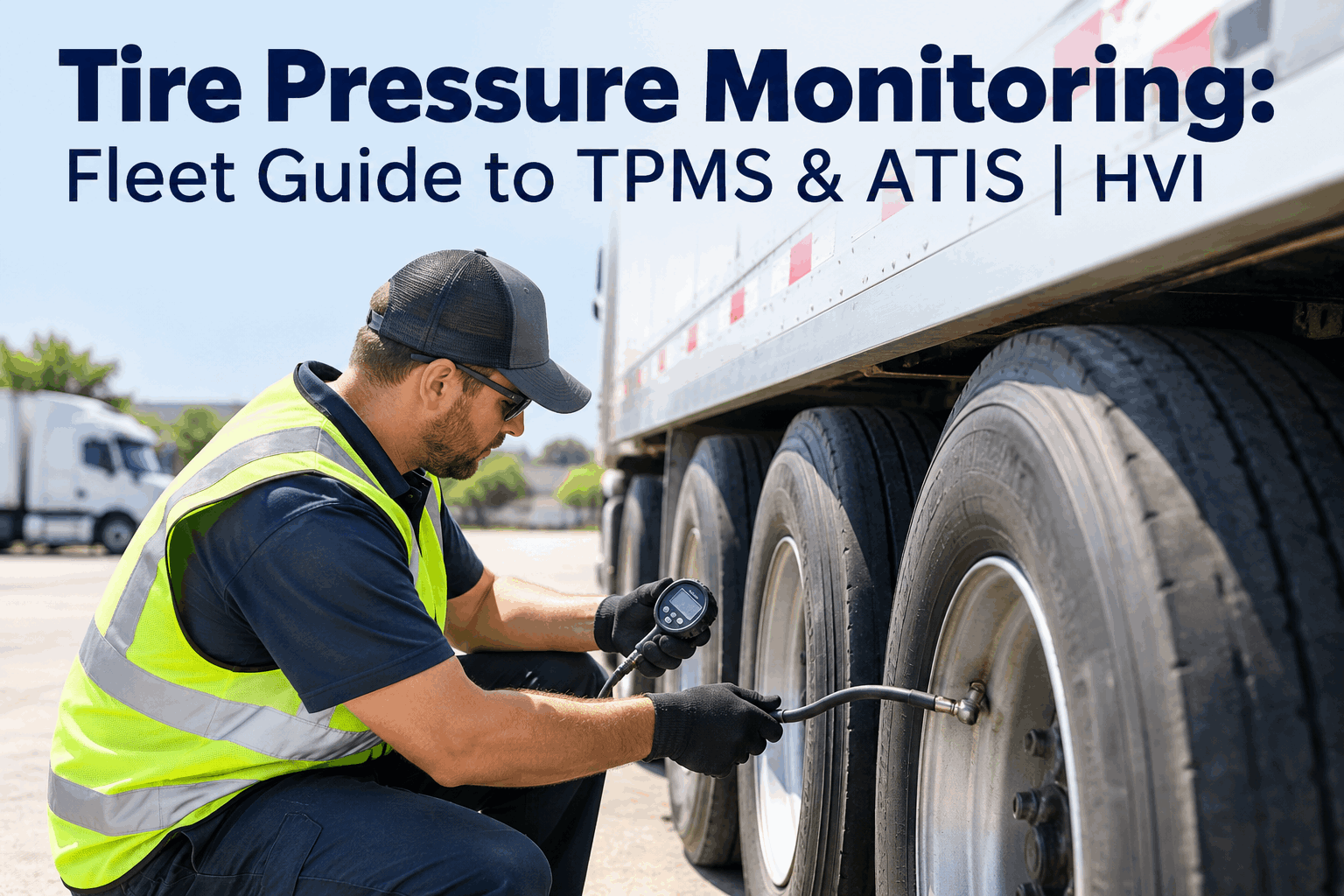
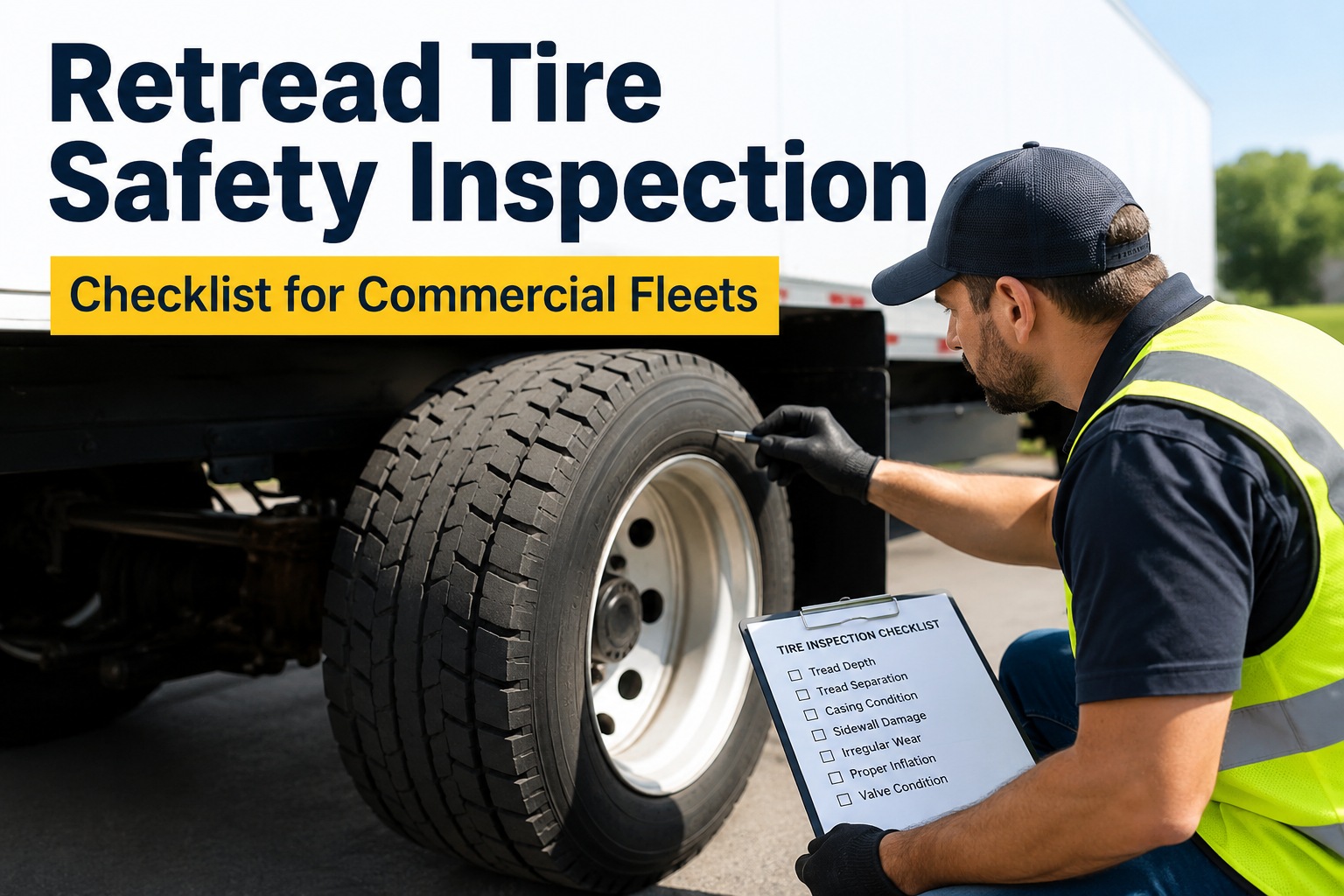
Preventing summer truck tire failures is mostly a spring job — and you can build this check into your inspection free. Run it across the fleet before the first heat wave and the chain never gets its first link:
To the position spec, cold — reset what drifted over winter before the heat amplifies it.
Inner, center, outer — thin or uneven tread runs hotter and has less margin in the heat.
Cuts, bulges, weather-checking and old repairs are where a hot casing starts to fail.
Age it out or rotate it off a hot position before summer, not after it strands a load.
Mismatched duals and leaking valves both run a tire hot — fix them before the season.
Record the readings by position so a heat-prone tire is a flagged pattern, not a memory.
The point isn't a longer checklist — it's doing it once, before summer, with a record. See the pre-season check as a scheduled task that can't quietly slip.
"We used to treat tire blowouts as summer bad luck — two or three a season, always on the hottest weeks. Then we moved the tire inspection up to May and actually logged pressure and tread by position. The at-risk tires were obvious: low pressure that had crept in over winter, a couple of aged casings on drive positions. We pulled them before June. That summer we had zero roadside blowouts — same trucks, same routes, same heat."
How HVI gets a fleet ahead of summer truck tire failures
HVI turns "we should check the tires before summer" into a scheduled, recorded, trackable thing — so the check happens on time and heat-prone tires are flagged, not forgotten. Watch an at-risk tire get caught before June:
Schedules the seasonal check
A pre-season tire inspection becomes a dated task across the fleet — it shows overdue if it slips.
Pressure & tread by position
Cold pressure and tread logged per position, so a low or thin tire on a hot-running axle stands out.
Flags the at-risk casings
Damage, age and repeat low-pressure flag as defects that route a tire off the truck before it fails.
It lives with your wider tire program, so seasonal risk sits next to year-round blowout root causes and your fleet tire management on one record.
Summer truck tire failures FAQ
Why do truck tire failures increase in summer?
Heat is the amplifier, not the root cause. A tire that's under-inflated, worn or damaged runs hotter than it should; add a 150°F road surface and long summer hauls, and internal temperature climbs past the point — around 200°F — where the rubber and bonds break down and the casing separates. The failure was set up earlier; summer just finishes it, which is why blowouts cluster from roughly July through September.
How does under-inflation cause a summer blowout?
A low tire puts more rubber on the road — a tire at 70 psi has roughly 18% more contact than one at 100 — so the sidewall flexes harder every revolution to carry the load. That flexing generates heat, and in summer the tire is already soaking heat from a hot road, so it crosses the failure threshold faster. Up to 90% of tire failures trace back to under-inflation, and heat is what turns a slow problem into a sudden one.
What temperature causes a truck tire to fail?
Tire rubber starts to break down around 200°F, and separation becomes likely above it. On a hot day the road itself can reach about 150°F, and a flexing under-inflated tire adds the rest. Many fleets running temperature monitoring set a high-temp alarm near 175°F to give the driver time to stop before the tire reaches the danger zone.
When should a fleet do its summer tire prep?
Before the heat arrives — ideally a spring inspection in April or May, ahead of blowout season which runs roughly mid-May through October. Reset cold pressure by position, check tread at three points, inspect sidewalls and repairs, and pull or rotate off the high-risk casings. Doing it once before summer prevents far more failures than reacting to them in July.
How does HVI help prevent summer tire failures?
HVI schedules the pre-season tire inspection as a dated task across the fleet, records cold pressure and tread by position, and flags damaged, aged or repeat-low-pressure tires as defects that route them off the truck before the heat. Because the readings live on each tire's record, a heat-prone tire shows up as a flagged pattern rather than a surprise on the shoulder — and seasonal risk sits alongside your year-round tire data.
Beat summer truck tire failures before the season starts
Put the seasonal tire check on the record with HVI — cold pressure and tread by position, heat-prone casings flagged and routed off — so the hot months stop costing you blowouts, tows and downtime.