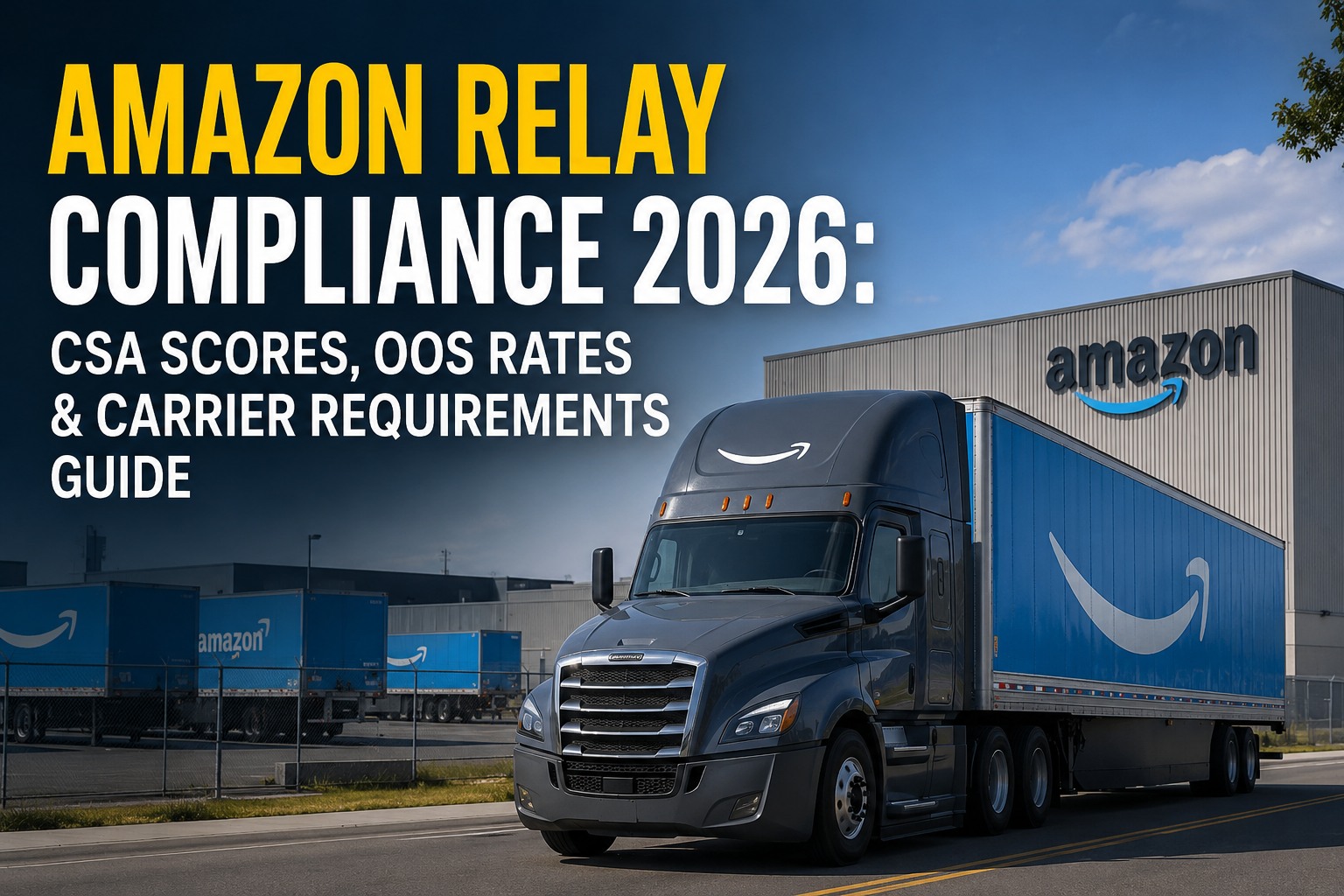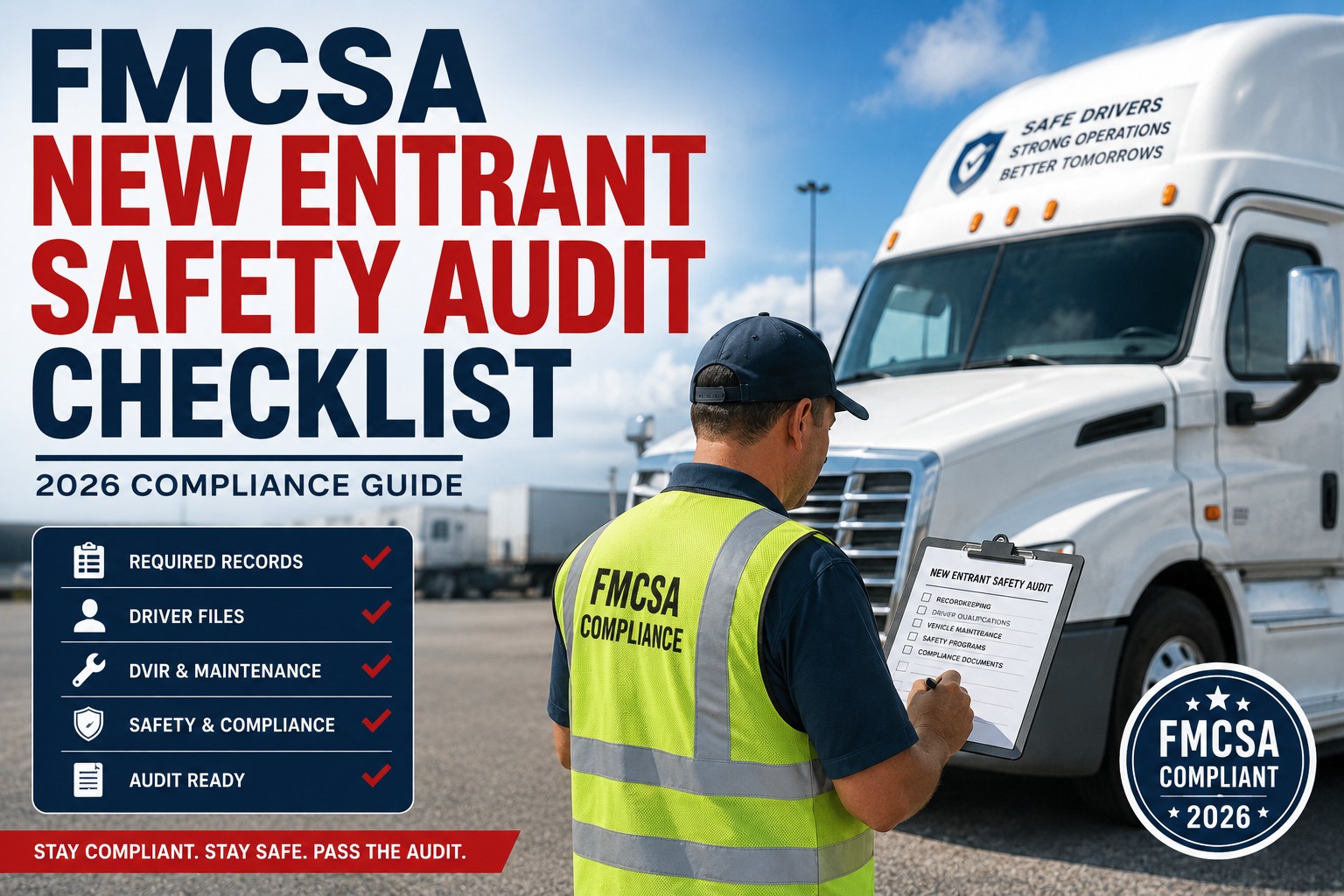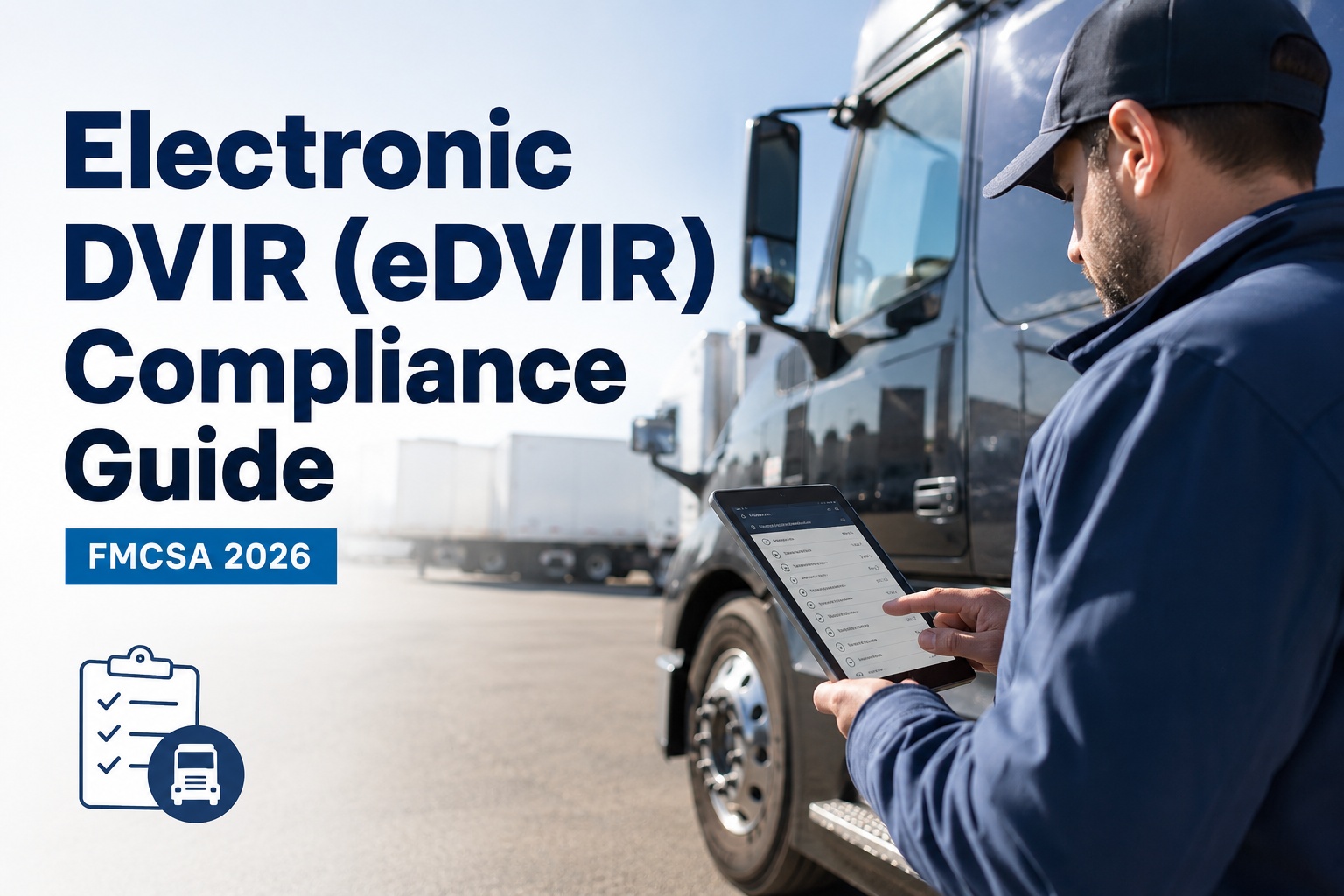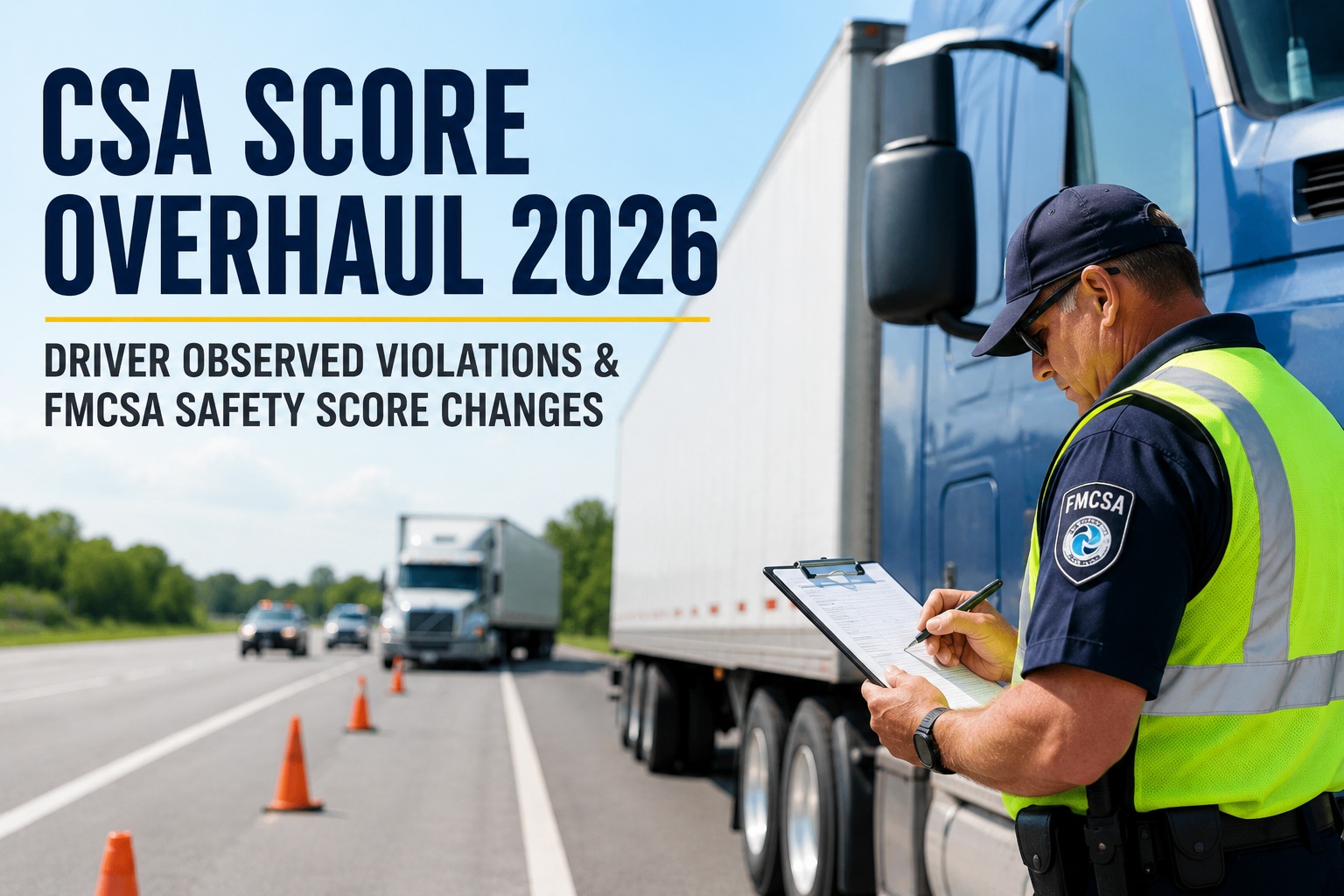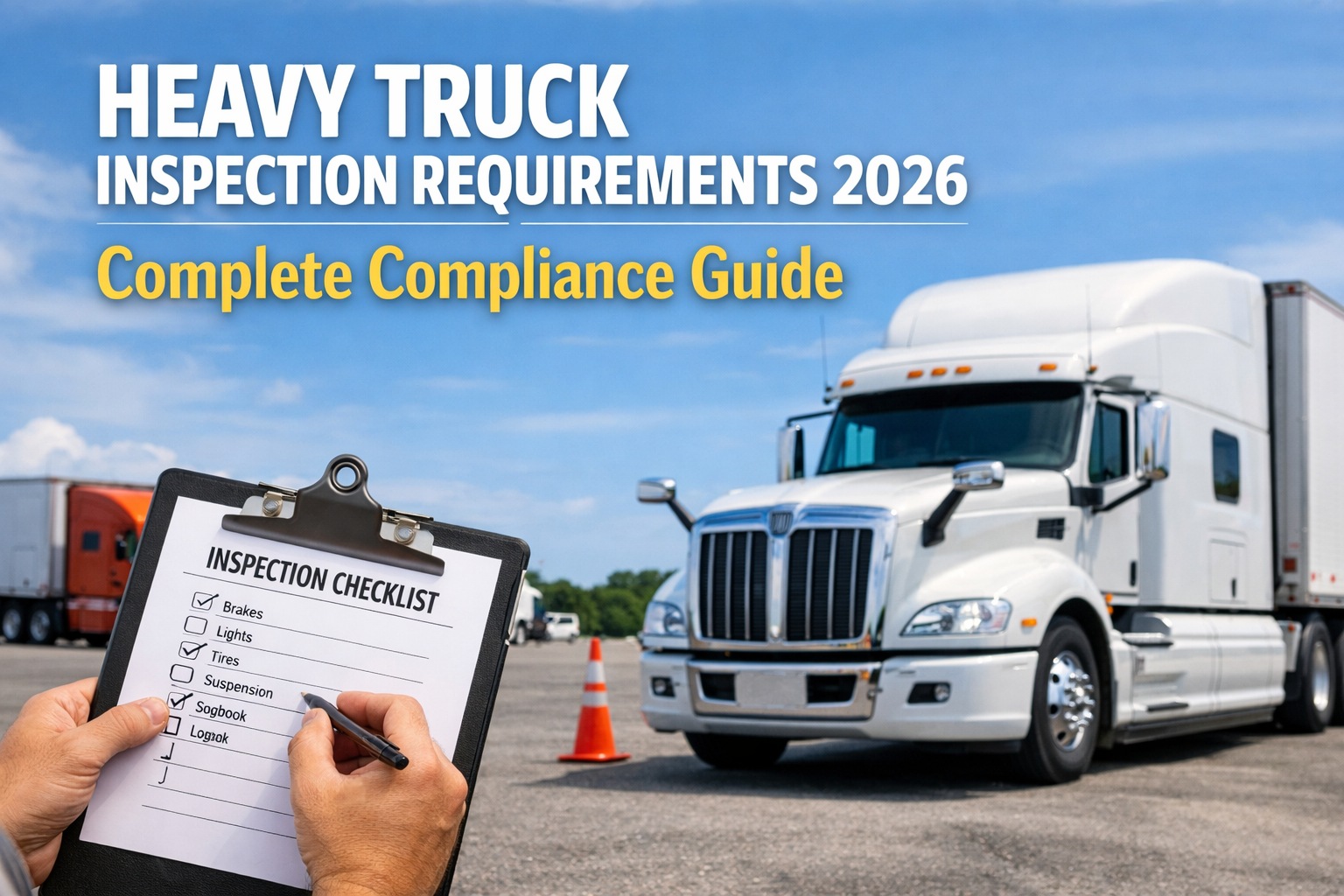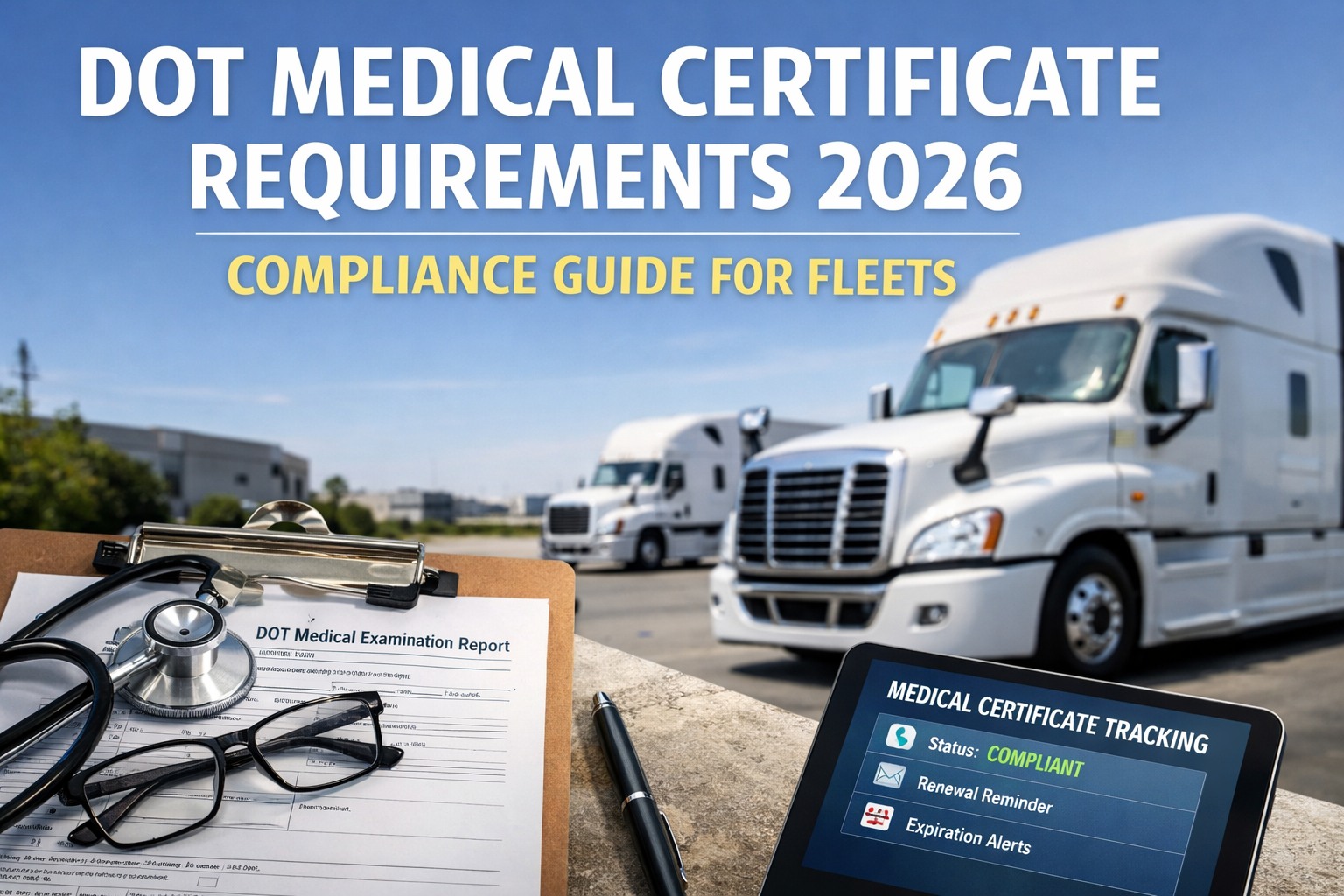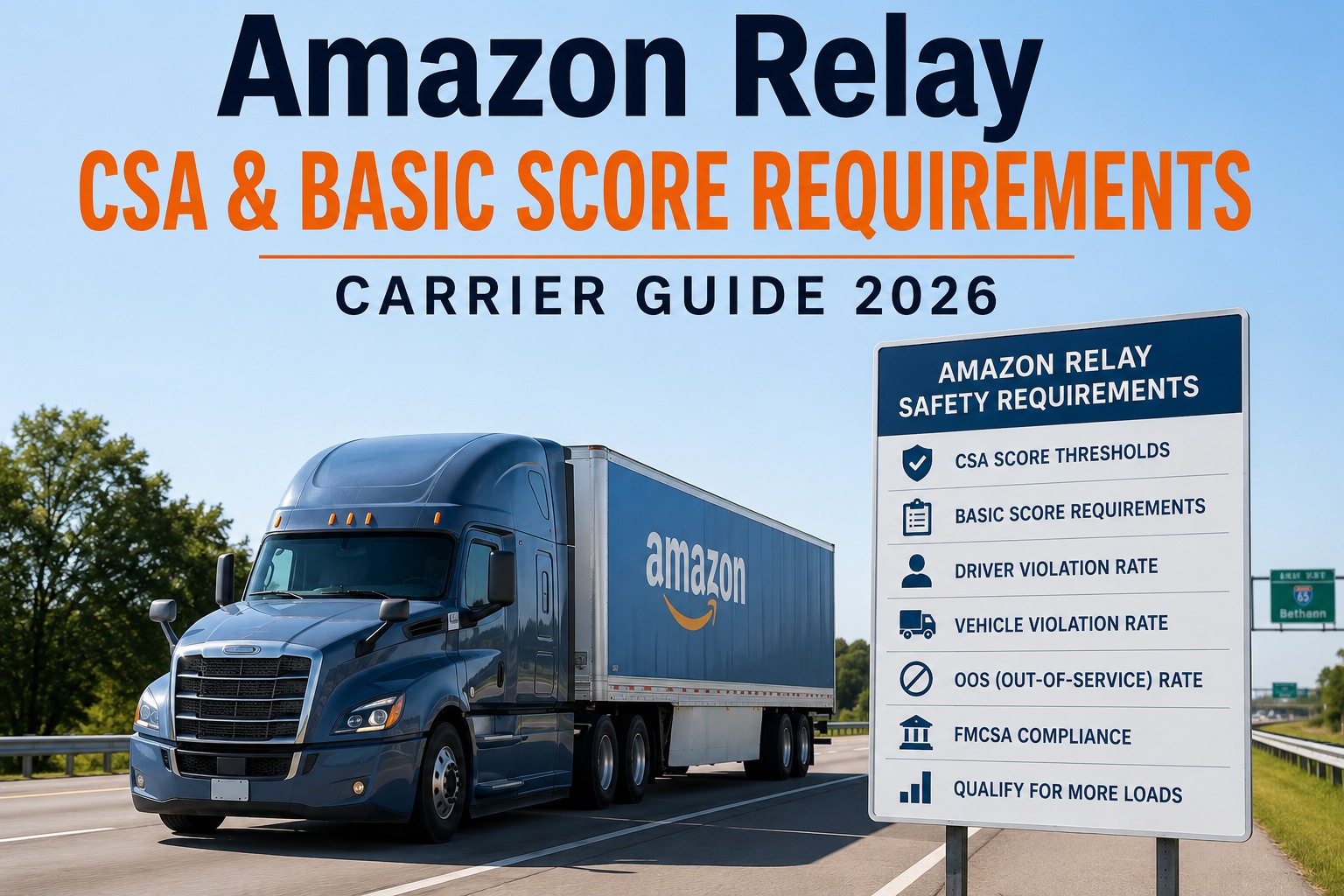
Amazon Relay CSA and BASIC score requirements are stricter than FMCSA's federal thresholds by 5 percentage points across every monitored category — and starting February 2026, Amazon added two new roadside-inspection-based metrics on top: a driver violation rate and a vehicle violation rate. This is the guide most carriers need before applying and every current Relay carrier needs to protect their load access: exactly which of the seven BASIC categories Amazon monitors, the percentile ceiling for each, the two new 2026 violation rate metrics, the non-CSA eligibility requirements (authority, insurance, equipment), and the three-strike enforcement mechanic that removes carriers with no appeal process. Get any single one wrong and Relay loads disappear from your account. Book a demo to see CSA-adjacent compliance tracked continuously against Amazon's thresholds.
Amazon Relay Safety Scorecard Preview
Every threshold Amazon Relay uses to vet your fleet — and the federal FMCSA number sitting behind it. Stay below every one.
-
Unsafe Driving60%65%
-
HOS Compliance60%65%
-
Vehicle Maintenance75%80%
-
Driver Fitness75%80%
-
Controlled Substances75%80%
Amazon Relay is the largest single load source in North American trucking, and Amazon runs its own carrier vetting on top of FMCSA's public safety data. The stated policy: Amazon's demands for safety are stricter than the federal government's. In practice, that translates to 5 percentage points tighter on every monitored BASIC category, plus two new metrics FMCSA doesn't calculate at all. Meet everything and Relay loads flow. Cross any threshold and access disappears — with no appeal process.
The 4 numbers that define Amazon Relay eligibility
Any single one of these will lock a carrier out of the Relay marketplace. Together they explain why Relay-focused compliance requires tighter monitoring than a pure FMCSA-compliance program.
- 5 pts Percentile buffer Amazon takes below every FMCSA federal threshold
- 5 of 7 BASIC categories Amazon monitors (only the public ones)
- 180 days Minimum active MC/DOT authority before application review
- 3 strikes Roadside inspections above rate limits triggers load loss — no appeal
The 3-strike enforcement rule on the new 2026 violation rate metrics is where most carriers get surprised. Amazon calculates the rate over the past 12 months of roadside inspection data; a carrier with 3 or more inspections above the threshold may lose Relay access with no appeal path. Book a demo to see roadside-inspection data trended per carrier
The 5 BASIC categories Amazon monitors — and what each measures
Amazon monitors the five public BASIC categories from FMCSA's Safety Measurement System. The two private categories — Crash Indicator and Hazardous Materials — are not visible in public data and do not factor into Relay's decision. Here is what each monitored category actually measures and where Amazon draws the line.
Speeding, reckless driving, improper lane changes, seatbelt use, phone use, following too closely. The highest crash-correlation category. Coaching, driver training, and monitored telematics data are the operational levers. Since 2026 CSA rule updates absorbed Controlled Substances into Unsafe Driving, the scope of what pulls this percentile up has widened for many carriers.
Hours-of-Service violations from ELD data, log falsification, missed off-duty periods. Also strong crash correlation, hence the tighter federal threshold. Amazon further tightens by 5 points to 60%. ELD monitoring discipline and dispatcher trip planning that respects HOS windows keep this percentile controllable.
Brakes, tires, lights, coupling, defects found in roadside inspections. The single most inspection-controllable BASIC. Every violation caught by a driver at pre-trip and repaired in the yard is one that doesn't reach the roadside record. Under the 2026 CSA overhaul, this category split into standard maintenance and "Driver Observed" — DVIR quality now scores separately.
CDL validity, medical certification currency, driver qualification file completeness. Recordkeeping-driven. Missing or expired CDLs alone account for roughly 5% of all violations under this BASIC. Digital DQ file management with 90/60/30-day expiration alerts is the reliable prevention layer.
Drug and alcohol program compliance, pre-employment testing, random testing rate compliance (50% drug, 10% alcohol), Clearinghouse query completeness. Note that under the 2026 CSA restructuring, some Controlled Substances violations feed into the Unsafe Driving category — the two are increasingly linked in Amazon's monitoring view.
The two BASIC categories Amazon does NOT monitor are Crash Indicator (private data) and Hazardous Materials (also private). Amazon has stated it does not factor these into Relay eligibility because they are not publicly visible in FMCSA's SMS. Start free and get CSA-adjacent inspection compliance dashboarded per truck
The 2 NEW 2026 violation rate metrics
Announced in the fall of 2025 and enforced starting February 2026 for existing carriers, these two metrics sit on top of the BASIC monitoring. New carriers onboarding to Relay must meet the thresholds immediately. Both metrics are calculated from 12 months of roadside inspection data with greater emphasis on out-of-service violations.
Driver Violation Rate
What it measures: How often driver-related violations occur across the carrier's roadside inspections over 12 months. Weighted toward OOS violations.
What triggers it: HOS violations at roadside, driver documentation gaps, driver-cited defects, controlled-substance findings, license-related issues.
Enforcement: 3 or more inspections above threshold in the 12-month window may lose Relay access.
Vehicle Violation Rate
What it measures: How often vehicle-related violations occur across the carrier's roadside inspections over 12 months. Also weighted toward OOS violations.
What triggers it: Brake defects, tire violations, lighting violations, coupling issues, load securement failures, other maintenance-detected violations.
Enforcement: Same 3-strike mechanic. Threshold visible in the Relay Safety Scorecard on the carrier's Relay portal.
The rate calculation uses total inspections as the denominator, so a small fleet with few inspections can be knocked out of Relay by a small number of violation events proportionally. Ongoing pre-trip discipline, DVIR quality, and preventive maintenance are the operational defenses that keep both rates low. Book a demo — see pre-trip discipline that prevents roadside violations
The complete Relay eligibility checklist — beyond CSA
CSA and BASIC thresholds are Amazon's ongoing performance monitoring. Before you get to that layer, applications also have to meet authority, insurance, and equipment requirements. Miss any of these and the application won't reach the safety-score review at all.
Applications typically review in about three weeks once submitted. Approval unlocks the Relay portal and app, initial load booking access, and the Relay Safety Scorecard where BASIC percentiles and violation rates are visible against Amazon's thresholds in real time. Start free and get compliance records positioned to survive Amazon's vetting review
From an owner-operator who watched a score drift into the ceiling
Vehicle Maintenance was at 61% in October. By January it was at 74%. Two brake violations on the same truck at different roadside stops, one lighting citation. That's it — three inspections, three findings. My Relay Safety Scorecard flipped to warning in a week.
What changed my approach was realizing the score wasn't the problem. The problem was that I hadn't seen those brake issues before roadside did. I'd been doing pre-trips but I hadn't been documenting them, so I couldn't tell whether a driver actually looked or just marked the sheet. Photo-verified pre-trips fixed both problems — the truck's actual condition and the record that proves it.
Frequently asked questions
What CSA scores does Amazon Relay require?
Amazon Relay requires percentile rankings below its own stricter thresholds across five BASIC categories, which sit 5 percentage points below FMCSA's federal intervention thresholds. Specifically: Unsafe Driving must be below 60% (FMCSA: 65%), HOS Compliance below 60% (FMCSA: 65%), Vehicle Maintenance below 75% (FMCSA: 80%), Driver Fitness below 75% (FMCSA: 80%), and Controlled Substances below 75% (FMCSA: 80%). Amazon publishes this policy directly on the Relay portal as its carrier vetting standard. The two BASIC categories Amazon does not monitor are Crash Indicator and Hazardous Materials, both of which are private data not visible in FMCSA's public Safety Measurement System. Amazon also requires an FMCSA Safety Rating of "Satisfactory," "None," or "Not Rated" — a Conditional or Unsatisfactory federal rating disqualifies the application before CSA review. Percentile scores update monthly based on trailing 24-month roadside inspection and crash data, so a carrier that crosses a threshold has a one-month early warning cycle from the Relay Safety Scorecard before Amazon typically initiates coaching contact.
What are the 2026 Amazon Relay violation rate metrics?
In fall 2025, Amazon Relay announced two new safety metrics that sit on top of the existing BASIC monitoring: the Driver Violation Rate and the Vehicle Violation Rate. Both are calculated from 12 months of roadside inspection data with greater weight given to out-of-service violations. Amazon started enforcing these limits for existing carriers in February 2026; new carriers onboarding must meet the thresholds immediately. The Driver Violation Rate must be at or below 35% to qualify for Relay loads. It measures how often driver-related violations occur across the carrier's inspections — HOS violations, driver documentation gaps, driver-cited defects, controlled-substance findings, license-related issues. The Vehicle Violation Rate has a similarly calculated threshold visible in the Relay Safety Scorecard on the carrier's portal; it measures how often vehicle-related violations occur — brake defects, tires, lighting, coupling, load securement. Enforcement uses a 3-strike mechanic: carriers with 3 or more inspections that exceed the threshold in the 12-month window may lose access to Relay loads with no appeal process. The rates are visible in real time on the Relay Safety Scorecard.
How long does DOT authority need to be active to qualify for Amazon Relay?
Amazon Relay requires a minimum of 180 days of active DOT authority (with a valid MC number) before it will review an application. Carriers can submit an application with less than 180 days of authority — Amazon accepts the submission and holds it — but the review only starts once the 180-day threshold is met. Industry best practice is to apply around month 4 or 5 of authority so the file is ready for review as soon as day 180 hits. Beyond authority tenure, applications also require the entity to be classified as a "Carrier" authorized for Property and For Hire in FMCSA records. Applications typically review within about three weeks of becoming eligible. During those first 180 days, carriers should focus on building the clean roadside inspection record, DQ file completeness, and DVIR discipline that will produce favorable CSA percentiles and violation rates by the time the application reaches the safety review stage. A carrier that reaches day 180 with a high BASIC percentile or violation rate has a much longer path to Relay access than one that used those 180 days to build a clean compliance history from day one.
Which BASIC categories does Amazon Relay monitor?
Amazon Relay monitors five of the seven Behavior Analysis and Safety Improvement Categories from FMCSA's Safety Measurement System: Unsafe Driving, HOS Compliance, Vehicle Maintenance, Driver Fitness, and Controlled Substances. These are the five categories that are publicly visible in FMCSA data. The two categories Amazon does NOT monitor are Crash Indicator and Hazardous Materials, both of which are private in FMCSA's SMS and therefore not available for Amazon's vetting process. Amazon has confirmed this scoping directly in its Relay blog materials. The practical implication for carriers: incidents that only touch Crash Indicator or HAZMAT don't directly affect Relay eligibility, but the underlying operational failures those incidents represent almost always also register in one of the five monitored categories, so treating any BASIC as low-priority is a risk. Under the 2026 CSA overhaul, the categories have been renamed and partially restructured — Vehicle Maintenance is now split into "Standard" and "Driver Observed," and Controlled Substances is increasingly consolidated with Unsafe Driving. Amazon's monitoring adapts to these federal changes on FMCSA's data release schedule.
Can I appeal if Amazon Relay removes my load access?
No. Amazon Relay has stated explicitly that there is no appeal process for enforcement decisions based on the new 2026 violation rate metrics. The same "no appeal" policy applies to BASIC score exceedances that cross Amazon's stricter thresholds. Responsibility for identifying violation trends, correcting them, and maintaining eligibility falls entirely on the carrier. The operational implication: Amazon Relay compliance requires proactive monitoring, not reactive response. Carriers monitor the Relay Safety Scorecard monthly, watch for BASIC percentile drift toward thresholds, watch for violation rate accumulation across the 12-month rolling window, and address underlying operational issues before roadside inspections produce the next citation. Amazon does perform outreach through coaching contact when a score is nearing a threshold, but this is advisory, not appealable. If load access is lost, the recovery path is a documented pattern of clean inspections over subsequent months that pulls the trailing metrics back below the threshold. There is no fast track. Prevention through disciplined inspection, maintenance, and driver-training programs is the only reliable Relay compliance strategy.
Compliance discipline that keeps Relay loads flowing
HVI drives the inspection, DVIR, and DQ file discipline that produces the clean roadside record Amazon Relay's stricter thresholds require. Guided pre-trips catch brakes/tires/lights in the yard. DVIRs score clean on the 2026 Driver Observed category. Credential alerts fire at 60/30/7 days. Every record audit-ready. Live in under two weeks — and your Relay Safety Scorecard trends stay green.
No credit card · No hardware · Compliance tracking ready day one