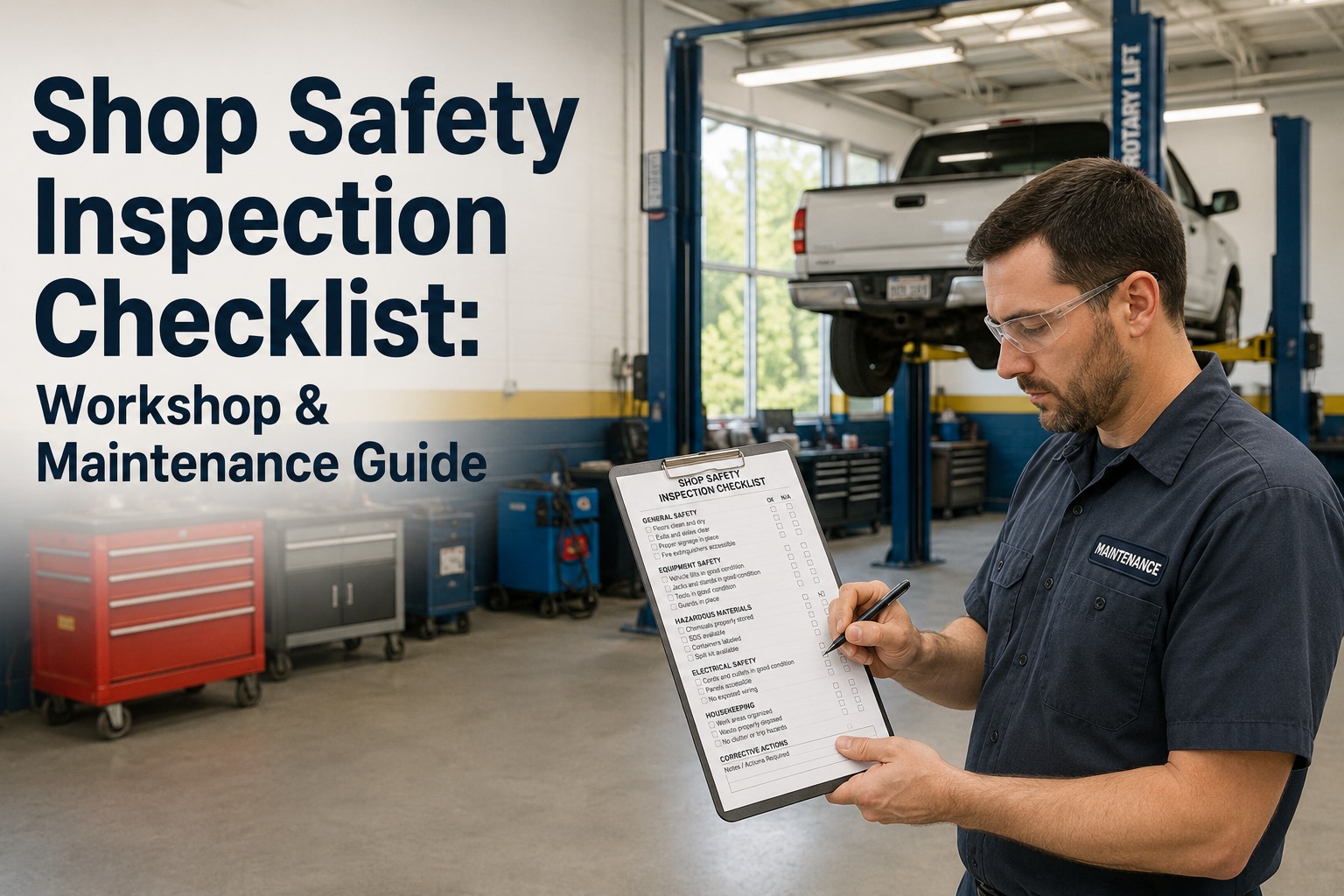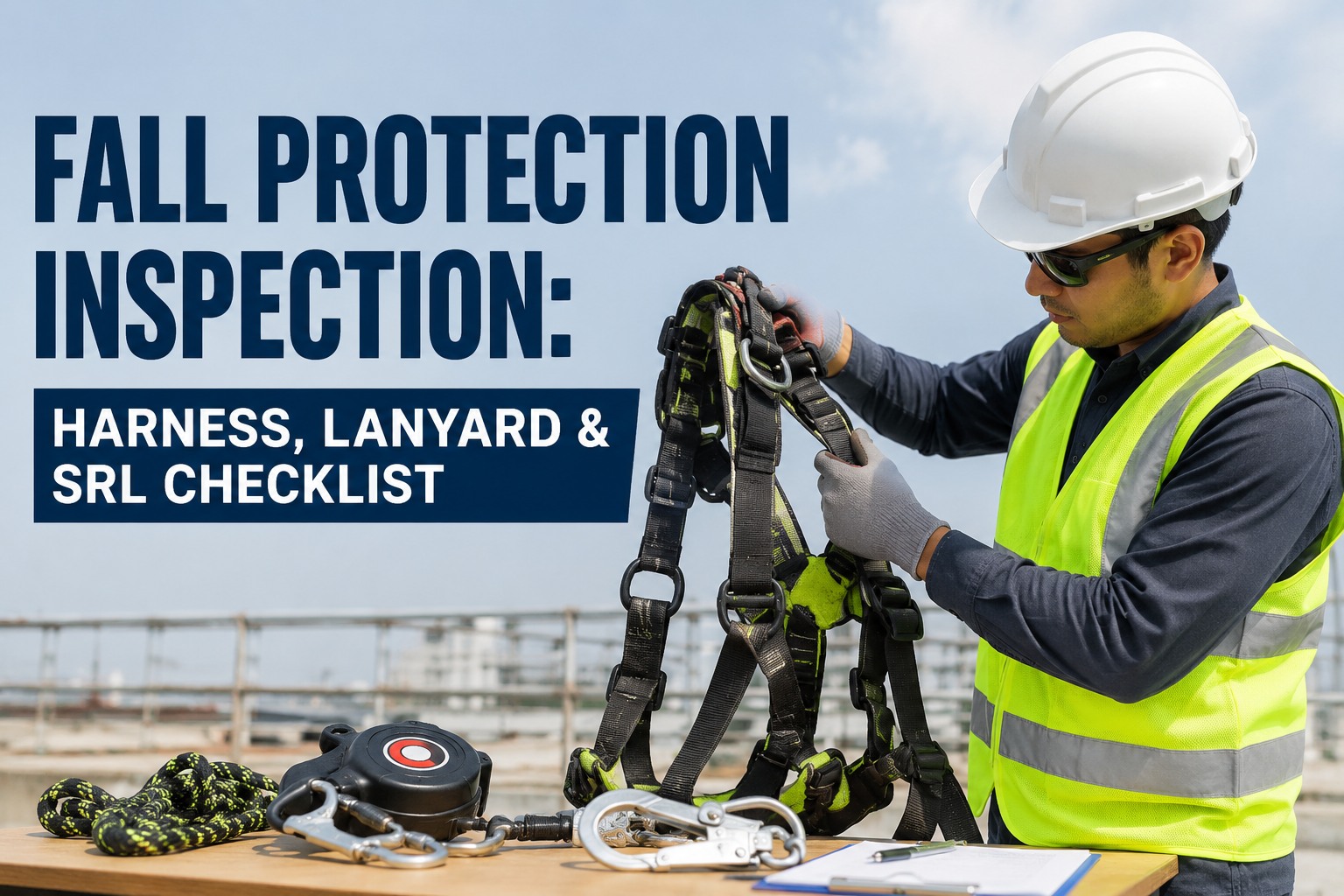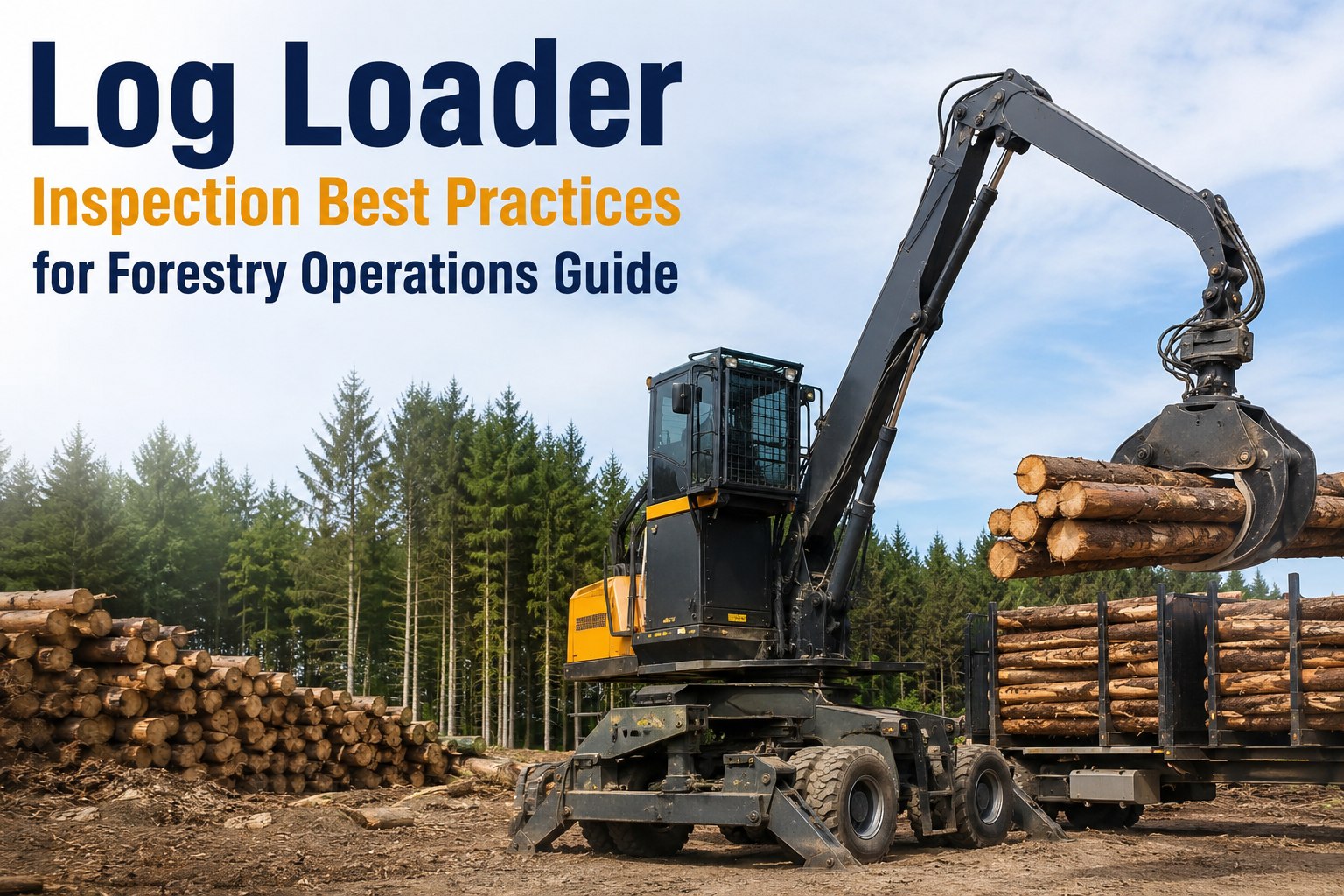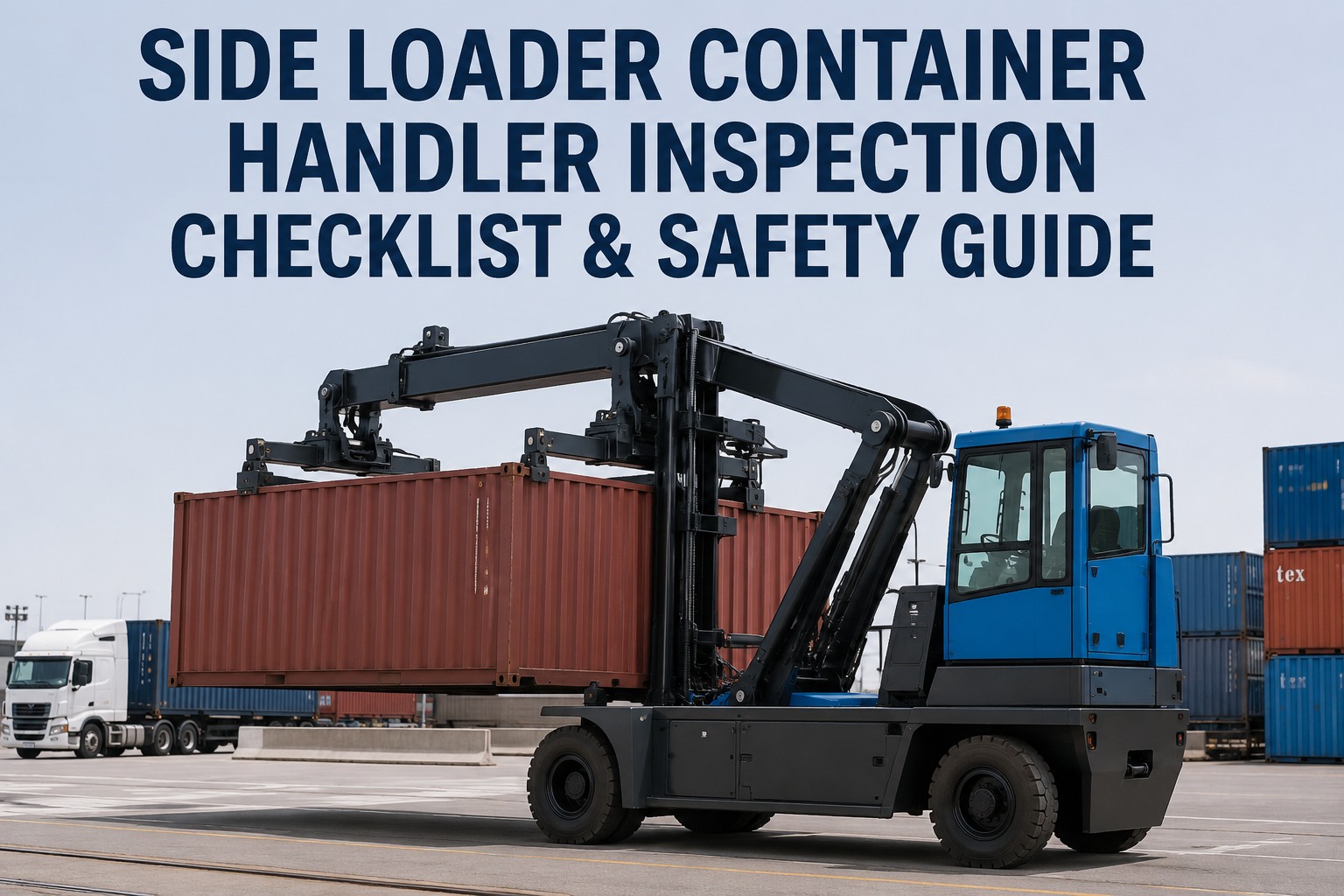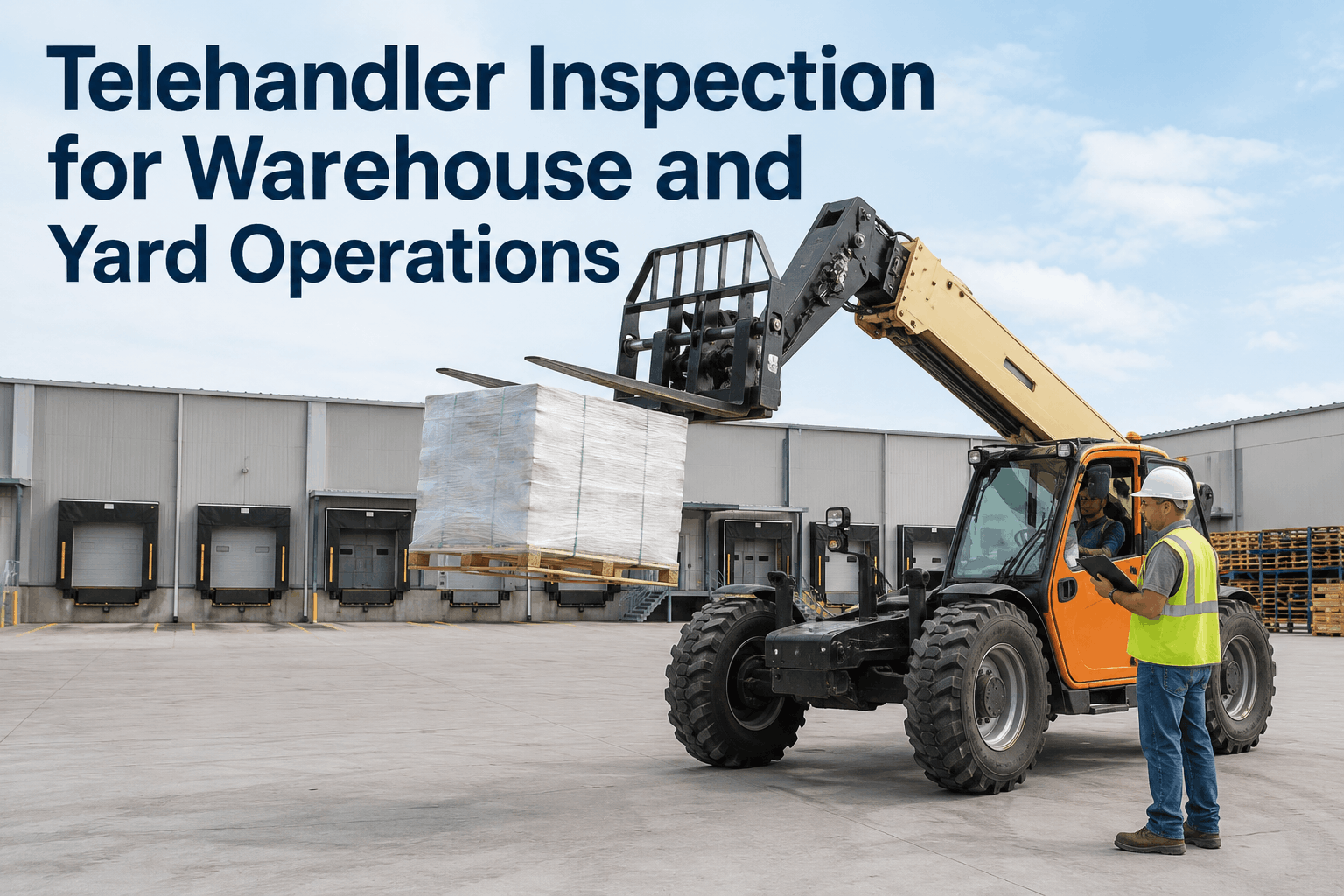
A telehandler is the most versatile machine in the yard and the easiest one to put into a dangerous situation without realizing it. Unlike a forklift, which lifts straight up over a fixed wheelbase, a telehandler extends its boom out and away — and the instant that boom reaches forward, the machine's lifting capacity starts to collapse. A unit rated to lift 10,000 lbs at the carriage might safely handle barely a quarter of that at full reach and height. That single fact is why the load chart, not the boom, is the heart of telehandler safety, and why a warehouse or yard running these machines on a forklift-style "looks fine" check is exposed in ways it can't see. Swap an attachment and the load chart changes. Extend the boom and it changes again. Add the abuse of warehouse and yard duty — telehandlers lift, reach, crawl, and carry across uneven ground all shift — and the boom, hydraulics, and attachment couplings wear faster than anything else on the machine. OSHA requires a documented pre-shift inspection under 29 CFR 1910.178, and attachments must meet ANSI/ITSDF B56.6. This telehandler inspection guide for warehouse and yard operations covers what actually matters — load charts, attachments, hydraulics, and ANSI compliance — and how a digital workflow keeps every check documented and every operator on the right capacity.
Why the Load Chart Comes First
Every telehandler accident investigation eventually arrives at the same question: was the machine within its load chart? Capacity isn't a single number — it shrinks as the boom extends and lifts. Reading the chart before the lift is the most important inspection step there is.
Boom in, load close to the machine, near the ground — this is where rated capacity lives. Maximum safe lift.
As the boom reaches forward, the load moves away from the wheelbase and capacity drops sharply. Check the chart for this reach.
At maximum extension and height, safe capacity can fall to a quarter of the rated figure or less. The danger zone.
The Four Inspection Priorities
A warehouse telehandler check has to go beyond a forklift walk-around. These are the four areas that carry the real risk on a telescopic machine — and the ones a generic checklist underweights.
Load Chart & Stability
Chart present, legible, and matched to the fitted attachment. Load stability indicator (LSI) and overload protection functional. Stabilizers/outriggers undamaged and deploying on firm, level ground.
Boom & Wear Pads
Boom sections for cracks or deformation, wear pad condition and clearance, telescope cylinder and hoses for leaks, pivot pins and retaining hardware, extension chain/cable adjustment and condition.
Hydraulics
Hydraulic oil level and system pressure, filter clean, hoses aligned and not leaking, cylinder rods free of scoring, relief valve pressures correct. Contamination is the enemy of every telehandler function.
Attachment & Coupler
Quick-coupler engagement secure, fork blades and heel for wear or cracks, carriage locking hooks and pins, attachment matched to the load chart and ANSI-labeled, auxiliary hydraulic connections tight.
Attachments Change Everything — Including ANSI Compliance
Swapping a fork carriage for a bucket, grapple, or auger doesn't just change the job — it changes the machine's capacity, its behavior, and its compliance status. This is where ANSI/ITSDF B56.6 lives, and where warehouse fleets most often slip.
Match the Capacity Chart
The chart's model must match the telehandler in use. The carriage chart assumes a 24-inch load center — if the combined attachment and load exceed that, an equivalent load must be calculated before lifting.
ANSI/ITSDF B56.6 Label
Every attachment must be clearly labeled per B56.6. If it isn't labeled, isn't approved for the model, or lacks the proper capacity chart — do not use it. No exceptions.
Hydraulic Rating
Powered attachments (augers, grapples) require auxiliary hydraulics rated for the attachment's flow (gpm) and pressure (psi). The machine must be equipped to handle them — verify before connecting.
Inspect Per Attachment
Each attachment gets its own check — a broom needs bristle-wear and greasing-point inspection; forks need blade and heel checks. A heavy bucket stresses the boom differently than forks, so the inspection adapts.
The PM Schedule for Warehouse & Yard Telehandlers
Pre-shift inspection catches the immediate hazard; scheduled PM keeps the boom, hydraulics, and attachments from getting there. Warehouse and yard duty is hard on these machines, so usage-based intervals matter.
Keep Every Telehandler On the Right Chart and Audit-Ready
Guided pre-shift inspections for load charts, boom, hydraulics, and attachments; ANSI/ITSDF B56.6 compliance tracking; manufacturer-interval PM scheduling; instant defect-to-work-order routing; and timestamped records — built for warehouse and yard operations. Trusted by 25,000+ users worldwide.