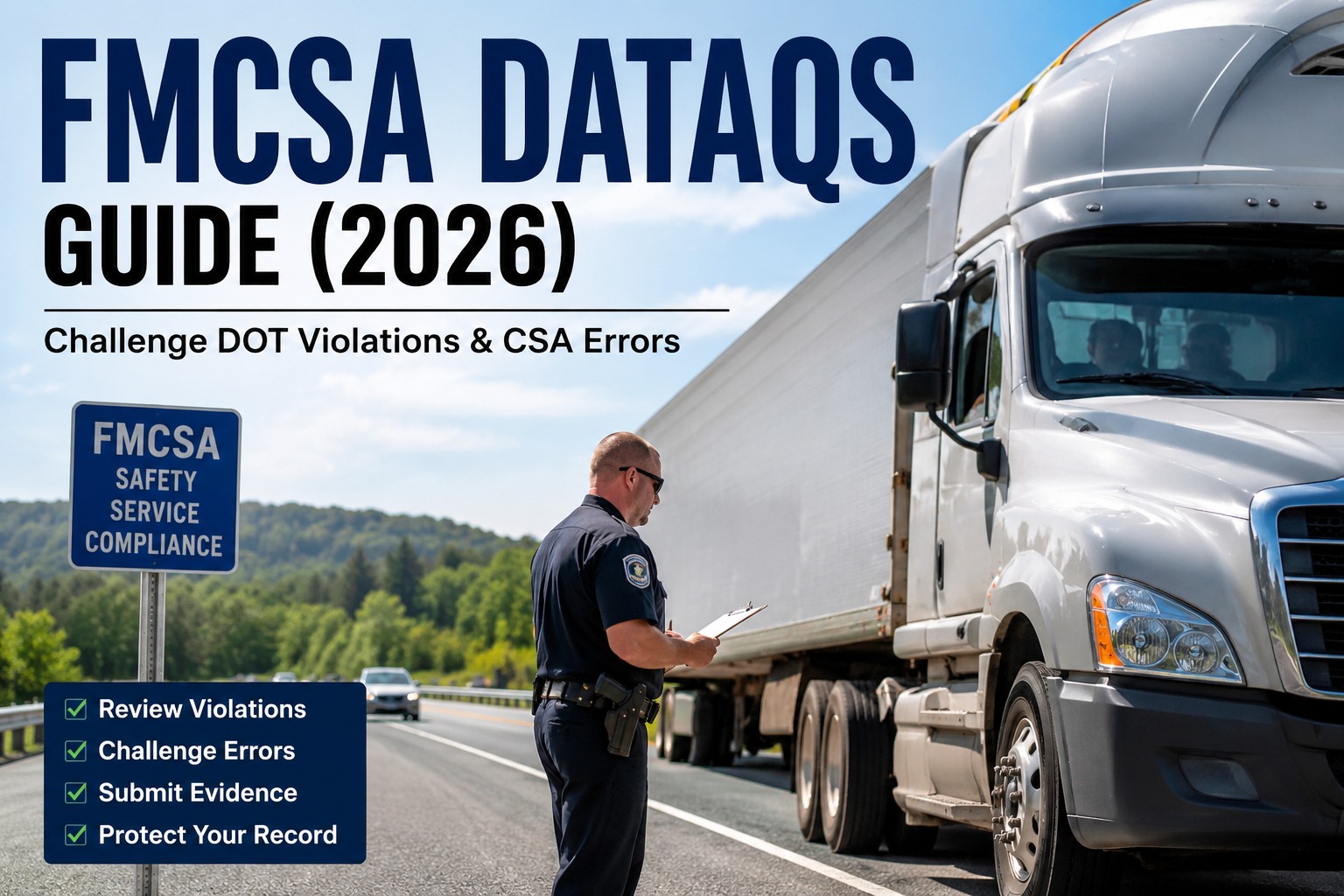
FMCSA DataQs is the federal process every US motor carrier can use to challenge inaccurate DOT inspection records, incorrect violation codes, and wrongly attributed CSA data. A Request for Data Review (RDR) is filed free at dataqs.fmcsa.dot.gov within 3 years of the inspection date. Success rates run 70-90% for data entry errors and duplicates, 30-50% for violation code disputes with good evidence, and roughly 39% overall on violation challenges. Book an HVI demo to keep evidence-ready records.
Not every violation on your record is accurate. Not every challenge succeeds.
DataQs success rates vary dramatically by challenge type. Knowing which categories win, and what evidence they require, is the difference between a cleaner CSA record and a wasted afternoon.
Most significant DataQs reform since inception. Bans issuing officers from deciding challenges on their own citations. Multi-stage state review process. MCSAP grant funding tied to state compliance.
What DataQs is — and why every fleet needs to use it
DataQs (short for Data Quality Services) is FMCSA's online portal for challenging errors in the Motor Carrier Management Information System (MCMIS) — the federal database that stores every roadside inspection report, DOT-recordable crash, and investigation result associated with a carrier's USDOT number. When you believe a violation, inspection record, or crash report on your safety record contains errors, you file a Request for Data Review (RDR) at dataqs.fmcsa.dot.gov. Filing is free. You have up to three years from the inspection date to submit a challenge.
Because most MCMIS data comes from state officers and inspectors submitting reports through their own systems, errors happen. A crash gets marked "preventable" when the physical evidence says otherwise. A violation gets logged under the wrong DOT number. A duplicate entry appears from the same inspection event. A dismissed court citation stays on the record with no reflection of the outcome. Every one of these errors feeds directly into your CSA percentile scores, driving up your inspection-selection frequency, insurance renewal costs, and eligibility for premium freight lanes. A single wrongly-recorded infraction can remain on your record for 24 months — making DataQs one of the highest-ROI compliance activities most fleets ignore. Book an HVI demo to see evidence-ready inspection records that make RDR filing simple
The 2026 DataQs overhaul — what actually changed
On April 16, 2026, FMCSA published the most significant DataQs reform since the system's inception in the Federal Register. The changes respond to years of industry complaints about inconsistent state adjudication and conflict-of-interest issues. Implementation runs on a 150-day timeline — new requirements go live in September 2026.
Officers who issued the original citation can no longer decide the RDR challenging that same citation. This is the single most impactful change — it eliminates the built-in conflict where the person being challenged reviews the challenge.
States must implement a formal multi-stage review process for RDR challenges rather than the ad-hoc handling previously common. Denials at stage 1 can proceed to independent review at subsequent stages within the state process.
States must comply with new DataQs standards to receive Motor Carrier Safety Assistance Program (MCSAP) federal grant funding. This provides financial incentive for state cooperation with the reformed process.
Each denied appeal must be accompanied by a comprehensive explanation including the name of the decision-maker and the specific evidence reviewed. This gives fleets a clearer legal basis to decide whether to escalate to subsequent review stages.
What did NOT change: there is still no federal-level appeal path for a state-denied RDR. FMCSA proposed federal escalation in the 2023 rulemaking but shifted in 2026 to strengthening the state-level process instead. If your state denies at all available review stages, the challenge is effectively final. Try HVI free to build the evidence-quality that gets challenges accepted at stage 1.
When to file — and when not to
Not every violation on your CSA record is worth challenging. Filing challenges without documented evidence generates administrative burden, mildly antagonizes the issuing agency, and rarely improves your score. Knowing which categories are worth pursuing is the difference between meaningful CSA improvement and busywork.
- Factual data errors: wrong date, wrong location, wrong vehicle unit
- Incorrect carrier assignment: violation logged under wrong DOT number
- Duplicate entries from the same inspection event
- Dismissed citation with court documentation
- Wrong driver assigned to inspection or violation
- Wrong violation code applied for the actual defect
- Vehicle information doesn't match: VIN, plate, unit number
- Violation you believe was misidentified (photo evidence required)
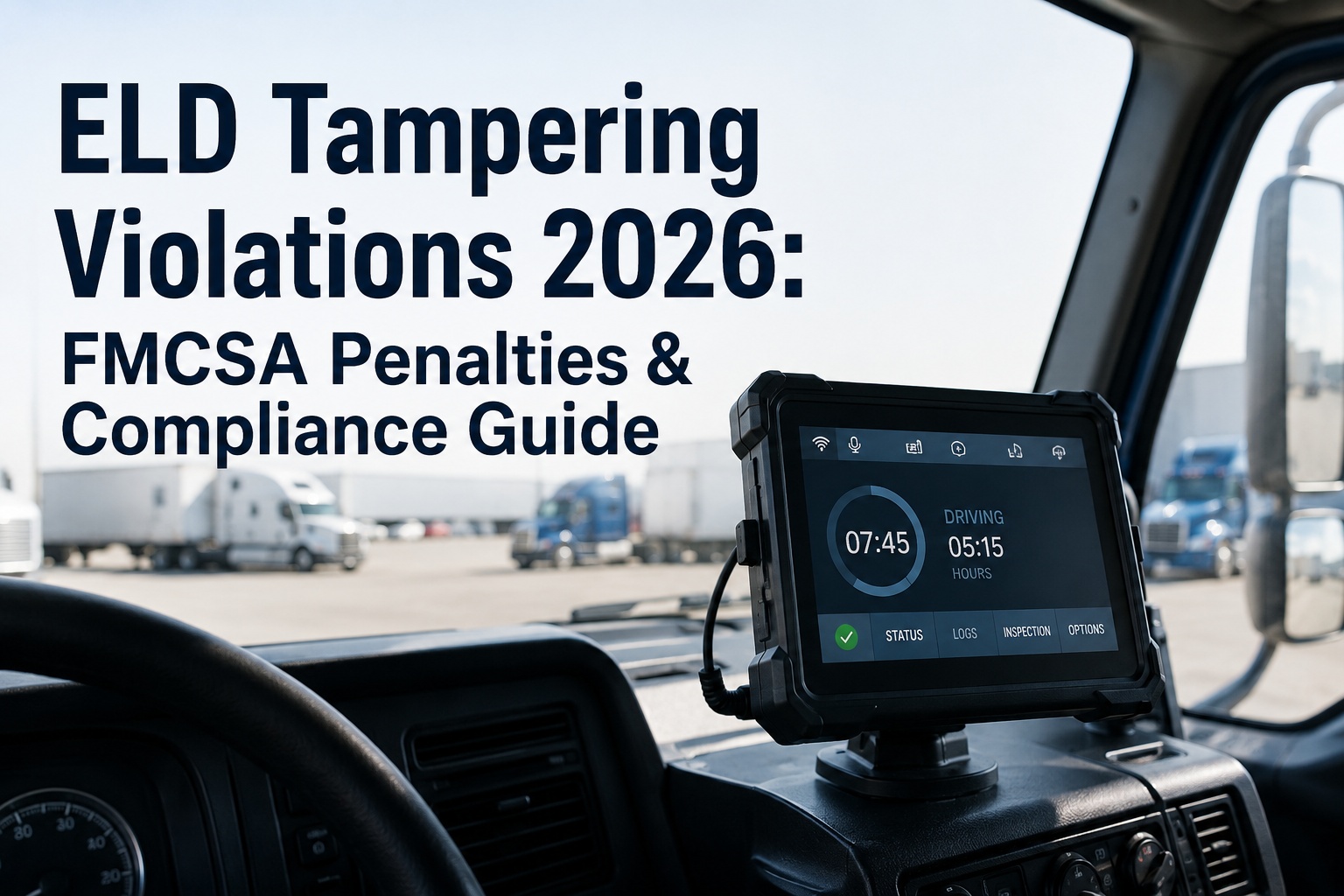
- ELD tampering allegation with clean ELD download disproving it
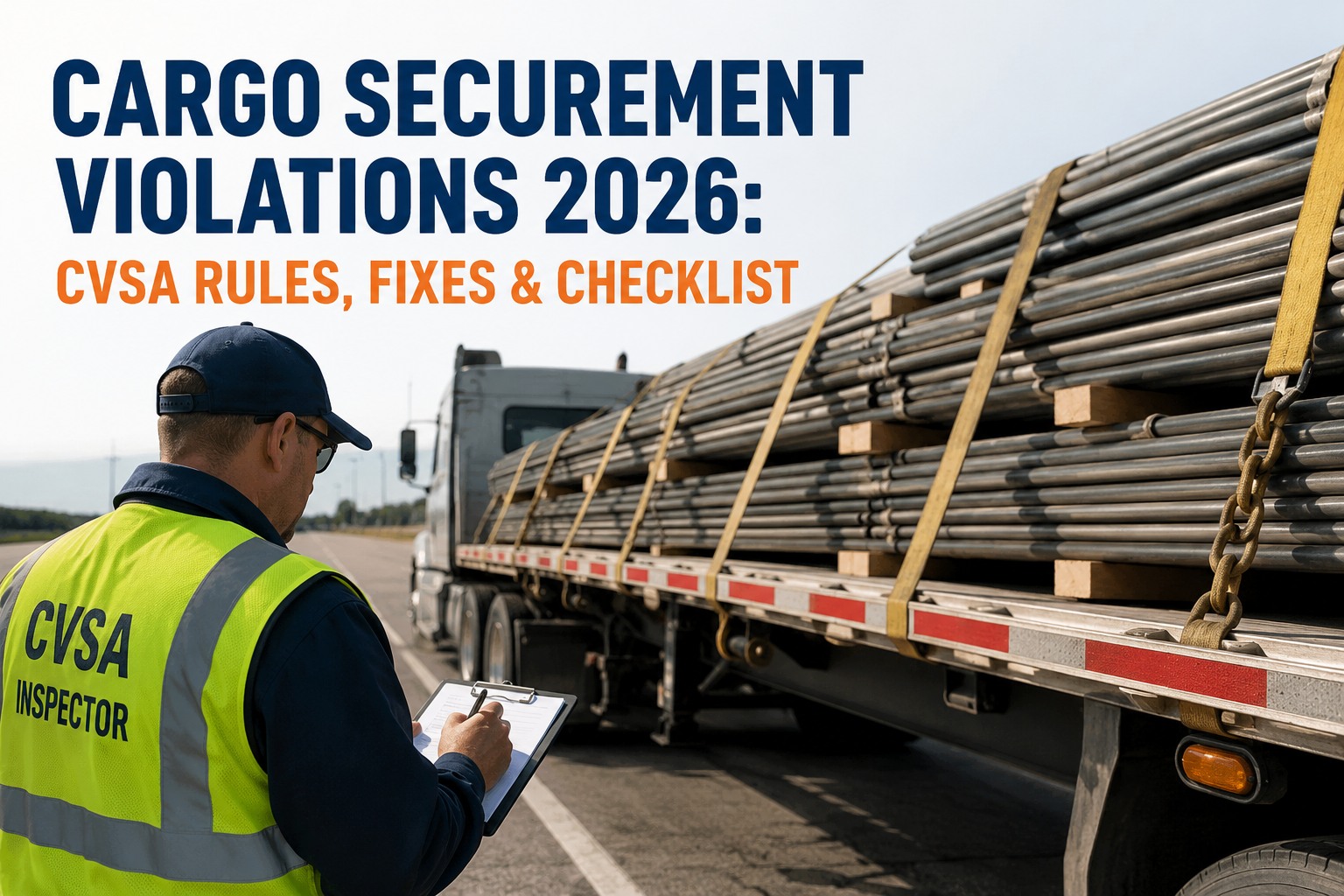
- Cargo securement citation with photo evidence of compliance
- Non-preventable crash with police report supporting
- Brake measurement dispute with certified measurement records
- "The officer was wrong" without documentary evidence
- Officer discretion determinations without contradicting evidence
- Violations you know were correctly issued
- General complaints about inspection fairness
- Challenges without any supporting documentation attached
How to file an RDR — step by step
The RDR filing process is standardized across all states and runs entirely online at dataqs.fmcsa.dot.gov. Preparation matters far more than form-filling — the quality of evidence attached determines outcome more than any other factor.
Visit dataqs.fmcsa.dot.gov and log in or create an account. Motor carriers, drivers, and authorized representatives can all file. Multiple RDRs from one company should be filed under the same account for tracking.
Search for the specific inspection report, violation, or crash by inspection report number, date, or event details. Verify you're challenging the correct record before proceeding. Filing against the wrong record wastes the 3-year window.
Choose from: inspection data error, violation code error, crash accountability, or carrier attribution error. The category you choose routes the RDR to the correct state adjudicator. Wrong category = automatic delay while it's re-routed.
State the specific error, cite the correct information, and reference the evidence attached. Keep it factual. Emotional or accusatory language reduces credibility. State adjudicators read hundreds of RDRs; brevity and clarity win.
Court dispositions, photos, ELD downloads, timestamped digital DVIRs, GPS records, weight tickets, receipts — whatever documents the correct facts. Evidence quality is the single largest predictor of outcome.
Submit through the portal. Track status via your DataQs account. Simple corrections resolve in 2-4 weeks. Violation code disputes take 30-60 days. Crash accountability challenges take 60-120 days. If pending beyond 60 days, contact FMCSA.
The RDR filing process itself is straightforward — what determines outcome is the quality of the evidence package attached. Fleets running digital DVIR programs have evidence at hand within minutes of drafting; paper-based fleets typically spend hours reconstructing records that may or may not exist. Try HVI free to build the evidence pipeline that turns RDR filing into a routine 15-minute task.
The evidence that actually wins RDRs
State adjudicators approve challenges backed by documentation and deny challenges based on assertion alone. The pattern is consistent across every category. Here's what strong evidence looks like by challenge type.
The pattern that separates winning fleets from losing fleets: winning fleets have the evidence at hand within minutes because their systems captured it at the time of the inspection. Losing fleets scramble to reconstruct evidence weeks later from scattered paper records that may or may not exist. The DataQs system rewards documentation discipline, not disputation persistence. Book an HVI demo to see the evidence-capture workflows that make winning RDRs routine.
From a safety manager who filed 47 RDRs in 18 months
I inherited a fleet with a Vehicle Maintenance percentile in the 80s. Half the violations on our record looked wrong. On paper we'd been getting hit for stuff that didn't happen the way inspectors wrote it up. Trouble was, we had no evidence — paper DVIRs from three months ago that told us nothing. We couldn't file DataQs because we had nothing to attach.
Deployed HVI with photo-verified pre-trips. Every brake, tire, light, coupling, cargo securement documented with timestamped photos and GPS. Twelve months in, next round of roadside violations arrived with all the documentation we needed. Filed 47 RDRs over 18 months. Won 34 — a 72% success rate versus the 39% industry average, because our evidence was factual and immediate. Vehicle Maintenance percentile down to 44th. Insurance renewal savings alone paid for HVI five times over. DataQs works when you're ready to work it.
Frequently asked questions
What is FMCSA DataQs and how does it work?
FMCSA DataQs (Data Quality Services) is the federal online system that allows motor carriers, drivers, and their representatives to challenge inaccurate data in the Motor Carrier Management Information System (MCMIS). MCMIS is the federal database storing every roadside inspection report, DOT-recordable crash, and investigation result associated with a carrier's USDOT number — and it's the source data for CSA percentile scores across all seven BASICs. When you believe a record contains errors, you file a Request for Data Review (RDR) at dataqs.fmcsa.dot.gov. Filing is free. Multiple RDRs can be filed by the same account. The portal walks you through: creating an account, locating the specific record in MCMIS, selecting the request type (inspection data error, violation code error, crash accountability, or carrier attribution error), drafting the challenge narrative, attaching supporting evidence, and submitting. Once submitted, the RDR routes to the state or federal agency that owns the record for review. Under the reformed 2026 DataQs process, that review must be conducted by someone other than the officer who issued the original citation, and must proceed through multiple stages if denied at stage one. Written notification of the outcome arrives through the portal. Simple corrections resolve in 2-4 weeks; violation code disputes typically take 30-60 days; crash accountability challenges take 60-120 days. You have three years from the inspection date to file — after that, the record becomes final regardless of accuracy.
What is the DataQs success rate?
DataQs success rates vary dramatically by challenge type and evidence quality. FMCSA cites an overall success rate of 45-55%, but that figure includes the highest-success categories that skew the average upward. By category: data entry errors, duplicate entries, and wrong-DOT-number attributions succeed 70-90% of the time because they're factual corrections easy to verify. Dismissed citations with proper court documentation succeed roughly 75% of the time — FMCSA is required to update records with documented court outcomes. Crash accountability challenges succeed approximately 60% when professional services are used with comprehensive evidence packages. Violation code disputes with supporting evidence like photos, digital DVIRs, or ELD data succeed 30-50%. Overall violation challenges (all types averaged) succeed at approximately 39% based on FMCSA data. Independent industry observers place the meaningful challenge success rate — excluding easy factual corrections and duplicates — at approximately 35%. Evidence quality is the single largest predictor of outcome across every category. Challenges backed by documentation succeed; challenges backed by assertion alone rarely do. The 2026 DataQs reform, going live September 2026, is expected to modestly improve success rates for legitimate challenges by requiring independent review rather than allowing issuing officers to decide their own challenges — the built-in conflict that has depressed success rates historically. Fleets that maintain evidence-ready inspection documentation as standard practice consistently exceed industry-average success rates.
What can be challenged through DataQs?
DataQs allows challenges to any inaccurate data in the MCMIS federal database. High-success challenge categories: factual errors including wrong date, wrong location, wrong vehicle unit, or incorrect vehicle information; incorrect carrier assignment where a violation is logged under the wrong DOT number; duplicate entries from the same inspection event; dismissed citations where you have court documentation showing dismissal, not-guilty verdict, or conviction of a lesser charge; wrong driver assigned to an inspection or violation; wrong violation code applied for the actual defect observed. Medium-success challenges (require strong evidence): violations you believe were misidentified with photo or video evidence contradicting the citation; ELD tampering allegations with clean ELD downloads disproving them; cargo securement citations with photo evidence of compliance at the time of dispatch; non-preventable crash accountability with police reports and physical evidence supporting; brake measurement disputes with certified measurement records. Low-success challenges (usually not worth filing): "the officer was wrong" without documentary evidence; officer discretion determinations without contradicting evidence; violations you know were correctly issued; general complaints about inspection fairness or process; challenges without any supporting documentation attached. Not every violation on your record is worth challenging. Filing without evidence generates administrative burden, may mildly antagonize the issuing agency, and rarely improves scores. Focus RDR efforts on the categories with realistic success probability and evidence you can actually attach.
How long do I have to file a DataQs challenge?
You have up to three years from the date of the inspection to file a DataQs Request for Data Review (RDR). After three years, the record becomes final regardless of any inaccuracies. Practical timing considerations shift the useful window shorter than three years for most challenges. First, evidence deteriorates over time: photos, ELD data, timestamped DVIRs, and witness memory all fade or get lost within months rather than years. The best RDRs are filed within 30-60 days of the inspection while evidence is fresh and easily located. Second, CSA percentile impact is time-weighted: violations impact your CSA score most heavily in the first 12 months, then progressively less in months 13-24, with reduced weight after month 24. Winning a challenge at month 30 removes a violation that was already contributing minimally to your current score. Third, court dispositions for citations issued during the inspection may take months to resolve, and you generally want the court outcome documented before filing an RDR that references it. Best practice for fleets that manage DataQs strategically: file simple factual challenges (data errors, wrong DOT number, duplicates) within 30 days of the inspection. File violation code disputes within 90 days once evidence is compiled. File crash accountability challenges once the police investigation is complete and police report is available, typically 30-90 days post-crash. Track dismissed citations from court and file the corresponding RDR within 30 days of receiving the court disposition. Fleets running digital DVIR platforms have the evidence advantage: timestamped records are immediately available, making rapid RDR filing practical rather than aspirational.
How does digital inspection software help with DataQs?
Digital inspection platforms with photo evidence, GPS/telematics correlation, and timestamped records produce the exact evidence that wins DataQs challenges. Four structural advantages over paper-based fleets: First, photo-verified DVIRs create documented evidence at the time of the inspection that can be directly attached to an RDR. A cargo securement violation citation contradicted by a timestamped pre-trip photo showing proper securement is a factually documented challenge, not an assertion. Second, timestamped digital records prove the driver completed the pre-trip check when required — countering "missing DVIR" citations directly with system-generated evidence including exact time of completion and GPS coordinates. Third, defect-to-work-order automation creates an audit trail showing when defects were identified, when work orders were opened, and when repairs were completed. This addresses citations for "operating with known defect" by demonstrating the fleet had a systematic process for defect resolution. Fourth, instant record retrieval means the evidence is available in seconds when the RDR is being drafted, rather than requiring hours or days of paper record searches. Fleets running digital inspection platforms consistently report 60-72% RDR success rates versus the 39% industry average for violation challenges — the difference is entirely evidence quality. Beyond RDR success, the same documentation supports insurance renewal negotiations, shipper compliance reviews, PHMSA and OSHA compliance responses, and any post-incident claims investigation. Documentation quality is a fleet capability, not just a DataQs strategy — and it produces returns across every compliance interaction, not just when disputing individual violations.
Win more RDRs. Clean your CSA record. Live in 5-7 days.
HVI ships with photo-verified DVIR templates, timestamped inspection records, GPS/telematics correlation, and 12-month retention that produce RDR-ready evidence packages in seconds. Turn every roadside inspection into a documented event that supports future DataQs challenges. Every measurement captured, every defect photographed, every timestamp preserved. Live for your fleet in 5-7 days.
MCMIS-aligned · DataQs 2026 reform ready · Photo evidence built-in · SOC 2 Type II