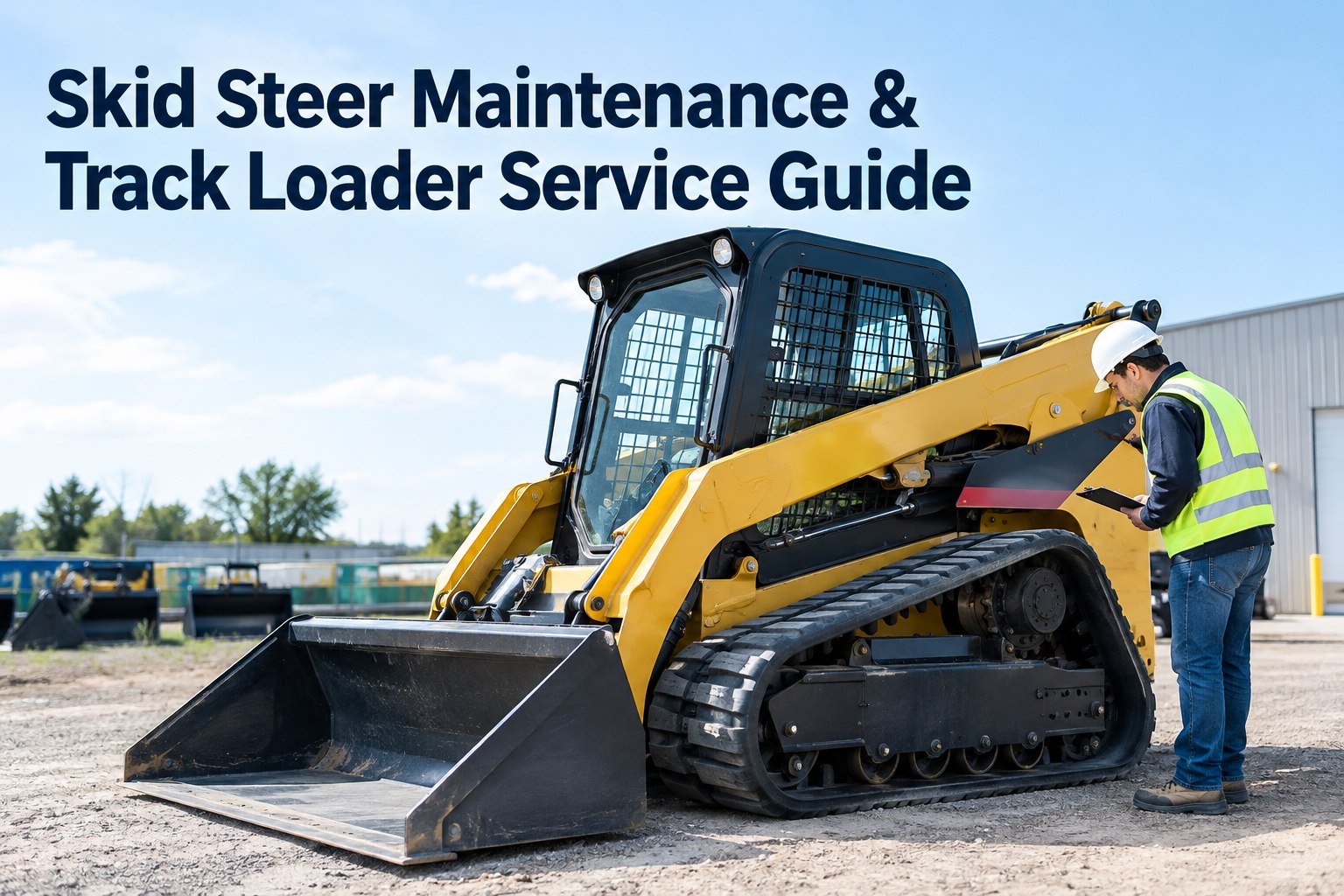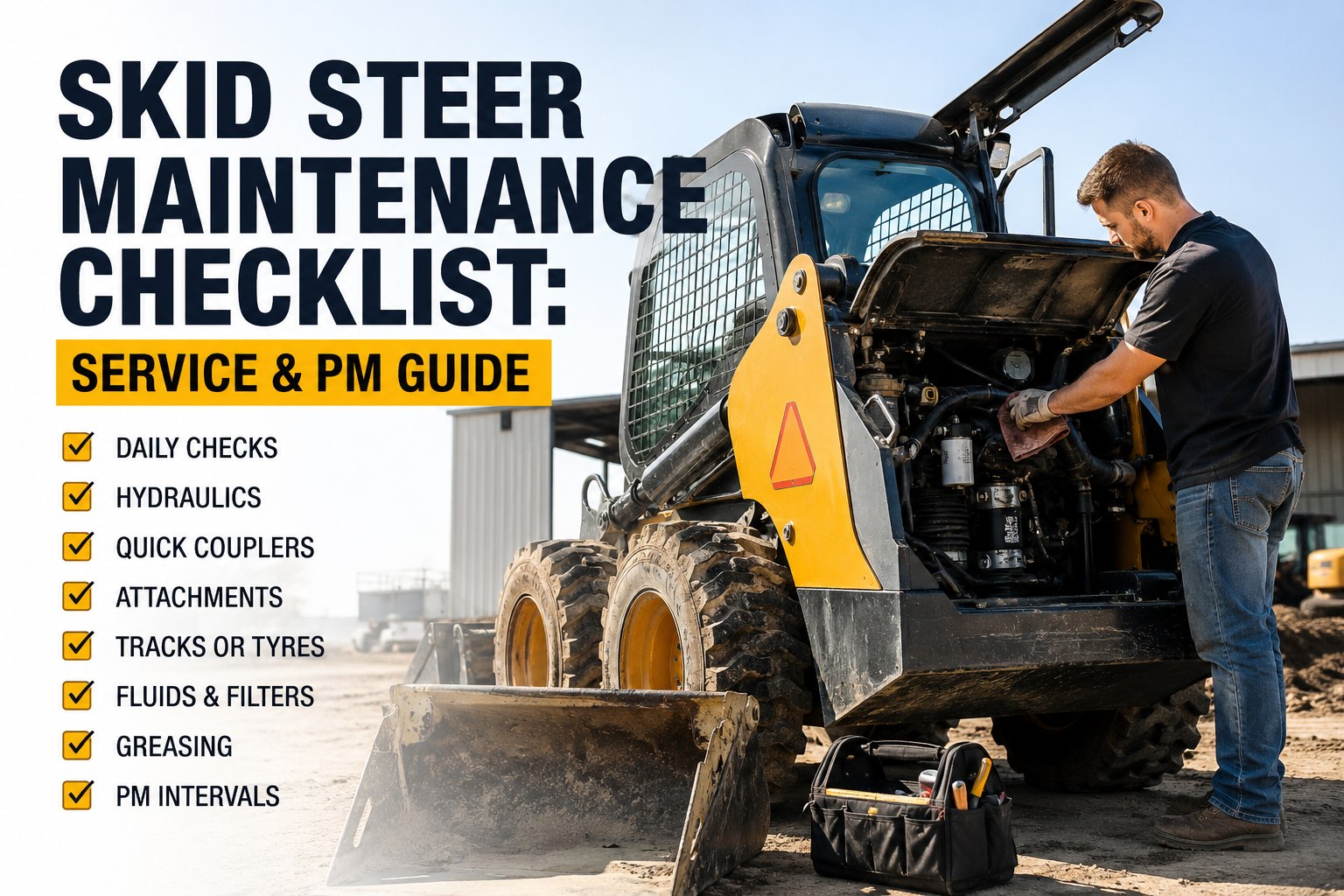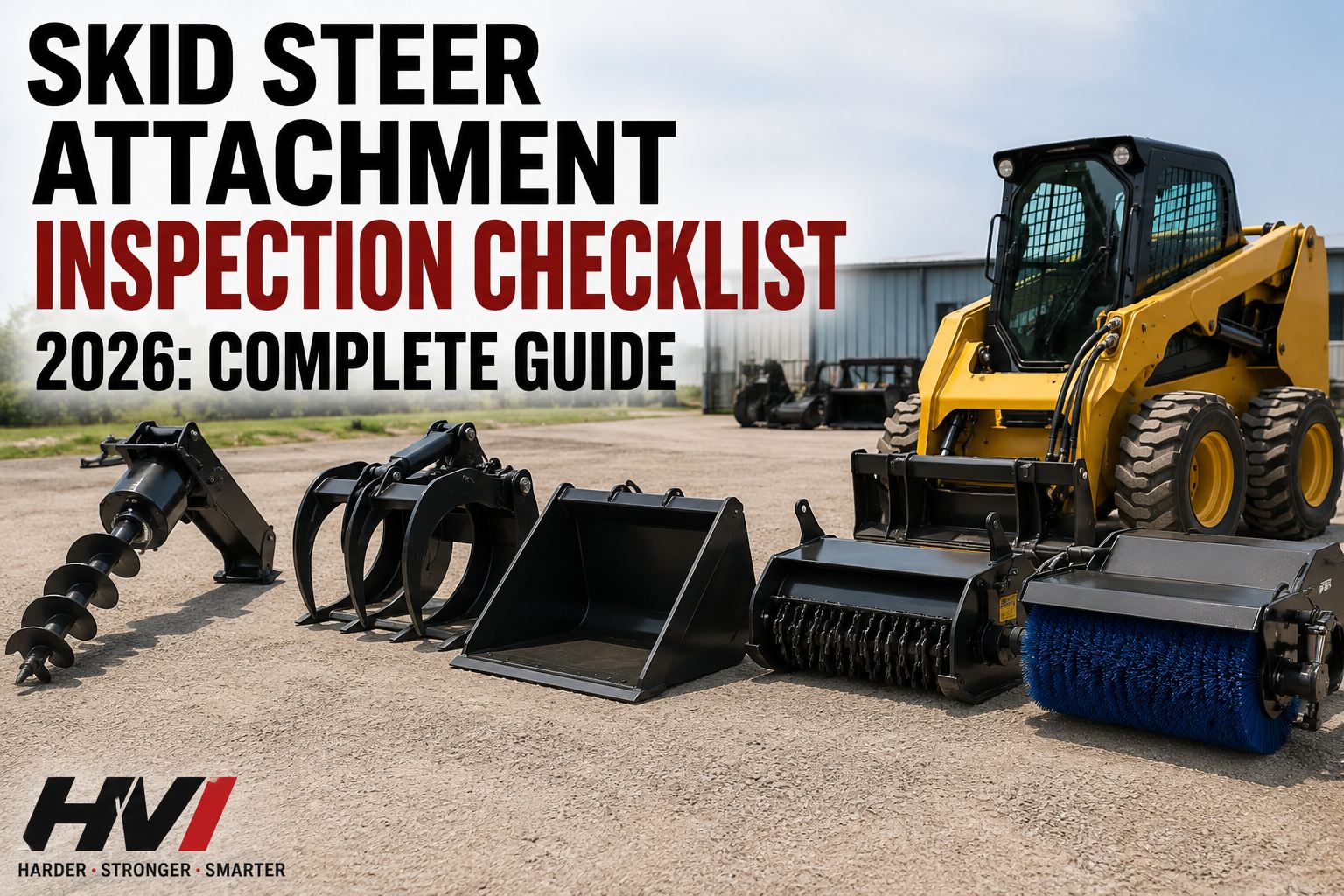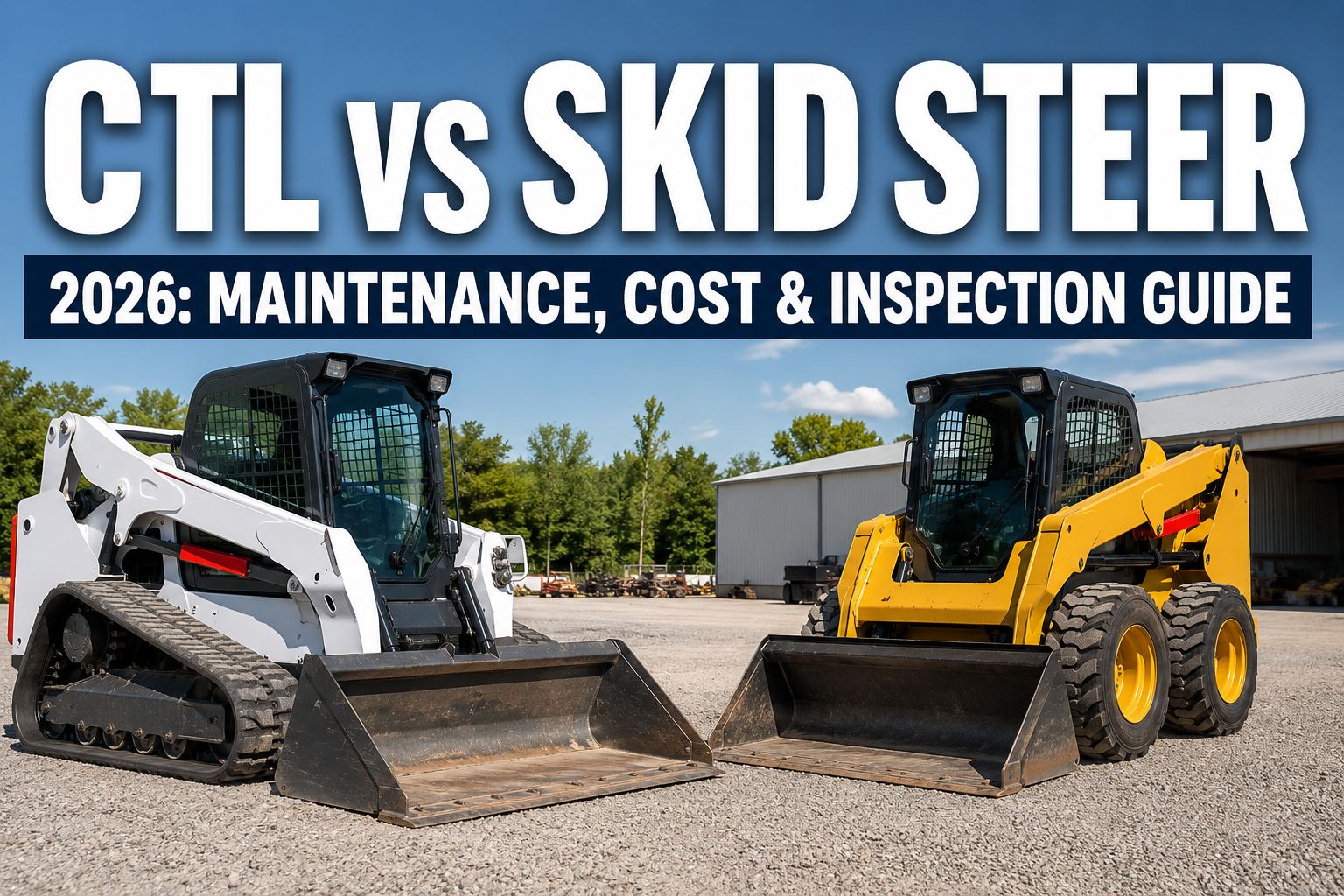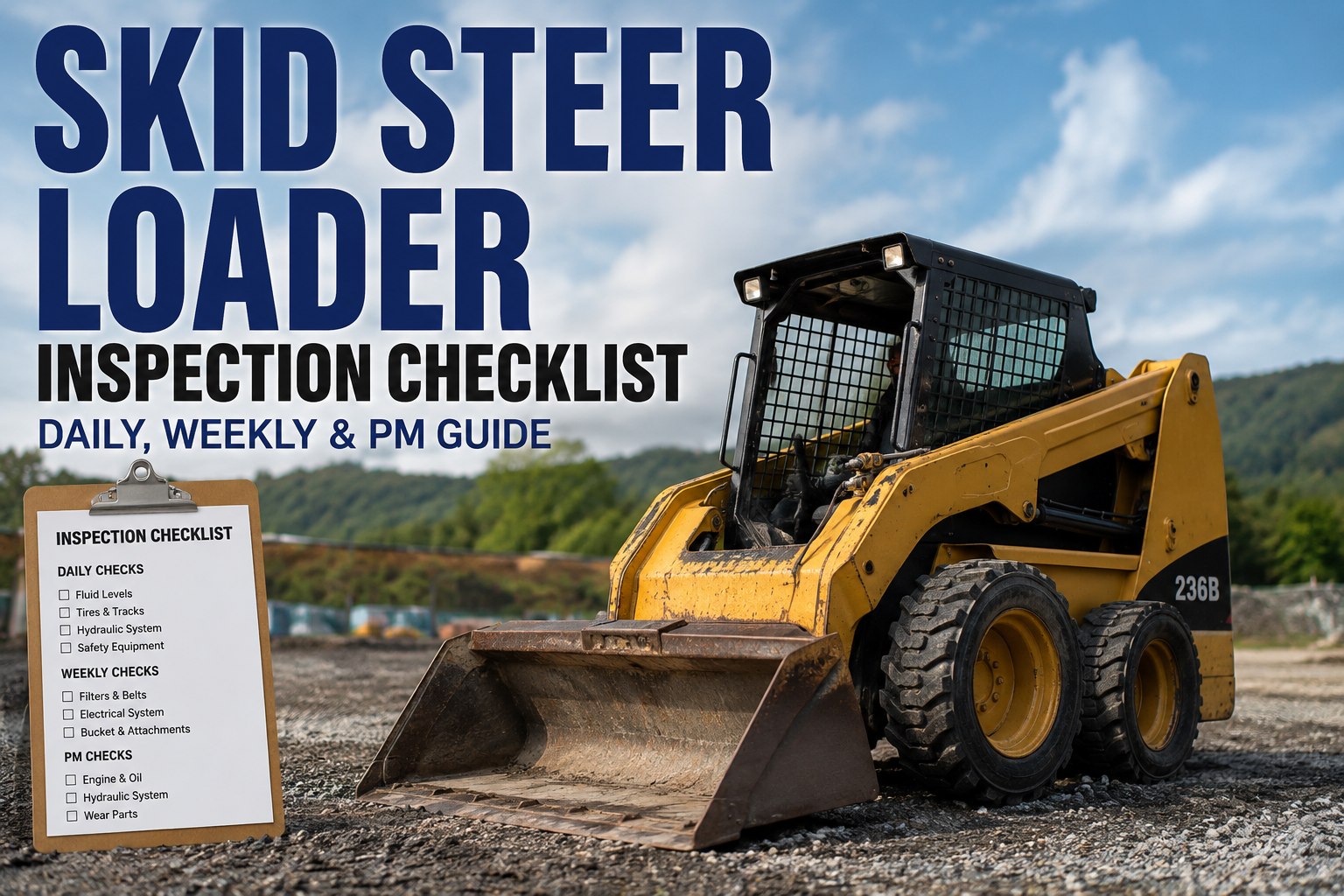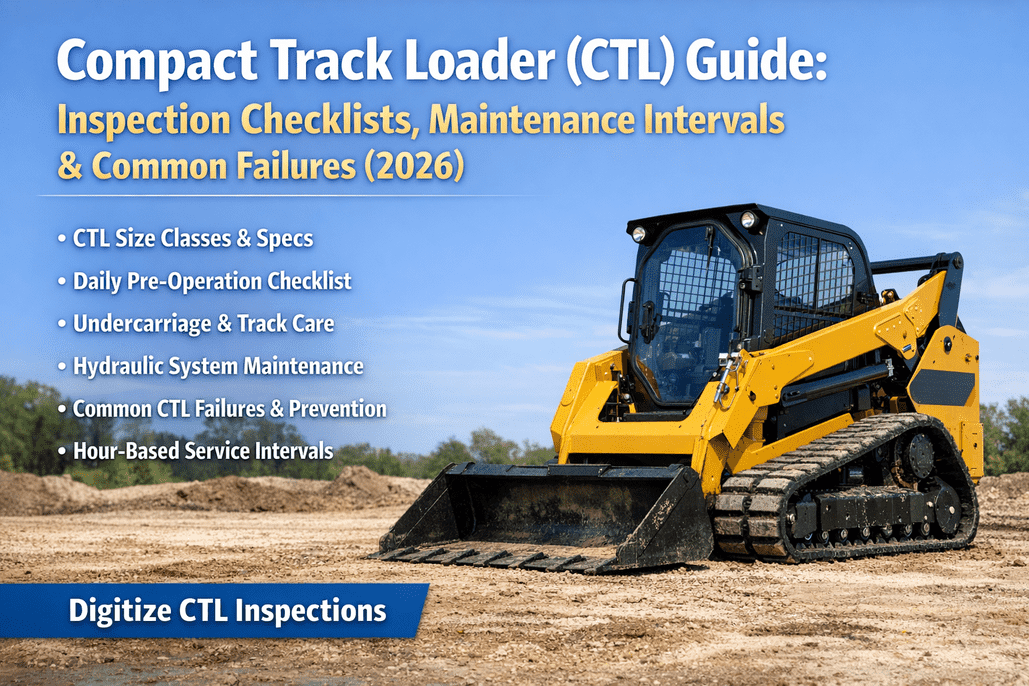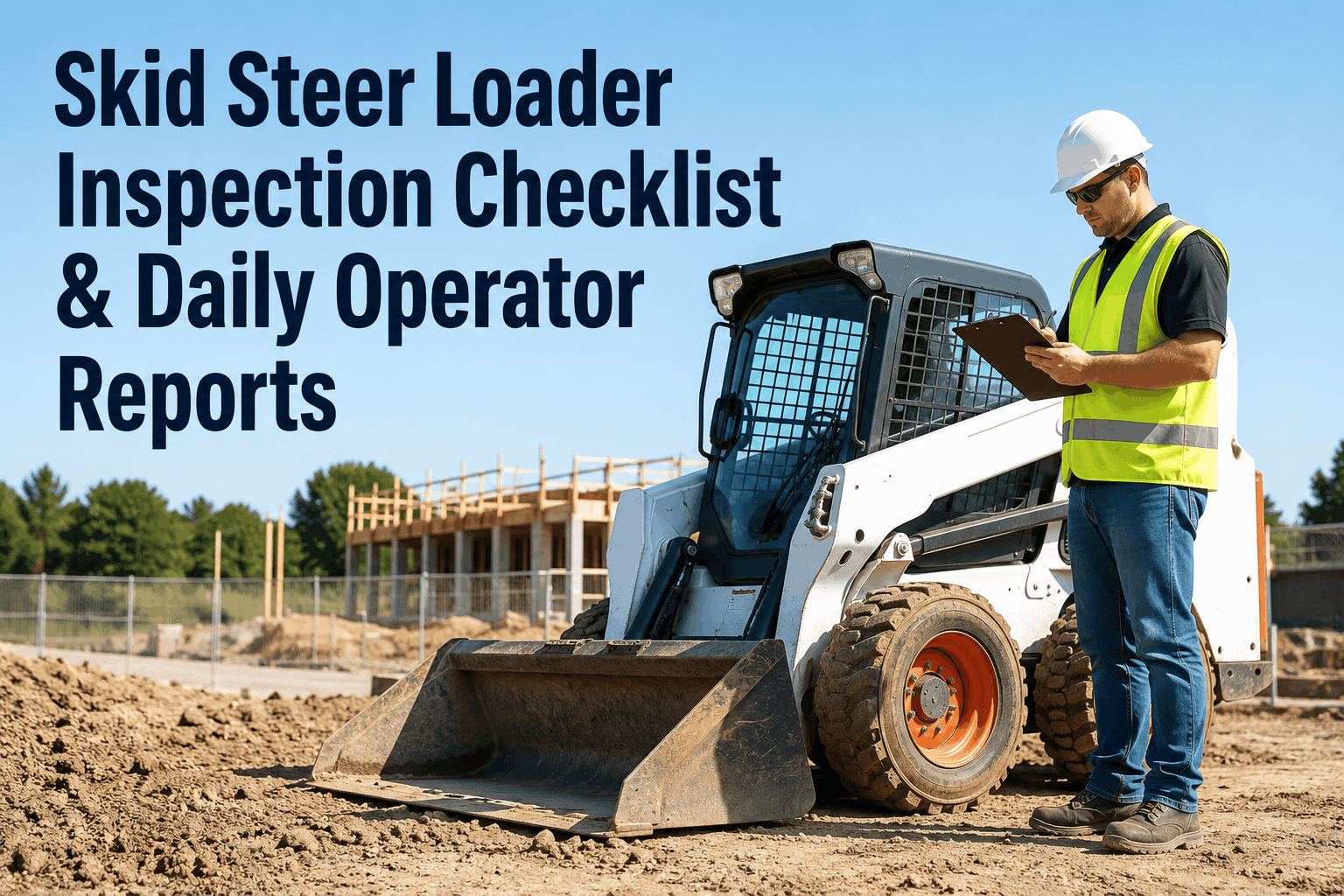
A skid steer is the most-used and hardest-worked machine on most job sites — small, agile, and run flat-out all day across tight spaces with heavy loads. That intensity is exactly why a daily operator report matters more on a skid steer than on almost anything else in the fleet: its compact hydraulic system carries higher component stress, and rollovers, crushed-by incidents, and hydraulic failures rank among the most common skid steer accidents. The daily check is also the cheapest insurance you can buy. As one fleet put it after going digital, the 15-minute morning inspection eliminated the morning surprises, cut rental costs by 40%, and helped them run 18 months without a safety incident. But a checklist on a clipboard only protects you if the findings actually go somewhere — a daily operator report turns the inspection into a logged, trackable record that flags defects to maintenance, hands the machine's status to the next shift, and feeds real wear data into service planning. HVI's skid steer inspection software turns the clockwise walkaround into a digital operator report — photos on flagged items, defects routed straight to a work order, and a status handover the next operator actually sees. This guide covers the inspection by zone, the report that captures it, and what it unlocks. schedule a 30-minute walkthrough with our team to see it set up for your skid steers and CTLs.
The hardest-worked machine on site deserves a 15-minute report, not a clipboard nobody reads.
HVI turns the daily skid steer walkaround into a digital operator report — clockwise zone checks, hydraulic and attachment verification, photos on flagged items, and defects routed straight to a work order.
Why the daily report matters most on a skid steer
Skid steers earn their keep by working hard in tight spaces — and that same intensity is what makes the daily operator report non-negotiable. Three reasons stand out.
Higher component stress
Skid steers operate in tight spaces with heavy loads, so their compact hydraulic systems and frames take more stress than larger machines. Small problems escalate fast — which is why daily catches matter.
Serious safety risk
Rollovers, crushed-by incidents, and hydraulic failures are among the most common skid steer accidents. Verifying ROPS/FOPS, the seat restraint, and the lift-arm safety prop daily is genuine life-safety, not paperwork.
Proven payoff
The 15-minute daily check is high-leverage: operations running strict protocols report eliminated morning surprises, rental costs cut by 40%, and long stretches with zero safety incidents.
OSHA expects daily inspections for workplace safety, and trained operators are the right people to do them — they know the machine best. The report turns their 15 minutes into a record that protects the operator, the machine, and the schedule.
The clockwise walkaround, zone by zone
Follow the same sequence every day so nothing is missed — start at the operator platform and move clockwise around the machine. In HVI, each zone is a report section completed on a phone, with a photo required on any flagged item.
1 Operator station & safety
- ROPS/FOPS structure undamaged; no cracks at mounts
- Seat belt and seat-bar restraint function correctly
- Lift-arm support device (safety prop) present and sound
- Controls, interlocks, and warning lights operational
- Mirrors, glass, and operator-presence system working
2 Hydraulics (cold check)
- Hydraulic fluid level and condition before start (leaks show when cold)
- Cylinders, hoses, and fittings for leaks or damage
- Quick-coupler hydraulic connections secure
- No drift with controls in neutral; normal cycle times
- No unusual noise from the pump under operation
3 Tires / tracks & undercarriage
- Wheeled: tire pressure, cuts, bulges, uneven wear, lug nuts tight
- Tracks: tension, wear, and damage on a CTL
- Tip forward on stable, blocked ground to inspect underneath
- Undercarriage clear of packed debris
- Frame and welds for cracks or deformation
4 Attachment & quick-attach
- Quick-attach coupler fully locked with pins engaged
- Coupler for debris and stress fractures
- Attachment cutting edge, teeth, and wear items
- Auxiliary hydraulic function for powered attachments
- Load rating and attachment weight limit understood
5 Engine, fluids & function test
- Engine oil and coolant levels; no leaks underneath
- Air filter and cooling fins clear of debris
- Belts and hoses for cracks; battery secure
- Fault codes / DEF level reviewed (Tier 4 machines)
- Start engine, test controls and hydraulics at low speed
- Lift, lower, dump, curl cycle smooth; brakes hold
The cold hydraulic check and the quick-coupler lock are the two items operators skip under time pressure — and the two most likely to cause a failure or a dropped attachment. sign up for a free HVI account and build this clockwise report for your skid steers and CTLs, or schedule a live demo to see a flagged coupler defect lock the machine out automatically.
What turns an inspection into a report
A checklist confirms the machine is safe. A report captures that, routes the problems, and carries the machine's status forward. These four things are what make the difference.
Findings, logged with photos
Each item marked good or needs-action, with a photo on anything flagged — timestamped and tied to the machine and operator, so the record is real and verifiable, not a tick on paper.
Defects routed to maintenance
A flagged defect becomes a work order on the spot. Critical safety items — ROPS damage, hydraulic leak, coupler fault — tag the machine "Do Not Operate" until repaired and verified.
Status handed to the next shift
The report logs completion and carries the machine's condition to the next operator — so a defect found in the morning isn't a surprise to whoever climbs in next.
Wear data feeds service planning
Daily findings track actual wear patterns and usage over time, which optimizes service intervals — PM fires on how the machine is really used, not a fixed calendar guess.
Beyond daily: the wider service rhythm
The daily report catches immediate hazards; scheduled service resolves the deeper wear. Use the operator's manual for exact intervals — HVI fires each tier automatically by engine hours.
Operator report
The clockwise zone walkaround and function test, logged with photos. Clear debris, check fluids and leaks, grease bucket and boom pins, verify the coupler lock.
Deeper checks
Hydraulic hoses and lines, pins and pivots for looseness, quick-attach coupler for stress fractures, cooling fins and radiator for clogging — plus filter service.
By engine hours
Engine oil and filters, hydraulic service, and deeper inspection per the OEM interval. Avoid overloading — pushing past limits wears frame, hydraulics, and engine faster.
A common, costly mistake: overloading the machine, which speeds wear on the frame, hydraulics, and engine. The daily report surfaces the early symptoms — slow cycle times, new leaks, frame stress — before overload damage becomes a breakdown. sign up free and track wear trends across your skid steer fleet.
Paper checklist vs. HVI operator report
Both run the same inspection. Only one captures it as a record, routes the defects, and hands the machine's status to the next shift.
Paper checklist
- Findings ticked on paper, left in the cab
- A flagged hydraulic leak mentioned, then forgotten
- Coupler-lock check taken on trust, never recorded
- Next operator starts blind to this morning's defect
- No photos, no proof the inspection happened
- Wear patterns never tracked to tune service intervals
With HVI software
- Every zone logged with photos, timestamped per operator
- A flagged defect becomes a work order instantly
- Critical items tag the machine "Do Not Operate" automatically
- Status handed to the next shift, no surprises
- Full inspection history exports in seconds for any audit
- Wear trends feed engine-hour-based PM scheduling
a daily report, a 40% rental-cost cut — that's what fleets running strict skid steer inspection protocols report, alongside eliminated morning surprises and long stretches with zero safety incidents. HVI turns the 15-minute walkaround into a logged, routed, handed-off operator report across your whole fleet.
Frequently asked questions
What should a daily skid steer inspection cover?
Work it clockwise in five zones, starting at the operator platform. Zone 1 is the operator station and safety systems — ROPS/FOPS, seat belt and seat-bar restraint, the lift-arm support device, controls, and interlocks. Zone 2 is hydraulics, checked cold so leaks are visible — fluid level, cylinders, hoses, quick-coupler connections, drift in neutral, and cycle times. Zone 3 covers tires or tracks and the undercarriage, tipping the machine forward on blocked ground to inspect underneath. Zone 4 is the attachment and quick-attach coupler — locked with pins engaged, no stress fractures, auxiliary hydraulics working. Zone 5 is engine, fluids, and a function test at low speed. The whole report takes about 15 minutes, and HVI captures each zone with photos on flagged items.
What's the difference between an inspection checklist and a daily operator report?
A checklist is the list of items to verify; a report is what happens to those findings. A paper checklist confirms the machine was looked at, but the results sit in the cab and the defects depend on someone remembering to mention them. A daily operator report captures each finding (good or needs-action) with photos, timestamps it against the machine and operator, routes any defect straight to a work order, tags critical issues as "Do Not Operate," and hands the machine's status to the next shift. It also logs completion so supervisors can confirm inspections actually happened. In short, the checklist tells the operator what to check; the report makes the findings act — protecting safety, uptime, and creating the documentation an OSHA inspector expects.
Why check skid steer hydraulics when the machine is cold?
Because leaks are more visible before the system warms up and pressurizes. A cold hydraulic quick check — done before starting the machine — lets you see fluid that has seeped or pooled overnight and catch a developing leak that a hot, running system can mask. Beyond the visual, the daily hydraulic check should confirm the fluid level and condition, inspect cylinders, hoses, and quick-coupler connections, verify there's no drift when controls are in neutral, and confirm normal cycle times for lift, lower, dump, and curl with no unusual pump noise. Skid steers run compact, hard-working hydraulic systems under high stress, so catching a hydraulic issue early is one of the highest-value parts of the daily report.
How important is the quick-attach coupler check?
It's critical — a coupler that isn't fully locked can release an attachment under load, one of the more dangerous failures on a skid steer. Before operating, confirm the quick-attach coupler is fully locked with its pins engaged, and inspect it for debris and stress fractures, which are a known failure point. Never assume the attachment is seated from the previous shift. For powered attachments, also verify the auxiliary hydraulic function and that the attachment's weight and load rating are understood and within the machine's limits. Because it's both a safety and an operational item, the coupler check belongs near the top of every daily report. In HVI you can flag a coupler issue as critical, which tags the machine "Do Not Operate" until it's verified.
How does HVI handle skid steer daily operator reports?
HVI turns the daily walkaround into a complete digital operator report. Operators run the clockwise five-zone inspection from a phone — operator station and safety, hydraulics, tires or tracks and undercarriage, attachment and quick-attach, and engine and function test — marking each item and attaching photos to anything flagged. Critical defects like a hydraulic leak, ROPS damage, or coupler fault automatically tag the machine "Do Not Operate" and create a work order. The report logs completion and hands the machine's status to the next shift, and daily findings track wear over time to optimize engine-hour-based PM scheduling. The full history exports in seconds for OSHA documentation. It works across wheeled skid steers and compact track loaders and mixed Bobcat, Cat, John Deere, and Kubota fleets. schedule a demo and we will set it up around your specific machines and attachments on the call.
Turn the 15-minute walkaround into a report that actually protects you.
HVI runs your skid steer daily operator report, attachment and hydraulic checks, defect work orders, and engine-hour PM scheduling in one platform built for construction fleets. Eliminate morning surprises, route every defect, and hand each machine's status to the next shift. Sign up free and protect your crew, your skid steers, and your uptime.
No credit card required · Live in under two weeks · Daily operator report + attachment checks + defect work orders + PM in one platform