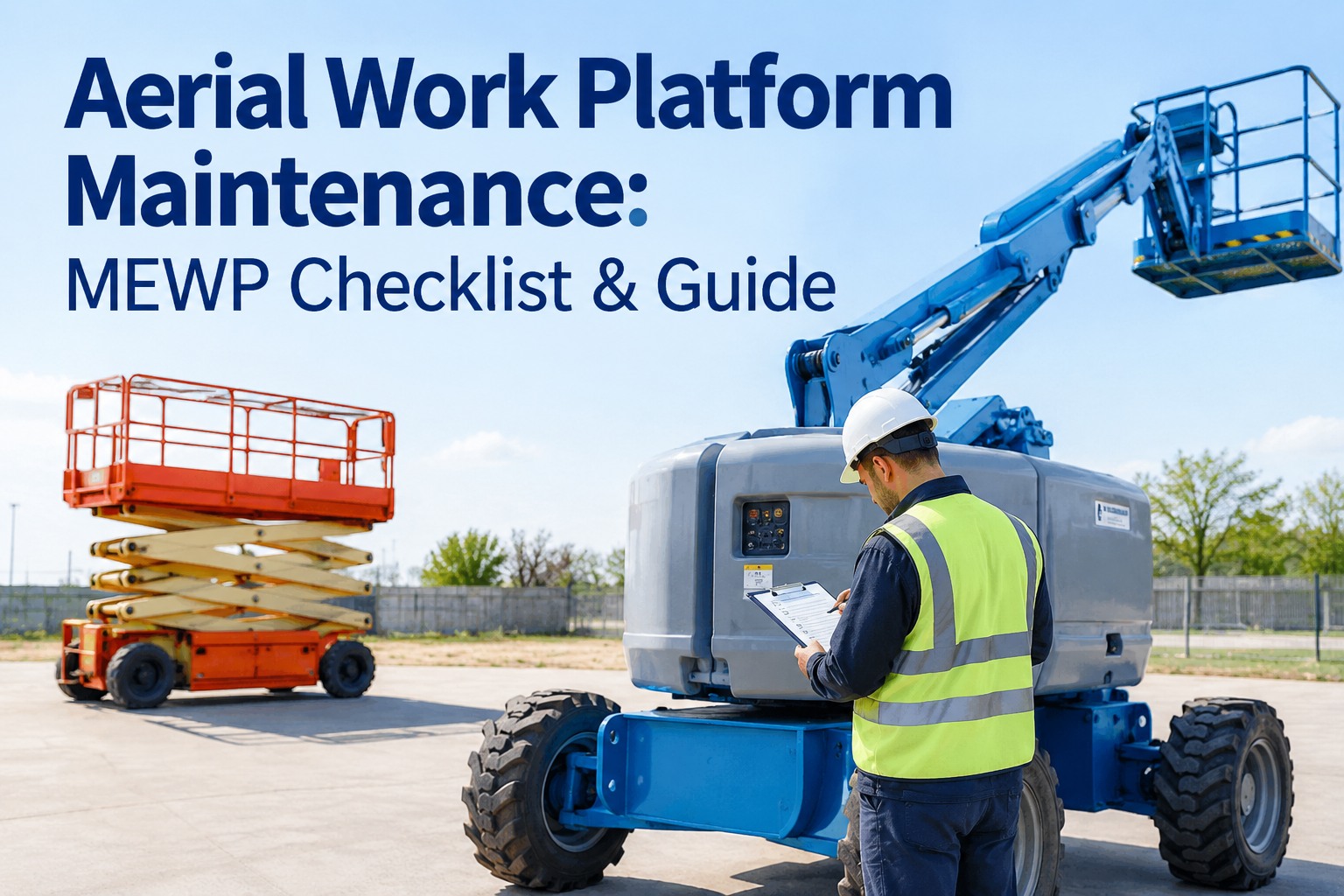
On a wheel loader, a missed service costs money. On an aerial work platform, a missed inspection can cost a life — falls from height are among the top causes of construction fatalities, and MEWPs are involved in dozens of fatal incidents a year. That's what makes aerial work platform maintenance different from every other machine in the yard: it isn't just preventive upkeep, it's a mandated inspection regime with defined intervals, roles, and a documented record that is your legal defence when an inspector shows up — and a MEWP runs on three overlapping clocks at once. See MEWP inspections tracked per unit
The MEWP inspection regime, tier by tier
Step through the three mandated tiers. Each has a different person, a different trigger, and a different record requirement — and skipping any one is a citation waiting to happen.
Pre-use inspection
The frontline defence. Any safety device not working, structural damage, a hydraulic leak, or a missing guardrail means the machine doesn't go up — key out, tag out, report.
Frequent inspection
The tier most often missed, because it isn't triggered by a shift — it's triggered by an interval and by that easy-to-forget "back from long-term storage" rule.
Annual machine inspection
The deep one. Verifies fatigue, corrosion, and wear haven't dropped the machine below its design safety margin — and each unit must carry a clear record of its last annual.
Three tiers, three roles, three clocks — and OSHA inspectors carry ANSI A92 in the field. If your records don't match the regime, that's the citation.
The 2020 shift to the ANSI A92 standards suite renamed what the industry called an Aerial Work Platform (AWP) to a Mobile Elevating Work Platform (MEWP), and tightened the expectations around inspection, training, and records. The terminology changed; the core truth didn't — a lift that puts a person tens of feet in the air lives or dies on its inspection discipline. What follows is where the maintenance genuinely differs from ground equipment, and why a single service reminder can't manage it.
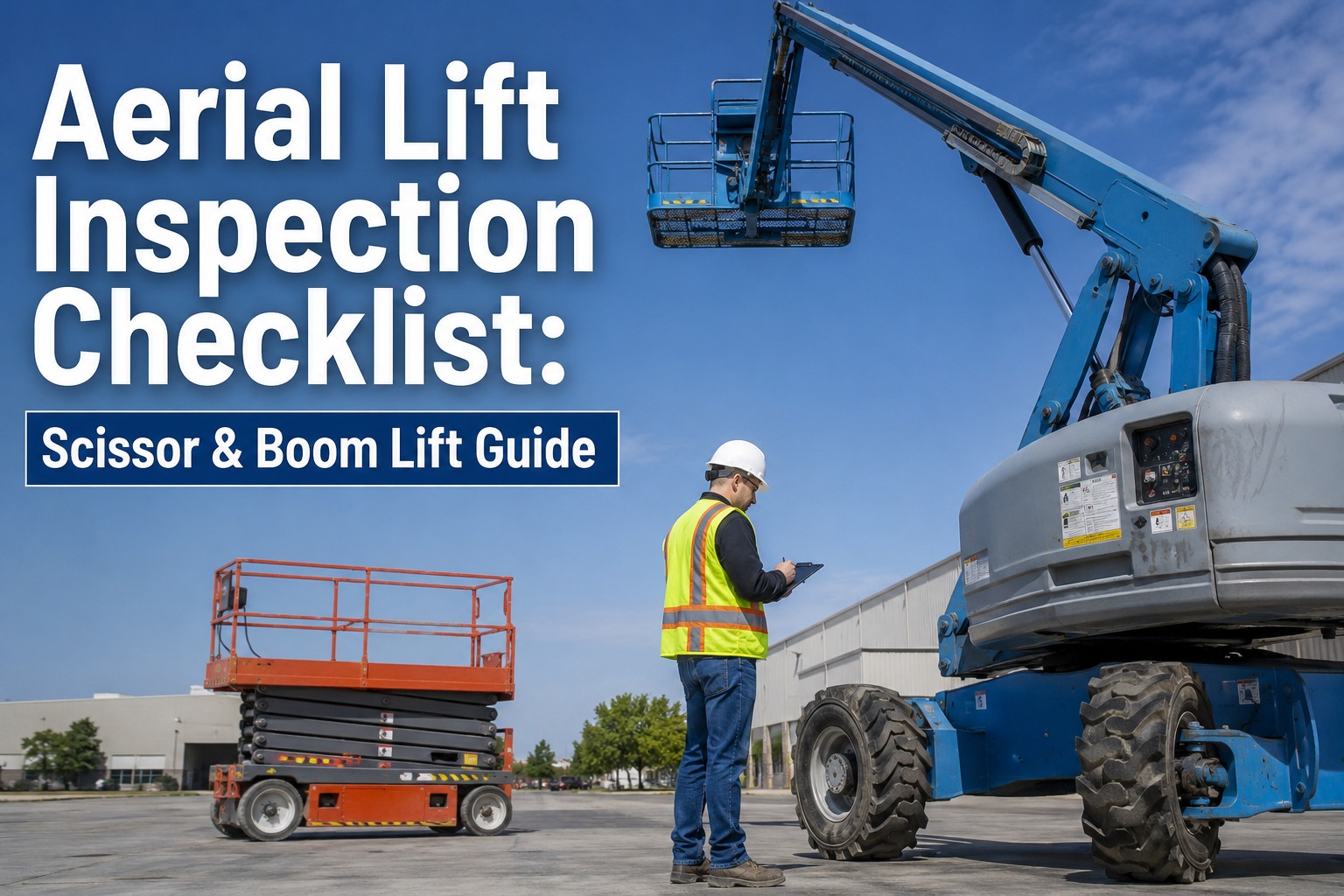
Scissor vs. boom: same regime, different machine
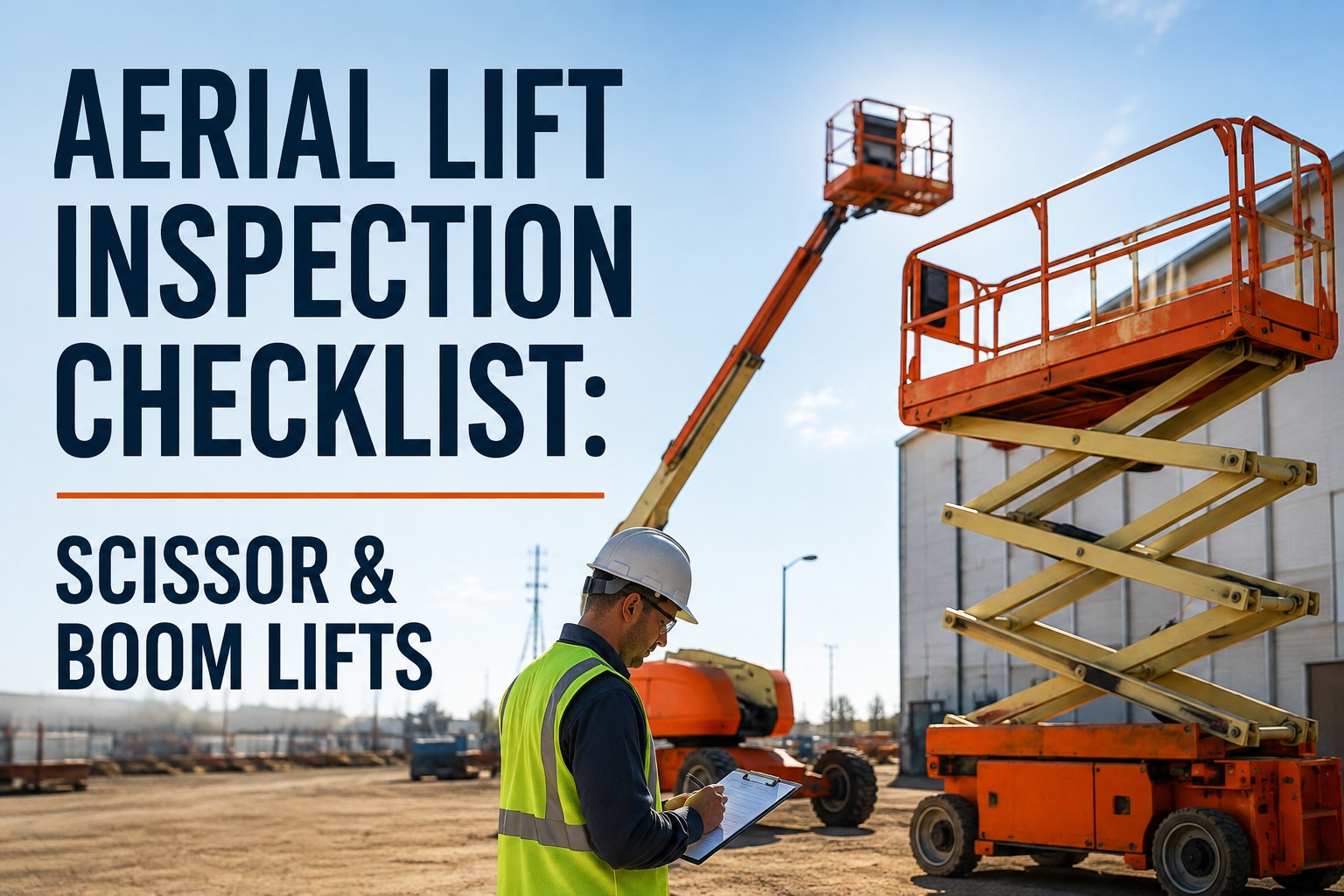
MEWPs cover scissor lifts, boom lifts, and vertical mast lifts, and while they share the inspection regime, they don't share the same maintenance profile or even the same regulatory classification — a distinction that trips up a lot of programs. Treating them identically means missing what matters on each.
- Vertical-only lift; often classified with mobile scaffolds rather than aerial lifts under OSHA
- Scissor-arm structure, pins, and wear pads are the load path to inspect
- Pothole-protection guards must deploy — a required limit-switch function test
- Guardrails, not necessarily harness tie-off, are the primary fall protection
- Articulating or telescopic reach; an aerial lift under OSHA, harness/lanyard required
- Boom structure, turntable, slew, and extension systems are the critical inspection
- Load-sense and envelope/limit systems that restrict unsafe movement
- Higher tip-over sensitivity — chassis level, outriggers where fitted, and tilt alarms
Both need the same three-tier regime, but the frequent and annual inspections check different structures and safety systems, and the pre-use function tests differ too.
Run one generic "lift" checklist across a mixed fleet and you either bury the operator in items that don't apply or — worse — skip the pothole-guard test on a scissor or the envelope check on a boom. Machine-type-specific templates keep each check honest. Start free and load a distinct template per lift type
The tests that aren't just look-and-tick
Most inspection items are visual — look at the guardrail, check the tyre. But a MEWP has a handful of safety-critical functions that have to be operated and confirmed working, because they're the systems that save a life when something goes wrong up top. These are the ones a rushed pre-use check quietly skips.
Emergency lowering
If the primary system fails with someone elevated, the ground controls and manual descent must bring them down. This gets tested, not just glanced at — it's the literal difference between a stranded worker and a rescue.
Ground / override controls
The lower control station must override the platform and operate the machine — essential for rescue. Confirm it actually takes command, not just that the panel lights up.
Tilt & limit alarms
Tilt alarms, pothole guards, and motion-limit systems that stop unsafe movement have to actually trigger. A silent tilt alarm on a boom near its limit is how a tip-over happens.
E-stops & interlocks
Emergency stops at both stations and any platform-entry or foot-switch interlocks must cut function on demand. Test each — a dead e-stop is a defect that grounds the machine.
Because these are functional tests rather than visual checks, they're the items most valuable to capture as a positive, recorded confirmation — "emergency lowering tested and operational," with who tested it and when. If it's ever questioned after an incident, "we always do it" is worth nothing; a dated record is worth everything. Book a demo to see function tests captured as recorded confirmations
The pre-use MEWP check every operator runs
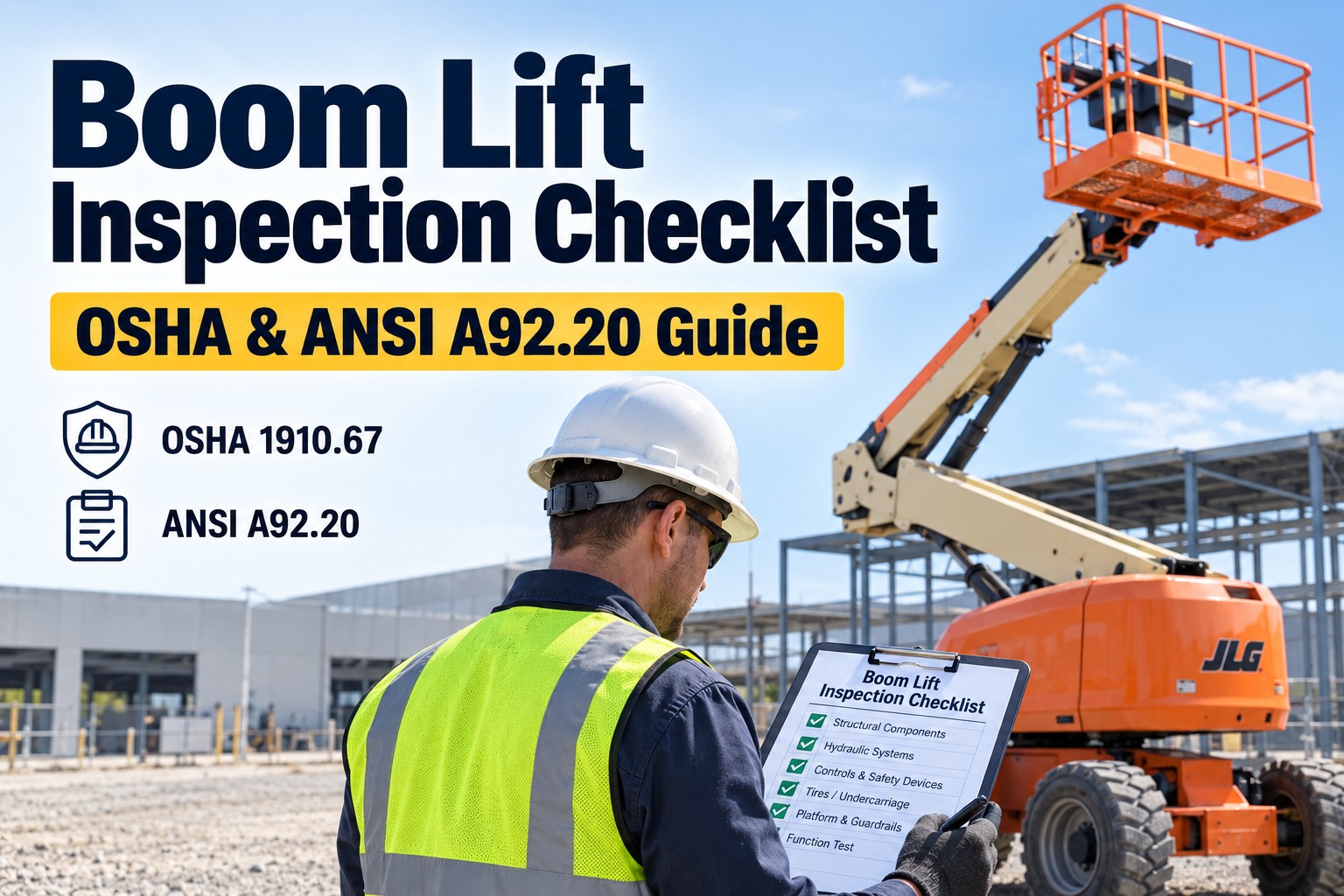
This is the check each operator completes before every use — the first of the three tiers, and the one that catches the acute failure a scheduled service can't predict. Use this pre-use checklist online free, so any fail grounds the machine on record, visible to the next operator.
Hydraulics, batteries, and tyres: the maintenance underneath the regime
The inspection regime tells you when to look; the maintenance is what keeps the machine passing. Three systems carry most of a MEWP's mechanical load — each with its own failure signature.
The muscle of every lift — and a leak is both a function risk and a slip hazard. Check cylinders, hoses, and fittings on the lift and steer circuits, plus fluid condition.
Failure: a weeping cylinder drifts the platform down under loadOn electric scissors, the pack is the engine: charge discipline, connector and cable condition, and state-of-health checks to catch the capacity fade nobody watches for.
Failure: fade leaves a machine stranded elevatedFoam-filled, solid, or pneumatic, they carry the stability of the whole machine. A bulge, flat spot, or wrong pressure changes how the lift sits — and how it tips.
Failure: a bad tyre shifts the machine off levelNone are exotic, but all three are easy to defer when a machine is "passing" its visual check — right up until one turns a routine lift into an incident. Confirm intervals and fluids against the manufacturer's manual. Book a demo to see hydraulic, battery, and tyre service scheduled per unit
Three clocks, one fleet: why a single reminder fails
Here's the scheduling problem unique to MEWPs. A wheel loader runs on one clock — hours. A MEWP runs on three at once: pre-use off the shift, frequent off an interval, and annual off the calendar with a hard 12-to-13-month ceiling.
Add a mixed fleet of scissors and booms from different makers with different service intervals, and a wall calendar or a single reminder simply can't hold it.
The failure mode a fleet dreads is simple: a boom lift's annual quietly lapses because it was parked on a far job, and it keeps getting used past the deadline — every lift now non-compliant, one incident away from a very bad day.
Tracking each machine's three clocks against its own record, with alerts before the deadline not after, is the only way a mixed lift fleet stays genuinely inspection-ready. Book a demo to see every lift's next-due inspection at a glance
From a safety manager who owns the lift fleet
The one that scared me was a boom lift that came back from a six-month job on another site and went straight back into rotation. Nobody ran the frequent inspection you're supposed to do after three months out of service, and its annual had lapsed by seven weeks while it sat. It was fine, mechanically — but if anything had happened up in that basket, we had a machine in the air with an expired annual and no defence at all.
Now every lift has its three clocks tracked separately and I get an alert weeks before an annual or a frequent comes due, per machine, wherever it's parked. The function tests — emergency lowering especially — get logged as a recorded check, not a verbal "yeah we did it." When the OSHA compliance officer asked for our aerial records, I exported the fleet in about a minute. That's the whole job: never have a person in the air on a lift I can't prove is compliant.
Aerial work platform maintenance FAQs
What inspections does an aerial work platform (MEWP) require?
A three-tier regime under OSHA and ANSI A92, each tier by a different role at a different frequency: a pre-start check by the operator before every use, a frequent inspection (roughly every 3 months or 150 hours) by a qualified person, and an annual inspection by a factory-trained technician. Miss any tier and the machine is out of compliance, regardless of how well it runs.
What is the difference between a scissor lift and a boom lift for maintenance?
Both share the same three-tier regime, but they wear and fail differently. A scissor lift is a vertical platform with a simpler structure — the focus is the scissor pack, pins, and the level/tilt system. A boom lift adds articulation, extension, and outreach, so it carries more hydraulics, more pivots, and stricter stability and load-sensing systems to maintain and test.
Why is the emergency lowering test so important?
Emergency lowering brings a worker safely to the ground if the primary lift system fails while the platform is elevated — it's the last line of defence in the failure the whole machine is built to survive. Because it only matters in an emergency, it's easy to leave untested. It must be function-tested, not just visually checked, on a set interval.
How often does a MEWP need a frequent and annual inspection?
The annual machine inspection is required at least once every 12 months (industry practice treats it as due no later than 13 months from the last). The frequent inspection runs roughly every 3 months or 150 hours of use, whichever comes first — so a hard-run machine hits it on hours long before the calendar, which is why hour-based tracking matters.
What records do you need to keep for aerial lift compliance?
Documented proof of the whole regime — it's what demonstrates compliance if an incident or audit occurs. At minimum: the annual inspection record per machine, frequent-inspection logs, operator pre-start records, and the repair history closing out any defect found. OSHA inspectors carry ANSI A92 in the field, so if the records don't match the regime, that's the citation.
Keep every MEWP inspection-ready across the whole fleet
HVI tracks each aerial lift's pre-use, frequent, and annual inspections on their own clocks, fires recurring alerts before any falls due, captures emergency-lowering and function tests as recorded confirmations with photo evidence, works offline on site, and keeps a per-unit service history that produces the annual and function-test records the moment an inspector asks. Scissor lifts, boom lifts, mixed makers — each on its correct regime. See it on your own lift fleet.
No credit card · Three-clock inspection tracking from day one · Works offline on site